Many home cooks face a common dilemma: you come home late and realize you forgot to thaw the chicken. You’re hungry, but the chicken is still frozen solid in the freezer. The question naturally comes up—can you pressure cook frozen chicken safely and still get a tasty result? The answer is yes, but there’s much more to know if you want a meal that’s both safe and delicious.
Pressure cooking has become popular for its speed and convenience, with appliances like the Instant Pot making it even easier. But cooking frozen meat, especially chicken, brings unique challenges and safety concerns. In this article, you’ll learn how pressure cooking works with frozen chicken, which methods are safe, what results to expect, and tips to avoid common mistakes. By the end, you’ll know exactly how to handle frozen chicken in your pressure cooker, saving you time and worry.
How Pressure Cooking Works With Frozen Chicken
Pressure cookers use steam pressure to cook food quickly. When you seal the lid and heat the pot, water turns to steam and builds up pressure inside. This high-pressure steam raises the boiling point, so food cooks faster.
When you add frozen chicken instead of thawed, the process changes slightly. The cooker first spends extra time melting the ice, then starts cooking. The chicken stays below boiling temperature until the ice melts, which delays the actual cooking process. This is why pressure cooking frozen chicken takes longer than using thawed meat.
One important detail: pressure cookers can’t brown meat well with frozen pieces. If you want browned, flavorful chicken, you’ll need to brown it after cooking, or use sauces and spices.
Is It Safe To Pressure Cook Frozen Chicken?
Cooking frozen chicken in a pressure cooker is generally safe if you follow the right steps. The biggest concern is making sure the chicken reaches a safe internal temperature of 165°F (74°C). The high temperature and pressure kill harmful bacteria, such as Salmonella.
However, not all types of chicken or recipes work the same way. Whole frozen chickens or thick, uneven pieces can cook unevenly, leaving cold spots. For best safety and results, use smaller, evenly sized pieces, like boneless breasts or thighs.
The USDA says it’s safe to cook frozen poultry if the cooking method ensures the meat reaches the correct temperature throughout. Pressure cookers do this well, but always check with a food thermometer.
Frozen Vs. Thawed Chicken In Pressure Cookers
To understand what to expect, it helps to compare frozen and thawed chicken in a pressure cooker. Here’s a side-by-side look:
| Aspect | Frozen Chicken | Thawed Chicken |
|---|---|---|
| Prep Time | Minimal (no thawing) | Requires thawing (hours) |
| Cook Time | 10–15 min longer | Shorter cook time |
| Texture | Moist, sometimes less browned | Easy to brown, firmer texture |
| Flavor Absorption | Slightly less (frozen meat) | Better marinated/flavored |
Using frozen chicken saves time up front, but you trade off some flavor and texture. For many busy cooks, the convenience is worth it.
How To Pressure Cook Frozen Chicken: Step-by-step
Cooking frozen chicken in a pressure cooker is straightforward, but you need to follow certain steps for best results.
1. Choose The Right Cut
Go for boneless, skinless breasts or thighs. Avoid large whole chickens or thick pieces, as these may cook unevenly.
2. Add Cooking Liquid
Always add at least 1 cup of water or broth (for a 6-quart pressure cooker). The steam is essential for building pressure. For extra flavor, use chicken broth.
3. Arrange Chicken Evenly
Place the frozen chicken in a single layer, not stacked, so pieces cook evenly. If you must stack, separate layers with a rack or foil.
4. Season Well
Add salt, pepper, garlic, or your favorite spices directly to the pot. Sauces can go in too, but don’t fill the pot more than halfway.
5. Set The Cooking Time
As a rule, increase the cooking time by 50% for frozen chicken compared to thawed. For example:
- Thawed breasts: 8 minutes at high pressure
- Frozen breasts: 12 minutes at high pressure
- Natural Release
Allow the pressure to release naturally for at least 5 minutes before using quick release. This helps the chicken stay juicy.
7. Check Temperature
Always use a food thermometer to check the thickest part of each piece. It should read 165°F (74°C).
Example: Cooking Frozen Chicken Breasts In An Instant Pot
For 2 pounds of frozen, boneless, skinless chicken breasts:
- Add 1 cup chicken broth to the pot.
- Place chicken in a single layer.
- Sprinkle with 1 teaspoon salt, 1/2 teaspoon pepper, and any other desired herbs.
- Cook on high pressure for 12 minutes.
- Let pressure release naturally for 5 minutes, then quick release.
- Check temperature before serving.
Pressure Cooking Times For Frozen Chicken
You may wonder how long to cook different cuts of frozen chicken. Here’s a quick reference:
| Chicken Cut | Weight/Size | Pressure Cook Time |
|---|---|---|
| Boneless Breasts | 6–8 oz each | 12–15 minutes |
| Bone-in Thighs | 4–6 oz each | 13–16 minutes |
| Drumsticks | 2–3 oz each | 13–15 minutes |
| Whole Chicken | 3–4 lbs | 35–40 minutes* |
*Whole chickens should be thawed for best and safest results. If cooking from frozen, check several spots for doneness.
Note: Cooking times can vary by pressure cooker model. Always check the manufacturer’s guide.
Best Practices And Key Tips
Pressure cooking frozen chicken isn’t hard, but a few smart tips can help you get the best results and avoid surprises.
- Don’t Overfill
Leave room for steam to circulate. Overfilling leads to uneven cooking.
- Use a Rack for Layering
If cooking many pieces, separate layers with a rack or foil.
- Avoid Breaded Chicken
Breading turns soggy in a pressure cooker. Use plain chicken for best results.
- Quick Sauce Ideas
Add salsa, soy sauce, or canned tomatoes with the chicken for an easy meal.
- Rest Before Slicing
Let chicken rest 5 minutes after cooking for juicier meat.
Non-obvious insight: If your chicken pieces are stuck together in a solid block, run them under cold water for 1–2 minutes. This helps separate them for more even cooking.
Another tip: If you want shredded chicken, use the natural release method. Quick release can make the meat tough and stringy.
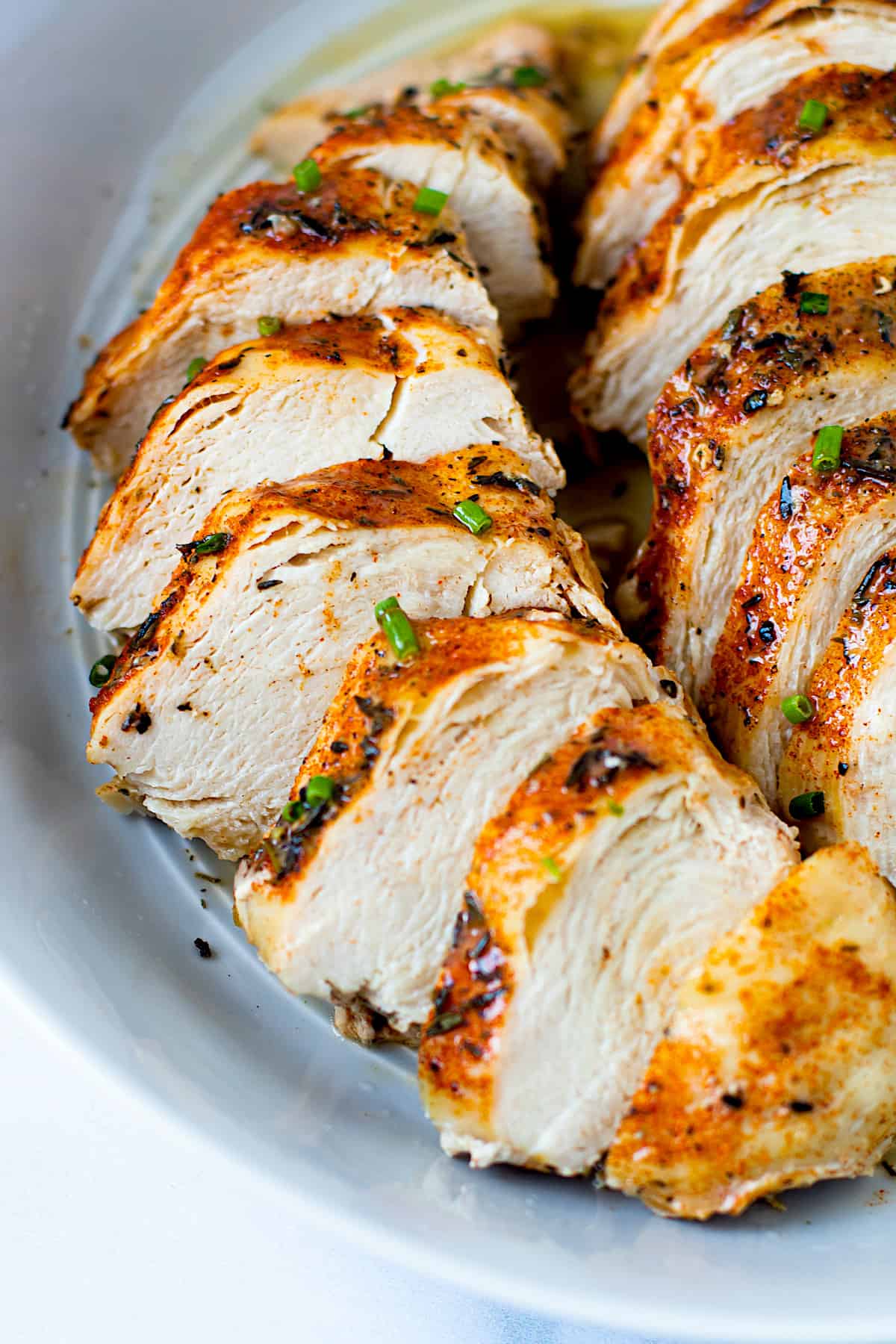
Credit: lexiscleankitchen.com
Common Mistakes When Pressure Cooking Frozen Chicken
Many beginners make simple mistakes that can ruin a meal or even cause safety issues. Here’s what to avoid:
1. Skipping The Thermometer
Guessing if chicken is done is risky. Always check with a thermometer.
2. Using Large Whole Birds
Thick or whole frozen chickens often cook unevenly. Stick to pieces.
3. Not Enough Liquid
Pressure cookers need liquid to function. Too little, and you risk a burn warning or undercooked food.
4. Stacking Chicken
Stacked pieces can stick and cook unevenly. Arrange in a single layer if possible.
5. Not Adjusting Time
If you use the same time as thawed chicken, your meal will be undercooked.
Flavor And Texture: What To Expect
Pressure cooked frozen chicken usually comes out moist and tender, but the flavor can be milder compared to chicken that’s marinated before cooking. Since frozen chicken can’t absorb marinades well, rely on bold spices or sauces added during cooking.
If you want a crispy or browned finish, you’ll need to brown the chicken separately in a pan after pressure cooking. Some people use the sauté function on their Instant Pot, but this works best with thawed or just-cooked chicken, not frozen.
Texture can sometimes be slightly softer or “steamed” compared to oven-roasted or grilled chicken. For most recipes, this isn’t a problem, especially for shredding in tacos, soups, or casseroles.

Credit: eatinginstantly.com
Creative Recipe Ideas
Pressure cooking frozen chicken is perfect for busy nights. Here are some practical meal ideas:
- Chicken Tacos: Cook frozen chicken breasts with salsa and taco seasoning. Shred and serve in tortillas.
- Chicken Soup: Add frozen thighs, broth, chopped vegetables, and noodles to the pot for a fast soup.
- BBQ Pulled Chicken: Pressure cook with BBQ sauce, shred, and pile on sandwiches.
- Asian-Inspired Chicken: Use soy sauce, ginger, garlic, and a bit of honey for a sweet and savory dish.
These recipes prove you don’t need to sacrifice flavor or variety when using frozen chicken.
When Not To Pressure Cook Frozen Chicken
While pressure cookers handle frozen chicken well, there are situations where you should avoid it:
- Whole or Stuffed Chickens: Too large and cook unevenly.
- Breaded or Battered Chicken: The coating gets soggy.
- Recipes Requiring Even Browning: Such as classic roast chicken—thawed is better.
If you plan to make fried or crispy chicken, thawing is best. For most soups, shredded chicken, or saucy dishes, frozen works well.
Safety And Cleaning Tips
Pressure cooking is safe, but accidents can happen if you’re not careful:
- Check Seals and Valves: Make sure the pressure cooker’s gasket and vent are clean and in place before use.
- Release Pressure Safely: Follow the manufacturer’s instructions for quick or natural release.
- Clean Thoroughly: Chicken juices can get into the lid and valve. Wash all parts thoroughly after cooking to prevent bacteria buildup.
- Avoid Overfilling: Too much chicken or liquid can block the vent and cause safety issues.
For more food safety details, check the USDA Food Safety site.
Frequently Asked Questions
Can I Pressure Cook Chicken That Is Partially Thawed?
Yes, you can, but adjust your cooking time. If the chicken is only slightly frozen, reduce the pressure cook time by 2–3 minutes compared to fully frozen. Always check the internal temperature to be sure it’s safe.
Do I Need To Change The Amount Of Liquid When Cooking Frozen Chicken?
No, the amount of required liquid stays the same. Pressure cookers need enough liquid to create steam. For a 6-quart cooker, use at least 1 cup. The melted ice from frozen chicken adds a small amount, but not enough to skip the base liquid.
Can I Cook Frozen Chicken With Vegetables At The Same Time?
You can, but choose hearty vegetables like carrots or potatoes. They hold up to the longer cooking time needed for frozen chicken. Softer vegetables (zucchini, spinach) will become mushy—add those after pressure cooking.
Is It Safe To Refreeze Chicken After Pressure Cooking From Frozen?
Yes, you can freeze cooked chicken that was initially cooked from frozen. Let it cool, store in airtight containers, and freeze for up to 2–3 months. Thawed and reheated chicken should not be refrozen more than once for best quality.
Why Does My Pressure Cooker Take Longer To Come To Pressure With Frozen Chicken?
The cooker first melts the ice before building up steam pressure. This means the preheat time is longer. The total cook time includes this extra preheat, so don’t worry if it takes longer to “come to pressure.”
Pressure cooking frozen chicken can be a lifesaver for busy nights. By following the right steps—choosing the right cuts, adding enough liquid, and checking the temperature—you’ll get safe, tasty meals with little effort. Remember to avoid common mistakes and use bold flavors to get the most from your chicken.
With these tips, you’ll never worry about forgetting to thaw chicken again.
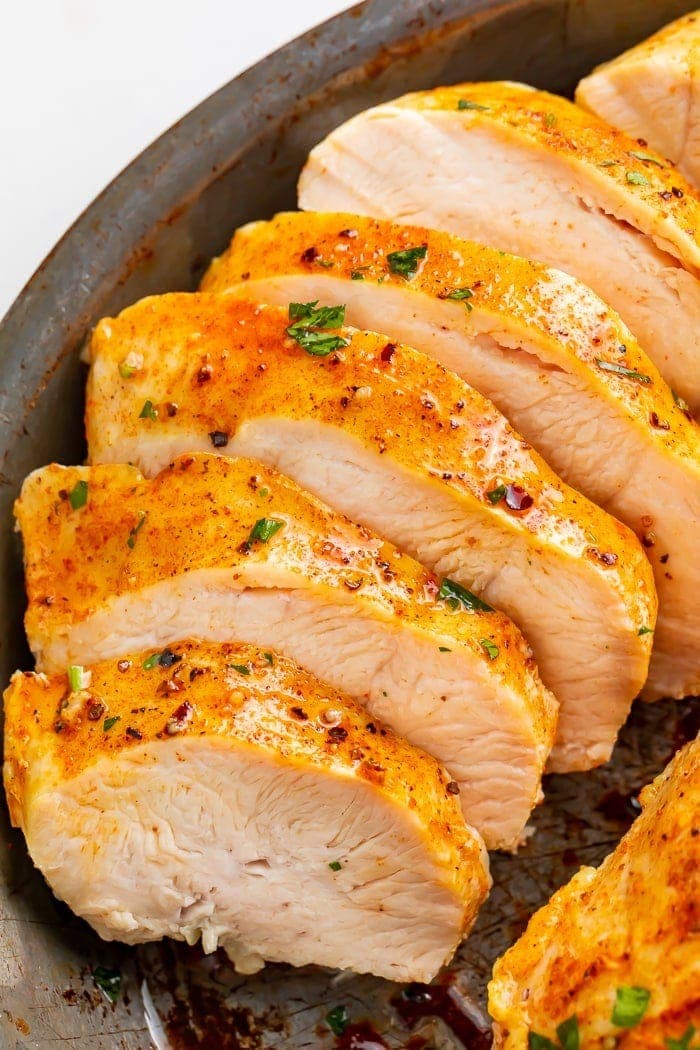
Credit: 40aprons.com