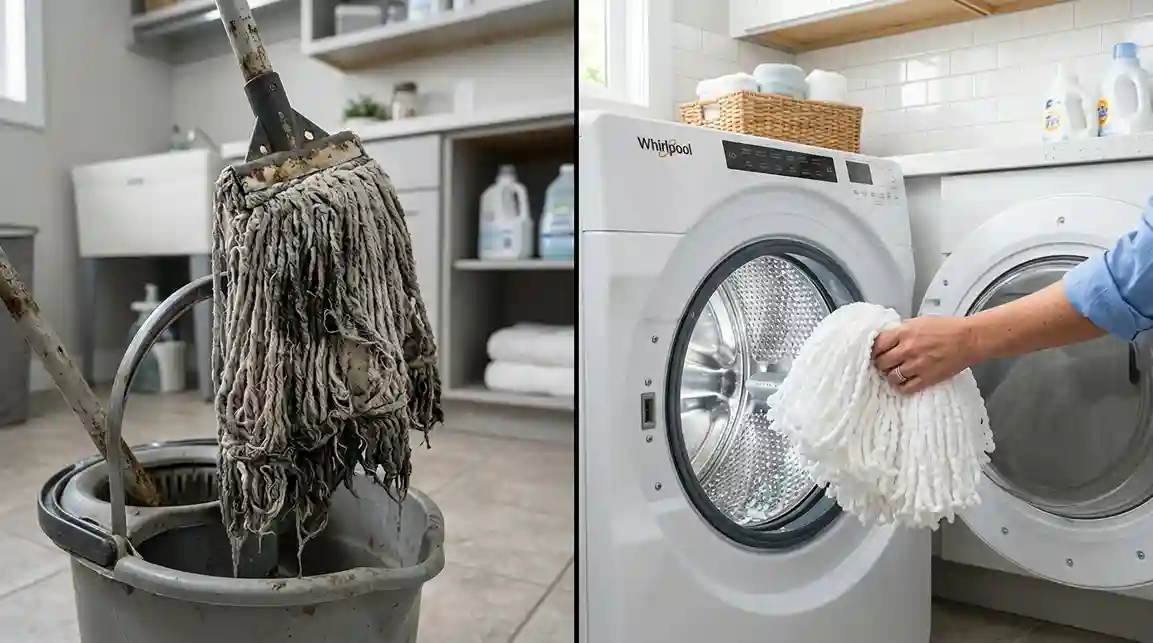
Keeping your mop clean is just as important as cleaning your floors. Dirty mop heads can spread germs, create bad smells, and leave streaks behind. But many people wonder: Can you put mop heads in the washing machine? The answer depends on the type of mop, the material, and how you wash it.
If you’ve ever stared at your filthy mop and felt unsure, this guide will help you safely and effectively wash mop heads in your washing machine, save time, and extend the life of your cleaning tools.
Why Clean Your Mop Heads Regularly?
Cleaning mop heads isn’t only about appearances. A dirty mop can carry bacteria, fungus, and even mold. According to the Centers for Disease Control and Prevention, cleaning tools like mops can harbor germs if not cleaned and dried properly. This means your mop could make your floors dirtier instead of cleaner. Fresh mop heads also last longer, so you save money by avoiding frequent replacements.
Which Mop Heads Are Machine Washable?
Not all mop heads are created equal. Some can go in the washing machine, while others need hand washing or special care. Here’s how to check:
- Cotton Mop Heads: Most cotton mop heads are machine washable. They can handle hot water and strong detergents.
- Microfiber Mop Heads: These are safe for machines but require gentle cycles and mild detergent.
- Sponge Mop Heads: Usually not machine washable. Water and agitation can break down the sponge.
- String Mop Heads: If made of cotton or synthetic fibers, these are often safe for machines.
- Looped-End Mop Heads: Designed for durability and can usually handle machine washing.
Always check the label or manufacturer’s instructions before washing. If you lost the tag, look online or on the brand’s website.
| Mop Type | Machine Washable? | Special Care Needed? |
|---|---|---|
| Cotton | Yes | Hot water OK |
| Microfiber | Yes | Gentle cycle, mild detergent |
| Sponge | No | Hand wash only |
| String (Synthetic) | Yes | Check label |
| Looped-End | Yes | Machine safe |
How To Prepare Mop Heads For Washing
Before tossing your mop head in the machine, take a few steps to protect both the mop and your washer:
- Remove debris: Shake out loose dirt, hair, or dust.
- Detach mop head: If possible, remove the mop head from the handle. This prevents damage and helps the machine clean all areas.
- Pre-rinse: Rinse the mop head in a sink or bucket to remove excess dirt and cleaning chemicals.
- Check for stains: If you see tough stains, soak the mop head in warm water with a little detergent for 30 minutes.
These steps help your washing machine focus on deep cleaning, not just surface dirt.
Washing Mop Heads In The Machine: Step-by-step
Washing mop heads in your machine is simple but requires attention to detail. Here’s how to do it right:
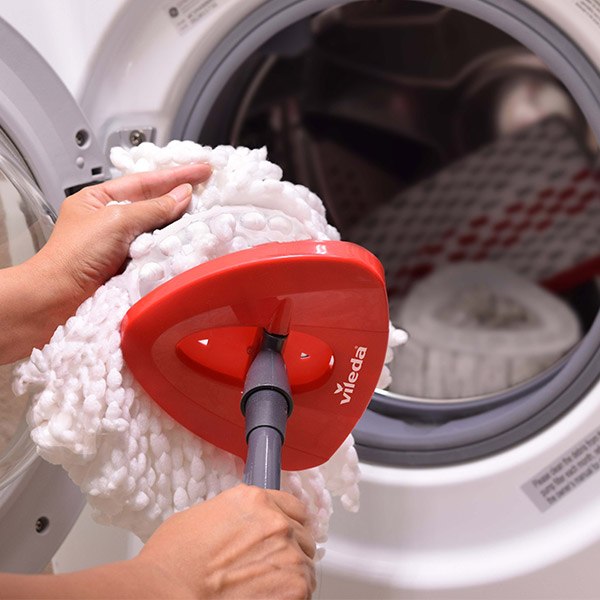
- Place mop head in a mesh laundry bag. This protects fibers from tangling and prevents damage.
- Choose the right cycle. Use a gentle or normal wash cycle for microfiber, a heavy-duty cycle for cotton or string mop heads.
- Select water temperature. Hot water kills germs but can shrink some mop heads. Microfiber prefers warm or cold water.
- Add mild detergent. Avoid bleach unless the manufacturer says it’s safe. Bleach can weaken fibers and fade colors.
- Skip fabric softener. It can coat mop fibers and reduce absorbency.
- Wash with similar items. If possible, add towels to balance the load. Don’t mix mop heads with clothes.
Example Washing Instructions For Different Mop Types
| Mop Type | Cycle | Water Temp | Detergent |
|---|---|---|---|
| Cotton | Heavy Duty | Hot | Regular |
| Microfiber | Gentle | Cold/Warm | Mild |
| String (Synthetic) | Normal | Warm | Regular |
Drying Mop Heads After Washing
Drying is almost as important as washing. Damp mop heads can grow mold and smell bad. Here’s how to dry them properly:
- Air dry: Hang mop heads in a well-ventilated area, preferably outside or near a window. Sunlight helps kill germs.
- Machine dry: If allowed, use a low heat setting. High heat can shrink or damage fibers.
- Don’t store damp: Never put a wet mop head back on the handle or in a closet. Wait until completely dry.
A surprising insight: Microfiber mop heads can lose their cleaning power if dried on high heat. Always check the label and use gentle drying methods.
Common Mistakes When Washing Mop Heads
Even experienced cleaners make mistakes. Here are errors to avoid:
- Using too much detergent: This leaves residue on fibers and affects cleaning performance.
- Washing with regular laundry: Mop heads can transfer dirt and bacteria to clothes.
- Skipping the rinse: Mop heads need a full rinse to remove all soap and chemicals.
- Ignoring drying instructions: Wet storage encourages bacteria and shortens mop life.
- Using bleach on microfiber: Bleach breaks down the fibers and reduces cleaning ability.
Many beginners forget that mop heads need different care than towels or clothes. Treating them like regular laundry can shorten their lifespan.

Credit: torerageorge.com
How Often Should You Wash Mop Heads?
The frequency depends on how often you use your mop and what you clean. For homes, washing after every few uses is enough. For commercial spaces or kitchens, wash after every use.
- Residential: Every 3–5 uses
- Commercial: After every use
- High-risk areas (bathroom, kitchen): After each cleaning
A study by the National Sanitation Foundation found that kitchen mops and sponges carry more bacteria than bathroom mops. This means you should wash kitchen mop heads more often.
Benefits Of Machine Washing Mop Heads
Washing mop heads in the machine offers real advantages:
- Saves time: Machine washing is faster than hand scrubbing.
- Kills germs: Hot water and detergent remove bacteria and viruses.
- Prolongs mop life: Regular cleaning prevents fiber breakdown and mold.
- Improves cleaning performance: Clean mop heads pick up dirt better and leave floors streak-free.
If you follow proper steps, your mop head will stay fresh and functional for longer.
When Not To Use The Washing Machine
Sometimes, machine washing is not the best option:
- Old mop heads: Fragile or damaged mop heads can break apart.
- Sponges or foam: Water and agitation will ruin them.
- Heavily soiled mop heads: If covered in oil, paint, or chemicals, hand wash or replace them.
If unsure, err on the side of caution. Machine washing is convenient, but not always safe for every mop.
Comparison: Hand Washing Vs. Machine Washing
Let’s compare the pros and cons of hand washing and machine washing:
| Method | Pros | Cons |
|---|---|---|
| Hand Washing | Gentle, good for delicate mops, can target stains | Takes more time, not as thorough for germs |
| Machine Washing | Fast, deep cleaning, kills germs | Can damage fragile mop heads, uses more water |
Credit: www.vileda.ca
Practical Tips For Washing Mop Heads
Here are tips most beginners miss:
- Use a mesh laundry bag: Protects mop fibers and prevents tangling.
- Wash alone: Don’t mix mop heads with regular laundry.
- Inspect for damage: Look for loose threads or holes before washing.
- Rotate mop heads: Keep spares so you always have a clean one ready.
- Store dry: Avoid storing mops in buckets or closed spaces.
These small steps can make a big difference in how well your mop cleans and how long it lasts.
Real-world Example: Commercial Cleaning
In commercial cleaning, mop heads are washed daily. Many large cleaning companies use industrial washing machines and follow strict guidelines. For example, a hospital may wash mop heads after every room to prevent cross-contamination. Using the right cycle and detergent ensures safety and cleanliness.
If you clean offices, restaurants, or clinics, create a routine for washing mop heads. This keeps floors safe and prevents spreading illness.
Eco-friendly Washing Practices
Caring for the environment is important. Here’s how to wash mop heads sustainably:
- Use eco-friendly detergent: Choose detergents without harsh chemicals.
- Wash with full loads: Save water and energy.
- Air dry when possible: Reduce electricity use.
- Choose reusable mop heads: Microfiber lasts longer and creates less waste.
Small changes make a big impact on your cleaning routine and the planet.
Frequently Asked Questions
Can I Wash Mop Heads With Clothes?
No, you should not wash mop heads with clothes. Mop heads carry dirt and bacteria that can transfer to clothing. Always wash mop heads separately or with other cleaning items.
Is It Safe To Use Bleach When Washing Mop Heads?
Bleach is safe for some mop heads, like cotton, but not for microfiber. Always check the label or manufacturer’s instructions. Bleach can weaken fibers and reduce cleaning power.
How Do I Remove Bad Smells From Mop Heads?
To remove bad smells, soak mop heads in a solution of water and vinegar for 30 minutes before washing. Vinegar helps kill odor-causing bacteria. Make sure to dry mop heads fully after washing.
What Is The Best Way To Dry Mop Heads?
The best way is to air dry mop heads in a sunny, ventilated spot. Sunlight kills germs, and air drying prevents shrinkage. If machine drying, use a low heat setting and check the label first.
Can I Wash Mop Heads In A Front-loading Washing Machine?
Yes, most mop heads can be washed in a front-loading washing machine. Use a mesh bag and select the right cycle. Make sure the mop head fits comfortably and doesn’t overload the machine.
Taking care of your mop head is simple and saves you money, time, and effort. With the right washing and drying routine, your floors stay cleaner, your mop lasts longer, and you avoid spreading germs around your home. For more detailed cleaning advice, check the CDC’s cleaning guidelines.
A clean mop head is the start of a clean home. Treat it well, and your cleaning tools will reward you with sparkling floors and fresh air every time.

Credit: www.reddit.com