Skip to content
Most kitchens today have a stand mixer. It makes baking easier, saves time, and mixes ingredients perfectly. But cleaning up after baking is not always simple. One big question many people ask: Can you put stand mixer bowl in dishwasher? The answer depends on the brand, the material, and a few other details. If you want to keep your mixer bowl in good shape for years, it’s important to understand how dishwasher cleaning affects it.
Understanding Stand Mixer Bowl Materials
Not all mixer bowls are the same. Some are made from stainless steel, others from glass or ceramic. Each material reacts differently to dishwasher cleaning.
| Material | Typical Brands | Dishwasher Safe? | Durability |
|---|---|---|---|
| Stainless Steel | KitchenAid, Cuisinart | Usually Yes | High |
| Glass | KitchenAid, Hamilton Beach | Sometimes | Medium |
| Ceramic | KitchenAid | Sometimes | Low to Medium |
| Plastic | Generic Brands | Rarely | Low |
Stainless steel bowls are the most common and are usually dishwasher safe. They resist rust and scratches and can handle hot water and strong detergents. Glass bowls can go in the dishwasher, but they may crack or become cloudy over time. Ceramic bowls often have painted designs or coatings that can wear away in the dishwasher. Plastic bowls may warp or become stained.
Why Dishwasher Safety Matters
Many people think the dishwasher is always safe for kitchen tools, but that’s not true. Dishwashers use hot water, strong detergents, and high-pressure sprays. This combination can damage some materials or cause discoloration. For mixer bowls, the risks include:
- Rust on metal bowls if they are not stainless steel
- Cracks in glass bowls from temperature changes
- Fading or chipping on ceramic bowls
- Warping or melting of plastic bowls
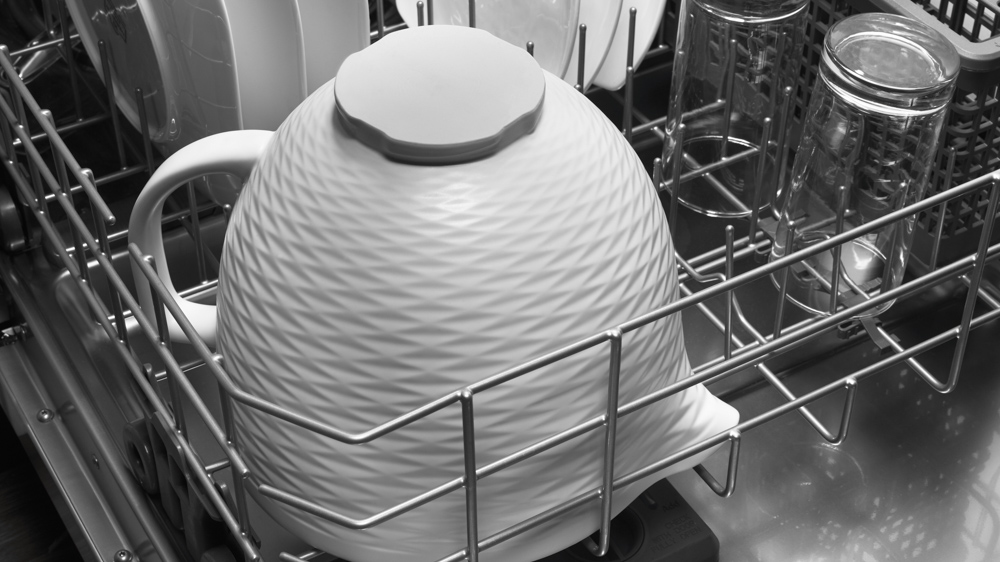
If your mixer bowl is expensive or part of a set, damaging it can be costly. Some brands may void the warranty if you use the dishwasher when they advise hand washing.
Credit: www.kitchenaid.ie
Checking Your Bowl’s Dishwasher Safety
Before putting your mixer bowl in the dishwasher, check for dishwasher safe symbols or words. Most bowls have a marking on the bottom or inside. If you don’t see any, check the user manual or the manufacturer’s website.
Here’s a quick comparison of how three popular brands label their bowls:
| Brand | Dishwasher Safe Label | Where to Find |
|---|---|---|
| KitchenAid | “Dishwasher Safe” | Bottom of bowl, manual |
| Cuisinart | “Top Rack Only” | Manual |
| Hamilton Beach | No label | Website, manual |
If you’re unsure, it’s safer to hand wash your bowl.
How Dishwashers Can Affect Mixer Bowls
Dishwashers clean with heat, water, and detergent. Over time, these can cause problems:
- Stainless steel bowls: If the steel is good quality, it resists rust and stains. But if the bowl has dents or scratches, water can reach the inner metal and cause rust spots.
- Glass bowls: Hot water can cause tiny cracks. Strong detergents may make glass look cloudy.
- Ceramic bowls: Many ceramic bowls have a coating or paint. Dishwashing can cause this to fade or chip.
- Plastic bowls: High heat can melt or warp them. Some detergents stain the plastic.
Manufacturers often test their bowls to see how they stand up to dishwashing. But home dishwashers vary in temperature and strength, so results can change.

Credit: www.kitchenaid.com
Tips For Washing Stand Mixer Bowls
If your bowl is marked dishwasher safe, you can usually put it in. But to extend its life, follow these tips:
- Place on the top rack: This avoids strong water jets and high heat.
- Avoid harsh detergents: Use mild soap if possible.
- Do not overload: Bowls need space so water reaches all parts.
- Dry thoroughly: Remove the bowl after washing and dry with a cloth to prevent water spots or rust.
- Inspect regularly: Look for scratches, chips, or fading.
If your bowl is not dishwasher safe, always wash it by hand. Use a soft sponge, warm water, and mild soap. Avoid metal scrubbers or strong chemicals.
Real-life Examples: What Users Experience
Many mixer owners share their stories online. Here are a few common experiences:
- Stainless steel bowl users often report no issues after years of dishwashing, but some notice water spots or dullness.
- Glass bowl owners sometimes see cracks or chips after repeated dishwasher use, especially with high heat cycles.
- Ceramic bowl users may see paint peeling after a few washes.
- Plastic bowl users report warping or strange smells.
One non-obvious insight: Even dishwasher safe bowls can look dull or lose shine after many washes. Hand washing keeps them looking newer longer.
Comparing Hand Washing Vs. Dishwasher Cleaning
Let’s look at the differences between hand washing and dishwasher cleaning for mixer bowls:
| Method | Pros | Cons |
|---|---|---|
| Dishwasher | Convenient, saves time, good cleaning | Possible damage, dullness, water spots |
| Hand Wash | Gentle, keeps bowl shiny, less risk | Takes more time, needs effort |
Experienced bakers often prefer hand washing, especially for special bowls or those with coatings.
What Happens If You Ignore Manufacturer Instructions?
Some people put their mixer bowl in the dishwasher even when the manual says not to. What can happen?
- Loss of warranty: If the bowl gets damaged, the manufacturer may not replace it.
- Damage to bowl: Cracks, chips, or rust can appear.
- Shorter lifespan: The bowl may not last as long.
One less-known tip: If your bowl is vintage or rare, always hand wash. Old materials may not handle modern dishwashers well.
Safe Practices For Washing Mixer Bowls
To keep your mixer bowl in good shape, follow these safe practices:
- Always check the manual before washing.
- If in doubt, hand wash with a soft sponge.
- Never use bleach or strong chemicals.
- Dry the bowl after washing to avoid water spots.
- If your bowl has a coating or paint, avoid dishwashing.
Stand Mixer Bowl Attachments: Can They Go In The Dishwasher?
Mixer bowls often come with attachments like whisks, dough hooks, and beaters. Most metal attachments are dishwasher safe, but some coated or painted attachments are not.
For example, KitchenAid’s classic wire whisk is safe in the dishwasher, but their white-coated beater should be hand washed. Always check the manual for each attachment.
One insight: Attachments may rust faster than bowls if put in the dishwasher repeatedly. Dry them right away.
Common Mistakes When Cleaning Mixer Bowls
Many people make mistakes when cleaning mixer bowls. Here are some to avoid:
- Ignoring instructions: Always check for dishwasher safety.
- Using metal scrubbers: These scratch the surface.
- Leaving bowl wet: This can cause rust or water spots.
- Stacking heavy items on bowl: Can cause dents or chips.
- Using hot water with glass bowls: May cause cracks.
If you avoid these mistakes, your bowl will last longer and perform better.
You can also read: How to Store Stand Mixer
Environmental Considerations
Dishwashers use water and electricity. If you wash your bowl by hand, you save resources, especially if you use minimal water. However, dishwashers are efficient if you run them full and use eco-friendly cycles.
If you want to reduce your carbon footprint, hand washing is better for one or two items. But for a full load, the dishwasher can be more efficient.

Credit: www.reddit.com
When To Replace Your Mixer Bowl
Over time, mixer bowls can wear out. Here are signs you should replace it:
- Cracks or chips (especially in glass or ceramic)
- Deep scratches or rust spots
- Coating peeling or faded paint
- Warping (for plastic bowls)
If your bowl has any of these problems, it’s safer to get a new one. A damaged bowl can affect mixing quality and may not be safe for food.
Manufacturer Recommendations
Most manufacturers give clear advice about cleaning. KitchenAid, for example, says their stainless steel bowls are dishwasher safe, but glass and ceramic bowls should be hand washed if possible. Cuisinart advises using the top rack only for their bowls. Hamilton Beach recommends checking the manual.
You can check official advice from KitchenAid at KitchenAid Stand Mixer Bowls.
Frequently Asked Questions
Can All Stand Mixer Bowls Go In The Dishwasher?
No, not all mixer bowls are dishwasher safe. Stainless steel bowls usually are, but glass, ceramic, and plastic bowls may not be. Always check the manual or the bowl’s markings.
Will Dishwasher Cleaning Damage My Mixer Bowl?
Dishwasher cleaning can cause problems like dullness, water spots, cracks, or chipping, depending on the material. If your bowl is not marked dishwasher safe, damage is likely.
How Can I Tell If My Bowl Is Dishwasher Safe?
Look for a dishwasher safe symbol or words on the bottom of the bowl or in the manual. If you don’t see anything, check the manufacturer’s website. When unsure, hand washing is safest.
Is It Better To Hand Wash Or Use The Dishwasher?
Hand washing is gentler and keeps your bowl looking new for longer. The dishwasher is faster and easier but may cause wear over time, especially for glass or ceramic bowls.
What Should I Do If My Bowl Gets Damaged In The Dishwasher?
Stop using the bowl if you see cracks, chips, or rust. Replace it with a new one. If your bowl is still under warranty and marked dishwasher safe, contact the manufacturer.
Cleaning your stand mixer bowl properly is important for baking success and kitchen safety. Whether you use the dishwasher or hand wash, always follow the manufacturer’s guidelines. Remember, a little extra care helps your bowl last longer and keeps your mixer running smoothly.