Skip to content
Dehydrators have become essential tools in kitchens worldwide. They help preserve fruits, vegetables, meats, and even herbs, allowing you to enjoy healthy snacks year-round. But one question often comes up, especially for those new to food dehydration: Can you stop and restart a dehydrator without ruining your food? Many worry that pausing the process could lead to spoiled results, wasted effort, or even food safety issues.
Let’s explore this topic in depth, clear up myths, and offer practical advice so you can make smart decisions with your dehydrator.
Understanding How Dehydrators Work
Dehydrators remove moisture from food by circulating warm, dry air. This slows down spoilage and bacteria growth. Most dehydrators operate at temperatures between 95°F to 160°F. The key is consistent airflow and heat, which dries food evenly.
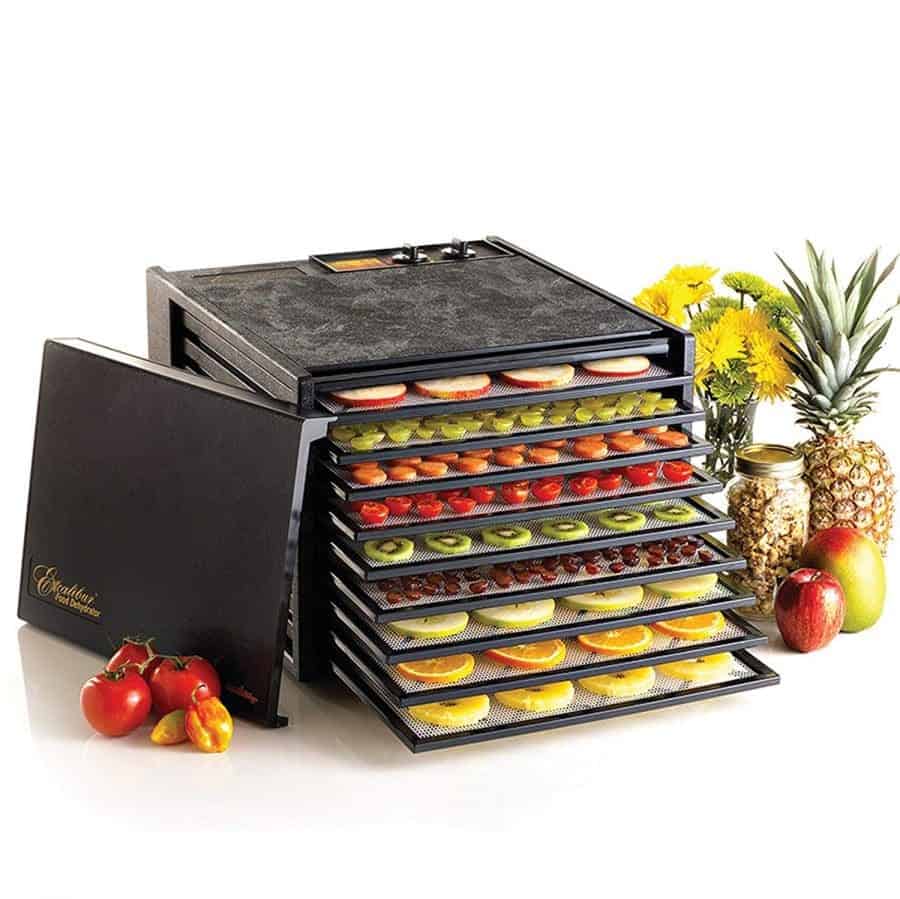
Modern dehydrators come in many styles—some with stackable trays, others with slide-out shelves. Most let you adjust temperature and timer settings. Understanding how dehydration happens can help you see why stopping and restarting might matter.
A dehydrator works best when air circulates freely around the food. If pieces overlap or are crowded, drying becomes uneven. That’s why many dehydrators have trays or shelves, so each piece gets equal exposure to warm air. Some models also offer fan speed controls, which can help you adjust for thicker or thinner foods.
If you’ve ever dried fruit or meat in the oven, you know it’s hard to control temperature and airflow. Dehydrators solve this by offering better control and efficiency. Still, the dehydration process depends on steady heat. When you pause, food cools down, and moisture might return to the surface, changing the drying dynamics.
| Dehydrator Type | Temperature Range | Common Uses |
|---|---|---|
| Stackable Tray | 95°F – 160°F | Fruits, Veggies, Herbs |
| Box & Shelf | 100°F – 160°F | Jerky, Fruit Leather |
| Mini Countertop | 95°F – 145°F | Small Batches |
Is It Safe To Stop And Restart A Dehydrator?
Many people worry that pausing dehydration can lead to unsafe food. The truth is, it depends on:
- How long you pause
- The type of food
- Storage conditions during the pause
If you stop a dehydrator for a short period (1-2 hours), most foods will be fine. Longer breaks, especially overnight, can allow bacteria or mold to grow, especially if the food is moist and sits at room temperature.
For example, dehydrating apples and pausing for an hour may not be a problem. But pausing halfway through making beef jerky is riskier, because meat is more prone to spoilage.
It’s important to remember that dehydration is not cooking. It doesn’t kill all bacteria or pathogens. Instead, it reduces moisture so bacteria can’t grow easily. When you pause, moisture left in the food may provide a good environment for bacteria to multiply, especially if your kitchen is warm or humid.
If you’re dehydrating dairy products, like yogurt or cheese, the risk is even higher. These foods can spoil quickly if left at room temperature. For these, don’t pause unless you can refrigerate the trays immediately. Always err on the side of caution with animal products.
Practical Scenarios: When Stopping Is Acceptable
Sometimes, you must pause the dehydrator—maybe you need to sleep, leave the house, or there’s a power outage. Here’s when it’s usually safe:
- Short Pauses (Up to 2 Hours): Most fruits, vegetables, and herbs can handle brief pauses. Just cover the trays to keep dust or pests out.
- Overnight Pauses: If you must stop overnight, refrigerate the trays to prevent bacteria growth. Resume dehydration as soon as possible.
- Power Outages: If the power returns within a few hours, restart as soon as possible. If outage is longer, check food carefully before continuing.
A practical tip: If your dehydrator doesn’t have a cover, wrap the trays in plastic wrap or place them inside a clean bag during the pause. This keeps moisture, insects, and airborne particles away from your food.
Example: Dehydrating Tomatoes
Suppose you’re drying tomatoes, and you need to stop after 6 hours. If you pause for 1-2 hours, cover the trays and restart. For longer breaks, refrigerate the tomatoes, then resume dehydration the next morning.
If your tomatoes have started to shrink and feel leathery but are still moist inside, refrigeration is especially important. If left at room temperature for several hours, the surface can become sticky and attract dust or insects. When you resume, check for any signs of spoilage—such as an off smell or visible mold—before continuing.
What Happens To Food Quality?
Stopping and restarting can affect texture and flavor, especially if food is left moist for too long.
- Fruits: May become sticky or lose their chewy texture.
- Vegetables: Can turn soft or develop off flavors.
- Meats: Risk of spoilage is highest; jerky can become unsafe if paused for too long.
Some foods, like herbs, are more forgiving. Others, like meat, require strict handling.
Let’s look at a detail beginners often miss: When you pause dehydration, moisture can migrate from inside the food to the surface. This can create a sticky layer, making fruit slices harder to finish drying evenly. For vegetables, pausing can cause some pieces to absorb moisture from the air, leading to uneven drying when you restart.
If you’re making jerky, even a short pause can allow bacteria to grow, especially if your kitchen is warm. Once bacteria multiply, they can survive further dehydration. That’s why it’s better to avoid pausing with meat products unless absolutely necessary.
| Food Type | Safe Pause Duration | Potential Issues |
|---|---|---|
| Fruits | 1-2 hours | Sticky, loss of flavor |
| Vegetables | 1-2 hours | Soft, uneven drying |
| Meat/Jerky | Less than 1 hour | Bacterial growth, unsafe |
| Herbs | Up to 4 hours | Mild quality loss |
Steps For Safely Pausing And Restarting A Dehydrator
If you need to pause your dehydrator, follow these steps to reduce risks:
- Turn Off and Cover: Shut off the dehydrator and cover trays with clean towels or plastic wrap.
- Check Moisture: If food feels moist, refrigerate trays, especially for meat or dairy.
- Resume Quickly: Restart dehydration as soon as possible. Don’t leave food sitting for many hours.
- Monitor Final Product: After restarting, check texture and smell. If food seems odd, discard it.
If you’re drying multiple types of food together (like apples and bananas), consider separating trays before pausing. Some foods, like bananas, release more moisture and can affect nearby trays. It’s a small step, but it improves quality and reduces risk.
Common Mistakes To Avoid
- Leaving moist food at room temperature for too long.
- Restarting dehydration after days—not recommended.
- Pausing with meat jerky without refrigeration.
Another mistake is forgetting to check the trays for condensation after pausing. Moisture on the tray surface can make drying uneven or lead to spoilage. Wipe trays dry if needed before restarting.
Impact On Dehydrator Performance
Stopping and restarting does not harm the machine itself. Dehydrators are designed to handle on/off cycles. However, food left inside for too long can cause odors or residue buildup.
Some advanced dehydrators have pause functions or programmable timers. These help manage pauses, but always check food safety first.
In rare cases, stopping and restarting can cause a dehydrator’s heating element to cycle more frequently, but this does not shorten its lifespan. Just be sure to clean trays and parts regularly, especially if food sticks or drips during a pause.
Tips For Managing Dehydration Time
If you expect to pause, plan ahead:
- Dehydrate foods with shorter drying times when you’re busy.
- Use timers or auto shut-off features.
- If you must pause, keep trays in the fridge—not on the counter.
A non-obvious tip: For foods like apple chips, you can slow dehydration by lowering the temperature before pausing, reducing the risk of spoilage.
Another smart approach is to start dehydration early in the day, so you finish before bedtime. For large batches, split them into smaller loads if you know you’ll need to pause.
If you’re working with herbs or leafy greens, pausing is less risky. These dry quickly and don’t spoil as easily. For dense vegetables or fruit leathers, avoid pausing unless necessary.
Real-life Data: How Long Foods Take To Dry
Knowing drying times helps avoid unnecessary pauses. Here are common foods and their average dehydration times:
| Food | Average Drying Time | Recommended Temperature |
|---|---|---|
| Apples (slices) | 6-10 hours | 135°F |
| Bananas (slices) | 8-12 hours | 135°F |
| Beef Jerky | 8-12 hours | 160°F |
| Tomatoes | 6-10 hours | 135°F |
| Herbs | 2-4 hours | 95°F |
Keep in mind, humidity and thickness affect drying times. Thin apple slices dry faster than thick wedges. In humid climates, drying can take longer, making pauses riskier. Beginners often forget to adjust for these factors—always check food before stopping.

Credit: www.youtube.com
Food Safety: What You Must Know
Food safety is critical, especially when pausing dehydration. Bacteria grow fastest between 40°F and 140°F. If moist food sits in this range, it can spoil quickly.
Always refrigerate trays if you pause for more than 2 hours. For meats, don’t risk it—pause only if absolutely necessary and refrigerate immediately.
For more details on food safety and dehydration, see USDA Food Safety Guidelines.
If you’re unsure, it’s better to finish drying than take a chance. Spoiled food can cause illness, especially with animal products. If you see mold, smell sour odors, or notice slimy surfaces, discard the batch.
Restarting: How To Resume Dehydration Successfully
When you restart, set the dehydrator to the correct temperature. Check food for signs of spoilage:
- Odd smells
- Slimy texture
- Mold spots
If you notice these, discard the food. Otherwise, continue dehydrating until fully dry.
Restarting after a pause may extend total drying time, so check the final product carefully.
If you paused overnight and refrigerated the trays, let food come to room temperature before restarting. This prevents condensation and uneven drying.
Another tip: If you’re drying sticky fruit, pat surfaces dry before restarting. This helps avoid clumping and uneven results.
Credit: www.jerkyholic.com
Advanced Tips: Getting The Best Results
- Rotate trays after restarting for even drying.
- If food sweats during the pause, pat dry before resuming.
- For fruit leathers, use parchment paper to prevent sticking after a pause.
- Keep a log of drying times and pause durations for future reference.
A non-obvious insight: For foods with high sugar content (like pineapple), pausing can cause surface stickiness. Wipe trays before restarting to avoid attracting ants or pests.
If you often pause, consider getting a dehydrator with a programmable timer or pause feature. This lets you schedule breaks more safely and helps you keep track of drying progress.
Frequently Asked Questions
Can I Pause My Dehydrator Overnight?
You can, but only if you refrigerate the trays during the pause. Leaving moist food at room temperature overnight increases the risk of spoilage and bacteria growth.
Does Pausing Affect The Taste Or Texture Of Dried Foods?
Yes, it can. Foods may become sticky or lose crispness if paused for too long. Meats are most affected, while herbs are more forgiving.
Is It Safe To Pause When Making Beef Jerky?
It’s risky. Meat is highly prone to bacteria growth. If you must pause, refrigerate immediately and restart as soon as possible.
Will Stopping And Restarting Harm My Dehydrator?
No, dehydrators are built for on/off cycles. Stopping and restarting does not damage the machine. Just clean trays after use to avoid residue buildup.
What If I Have A Power Outage During Dehydration?
If power returns within a few hours, resume dehydration quickly. For longer outages, refrigerate trays and check food carefully before restarting.
Final Thoughts
Stopping and restarting a dehydrator is sometimes unavoidable. For most fruits, vegetables, and herbs, short pauses won’t cause harm if you follow safe practices. However, meats and dairy need extra care—refrigerate during any long pauses. Always check your food’s texture, smell, and appearance before resuming.
With smart planning and careful handling, you can enjoy dried foods without worry, even if you need to pause the process.
If you want to get the best results, always keep track of your pause times and check each batch carefully. With a little practice, you’ll know exactly when it’s safe to stop and restart—and your dehydrator will remain a reliable tool for healthy, homemade snacks.