Skip to content
Can You Throw A Microwave In The Trash?
Most people use a microwave almost every day. It heats food fast, saves time, and makes life easier. But what happens when your microwave stops working? Many people wonder: Can you throw a microwave in the trash? The answer is not as simple as it seems. Throwing a microwave away the wrong way can harm the environment, break local laws, and even create safety risks. Before you push your old microwave to the curb, it’s important to know the right steps to get rid of it.
Why You Can’t Just Throw A Microwave In The Trash
You might think a microwave is just another small appliance. However, microwaves are classified as electronic waste (often called e-waste). Unlike regular trash, e-waste contains parts that can be dangerous if not handled properly. For example, inside a microwave, there are:
- Heavy metals such as lead, which can pollute soil and water.
- Capacitors that may hold an electric charge and cause injury.
- Plastic and metal that do not break down easily in landfills.
In many places, it is illegal to put microwaves in regular trash bins. Local governments set these rules to protect people and the planet. Even if you don’t see a sign or warning, you could face a fine for improper disposal. The rules exist because microwaves are built with hazardous materials that need special handling.
What Happens If You Throw A Microwave In The Trash?
It can be tempting to toss a broken microwave into the dumpster, but the consequences are bigger than you might think.
Environmental Impact
Microwaves sent to landfills can leak dangerous chemicals into the ground. These chemicals may reach water sources and harm wildlife. Over time, the problem grows as more electronic devices end up in landfills.
Legal Risks
Many cities and states in the US have laws that ban e-waste from regular trash. For example, California has strict rules against tossing electronics, and fines can reach up to $1,000 for each violation. Even in states with fewer rules, local waste companies may refuse to pick up your trash if they see a microwave inside.
Community Health
Burning or breaking up microwaves releases toxic fumes. These fumes are not only bad for the environment but also for people living nearby. Children, seniors, and pets are especially at risk.
How To Dispose Of A Microwave Safely
Disposing of a microwave the right way is not hard, but it does require a little effort. Here are the best options:
1. E-waste Recycling Centers
Most cities have special centers for e-waste. These places are set up to collect and safely recycle microwaves and other electronics.
2. Retailer Take-back Programs
Some stores, like Best Buy or Home Depot, offer recycling programs. You can drop off your old microwave when buying a new one.
3. Community Collection Events
Many towns hold “e-waste days” where you can drop off electronics for free.
4. Scrap Yards
Local scrap yards sometimes accept microwaves for their metal parts. They know how to remove and recycle the valuable materials.
5. Manufacturer Programs
Check if the company that made your microwave has a mail-back or recycling service.
Comparison Of Common Disposal Methods
To help you choose, here’s how different disposal options compare:
| Disposal Method | Cost | Convenience | Environmental Impact |
|---|---|---|---|
| E-Waste Center | Usually Free | Medium | Best |
| Retailer Take-Back | Free/Small Fee | High | Good |
| Community Event | Free | Low (Only Certain Days) | Very Good |
| Scrap Yard | May Earn Money | Medium | Good |
| Regular Trash | Free | High | Very Bad |
What To Do Before You Dispose Of Your Microwave
Before you take your microwave to a recycling center or collection event, follow these simple steps:
- Unplug the microwave and let it cool down.
- Clean the inside and outside to remove food or dirt.
- Remove any glass trays or accessories. These can often be recycled with glass.
- Check for user manuals or stickers that may have recycling information.
By preparing your microwave, you help recycling centers work faster and more safely.
:max_bytes(150000):strip_icc()/SPR-how-to-dispose-of-a-microwave-7556576-ab072b6ec3f64b8fa14237b0b29e6349.jpg)
Credit: www.thespruce.com
Can You Donate Or Sell An Old Microwave?
If your microwave still works, you might not need to throw it away. Many people, students, or families in need would appreciate a used microwave. Here are some ideas:
- Local charities sometimes accept working appliances.
- Online marketplaces like Craigslist or Facebook Marketplace are good places to sell or give away used microwaves.
- Repair shops may want old microwaves for spare parts.
When Not To Donate
Never donate a microwave that is broken, smells burnt, or has exposed wires. It could be unsafe for the next person.
What Parts Of A Microwave Can Be Recycled?
Microwaves are made of several materials that can be reused. Here’s a look at common parts and their recycling options:
| Microwave Part | Material | Recyclable? |
|---|---|---|
| Outer Casing | Metal/Plastic | Yes |
| Glass Tray | Glass | Yes |
| Circuit Board | Electronics | Yes (Special) |
| Magnetron | Metal/Ceramic | No (Hazardous) |
| Transformer | Metal | Yes |
| Power Cord | Copper/Plastic | Yes |
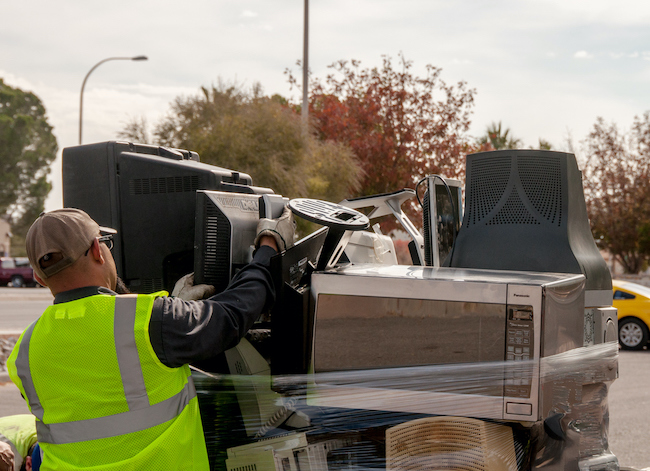
Non-obvious insight: Many recycling centers remove the magnetron and other hazardous parts before processing. That’s why you should not try to take apart a microwave yourself—some parts inside can still hold a charge and cause injury.
Credit: www.bobvila.com
How To Find Microwave Disposal Options In Your Area
It’s not always clear where to take old electronics. Here’s how you can find out:
- Check your city’s waste management website. Look for “e-waste” or “electronics recycling.”
- Call your local recycling center and ask if they accept microwaves.
- Visit big-box stores (like Best Buy) and ask about their take-back programs.
- Look up events in community newsletters or city calendars.
Many local governments offer a search tool online. For example, the US Environmental Protection Agency lists e-waste recycling locations across the country. For more details, you can visit their site: US EPA – Electronics Donation and Recycling.
Tip: Some recycling centers charge a small fee for microwaves, while others accept them for free. Always ask before you go.
What Happens To A Microwave After Recycling?
When you recycle a microwave, it goes through several steps:
- Collection: The microwave is brought to a recycling facility.
- Sorting: Workers separate microwaves from other electronics.
- Disassembly: Trained staff safely remove dangerous parts like the magnetron and capacitors.
- Shredding: The microwave is broken down into small pieces.
- Material Recovery: Metals, plastics, and glass are sorted and sent to factories for reuse.
Example: Material Recovery From A Microwave
| Material | Average Amount per Microwave | End Use |
|---|---|---|
| Steel | ~10 lbs | New appliances, cars |
| Copper | ~1 lb | Wiring, electronics |
| Plastic | ~2 lbs | Packaging, auto parts |
| Glass | ~1.5 lbs | Bottles, fiberglass |
Non-obvious insight: Recycling one microwave saves enough energy to power a laptop for about 20 hours. When multiplied by millions of microwaves recycled each year, the energy and resource savings add up quickly.
Credit: www.dumpsters.com
Common Mistakes When Getting Rid Of A Microwave
Even people who mean well can make mistakes. Here are a few common errors to avoid:
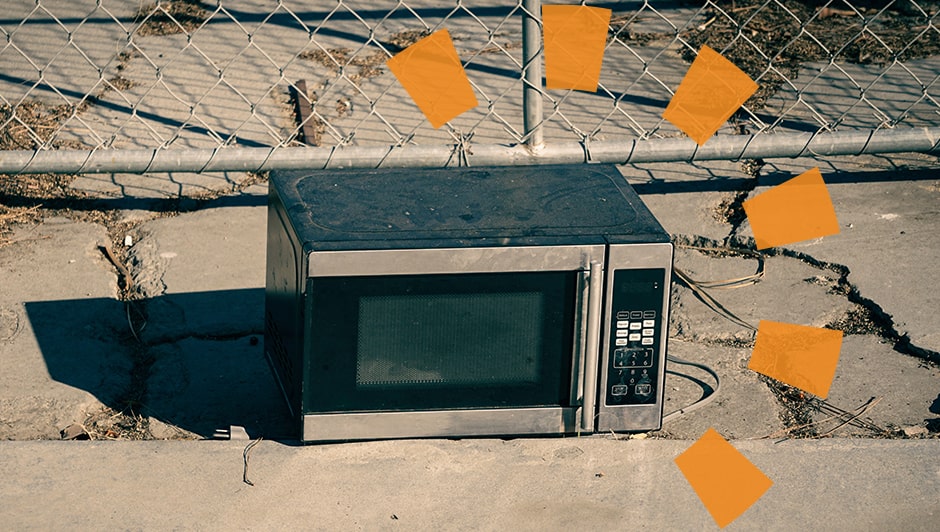
- Leaving the microwave at the curb. Most trash collectors will not pick it up, and you could be fined.
- Trying to take apart the microwave yourself. This is risky and can lead to electric shock.
- Mixing microwaves with regular metal recycling. Many curbside recycling programs do not accept electronics.
- Ignoring local disposal rules. Every area is different, so always check before you act.
You can also read: How to Fix Microwave Not Heating
Why Safe Microwave Disposal Matters
Proper disposal is not just about following rules. It protects the environment, keeps your community safe, and saves valuable materials for future use. The next time you need to get rid of a microwave, remember that your choice makes a real difference.
Frequently Asked Questions
Can I Put A Microwave In My Regular Trash Bin?
No, in most places you cannot. Microwaves are considered e-waste and must be handled at special recycling centers or collection events. Putting them in the regular trash can lead to fines and environmental harm.
Are There Any Parts Of A Microwave That Can Go In Normal Recycling?
Only the glass tray may be accepted in your glass recycling bin, if it is clean and unbroken. The rest of the microwave should go to an e-waste facility.
Is It Safe To Take Apart A Microwave Before Recycling?
No. Microwaves have parts that can still hold an electric charge, even after being unplugged. Taking one apart without training is dangerous.
Can I Donate A Used Microwave?
Yes, if your microwave still works and is clean, you can donate it to local charities or sell it online. Never donate a broken or damaged microwave.
What Should I Do If My City Does Not Offer Microwave Recycling?
Check nearby towns or counties for e-waste events, ask local appliance stores about take-back programs, or search the US EPA’s recycling locator for more options.
Disposing of a microwave takes a little extra work, but it’s worth it for your safety and the health of your community. With these steps, you can be sure you’re doing the right thing.