Skip to content
Can You Use A Stand Mixer For Meat
If you love cooking and want to save time in the kitchen, you might wonder: can you use a stand mixer for meat? Many home cooks own a stand mixer for baking, but few realize its potential with meat preparation.
In this article, you’ll learn exactly what a stand mixer can (and cannot) do with meat, how to use it safely, and when other tools are a better choice. If you’re looking to get more value from your stand mixer, or just want to make meal prep easier, this guide will help you decide if this kitchen tool is right for your meat-related tasks.
What A Stand Mixer Can Do With Meat
A stand mixer is a powerful kitchen tool with a rotating mechanism and multiple attachments. While most people use it for doughs and batters, it can also handle several meat-related tasks if you know how to use it correctly.
Mixing Ground Meat
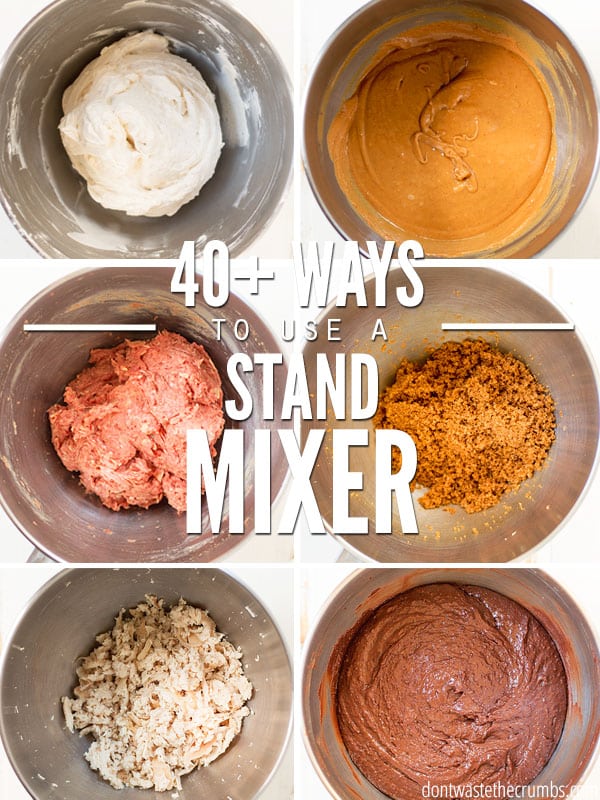
One of the most popular uses is mixing ground meat for recipes like meatloaf, sausages, or meatballs. The paddle attachment gently combines ground meat with seasonings, breadcrumbs, and eggs, giving a more uniform texture compared to hand mixing. This method is especially useful when making large batches, as it reduces contact with raw meat and saves time.
Shredding Cooked Meat
A stand mixer can also shred cooked meat—such as chicken, pork, or beef—quickly and evenly. With the paddle attachment, you can shred several pounds of meat in less than a minute. This is a game-changer for dishes like pulled pork sandwiches, chicken tacos, or enchiladas, where shredded meat is essential.
Making Sausage Mixtures
Some stand mixers come with meat grinder and sausage stuffer attachments. These allow you to grind raw meat and mix in spices directly in the bowl. This setup is helpful for making homemade sausages, burgers, or meat patties, as you have full control over the ingredients and texture.
Limitations: What A Stand Mixer Cannot Do
While a stand mixer is versatile, it has clear limits when it comes to meat.
- Cannot Slice or Dice Meat: Stand mixers do not cut meat into slices or cubes. You still need a knife or a food processor for this.
- Not for Tough Cuts: Stand mixers cannot tenderize tough cuts of meat. A meat mallet or slow cooker is better for breaking down fibers.
- Grinder Attachment Needed: You cannot grind raw meat unless your mixer has a special grinder attachment. The paddle alone will not break down raw meat chunks.
- Small Bone Handling: Do not use a stand mixer to process meat with bones—this could damage the mixer and is unsafe.
Understanding these limits helps you avoid damaging your mixer or wasting ingredients.

Credit: www.kitchenaid.com
Comparison: Stand Mixer Vs Other Meat Tools
To help you decide when to use a stand mixer, here’s a simple comparison with common kitchen tools.
| Task | Stand Mixer | Food Processor | By Hand |
|---|---|---|---|
| Mixing ground meat | Excellent (with paddle) | Good (but can overmix) | Good (labor-intensive) |
| Shredding cooked meat | Excellent | OK (can become mushy) | Slower (forks needed) |
| Grinding raw meat | Needs special attachment | Excellent | Poor (not practical) |
| Slicing/dicing meat | Not possible | Excellent (with right blade) | Good (with knife) |
This table shows that a stand mixer shines for mixing and shredding, but it’s not a replacement for all meat preparation tools.
How To Use A Stand Mixer For Meat
If you want to try using your stand mixer for meat, follow these steps for the best results.
Mixing Ground Meat Mixtures
- Chill Your Ingredients: Start with cold meat and cold mixing bowl. This keeps the fat from melting and helps maintain texture.
- Cut Meat Into Small Pieces: If using raw meat, make sure it’s pre-ground or cut into small pieces for even mixing.
- Add Ingredients: Place ground meat, spices, breadcrumbs, eggs, and other mix-ins into the bowl.
- Attach the Paddle: Use the paddle attachment, not the whisk or dough hook.
- Mix on Low Speed: Run the mixer at low speed for 30 seconds to 1 minute. Stop as soon as the ingredients are combined—overmixing can make the meat tough.
- Check Texture: The mixture should look sticky and uniform, not mushy.
Shredding Cooked Meat
- Cook and Cool Meat Slightly: Chicken breasts, pork shoulder, or beef roasts work best.
- Cut Large Pieces: If meat is in large chunks, cut into smaller portions.
- Use Paddle Attachment: Place the cooked meat in the bowl and attach the paddle.
- Mix on Low Speed: Run the mixer on the lowest speed for 20-30 seconds. Watch closely; shredding happens fast.
- Stop and Check: Avoid overmixing, which can make the meat too fine.
Using A Grinder Attachment
- Chill All Parts: Put the grinder attachment and meat in the freezer for 15-20 minutes before grinding. This keeps the fat solid.
- Assemble Grinder: Attach the grinder to the mixer according to the manufacturer’s instructions.
- Feed Meat Slowly: Cut meat into strips and feed through the grinder on medium speed.
- Collect Ground Meat: Use a chilled bowl to collect the ground meat.

Credit: www.kitchenaid.com
Safety Tips When Using A Stand Mixer For Meat
Food safety is critical when working with raw or cooked meat. Here are essential tips:
- Keep Everything Cold: Warm meat can become sticky and unsafe. Always chill bowls, attachments, and meat before mixing or grinding.
- Clean Thoroughly: Wash all parts with hot, soapy water after use. Sanitizing prevents cross-contamination and bacteria growth.
- Avoid Overfilling: Do not overload the mixing bowl; it can strain the motor and lead to uneven mixing.
- Check for Attachments: Only use attachments designed for meat. Never improvise with plastic or dough hooks for grinding.
Many beginners forget to chill their equipment and ingredients, leading to poor results. Another common mistake is overmixing, which can make burgers or meatballs tough and dry. Be gentle with the mixer and stop as soon as you reach the right texture.
Real-life Examples Of Stand Mixer Meat Tasks
Let’s look at some practical situations where a stand mixer helps with meat preparation.
- Shredding Chicken for Tacos: After boiling or slow-cooking chicken breasts, let them cool slightly. Place them in your mixer with the paddle and run on low for 20 seconds. You’ll get evenly shredded chicken, ready for tacos or salads.
- Mixing Meatloaf: Instead of hand mixing, combine ground beef, seasonings, breadcrumbs, and eggs in your mixer. Use the paddle and mix briefly to avoid making the mixture tough.
- Making Homemade Sausages: With a grinder and sausage stuffer attachment, you can grind pork shoulder, mix in your favorite spices, and stuff the mixture into casings. This gives you full control over the flavor and fat content.
Many professional chefs use stand mixers for these tasks, especially when preparing meals for large groups.
Stand Mixer Models And Meat Attachments
Not all stand mixers are created equal. Some are better for meat tasks than others. Here’s a comparison of popular models and their meat-related features.
| Brand/Model | Meat Grinder Attachment | Sausage Stuffer | Power (Watts) |
|---|---|---|---|
| KitchenAid Artisan | Available (sold separately) | Yes | 325 |
| Bosch Universal Plus | Available (sold separately) | Yes | 800 |
| Cuisinart SM-50 | Available (sold separately) | No | 500 |
| Kenwood Chef | Available (sold separately) | Yes | 750 |
As you can see, most major brands offer attachments for grinding and sausage making, but you must buy them separately. Power matters too—a higher wattage mixer handles tougher jobs more easily.
Benefits And Drawbacks Of Using A Stand Mixer For Meat
Like any kitchen tool, using a stand mixer for meat has pros and cons.
Benefits
- Time Saving: Quickly mixes or shreds large batches, making meal prep faster.
- Even Mixing: Provides consistent results, especially with ground meats.
- Hands-Free: Reduces direct contact with raw meat, making cleanup easier.
- Versatility: With attachments, the mixer can grind, mix, and stuff sausages.
Drawbacks
- Attachment Cost: Grinder and sausage attachments are often sold separately and can be expensive.
- Size Limit: Stand mixers have limited bowl capacity, so very large batches may require multiple rounds.
- Cleaning Effort: Meat, especially raw, requires thorough cleaning of every part to prevent contamination.
- Not for All Tasks: Cannot slice, dice, or tenderize meat.
A non-obvious insight is that overmixing is a hidden problem. Many home cooks think more mixing means better texture, but this makes meat mixtures rubbery. Another point: always read your mixer’s manual. Some models have speed or weight limits for attachments—exceeding these can burn out the motor.
Credit: dontwastethecrumbs.com
When Not To Use A Stand Mixer For Meat
There are times when a stand mixer is not the right choice:
- Small Amounts: For one or two servings, it’s faster to mix or shred by hand.
- Tough Cuts: If you need to tenderize or break down connective tissue, slow cooking or a meat mallet works better.
- Precision Tasks: Slicing carpaccio or dicing for stir fry should be done with a sharp knife.
- No Attachment: If you don’t have the grinder or stuffer attachments, do not try to force the mixer to grind meat.
Cleaning And Maintenance Tips
Proper cleaning is essential for safety and performance.
- Disassemble Attachments: Remove all parts after each use.
- Soak and Scrub: Use hot, soapy water and a brush to remove meat residue from all surfaces.
- Dry Completely: Air dry or towel dry to prevent rust, especially with metal parts.
- Sanitize: Occasionally run attachments through the dishwasher (if safe) or use a sanitizing solution.
Regular maintenance keeps your mixer running smoothly and extends its life.
Frequently Asked Questions
Can I Grind Raw Meat With A Stand Mixer?
Yes, but only with a meat grinder attachment designed for your mixer. Do not attempt to grind meat with the paddle or dough hook. Chill all parts and the meat before starting for the best results.
What Attachment Do I Use To Shred Cooked Meat?
Use the paddle attachment. Place slightly cooled, cooked meat in the bowl and run the mixer on low speed. Avoid using the whisk or dough hook, as these are not effective for shredding.
Is It Safe To Mix Raw Meat In My Stand Mixer?
It is safe if you clean everything thoroughly after use. Use hot, soapy water or a dishwasher. Always sanitize all parts that touched raw meat to prevent cross-contamination.
Can I Make Sausage With A Stand Mixer?
Yes, if your mixer has a sausage stuffer attachment. You will also need the grinder attachment to process the meat. Follow the manufacturer’s instructions and keep everything cold for food safety.
Are Stand Mixer Grinder Attachments As Good As A Dedicated Meat Grinder?
Stand mixer attachments work well for small batches and home use. However, a dedicated meat grinder is usually faster and handles large amounts better. For most home cooks, the stand mixer option is enough.
For more details on safe meat preparation and equipment, you can also check the guidelines from the USDA Food Safety and Inspection Service.
Getting the most out of your stand mixer means understanding its strengths and limits with meat. Used wisely, it can save you time and effort—just make sure to use the right attachments and keep everything clean. If you want to expand your cooking skills, your stand mixer can be a powerful ally in the kitchen.