Skip to content
Can You Vacuum Seal Cooked Pasta
Many people love making pasta in large batches, but storing leftovers can be a problem. Cooked pasta often gets sticky, mushy, or spoils quickly in the fridge. This leads to a common question: Can you vacuum seal cooked pasta? The answer isn’t just yes or no—it depends on your goals, the pasta type, and how you prepare it.
This article gives you a full guide on vacuum sealing cooked pasta, with practical steps, clear tips, and honest advice for best results.
Why Vacuum Seal Cooked Pasta?
Vacuum sealing is more than just removing air from a bag. It’s a proven way to keep food fresh, save space, and cut down on waste. When you vacuum seal cooked pasta, you protect it from air, bacteria, and moisture.
This can help your pasta last much longer and taste better when you reheat it.
Here are some key benefits:
- Longer shelf life: Vacuum-sealed pasta can last 5-7 days in the fridge, and up to 1-2 years in the freezer.
- Prevents freezer burn: With no air, ice crystals won’t form on your pasta.
- Saves space: Vacuum bags are compact—great for small fridges or freezers.
- Portion control: Seal in single servings for quick meals.
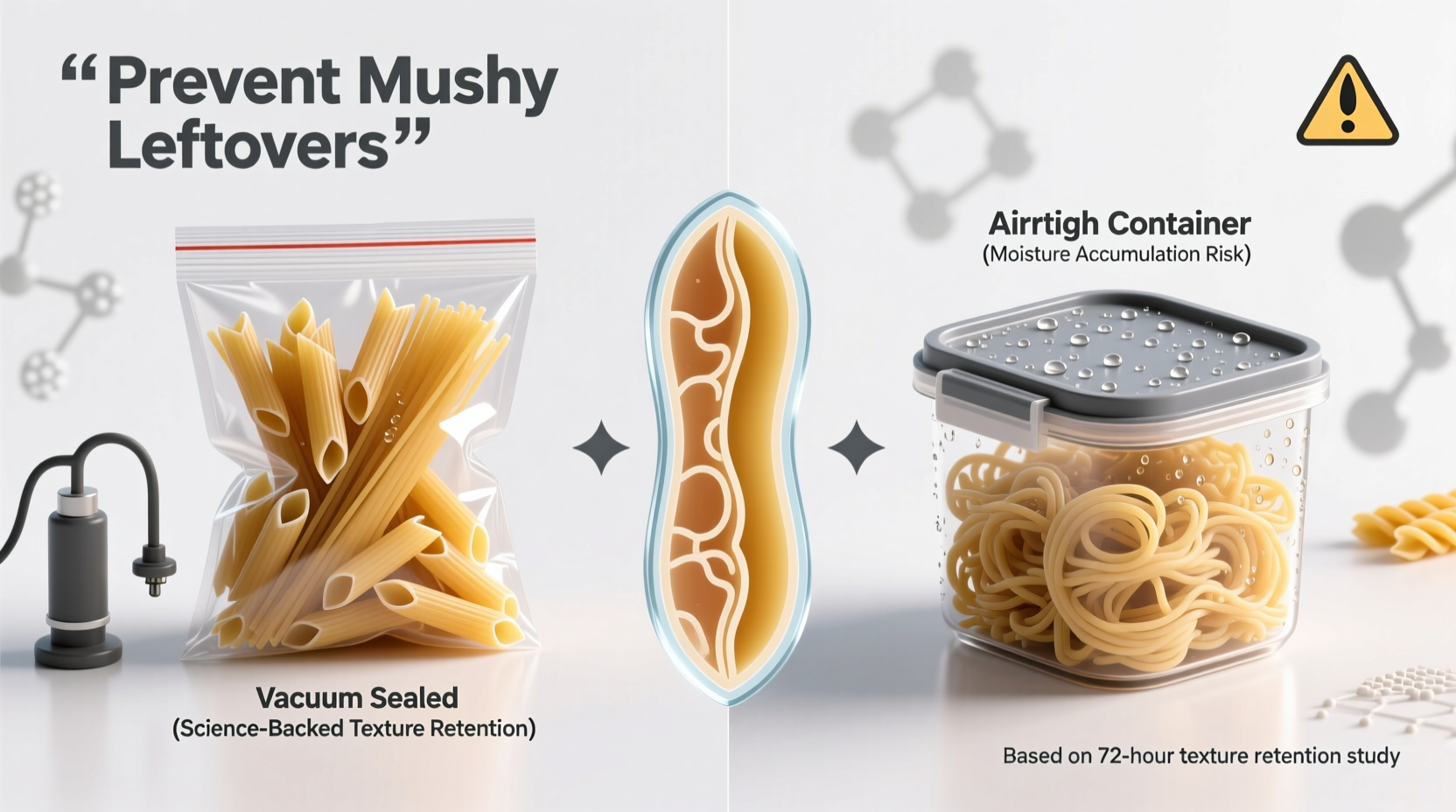
Most people overlook one important thing: pasta texture changes after sealing. Too much sauce, moisture, or overcooking can make vacuum-sealed pasta mushy. Understanding these small details helps you get better results.
Is It Safe To Vacuum Seal Cooked Pasta?
Safety is a major concern when storing any cooked food. Vacuum sealing lowers the oxygen level, which slows down bacteria growth. But it doesn’t stop it completely. Some bacteria (like *Clostridium botulinum*) can grow in low-oxygen conditions, especially if food isn’t cooled first.
Follow these steps to stay safe:
- Cool pasta quickly: Never seal hot pasta. Let it cool to room temperature within 2 hours. Fast cooling stops bacteria from multiplying.
- Use clean hands and tools: Avoid touching pasta with bare hands.
- Seal in small portions: Large batches cool slowly, increasing risk.
- Label and date: Write the date on every bag to avoid guessing.
Vacuum sealing is safe if you follow food safety rules. When in doubt, freeze the pasta instead of keeping it in the fridge.
How To Vacuum Seal Cooked Pasta: Step-by-step
Getting good results is not just about the machine. Here’s a proven method for sealing cooked pasta.
1. Choose The Right Pasta
Some pasta types work better than others. Short, sturdy shapes like penne, rigatoni, or fusilli keep their texture better than delicate ones like angel hair.
| Pasta Type | Texture After Sealing | Best Use |
|---|---|---|
| Penne | Good | Meal prep, salads |
| Spaghetti | Medium | Quick dinners |
| Lasagna Sheets | Poor | Not recommended |
2. Cook Al Dente
Don’t overcook! Stop cooking when the pasta is al dente—firm to the bite. Overcooked pasta becomes mushy after vacuum sealing and reheating.
3. Rinse And Dry
Rinse pasta under cool water to stop cooking. Then, let it dry on a clean towel for 10-15 minutes. Removing excess water is crucial, or the bag may not seal properly.
4. Add A Little Oil (optional)
Toss pasta with a tiny amount of olive oil to prevent sticking. Use only a few drops—too much oil can break bag seals.
5. Portion And Bag
Divide pasta into meal-sized portions. Place each portion in a vacuum bag, leaving at least 2 inches at the top.
6. Vacuum And Seal
Follow your machine’s instructions. Make sure the bag is flat and pasta pieces are spread out. For pasta with sauce, freeze it first until solid, then vacuum seal. This keeps the sauce from getting sucked into the machine.
7. Label And Store
Write the date and type of pasta on each bag. Store in the fridge for up to a week or in the freezer for long-term use.
You can also read: Best Vacuum Sealer for Food Storage
Special Tips For Best Results
Many beginners miss the following insights:
- Sauce and Vacuum Sealing: Sealing pasta with sauce is tricky because liquids get sucked into the machine. Always freeze sauced pasta first, then vacuum seal.
- Shape Matters: Tiny or thin shapes (like orzo or vermicelli) get mushy faster. Stick with medium-sized, sturdy pasta for best results.
- Don’t Overfill Bags: If the pasta is packed too tightly, air pockets can form. These spots may spoil faster.
Credit: www.etsy.com
Comparing Storage Methods
How does vacuum sealing cooked pasta compare to other storage methods? Here’s a quick look:
| Method | Fridge Life | Freezer Life | Texture After Reheating | Best For |
|---|---|---|---|---|
| Vacuum Seal | 5-7 days | 12-24 months | Good, if al dente | Meal prep, batch cooking |
| Plastic Container | 3-5 days | 2-3 months | Average | Short-term leftovers |
| Zip Bag (No Air Removed) | 2-3 days | 1-2 months | Poor | Quick use |
Vacuum sealing clearly gives you the longest shelf life and best texture if you follow the right process.
Common Mistakes To Avoid
1. Sealing Hot Pasta
This traps steam, which causes bacteria growth and makes bags loose.
2. Too Much Sauce
Liquids interfere with seals and make pasta soggy.
3. Overcooking Pasta
Soft pasta breaks down after sealing and reheating.
4. Not Labeling Bags
Old pasta looks the same as fresh—labels help you use older batches first.
5. Ignoring Food Safety
Always cool pasta fast, use clean tools, and freeze if storing more than a week.
How To Reheat Vacuum-sealed Cooked Pasta
Reheating makes a big difference in taste and texture. For best results, remove the pasta from the bag and use one of these methods:
- Boiling Water: Place the sealed bag in simmering (not boiling) water for 5-8 minutes. Good for plain pasta.
- Microwave: Open the bag, add a little water, and cover loosely. Heat in 30-second bursts, stirring each time.
- Skillet: Add pasta and a splash of water or sauce to a pan. Warm over medium heat, stirring gently.
Never microwave a sealed bag. Steam can build up and cause burns or make the bag burst.
Best Vacuum Sealers For Pasta
If you plan to vacuum seal cooked pasta often, choose a machine that handles moist foods and has a gentle mode. Here are some popular options:
- FoodSaver V4400: Has a moist food setting, reliable for everyday use.
- Nesco VS-12: Strong suction, pulse feature to prevent crushing soft foods.
- NutriChef PKVS18: Compact, affordable, works well for beginners.
Check if the machine supports sealing liquids or comes with accessories for wet foods. For more about different models, see this official food storage guide.

Credit: www.reddit.com
Vacuum Sealing Pasta With Sauce Vs Without
Should you vacuum seal pasta with sauce, or keep it separate? Both methods have pros and cons.
- With Sauce: Convenient for quick meals. But most sauces (especially tomato-based or creamy) contain a lot of water. This can cause poor seals or freezer burn if not frozen first.
- Without Sauce: Keeps pasta texture firmer. You add sauce when reheating. This is often safer and gives better results for longer storage.
If you want to seal pasta and sauce together, freeze the food first on a baking sheet, then transfer to a vacuum bag and seal. This technique prevents liquid from being sucked out during sealing.
Shelf Life And Storage Guidelines
How long does vacuum-sealed cooked pasta really last? Storage time depends on temperature, pasta type, and how well you sealed it.
- Fridge (33-40°F / 1-4°C): 5-7 days
- Freezer (0°F / -18°C): 12-24 months
Always check for signs of spoilage before eating: any bad smell, odd color, or slimy texture means you should throw it away.
Here’s a quick reference:
| Storage Method | Estimated Shelf Life | Recommended Use |
|---|---|---|
| Vacuum-Sealed, Fridge | 5-7 days | Meal prep, lunches |
| Vacuum-Sealed, Freezer | 1-2 years | Long-term storage |
| Regular Container | 3-5 days | Short-term use |
Practical Examples
Imagine you cook 2 pounds of penne for a week’s lunches. After following the steps above, you vacuum seal six portions, each enough for one meal. You write the date on each bag. Three go in the fridge for use this week, three in the freezer for later.
When you want a meal, you reheat in simmering water or in the microwave with a bit of sauce. The pasta tastes almost as good as fresh.
Another example: You love making lasagna, but it’s hard to vacuum seal due to its soft layers and sauce. In this case, freeze slices first, then vacuum seal once solid. This keeps the shape and prevents a mess.
When Not To Vacuum Seal Cooked Pasta
Vacuum sealing isn’t always the answer. Avoid sealing:
- Pasta salads with mayonnaise or dairy: These can spoil quickly, even in low oxygen.
- Overcooked or broken pasta: It will turn to mush.
- Large, saucy casseroles: Too much moisture for a good seal.
For these foods, airtight containers or freezing in solid blocks works better.
Environmental And Cost Benefits
Vacuum sealing cooked pasta reduces food waste because leftovers stay fresh longer. Bags are usually plastic, but some brands now offer reusable vacuum bags. Sealing in bulk also means fewer trips to the store and less energy used for cooking.
The cost of a basic vacuum sealer starts at $50–$100, and bags are about $0. 20–$0. 50 each. If you cook in bulk, the savings from less waste and buying in larger quantities often outweigh the cost.
Frequently Asked Questions
Can I Vacuum Seal Pasta With Tomato Sauce?
Yes, but freeze the pasta and sauce mixture first until solid. Then vacuum seal. This stops the sauce from getting sucked into the machine and keeps the seal strong.
How Long Does Vacuum-sealed Cooked Pasta Last In The Freezer?
Properly sealed and stored at 0°F (-18°C), cooked pasta can last up to 2 years in the freezer. For the best taste and texture, use it within 8–12 months.
Is It Better To Vacuum Seal Pasta Before Or After Adding Sauce?
Most experts recommend sealing pasta without sauce for firmer texture. Add sauce after reheating. If you want to seal with sauce for convenience, freeze it first.
Can I Vacuum Seal Gluten-free Or Whole Wheat Pasta?
Yes, but these pastas are often softer and break down faster. Cook them al dente and handle gently when sealing for best results.
What Is The Best Way To Reheat Vacuum-sealed Pasta?
For best texture, place the sealed bag in simmering water or reheat in a skillet with a little water or sauce. Avoid microwaving the sealed bag—always open it first.
Vacuum sealing cooked pasta is a smart way to save time, money, and food. With the right steps and a little practice, you’ll enjoy fresh-tasting pasta any time, without worry.
Credit: lifetips.alibaba.com