Skip to content
Choosing the right juicer can make a big difference in your kitchen. If you want fresh juice every morning, you’ll see two main types: cold press juicers and centrifugal juicers. Each has its own way of making juice, and each suits different needs. But how do you know which one fits you best?
This article will guide you through the differences, advantages, disadvantages, and help you decide which juicer will work for your lifestyle.
What Is A Cold Press Juicer?
Cold press juicers, also called masticating juicers, work slowly and gently. They use a rotating auger that crushes fruits and vegetables to squeeze out juice. This process happens at a low speed, without heat. The juice and pulp get separated naturally.
The slow method means less air and heat touch your juice. Many people believe this keeps more vitamins, enzymes, and antioxidants in the drink. Cold press juicers can handle leafy greens, nuts, and even wheatgrass, making them popular with health lovers.
How Cold Press Juicers Work
The machine pulls food in and slowly presses it. The juice flows out one side, while dry pulp comes out another. The low speed (usually 40–100 RPM) means less oxidation and foam.
Common Features
- Works quietly
- Handles hard and soft produce
- Produces less waste
- Juice lasts longer
What Is A Centrifugal Juicer?
Centrifugal juicers use speed and power. They have a fast-spinning blade that chops up the fruits or vegetables. The spinning basket separates juice from pulp by force.
These juicers are quick and easy. You can get a glass of juice in less than a minute. They work best with hard fruits and vegetables like apples, carrots, and celery. However, they don’t do well with leafy greens or wheatgrass.
How Centrifugal Juicers Work
Food goes into a chute and hits the spinning blade, which rotates at 6,000–20,000 RPM. The force pushes juice through a mesh, while pulp stays behind.
Common Features
- Makes juice fast
- Easy to use
- Affordable
- Louder than cold press juicers
Key Differences Between Cold Press And Centrifugal Juicers
Understanding the main differences can help you make a smarter choice. Here’s a clear comparison:
| Feature | Cold Press Juicer | Centrifugal Juicer |
|---|---|---|
| Speed | Slow (40–100 RPM) | Fast (6,000–20,000 RPM) |
| Juice Quality | High, less oxidation | Lower, more foam |
| Noise Level | Quiet | Loud |
| Leafy Greens | Handles well | Struggles |
| Cleaning | More parts, harder | Fewer parts, easier |
| Price | Higher | Lower |
| Juice Shelf Life | Up to 72 hours | Up to 24 hours |
Juice Quality: Nutrition And Taste
One of the main reasons people choose cold press juicers is the promise of better juice. But is this true?
Nutrition
Cold press juicers keep more nutrients in the juice. The slow process prevents heat, which can break down vitamins like C and A. Also, less air means less oxidation, so enzymes and antioxidants remain strong.
Centrifugal juicers, on the other hand, create heat and air bubbles. This can lower the amount of vitamins and lead to faster spoilage. For example, studies show centrifugal juicing can reduce vitamin C by up to 20% compared to cold press methods.
Taste And Texture
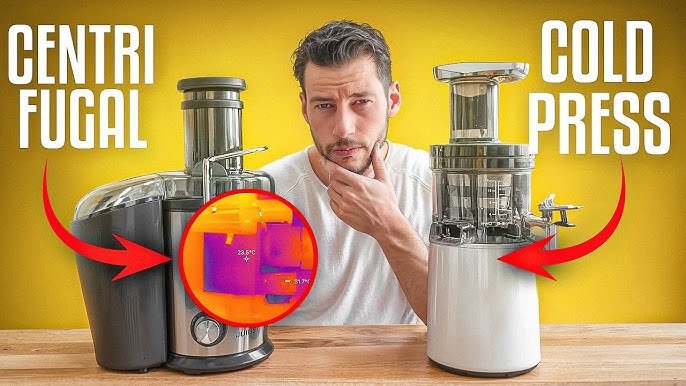
Cold press juice tastes richer and thicker. You may notice the juice is less foamy and brighter in color. Centrifugal juice is lighter, more frothy, and may separate quickly.
If you want juice that stays fresh longer in the fridge, cold press is a better choice. Centrifugal juice is best enjoyed right away.
Credit: www.youtube.com
Juicing Speed And Convenience
Not everyone has time to juice slowly every morning. Here’s how both types compare for speed and ease.
Centrifugal Juicers
- Ready in less than a minute
- Larger feed chute (no need to cut produce small)
- Simple controls
- Cleaning takes only a few minutes
Cold Press Juicers
- Takes 3–5 minutes per batch
- Smaller chute (need to chop produce)
- More steps, more parts to clean
- Juice can be stored longer
| Factor | Cold Press Juicer | Centrifugal Juicer |
|---|---|---|
| Preparation Time | Longer | Shorter |
| Juicing Time | Slow | Fast |
| Cleanup | More parts | Fewer parts |
Price And Value For Money
Budget matters for most families. Cold press juicers usually cost more, but are they worth the extra money?
Cold Press Juicers
- Price ranges: $150–$500 for home models
- Lasts longer, with strong build
- Better for daily, heavy use
Centrifugal Juicers
- Price ranges: $50–$200
- Good for beginners or occasional juicing
- May need to replace after a few years
While cold press juicers cost more up front, they may save money over time. They squeeze more juice from each fruit or vegetable, so you buy less produce. Also, the juice lasts longer in the fridge, so you waste less.
Cleaning And Maintenance
Cleaning is not fun, but necessary. Here’s how both types compare:
Cold Press Juicers
- Have more parts to wash: Auger, screens, containers
- Parts may not be dishwasher safe
- Takes 5–10 minutes to clean
Centrifugal Juicers
- Fewer parts: Blade, basket, container
- Most parts are dishwasher safe
- Cleaning takes 2–5 minutes
If you want quick cleanup, centrifugal juicers win. But cold press juicers are manageable with daily use if you clean soon after juicing.
Noise Level
Juicing early in the morning? Noise matters.
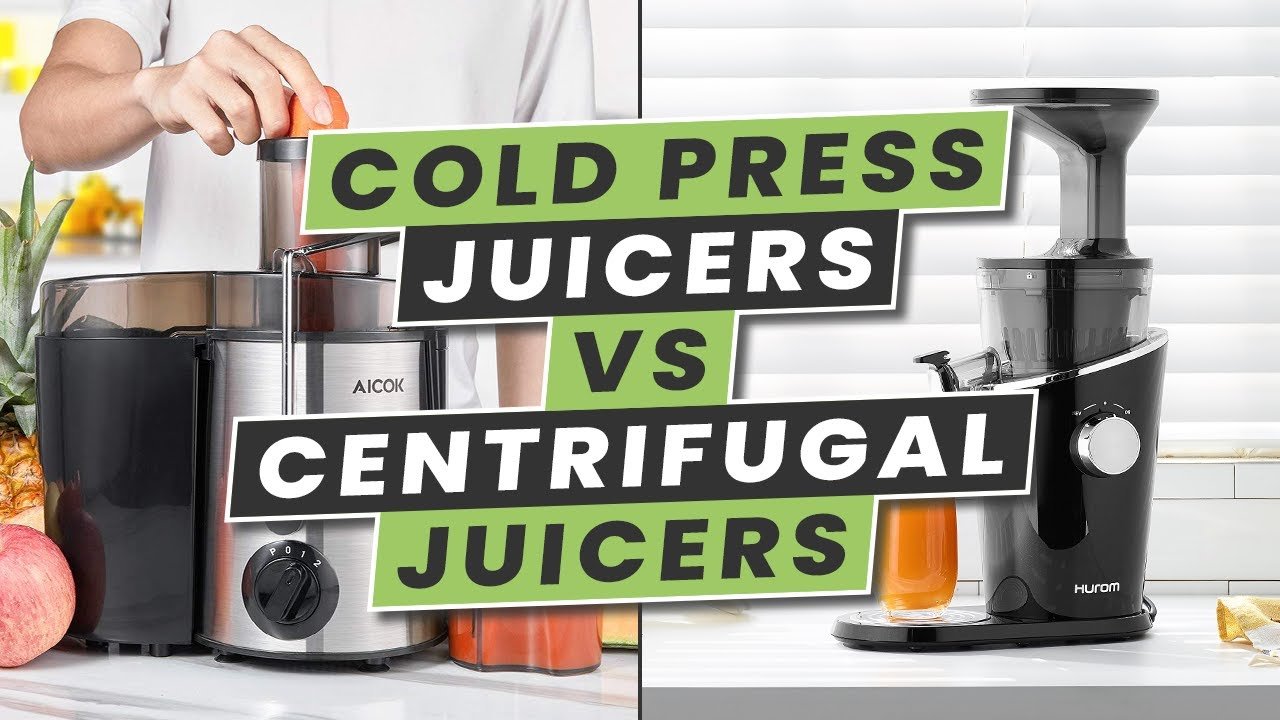
- Cold press juicers are much quieter. They work at low speed and don’t make loud grinding sounds.
- Centrifugal juicers are loud. The spinning blade and motor can wake up the whole house.
For families with young children or people living in apartments, cold press juicers are the better choice.
Credit: www.youtube.com
Types Of Produce: What Each Juicer Handles Best
Some juicers work better with certain foods. Here’s what each type can handle:
Cold Press Juicers
- Leafy greens (spinach, kale, parsley)
- Wheatgrass
- Nuts (for nut milk)
- Soft fruits (berries, grapes)
- Hard fruits (apples, pears)
- Vegetables (carrots, celery)
Centrifugal Juicers
- Hard fruits and vegetables
- Soft fruits (with some juice loss)
- Not good for leafy greens or wheatgrass
If you want to juice greens or make nut milk, cold press is best. Centrifugal juicers are good for simple fruit and vegetable juices.
Durability And Lifespan
Juicers are an investment. You want one that lasts.
- Cold press juicers are built to last. The slow motor and strong parts mean they can run for years, even with heavy use.
- Centrifugal juicers may break down faster, especially with daily use. The motor and blade wear out quicker.
If you plan to juice often, cold press juicers may save money over time.
Juice Shelf Life And Storage
How Long Can You Keep Your Juice Fresh?
Cold press juice can last up to 72 hours in the fridge. The slow process keeps the juice stable and tasty. Centrifugal juice starts to spoil after 24 hours, as air and heat break down nutrients.
If you want to make juice ahead of time, cold press is the safer option. For instant, drink-now juice, centrifugal works fine.
Comparing Popular Models
Let’s look at some well-known juicer models to see how they perform.
| Model | Type | Price | Key Features |
|---|---|---|---|
| Omega J8006 | Cold Press | $230 | Quiet, handles greens, easy to clean |
| Breville Juice Fountain Plus | Centrifugal | $120 | Fast, wide chute, dishwasher safe |
| Hurom H-AA | Cold Press | $350 | Modern design, high juice yield |
| Hamilton Beach Big Mouth | Centrifugal | $60 | Affordable, fast, easy to use |
Practical Examples: Juicing At Home
Let’s say you want to juice spinach and apples for a green drink.
- With a cold press juicer, you’ll get more juice from the spinach, with a rich green color. The apple juice will taste sweet and thick.
- With a centrifugal juicer, you may get less spinach juice, and the color will be lighter. The apple juice will be frothy and watery.
If you’re making juice for a health kick, cold press is better. If you just want a quick apple juice, centrifugal is easier.
Non-obvious Insights For Beginners
- Juice yield matters. Cold press juicers squeeze more juice from the same amount of produce. Over time, you may save money—even if the machine costs more at first.
- Juice separation. Juice from centrifugal juicers separates faster. If you don’t drink it right away, you’ll need to stir or shake the bottle later. Cold press juice stays mixed longer.
- Juice temperature. Cold press juice is cooler and tastes fresher. Centrifugal juice can be slightly warmer due to the fast spinning blade, which some people notice.
- Cleaning tip. For cold press juicers, soak parts in warm water right after juicing. This makes pulp easier to wash off and saves time.
Common Mistakes When Buying A Juicer
- Ignoring your juicing habits. Some buyers choose cold press for health but then rarely use it because it’s slow. If you want speed, centrifugal might be better.
- Not considering noise. Many forget how loud a juicer can be. If you juice in the morning, noise matters.
- Buying too cheap. Low-cost centrifugal juicers may break after a few months. Spend a bit more for a reliable model.
- Overestimating cleaning time. Cold press juicers are not impossible to clean, but they require more effort. If you hate cleaning, think twice.
Which Juicer Is Right For You?
Ask yourself these questions:
- Do you want juice every morning in less than a minute? Centrifugal is best.
- Do you want to juice leafy greens or wheatgrass? Cold press is the only choice.
- Are you focused on nutrition and juice quality? Cold press wins.
- Is budget your main concern? Centrifugal juicers are cheaper and easier.
- Do you live in a quiet place or have kids? Cold press juicers are quieter.
If you want juice for health and variety, cold press is worth the investment. If you want quick, easy juice, centrifugal is a great starter.

Credit: www.solara.in
Environmental Impact
Cold press juicers produce less waste. The dry pulp can be used for baking or compost. Centrifugal juicers create wetter pulp, which is less useful. Also, cold press juicers use less energy, since their motors are smaller and slower.
If you care about sustainability, cold press juicers are greener. You can use the pulp for muffins, veggie burgers, or garden compost.
Expert Opinions And Statistics
Nutritionists and food experts agree that cold press juicers keep more nutrients. For example, a study showed that cold press juice can have up to 50% more antioxidants than juice from centrifugal machines.
Cold press juicers are also recommended by many wellness websites and health magazines. For more scientific details, you can check this Wikipedia article on juicers.
Frequently Asked Questions
Is Cold Press Juice Really Healthier Than Centrifugal Juice?
Yes, cold press juice keeps more vitamins, enzymes, and antioxidants. The slow process means less heat and air contact, which protects nutrients. However, the difference may be small for some fruits and vegetables.
Can I Juice Leafy Greens With A Centrifugal Juicer?
Centrifugal juicers struggle with leafy greens. You’ll get less juice and may waste more produce. For spinach, kale, and wheatgrass, cold press juicers are much better.
How Long Can I Store Juice From Each Juicer?
Cold press juice can last up to 72 hours in the fridge, while centrifugal juice lasts about 24 hours. Cold press juice stays fresh and mixed longer.
Which Juicer Is Easier To Clean?
Centrifugal juicers are easier to clean. They have fewer parts and most are dishwasher safe. Cold press juicers take more time and need careful cleaning, but soaking parts right after use helps.
Are Cold Press Juicers Worth The Higher Price?
If you juice often, want high nutrition, and care about quality, cold press juicers are worth the investment. They last longer and squeeze more juice. If you only juice sometimes or want to save money, centrifugal juicers are fine.
No matter which juicer you choose, fresh juice is a healthy habit. Think about your needs, your kitchen space, and your routine. Both cold press and centrifugal juicers have strengths and weaknesses. The right choice depends on your lifestyle and goals.
With this guide, you’re ready to make a confident decision and enjoy better juice at home.