Skip to content
Many home bakers and cooking enthusiasts dream of owning a stand mixer. These machines are powerful, fast, and make mixing dough or batter look easy. But while stand mixers have gained popularity, they are not perfect for everyone. Understanding the disadvantages of stand mixers is important before making a purchase. This article explores the downsides of stand mixers in detail, with real examples, practical advice, and comparisons to help you decide if a stand mixer is right for your kitchen.
Size And Space Problems
Stand mixers are known for their large size. Most models weigh between 15 to 30 pounds and take up significant counter space. For small kitchens, this is a serious issue.
- The KitchenAid Artisan stand mixer measures about 14 inches tall and 14 inches deep. If you have limited counter space, finding room for the mixer can be tough.
- Many people store their mixers in cabinets, but lifting a heavy appliance out and putting it back after each use can be tiring.
Another space issue is that stand mixers often require room for their attachments and bowls. Over time, these accessories can fill up drawers and cabinets. If you live in an apartment or have a compact kitchen, a stand mixer may not be practical.
Comparison: Stand Mixer Vs Hand Mixer (size)
| Appliance | Weight | Height | Storage Needs |
|---|---|---|---|
| Stand Mixer | 15-30 lbs | 13-15 in | Large counter/cabinet |
| Hand Mixer | 2-4 lbs | 7-9 in | Small drawer |
High Cost
Buying a quality stand mixer can be expensive. Entry-level models start around $200, while premium brands like KitchenAid or Cuisinart can cost $400 or more. Some commercial-grade mixers reach $700 or higher. For many home cooks, this is a big investment.
- The KitchenAid Classic costs about $250, but lacks some features found in more expensive models.
- Attachments, such as pasta rollers or meat grinders, are sold separately and can cost $30–$100 each.
Hand mixers, by comparison, often cost less than $50. For people who bake only occasionally, spending hundreds of dollars on a stand mixer may not make sense.
Data: Stand Mixer Price Range
| Brand | Entry Price | High-End Price | Attachment Price |
|---|---|---|---|
| KitchenAid | $250 | $700 | $30-$150 |
| Cuisinart | $200 | $500 | $25-$100 |
| Hamilton Beach | $100 | $200 | $20-$50 |
Some buyers underestimate the total cost, forgetting about accessories and repairs. If you’re on a tight budget, a stand mixer can feel like a luxury rather than a necessity.

Credit: abuler.com
Difficult Cleaning
Stand mixers look sleek but cleaning them can be challenging. The mixing bowl and attachments usually need to be hand washed, especially if they have dough or sticky batter stuck on them. Some parts are not dishwasher safe, which adds more work.
- The machine itself collects dust and food splatters. Wiping the head, base, and knobs is needed after each use.
- Dough hooks and wire whisks often have small gaps where food gets trapped.
If you bake often, cleaning becomes a regular chore. Unlike hand mixers, which have fewer parts, stand mixers require more time and effort to keep clean.
Common Cleaning Mistakes
- Not cleaning attachments immediately—dried dough is hard to remove.
- Forgetting to wipe under the mixing bowl—crumbs and flour collect here.
- Using harsh cleaners—can scratch or damage surfaces.
Experienced users recommend soaking attachments right after use and checking for hidden spots where food may build up.
Noise And Vibration
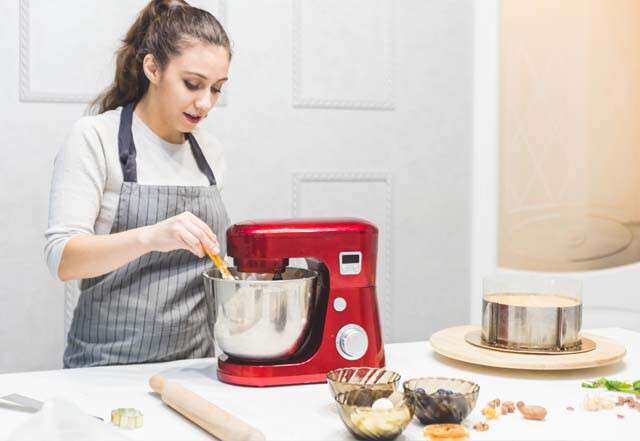
Stand mixers are powerful, but that power comes with noise. Most models produce a loud hum, especially on higher speeds. This can be disturbing if you have children, pets, or sensitive neighbors.
- A typical stand mixer produces 70–80 decibels, about as loud as a vacuum cleaner.
- Cheaper models may vibrate or “walk” across the counter, especially when mixing thick dough.
Some people avoid using their mixer early in the morning or late at night to avoid bothering others. If you live in a quiet apartment or value peace, the noise is a real drawback.
Example: Noise Levels
- Hand mixer: 60–65 decibels
- Stand mixer: 70–80 decibels
- Food processor: 85–90 decibels
Credit: www.femina.in
Limited Versatility Without Attachments
While stand mixers can handle many tasks, their true versatility depends on extra attachments. The basic machine mixes dough and batter, but does not knead bread, make pasta, or grind meat unless you buy special accessories.
- Attachments are often sold separately, increasing cost.
- Not all attachments work with every model or brand.
- Some attachments are difficult to use or clean.
If you want your mixer to do more than mix, you need to invest in the right accessories. For many users, this means ongoing expenses and learning curves.
Not Ideal For Small Batches
Stand mixers are designed for large quantities. If you want to whip one egg white or mix a small amount of batter, the mixer may struggle.
- The bowl is often too big for small portions, causing ingredients to stick to the sides.
- Whisks may not reach the bottom, leaving unmixed spots.
Hand mixers or manual whisking are often better for small jobs. If you bake for one or two people, a stand mixer may feel wasteful.
Real Example
A baker tried to make a single cupcake using a stand mixer. The batter barely covered the bottom of the bowl, and the whisk missed much of it. Mixing by hand would have been quicker and more effective.
Heavy And Hard To Move
The weight of a stand mixer is both a benefit and a disadvantage. Heavy machines stay stable during use, but moving them is a challenge.
- Some models weigh over 25 pounds.
- Lifting the mixer onto the counter or moving it to clean underneath can strain your back.
- Older adults and people with injuries may find the mixer too heavy to use regularly.
If you need to move your mixer often, consider its weight before buying.
Bulky Storage Needs
Storing a stand mixer is not easy. The mixer, bowl, and attachments take up a lot of space.
- Some kitchens lack deep cabinets or wide shelves.
- Accessories can get lost or broken if not stored carefully.
- If you live in a shared home, finding space for the mixer can lead to conflicts.
Stand mixers are best for people with plenty of kitchen storage.
Maintenance And Repairs
Stand mixers are machines with motors, gears, and moving parts. Over time, they need maintenance.
- Grease inside the gears can dry out, causing loud noises or poor performance.
- Bowls and attachments can bend, break, or lose their coating.
- Repairs are often expensive and require professional help.
Some brands offer warranties, but these may not cover all problems. If you bake often, expect to spend money on upkeep.
Comparison: Stand Mixer Vs Hand Mixer (maintenance)
| Appliance | Common Repairs | Warranty Length | Repair Cost |
|---|---|---|---|
| Stand Mixer | Motor, gears, bowl | 1-5 years | $50-$200 |
| Hand Mixer | Beaters, wiring | 1-2 years | $10-$40 |
Can Be Overkill For Simple Tasks
For many kitchen jobs, a stand mixer is simply too much. If you want to whip cream, beat eggs, or mix pancake batter, a hand mixer or whisk is faster and easier.
- The setup takes time: Attaching the bowl, fitting the whisk, and locking the head.
- Cleaning takes longer than washing a simple whisk or spoon.
If you only bake occasionally, you may find yourself using the stand mixer less than expected.
Risk Of Overmixing
Stand mixers are efficient, but that can lead to overmixing. Beginners often run the mixer for too long, turning dough tough or batter rubbery.
- Cakes and muffins can become dense if mixed too much.
- Bread dough can lose its stretch and rise poorly.
Many recipes warn against overmixing, but with a powerful machine, it’s easy to go too far. Watching the mixer and learning proper timing is important.
Safety Concerns
Stand mixers have moving parts and sharp attachments. There are real safety risks.
- Fingers can get caught in the moving whisk or dough hook.
- Bowl locks may fail, causing spills or accidents.
- Children should not use stand mixers unsupervised.
Some models have safety features, but accidents still happen. Always follow instructions and keep hands clear while the mixer is running.
Not Eco-friendly
Stand mixers use electricity and require manufacturing resources. Compared to manual mixing, they are less eco-friendly.
- Some models use 300–500 watts per hour.
- Manufacturing and shipping a stand mixer creates carbon emissions.
- Old mixers often end up in landfills.
If you care about environmental impact, a stand mixer may not fit your values.
Attachment Compatibility Issues
Different brands use different designs. Not all attachments fit every mixer.
- KitchenAid has over 15 types of attachments, but only some fit every model.
- Buying the wrong attachment wastes money and causes frustration.
Check compatibility before purchasing accessories. If you change mixer brands, you may need to buy new attachments.
Learning Curve
Using a stand mixer is not always simple. Beginners must learn how to use different speeds, attachments, and settings.
- Recipes may require special attachments or speeds.
- Mistakes can lead to poor results or damaged equipment.
Many people find their first few uses confusing. Reading the manual and watching videos helps, but some users give up before mastering their mixer.
Mess And Splatter
Stand mixers can create splatter, especially when mixing liquids or flour at high speed.
- Flour and batter can fly out of the bowl, dirtying counters and floors.
- Some models lack splash guards.
Cleaning up after baking becomes a regular job. If you dislike mess, a stand mixer may cause frustration.
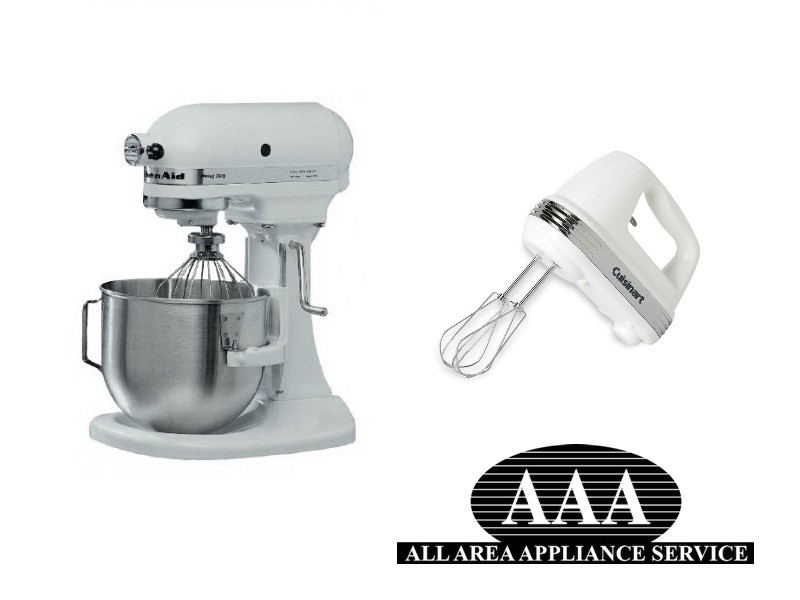
Credit: allareaappliancellc.com
Lack Of Portability
Stand mixers are not portable. If you want to bake at a friend’s house or take your equipment to a cooking class, a stand mixer is inconvenient.
- Heavy and bulky design makes transport difficult.
- Some models do not fit in car trunks or bags.
Hand mixers and manual tools are much easier to carry.
Stand Mixer Alternatives
Some bakers choose other tools instead of a stand mixer.
- Hand mixers are lighter, cheaper, and better for small batches.
- Food processors can mix dough and batter, plus chop and slice.
- Manual whisks and spoons work for simple recipes.
Before buying a stand mixer, consider your real needs. If you bake only occasionally, alternatives may be better.
Real-life Insights Most Beginners Miss
Many first-time buyers focus on the brand or color, but miss practical details:
- Noise level: Some stand mixers are so loud that phone calls or conversations become impossible.
- Cleaning time: Washing attachments and bowls takes longer than the actual mixing.
- Attachment confusion: Not all attachments work with every model—research before buying.
- Minimum batch size: Stand mixers often struggle with very small quantities, leaving ingredients unmixed.
- Power outage: If your area has frequent power cuts, relying on an electric mixer can disrupt your baking plans.
Thinking about these factors before buying helps avoid disappointment.
Stand Mixer Vs Hand Mixer: Which Is Better?
Stand mixers are powerful and efficient but not always the best choice. Hand mixers offer several advantages:
- Cheaper and easier to store.
- Better for small jobs and quick tasks.
- Simpler cleaning and maintenance.
If you bake large batches often, a stand mixer is useful. But for everyday cooking, a hand mixer or manual tools are often more practical.
For more information on kitchen appliances and their usage, you can read detailed reviews at Consumer Reports.
Frequently Asked Questions
What Are The Main Disadvantages Of Stand Mixers?
The biggest disadvantages are high cost, bulky size, difficult cleaning, and noise. Stand mixers also need regular maintenance and are not good for small batches.
Is A Stand Mixer Worth The Investment For Beginners?
For most beginners, a stand mixer is not essential. If you bake often, it can be helpful. But for occasional baking, a hand mixer or manual tools are simpler and cheaper.
Are Stand Mixers Hard To Clean?
Yes, cleaning can be difficult. Bowls and attachments collect sticky dough, and the machine itself needs regular wiping. Some parts are not dishwasher safe.
Can Stand Mixers Be Dangerous?
Stand mixers have moving parts and sharp attachments. There is a risk of injury if fingers get caught or if the bowl locks fail. Always use caution and keep children away.
Do Stand Mixers Work Well For Small Recipes?
No, stand mixers often struggle with small batches. Ingredients may not mix properly if there isn’t enough in the bowl. Hand mixers or manual tools are better for small amounts.
Buying a stand mixer is a big decision. While these machines offer power and speed, their disadvantages are real. Think about your kitchen space, budget, and baking habits before making a purchase. For many cooks, simpler tools work better. If you decide to buy a stand mixer, plan for cleaning, maintenance, and careful use to avoid common problems.
Your kitchen should be a place of joy, not frustration, so choose tools that fit your needs and lifestyle.