If you suffer from allergies, you know how annoying and uncomfortable it can be. Sneezing, runny nose, itchy eyes, and trouble breathing are common symptoms. Many people look for ways to reduce allergies at home. One popular solution is an air purifier.
But do air purifiers really help with allergies? The answer is not as simple as yes or no. Let’s explore how air purifiers work, what types are effective, and what you should know before buying one.
How Allergies Happen Indoors
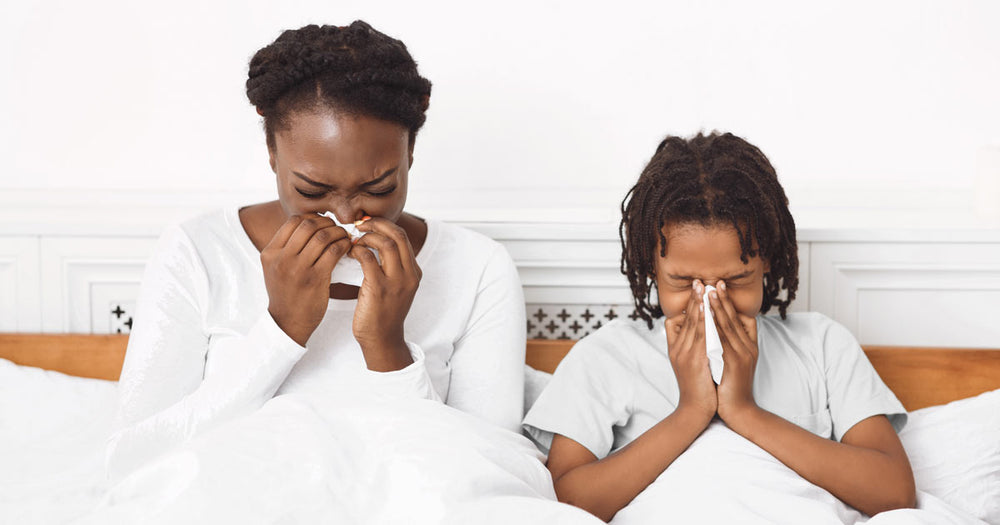
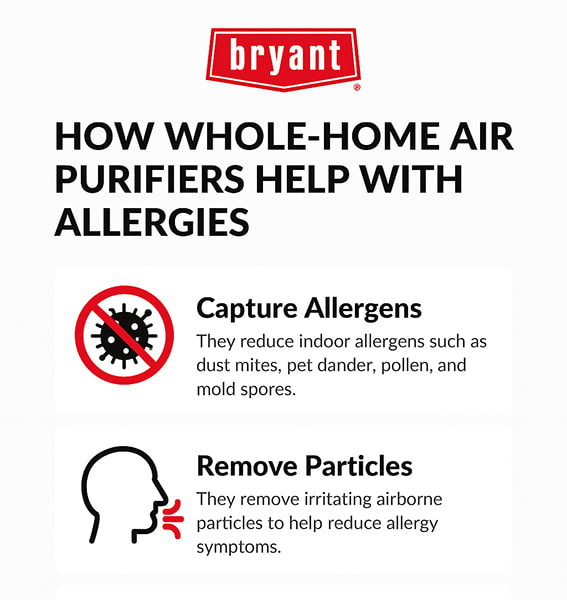
Allergies are reactions to things in the environment called allergens. Common indoor allergens include dust mites, pet dander, mold spores, and pollen. When you breathe in these particles, your immune system reacts and causes allergy symptoms.
The size of these particles is important. Most allergens are very small—often less than 10 microns in diameter. This means they float easily in the air and can be hard to remove.
How Air Purifiers Work
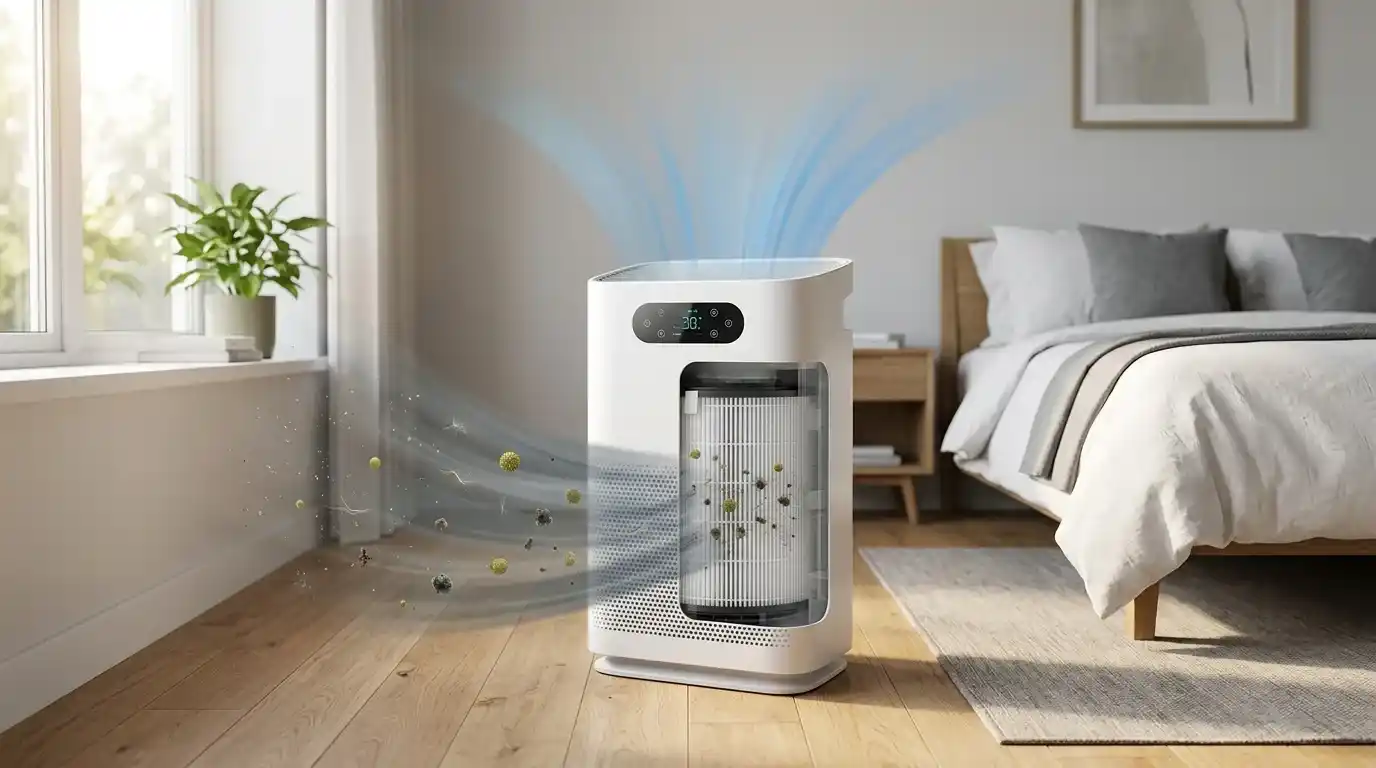
Air purifiers are devices that pull air through filters to remove unwanted particles. The most common type uses a HEPA filter. HEPA stands for High Efficiency Particulate Air. These filters can trap particles as small as 0.3 microns with at least 99.97% efficiency.
Here’s a quick look at how different filters compare:
| Filter Type | Particle Size Removed | Efficiency |
|---|---|---|
| HEPA Filter | 0.3 microns | 99.97% |
| Activated Carbon | Gases & odors | Varies |
| UV Light | Bacteria & viruses | Varies |
| Basic Foam Filter | Large particles | Low |
HEPA filters are the gold standard for allergy relief because they trap most allergens. Some air purifiers also use activated carbon to remove odors or UV light to kill germs, but these features are not as important for allergy sufferers.
Do Air Purifiers Really Help With Allergies?
Research shows that air purifiers can lower the amount of allergens in indoor air. For example, a study found that HEPA air purifiers reduced airborne pet dander and pollen by about 50% in homes with pets. Another study from the American Academy of Allergy, Asthma & Immunology showed that using a HEPA purifier in the bedroom improved sleep quality and reduced allergy symptoms for many people.
However, air purifiers are not magic. They work best for airborne allergens. If allergens are stuck in your carpet or bedding, an air purifier will not remove them. Also, air purifiers must run continuously to keep the air clean.
Here are some non-obvious insights most beginners miss:
- Airflow matters: If your air purifier is too small for your room, it won’t be effective. Always check the CADR (Clean Air Delivery Rate) to match your room size.
- Placement is key: The purifier works best if placed near where you spend most of your time, like beside your bed or in the living room.
Comparing Air Purifiers For Allergy Relief
Choosing the right air purifier can be confusing. Let’s compare some features that matter most for allergy sufferers.
| Feature | Why It Matters | Common Range |
|---|---|---|
| HEPA Filter | Removes allergens | Included in most models |
| CADR | Shows cleaning speed | 100–350 (higher is better) |
| Noise Level | Comfort for sleeping | 20–60 dB |
| Coverage Area | Matches room size | 100–500 sq. ft. |
| Filter Replacement Cost | Long-term expense | $20–$100 per year |
Credit: www.airoasis.com
The Science: Data And Studies
Several studies support the use of air purifiers for allergies:
- A 2018 study found that homes with HEPA purifiers had 30% lower dust mite allergen levels.
- In schools, air purifiers reduced pollen and mold spores by more than 40%.
- Using a purifier in the bedroom resulted in 60% fewer nighttime allergy attacks for children with asthma.
But not all purifiers are equal. Devices without HEPA filters or with low airflow can leave most allergens untouched.
Practical Tips For Getting The Most From Your Air Purifier
To make your air purifier work best against allergies, follow these steps:
- Pick the right size: Check the manufacturer’s coverage area. An undersized unit won’t clean the air well.
- Run it continuously: Turning it off allows allergens to build up again.
- Keep doors and windows closed: This prevents new allergens from entering.
- Change filters regularly: Dirty filters can’t trap particles.
- Vacuum and dust often: Don’t rely on the purifier alone. Regular cleaning helps remove allergens from surfaces.
- Place it near allergy sources: For example, if you have pets, put the purifier near where they sleep.
A common mistake is buying a cheap purifier without checking the filter type. HEPA filters are essential—don’t settle for “HEPA-like” or “HEPA-style” marketing terms.
You might find this helpful: Best Air Purifiers for Allergies
When Air Purifiers Might Not Help
Air purifiers are not a cure-all. They work best for airborne particles, not for allergens stuck in carpets, furniture, or walls. If your allergies come from mold growing inside walls or air ducts, a purifier won’t solve the problem. Also, if you are allergic to chemicals or strong odors, you’ll need a purifier with activated carbon.
Another overlooked fact is that air purifiers are less effective in homes with poor ventilation or high humidity. Mold and dust mites love moist, warm spaces. If you don’t control humidity, allergies may persist.
Air Purifiers Vs. Other Allergy Solutions
Air purifiers are just one part of an allergy management plan. Let’s compare their role with other common solutions:
| Solution | What It Removes | Best Use | Limitations |
|---|---|---|---|
| Air Purifier | Airborne particles | Bedrooms, living rooms | Does not clean surfaces |
| Vacuum Cleaner | Dust, pet hair | Carpets, floors | Does not filter air |
| Dusting | Surface dust | Furniture, shelves | Can stir up allergens |
| Allergy Medication | Symptoms | Any time | Does not remove allergens |
| Dehumidifier | Humidity | Basements, bathrooms | Does not remove allergens |
What To Look For When Buying An Air Purifier
When choosing an air purifier for allergies, focus on these features:
- True HEPA filter: Make sure it’s certified, not just “HEPA-like.”
- CADR rating: Higher numbers mean faster cleaning.
- Room coverage: Match the purifier to your space.
- Filter replacement cost: Check how often you need new filters.
- Noise level: Quiet models are best for bedrooms.
- Smart features: Timers, sensors, and auto mode can help, but are not essential.
Avoid common buyer mistakes:
- Buying a unit that is too small for your room
- Ignoring ongoing filter costs
- Choosing models without proper certification
- Expecting purifiers to remove allergens from surfaces or fabrics
For more details on choosing the right purifier, visit the EPA’s guide on air cleaners.
Air Purifiers: Real-life Examples
Many allergy sufferers report improvement after using an air purifier. For example, Sarah, a mother of two, noticed her children had fewer allergy symptoms after running a HEPA purifier in their bedroom. She also kept windows closed and cleaned regularly.
In another case, a pet owner with severe allergies used a HEPA purifier and vacuumed daily. He found that his symptoms improved by about 40% but still needed allergy medication during peak pollen season.
These examples show that air purifiers are most effective when combined with other allergy control steps.
Credit: www.bryant.com
Frequently Asked Questions
How Long Does It Take For An Air Purifier To Reduce Allergies?
It usually takes a few hours to notice a difference. Most purifiers can clean room air in 1–3 hours. For best results, run the device continuously.
Should I Use An Air Purifier In Every Room?
You don’t need one in every room. Focus on spaces where you spend the most time, like your bedroom and living room. If your allergies are severe, consider more units.
Can Air Purifiers Remove Pet Dander?
Yes, HEPA filters are effective at trapping pet dander. However, frequent cleaning and bathing your pets also help reduce allergens.
Are Air Purifiers Safe For Children And Pets?
Air purifiers with HEPA filters are safe. Avoid units that produce ozone, as ozone can cause respiratory problems. Always check safety certifications.
What’s The Difference Between Hepa And “hepa-like” Filters?
True HEPA filters are certified to remove 99.97% of particles down to 0.3 microns. “HEPA-like” or “HEPA-style” filters are not certified and may not be as effective. Always choose a certified HEPA filter for allergy relief.
Final Thoughts
Air purifiers can help reduce indoor allergens and improve allergy symptoms, especially when using a HEPA filter and the right unit size for your space. They are most effective for airborne particles and should be part of a larger allergy management plan, including cleaning, controlling humidity, and possibly medication. Remember to check features like CADR, room coverage, and filter costs before buying. Used correctly, air purifiers are a valuable tool for allergy sufferers—helping you breathe easier and enjoy your home more comfortably.

Credit: www.jafanda.com