Skip to content
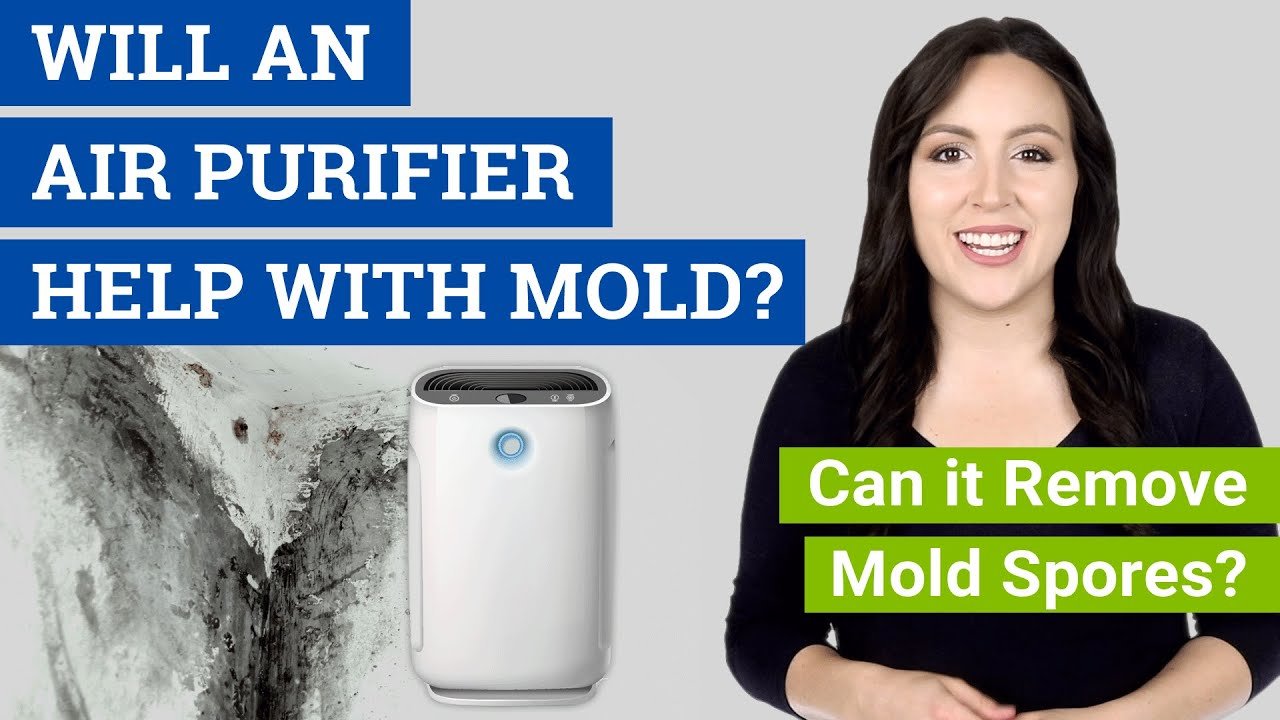
Mold is a common problem in many homes and workplaces. Its presence can trigger allergies, worsen asthma, and even cause health issues in people who are usually healthy. Many people wonder if using air purifiers can help with mold and make indoor air safer to breathe. The answer is not always simple, but understanding how air purifiers work, and what they can and cannot do, will help you make the right choice for your space.
What Is Mold And Why Is It A Problem?
Mold is a type of fungus that grows in damp, warm, and poorly ventilated areas. It spreads by releasing microscopic spores into the air. These spores are invisible to the naked eye but are present everywhere—indoors and outdoors.
When mold finds the right conditions—such as after a water leak, in a humid bathroom, or inside walls—it can grow quickly. Some of the most common indoor molds are Aspergillus, Penicillium, and Cladosporium.
The main issue with mold is its impact on health. Mold spores can cause:
- Allergies: Sneezing, runny nose, red eyes, skin rash
- Asthma attacks
- Chronic sinus problems
- Coughing and sore throat
- In rare cases, more serious lung infections
For people with weakened immune systems, mold exposure can be especially dangerous. Even for healthy adults and children, long-term exposure to mold can lead to ongoing discomfort and illness.
How Do Air Purifiers Work?
Air purifiers are devices designed to remove pollutants from the air. They use a combination of filters and technologies to capture particles, gases, and sometimes even germs.
Most popular air purifiers use one or more of these technologies:
- HEPA filters: Capture at least 99.97% of particles as small as 0.3 microns. This includes dust, pollen, and mold spores.
- Activated carbon filters: Absorb odors and certain chemicals but do not catch particles as small as spores.
- UV-C light: Destroys or deactivates germs, bacteria, and sometimes mold spores, but only those that pass through the light chamber.
- Ionizers: Release charged ions that attach to particles, making them stick to surfaces or each other.
The effectiveness of an air purifier depends on its filter type, room size, and airflow rate (measured as CADR—Clean Air Delivery Rate).

Credit: smartairfilters.com
Can Air Purifiers Really Help With Mold?
The short answer: Yes, air purifiers can help with mold, but they have limits. Here’s how they work against mold:
- Capture mold spores: HEPA filters are excellent at trapping airborne mold spores, removing them from the air you breathe.
- Reduce allergy symptoms: By lowering the number of spores in the air, air purifiers can help people with mold allergies feel better.
- Slow the spread: Removing spores from the air can reduce the chances of mold spreading to new areas.
However, air purifiers cannot:
- Remove mold growing on surfaces (walls, carpets, ceilings)
- Fix the root cause (moisture or leaks)
- Kill mold on contact, unless combined with UV-C or other germicidal tech
Here’s a simple comparison of what air purifiers can and cannot do for mold:
| Action | Can Air Purifiers Do This? |
|---|---|
| Remove airborne mold spores | Yes (with HEPA filters) |
| Eliminate mold on walls or surfaces | No |
| Reduce mold-related allergy symptoms | Yes |
| Prevent mold growth | No (unless moisture is fixed) |
Best Air Purifier Features For Mold
Not all air purifiers are equal when it comes to fighting mold. If you are buying one for this purpose, focus on these features:
Hepa Filtration
A true HEPA filter is a must. Mold spores range from 1 to 30 microns, and HEPA captures particles down to 0.3 microns. This means almost all airborne spores can be trapped.
Uv-c Light
Some advanced air purifiers include UV-C light. This technology can destroy mold spores that pass through the device. However, the UV-C light must be powerful enough, and air must move slowly enough for the light to work well.
High Cadr
A higher Clean Air Delivery Rate means the purifier can clean the air in your room faster. This is important for rooms where mold is a bigger risk, like basements or bathrooms.
Activated Carbon
Activated carbon filters remove odors that often come with mold problems. While they don’t capture spores, they can make the air smell fresher.
Other Features
Some air purifiers have humidity sensors, air quality indicators, or smart features. These are not required for mold, but can improve the user experience.
Here’s a quick comparison of the most common filter types for mold control:
| Filter Type | Captures Mold Spores? | Removes Odors? | Kills Mold? |
|---|---|---|---|
| HEPA | Yes | No | No |
| Activated Carbon | No | Yes | No |
| UV-C Light | Sometimes | No | Yes (airborne only) |
How To Use Air Purifiers For Mold Problems
Simply owning an air purifier is not enough. For best results, follow these practical steps:
- Place the purifier in the right spot: Near the source of mold or in rooms where you spend the most time (bedroom, living room).
- Keep doors and windows closed: This prevents new spores from entering and lets the purifier clean the air more efficiently.
- Run the purifier continuously: Mold spores are always floating in the air, so keep the device on as much as possible.
- Change filters regularly: A dirty filter cannot capture spores. Check the manufacturer’s guidance for replacement times.
- Clean the purifier: Dust and mold can build up inside. Wipe down the outside and check for any visible dirt.
Pro Tips
- For large homes, use multiple purifiers or a whole-house air purifier connected to your HVAC system.
- Check the device’s recommended room size; using a small purifier in a large room won’t work well.
- When cleaning up mold, wear a mask and gloves. Disturbing mold can release a burst of spores.
What Air Purifiers Can’t Do: Common Misconceptions
Many people think that using an air purifier means they don’t need to worry about mold anymore. This is not true. There are limits to what even the best air purifiers can do.
- Surface mold remains: If you see dark spots or fuzzy growth on walls, ceilings, or furniture, that’s active mold. Air purifiers do not clean these areas.
- No effect on moisture: Mold needs moisture to grow. Air purifiers do not dry out the air or fix leaks. Use a dehumidifier or repair plumbing problems to control humidity.
- Not all models are effective: Some cheap air purifiers use poor filters or weak fans. Always check for a true HEPA filter and a proper CADR rating.
An insight many beginners miss: Even if you run an air purifier 24/7, if there is a hidden water leak or damp area, mold will keep coming back. The air may feel fresher, but the root problem is not solved.
Choosing The Right Air Purifier For Mold
There are many brands and models on the market. When making your choice, think about:
- Room size: Match the purifier’s rated coverage to your room size.
- Filter type: Only true HEPA filters are proven to catch mold spores.
- CADR: Look for a higher CADR for faster cleaning.
- Extra features: UV-C, smart sensors, and air quality displays can be helpful.
- Noise level: Some purifiers are noisy at high speed, which can be disturbing at night.
Here’s a comparison of three popular air purifiers for mold (example brands and specs):
| Brand & Model | HEPA Filter | UV-C Light | Max Room Size (sq ft) | CADR | Price Range |
|---|---|---|---|---|---|
| Levoit Core 300 | Yes | No | 219 | 135 | $100-$130 |
| GermGuardian AC4825 | Yes | Yes | 167 | 125 | $90-$120 |
| Winix 5500-2 | Yes | No | 360 | 246 | $180-$220 |
Remember to check the latest reviews and certifications for any product you choose.
Beyond Air Purifiers: Complete Mold Control
To truly solve mold problems, you need to go beyond air purifiers. Here’s what you should do:
- Find and fix leaks: Water leaks under sinks, behind walls, or in the roof are common causes.
- Control humidity: Keep indoor humidity below 50%. Use a dehumidifier in damp areas.
- Ventilate well: Use exhaust fans in bathrooms and kitchens.
- Clean up mold: Small areas of mold (less than 10 sq ft) can often be cleaned with detergent and water. For larger infestations, call a professional.
- Remove and replace: In cases of severe mold, carpets, drywall, or insulation may need to be thrown away.
A common mistake is only treating the air and not removing the source of moisture. Mold will always return if the environment is still suitable for it.

Credit: medifyair.com
Are Air Purifiers Worth It For Mold?
For many people, especially those with allergies or asthma, air purifiers are a valuable tool. They make the air cleaner, reduce symptoms, and add peace of mind. But they are not a magic bullet.
If you have a serious mold problem, start by removing the cause—fix leaks, dry out damp areas, and clean up visible mold. Use an air purifier as part of your overall strategy, not as the only solution.
Scientific studies, like those cited by the US Environmental Protection Agency, confirm that while air purifiers can help reduce airborne spores, physical removal and moisture control are the real keys to mold prevention.
Frequently Asked Questions
How Long Does It Take For An Air Purifier To Remove Mold Spores From A Room?
Usually, a good air purifier can reduce airborne mold spores in a standard room within a few hours. The exact time depends on the CADR, room size, and how often new spores enter the space.
Can Air Purifiers Kill Mold, Or Just Capture Spores?
Most air purifiers only capture spores with HEPA filters. Some with UV-C light can kill or deactivate airborne spores, but they do not kill mold on surfaces.
Are Ionizer Air Purifiers Good For Mold?
Ionizers can make spores stick to surfaces and each other, but they are less effective than HEPA filters. Some ionizers also produce ozone, which can be harmful to health.
Should I Run An Air Purifier All The Time For Mold Problems?
Yes, for best results, keep the air purifier running as much as possible. Mold spores are always present in the air, so continuous use gives better protection.
Can I Use An Air Purifier Instead Of A Dehumidifier For Mold?
No, they serve different purposes. Air purifiers remove spores from the air. Dehumidifiers reduce humidity, making it harder for mold to grow. For full control, use both if possible.
Taking control of indoor mold is about more than just using one device. With the right mix of air purification, moisture control, and cleaning, you can create a safer, healthier home. Don’t just rely on air purifiers—use them as one part of your mold-fighting toolkit.
Credit: www.youtube.com