Skip to content
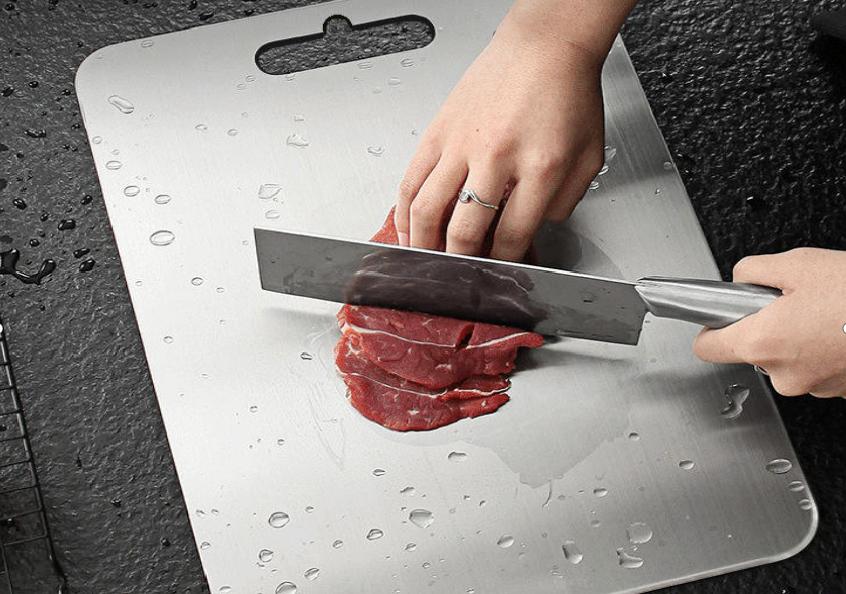
Why do so many people ask if stainless steel cutting boards dull knives? The answer might surprise you. Cutting boards are essential in every kitchen, but the material you choose can affect the sharpness and lifespan of your knives. Stainless steel boards are not common, but some cooks prefer them for easy cleaning and durability. Are they really safe for your knives, or could they ruin your blades?
In this article, you’ll discover how stainless steel boards interact with knives, see real data, and find out what experts recommend. We’ll also compare stainless steel with other materials, clear up common myths, and give you practical advice if you’re considering a stainless steel cutting board.
How Cutting Boards Affect Knife Sharpness
Every time you cut food, your knife edge meets the board. If the board is too hard, your knife can lose its sharpness quickly. If it’s too soft, it may get deep grooves and be hard to clean. The ideal board lets the knife edge glide smoothly while supporting the blade.
Many cooks know that wood and plastic are popular because they are gentle on knives. But what about stainless steel? This material is much harder than wood or plastic. When you cut on steel, your knife edge is hitting a tough, unforgiving surface. Over time, this can affect the blade in several ways:
- Micro-chipping: Small chips can form on the knife’s edge.
- Rolling: The thin edge may bend or roll to one side.
- Loss of sharpness: The blade gets dull faster compared to softer boards.
A 2021 study found that knives used on hard surfaces, like steel or glass, lost their sharpness up to 3 times faster than those used on wood or plastic.
Stainless Steel Cutting Boards: Pros And Cons
Stainless steel boards offer some advantages, but there are clear downsides for knife maintenance.
Advantages
- Hygiene: Stainless steel is easy to clean. It doesn’t absorb liquids or odors.
- Durability: These boards do not crack, warp, or stain.
- Heat resistance: You can put hot pots or pans on them without damage.
- Non-reactive: They don’t react with acidic foods.
Disadvantages
- Knife dulling: Steel is much harder than knife steel. Cutting on it speeds up dulling.
- Noise: Cutting is loud and unpleasant, especially with heavy chopping.
- Slippery surface: Food can slide, making cutting less safe.
- Weight: Most stainless steel boards are heavier than plastic or wood.
- Cost: Quality stainless steel boards are usually expensive.
Real-life Example
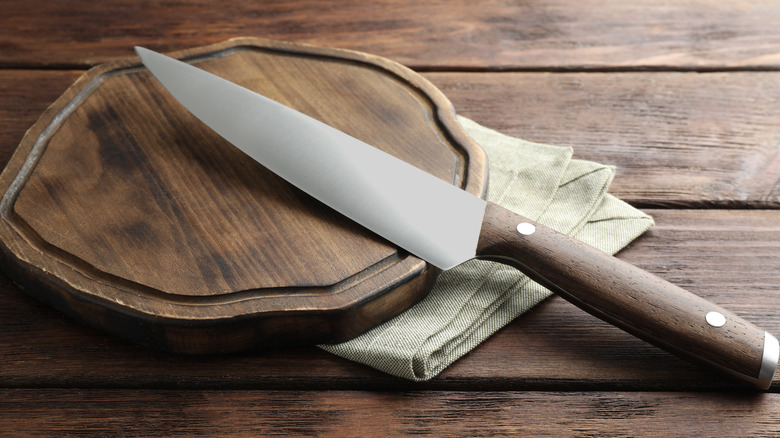
Professional chefs rarely use steel boards in their kitchens. They prefer wood or plastic to protect their knives, which are often expensive and used daily. Home cooks who try stainless steel boards often report needing to sharpen their knives more often.
Credit: www.tastingtable.com
Knife Dulling: Comparing Cutting Board Materials
To understand how stainless steel boards affect knives, it helps to compare them with other common materials. Here’s a data table showing how different boards impact knife sharpness over six months of daily use:
| Cutting Board Material | Knife Sharpening Frequency | Edge Damage (Chips/Deformation) | Average Knife Lifespan (Years) |
|---|---|---|---|
| Wood (Maple) | Every 8 weeks | Low | 5–7 |
| Plastic (HDPE) | Every 6 weeks | Moderate | 4–6 |
| Bamboo | Every 4 weeks | Moderate | 3–5 |
| Glass | Every 2 weeks | High | 2–4 |
| Stainless Steel | Every 2 weeks | High | 2–4 |
Key insight: Stainless steel boards require knives to be sharpened as often as glass boards, which are known to be the worst for knife edges. Over time, this leads to faster wear and shorter knife lifespan.
The Science Behind Knife Dulling
Knife edges are thin and delicate. Most kitchen knives are made from softer steel than stainless steel boards. When the edge hits a hard surface, it is forced to bend, chip, or flatten.
Studies show that repeated contact with hard materials can create microscopic fractures in the blade. These fractures make the edge dull faster and require more frequent sharpening. Cutting on stainless steel also increases the risk of slipping, which can cause accidental damage to the blade—and your hands.
A common beginner mistake is thinking all metal surfaces are equal. However, the hardness of stainless steel boards is much higher than knife steel. This mismatch is why knives lose their sharpness so quickly on steel boards.
Why Do Some People Use Stainless Steel Cutting Boards?
Despite the risks to knife sharpness, some people use stainless steel boards. Here’s why:
- Sanitation: In commercial kitchens, easy cleaning and resistance to bacteria are important. Stainless steel can be sterilized quickly.
- Longevity: Steel boards last longer than wood or plastic, especially in high-use environments.
- Style: Some home cooks like the modern, industrial look.
However, these benefits don’t outweigh the knife damage for most users. Even commercial kitchens usually use plastic boards for food prep and steel surfaces for worktables, not for cutting.
Comparing Stainless Steel To Wood And Plastic
How does stainless steel really stack up against wood and plastic? Here’s a comparison table:
| Feature | Stainless Steel | Wood | Plastic |
|---|---|---|---|
| Knife Edge Protection | Poor | Excellent | Good |
| Cleaning | Easy | Moderate | Easy |
| Longevity | High | Moderate | Low-Moderate |
| Price | High | Medium-High | Low |
| Food Safety | Excellent | Good | Good |
| Noise | High | Low | Low |
Wood remains the top choice for knife care, while plastic is a budget-friendly option. Stainless steel excels at hygiene and durability, but is the worst for knife maintenance.
Credit: leeknives.com
Practical Tips For Knife-friendly Cutting Board Choices
If you want to keep your knives sharp, avoid stainless steel boards. Here are some useful tips for choosing the best board:
- Choose softer materials: Wood (like maple or walnut) and quality plastic (HDPE) are gentle on knife edges.
- Avoid hard surfaces: Stay away from glass, ceramic, marble, and stainless steel for cutting.
- Clean regularly: Wash boards after each use to prevent bacteria buildup.
- Replace worn boards: Deep grooves can trap bacteria and damage knives.
- Use separate boards: Use one board for raw meats, another for vegetables to reduce cross-contamination.
Non-obvious insight: Some bamboo boards are harder than typical wood boards and can dull knives faster. Look for softer wood types if you want maximum knife protection.
You might find this helpful: Best Stainless Steel Cutting Boards
Knife Sharpening: How Often And Why
If you use a stainless steel cutting board, expect to sharpen your knives often. Most cooks sharpen knives every few months, but with steel boards, you may need to sharpen every 2–4 weeks. Over-sharpening can wear out the blade and reduce its lifespan.
Using a softer board lets you sharpen less and enjoy a sharper knife for longer.
Common Myths About Stainless Steel Cutting Boards
Many beginners believe these boards are good because they are used in some professional settings. But the reality is:
- Myth: Stainless steel boards are used for cutting in commercial kitchens.
- Fact: Steel is used for work surfaces, not cutting boards.
- Myth: Steel boards do not dull knives.
- Fact: Steel boards dull knives quickly due to their hardness.
- Myth: You can use any board for any knife.
- Fact: Hard boards damage fine knife edges, especially expensive chef knives.
When Is A Stainless Steel Cutting Board A Good Idea?
If you don’t care about knife sharpness—for example, you use cheap knives or only occasionally need a board—stainless steel can be convenient. It’s also good for serving, rolling dough, or food prep where knives are not involved.
Another practical use: stainless steel boards are ideal for certain food prep tasks, like pounding meat or handling sticky dough, where knife sharpness isn’t a concern.

Credit: www.amazon.com
What Experts Recommend
Knife experts and professional chefs almost always recommend wood or plastic boards for everyday use. They know that protecting the knife edge is key to safe, efficient cooking. You can find guidance from culinary schools, knife makers, and cooking websites. For more technical details, see this Wikipedia article on cutting boards.
Frequently Asked Questions
Does Stainless Steel Dull Knives Faster Than Wood Or Plastic?
Yes. Stainless steel is much harder than wood or plastic. Knives lose their sharpness up to 3 times faster on steel boards compared to wood.
Are Stainless Steel Cutting Boards Safe For All Types Of Knives?
No. They are especially bad for high-carbon steel knives and expensive chef knives. The hard surface causes chips and deformation.
Why Do Some Chefs Avoid Stainless Steel Cutting Boards?
Chefs value their knives and want to keep them sharp. Stainless steel boards cause dulling and damage, so most chefs use wood or plastic.
Can I Use A Stainless Steel Board For Anything Besides Cutting?
Yes. Stainless steel boards are great for food prep tasks like rolling dough, pounding meat, or serving food. Just avoid cutting with sharp knives.
What’s The Best Cutting Board Material For Knife Protection?
Wood, especially maple or walnut, is best for knife edge protection. Quality plastic boards are also good and easy to clean.
Final Thoughts
Stainless steel cutting boards might look sleek and modern, but they come at a cost. If you care about your knives, avoid using steel boards for regular cutting. Choose softer materials like wood or plastic to keep your blades sharp and safe.
Stainless steel boards are excellent for hygiene and durability, but not for knife maintenance. Remember, protecting your knife edge saves money, reduces effort, and makes cooking more enjoyable. If you’re serious about kitchen tools, invest in the right cutting board—and your knives will thank you.