Should You Put An Air Purifier In Every Room?
Air purifiers have become a common sight in homes around the world, especially as concerns about indoor air quality have grown. Dust, pollen, pet dander, and even outdoor pollution can enter your house and stay trapped, making the air you breathe less healthy. Many people wonder: Do you need an air purifier in every room? Or can a single device do the job? The answer is not always simple, but by understanding how air purifiers work, the size of your living space, and your family’s needs, you can make the right choice for your home.
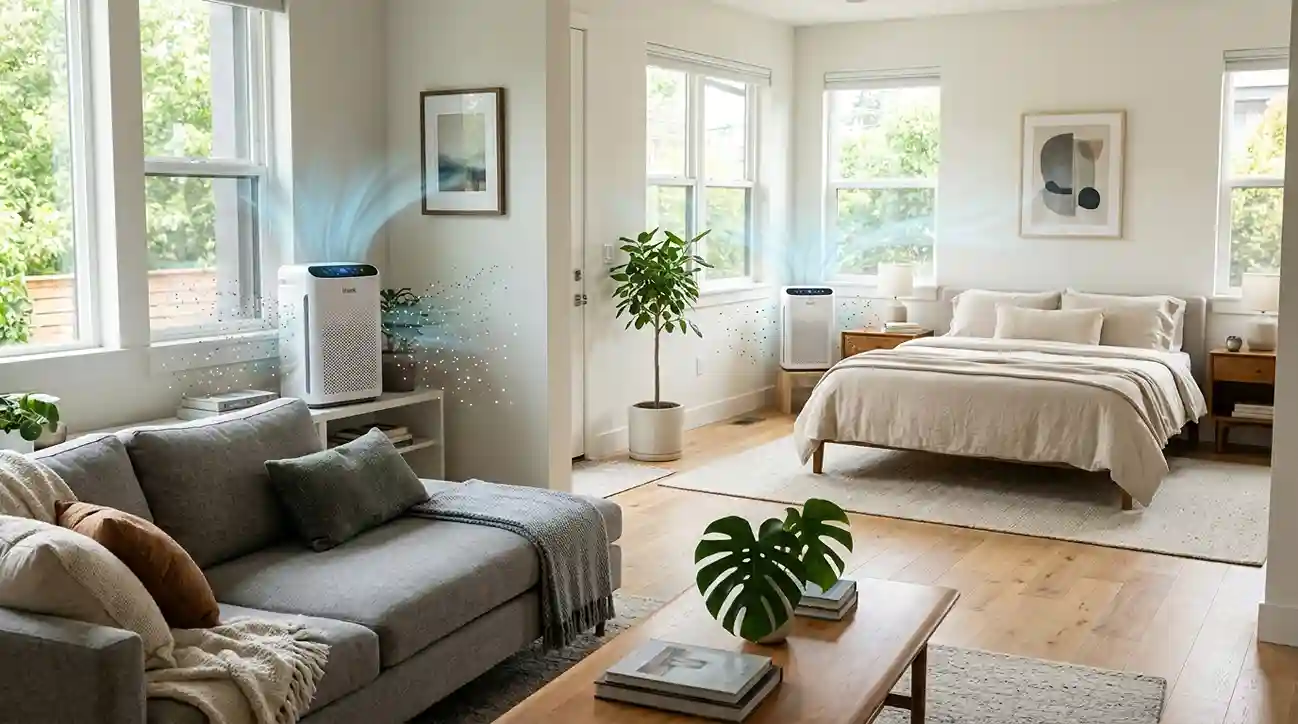
How Air Purifiers Work
Air purifiers use filters, such as HEPA (High-Efficiency Particulate Air) or activated carbon, to remove unwanted particles from the air. Some also use UV light or ionizers. These machines pull air from the room, run it through their filters, and release cleaner air back.
Most purifiers are designed to remove:
- Dust
- Pollen
- Pet hair and dander
- Mold spores
- Smoke
- Volatile Organic Compounds (VOCs)
But not all purifiers are the same. Some are better at removing small particles, while others focus on odors or chemicals. The effectiveness depends on both the type of filter and the size of the purifier compared to your room.
Does Every Room Need Its Own Air Purifier?
This is a common question, but the answer depends on several factors:
- Room size and layout
- Source of pollution
- Your health needs
- Budget
Let’s look at each in detail.
Room Size And Purifier Coverage
Every air purifier comes with a recommended coverage area (often in square feet). If your room is larger than this, the purifier won’t clean the air efficiently. For example, a purifier rated for 300 sq ft won’t work well in a 600 sq ft open-plan area.
You can compare the needs of different rooms using this simple table:
| Room Type | Average Size (sq ft) | Recommended Purifier Coverage |
|---|---|---|
| Bedroom | 120-200 | Small purifier (up to 200 sq ft) |
| Living Room | 250-400 | Medium purifier (300-500 sq ft) |
| Kitchen | 100-200 | Small purifier or kitchen-specific model |
| Office | 80-150 | Desk or mini purifier |
A single purifier can work for multiple rooms if you keep doors open and the device is strong enough. However, air does not move freely through closed doors or across long hallways. In larger or multi-story homes, multiple purifiers are often needed for best results.
Source Of Pollution
If you know where most of the pollution comes from, you can place a purifier in that room. For example:
- If you have pets, focus on bedrooms and living rooms where they spend time.
- If someone smokes indoors, the purifier should be in that area.
- Kitchens can have high VOCs from cooking, so a purifier there helps reduce smells and chemicals.
If every room has a different pollution source, having a purifier in each makes sense. But if most sources are in only one or two rooms, you might not need one everywhere.
Health Needs And Sensitivities
People with allergies, asthma, or weak immune systems are more sensitive to air quality. Children and the elderly are also at higher risk. If anyone in your home fits these groups, it’s smart to focus purifiers in bedrooms, since we spend about one-third of our lives sleeping.
If allergies are severe, having a purifier in every room—especially where you spend most time—may give extra protection.
Budget And Energy Use
Air purifiers can be expensive, especially high-quality ones. They also use electricity and need filter changes every few months. Buying and running several purifiers can add up.
Here’s a quick comparison:
| Number of Purifiers | Upfront Cost (avg.) | Annual Filter Cost | Energy Cost (per year) |
|---|---|---|---|
| One | $100-$300 | $40-$100 | $10-$20 |
| Three | $300-$900 | $120-$300 | $30-$60 |
| Whole-House System | $1,000-$5,000 | $100-$200 | $40-$80 |
If your budget is tight, it’s better to buy one good purifier and move it to rooms where you spend the most time.
When Does Every Room Need A Purifier?
There are times when you really do need an air purifier in every room:
- Severe allergies or asthma: If someone is highly sensitive, every room should have clean air.
- Multiple pets: Pet dander spreads easily, and having a device in each room helps control it.
- Home is near heavy traffic or factories: Outdoor pollution can enter through windows and doors.
- Mold problems: If you have mold, especially in bathrooms or basements, consider a purifier in each affected room.
- Multiple smokers: If people smoke in different rooms, each area needs its own purifier.
- Home is very large or has many separate spaces: Open layouts may work with fewer units, but closed-off rooms each need their own.
You might find this helpful: Best Air Purifiers for Large Rooms
How To Decide: Key Questions To Ask
Before buying, ask yourself:
- Where do you spend most of your time at home?
- Are there rooms where air quality is worse (kitchen, basement, pet room)?
- Does anyone in the family have breathing problems?
- How much can you spend on devices and filters?
- Is your home open-plan or full of small, closed rooms?
If most of your time is in the living room and bedroom, start with those. If the air is clean in a guest room or storage area, you may not need a purifier there.
Credit: www.airoasis.com
Alternatives To Multiple Purifiers
If you don’t want to buy a purifier for every room, consider these options:
Moveable Purifiers
Some people use a portable air purifier and move it around the house. For example, use it in the bedroom at night and the living room during the day. This works if you don’t mind moving the device and if your needs are not severe.
Central Or Whole-house Air Purifiers
A whole-house air purifier connects to your HVAC system. It cleans air for every room at once. This is a big investment, but it’s the best choice for large homes or families with serious allergies.
Whole-house units remove more than just dust and pollen—they can also target mold spores, bacteria, and some viruses. They need professional installation but require less maintenance than many small units.
Improving Home Ventilation
You can also improve air quality by:
- Opening windows (when outdoor air is clean)
- Using exhaust fans in kitchens and bathrooms
- Keeping your home clean and dust-free
- Using allergen-proof bedding and covers
These steps won’t replace a good air purifier but can help reduce the need for multiple devices.
Common Mistakes To Avoid
When buying air purifiers, many people make these mistakes:
- Buying a unit too small for the room: Always check the coverage area.
- Ignoring filter replacement costs: Some filters are expensive or hard to find.
- Placing purifiers in corners or behind furniture: This blocks airflow and reduces effectiveness.
- Running purifiers only a few hours a day: For best results, run them continuously.
- Forgetting about noise: Some machines are loud, which can be a problem in bedrooms.
A less obvious mistake is not considering CADR (Clean Air Delivery Rate). This tells you how fast a purifier cleans the air of dust, smoke, and pollen. A higher CADR means better performance for large rooms.
Real-life Examples
Consider these situations:
- A family with two dogs and a child with asthma: They use purifiers in the child’s bedroom and living room, but skip the guest room.
- A single person living in a studio apartment: One medium purifier works for the whole space.
- An elderly couple in a two-story house: They use two purifiers—one upstairs, one downstairs—and move them as needed.
Many people find that starting with one or two purifiers is enough, then add more if they notice dust or allergy symptoms in other rooms.
What The Experts Say
The Environmental Protection Agency (EPA) says that using an air purifier can help reduce certain indoor air pollutants. However, they recommend combining purifiers with good ventilation and other controls for best results. The EPA also notes that not all purifiers remove gases like VOCs, and some technologies (like ozone generators) can be unsafe.
You can find more on this from the EPA’s official guide.
Credit: alen.com
Frequently Asked Questions
Do Air Purifiers Work Through Closed Doors?
No. Air purifiers are most effective in the room where they are placed. Closed doors prevent air from moving freely, so each enclosed space needs its own purifier for best results.
How Long Should I Run My Air Purifier Each Day?
Most experts recommend running your air purifier 24/7 for the cleanest air. If you want to save energy, run it at least during times when you are in the room or when pollution is highest (like after cooking).
Can I Use One Air Purifier For An Entire Apartment?
It depends on the size of your apartment and the power of the purifier. In a small, open-plan studio, one strong device is often enough. In larger, multi-room apartments, you may need more than one or move the unit between rooms.
Do I Need A Purifier In The Kitchen?
Kitchens create VOCs, smoke, and odors. If you cook often, a purifier can help reduce these pollutants. Choose a device with an activated carbon filter for best results with cooking smells.
How Often Do I Need To Replace Filters?
Most HEPA filters last 6 to 12 months, and carbon filters last about 3 to 6 months. Check your purifier’s manual for details, as not changing filters can reduce performance and air quality.
Final Thoughts
You don’t always need an air purifier in every room, but you do need to match your devices to your living space, health needs, and budget. Start with the rooms where you spend most time, like bedrooms and living areas. If you notice improvements in allergy symptoms or less dust, you’re on the right track. Remember, air purifiers work best when used with good cleaning habits and home ventilation. The right setup can help you and your family breathe easier, without spending more than you need.

Credit: www.reddit.com