Keeping your food fresh and safe starts with one simple thing: the right refrigerator temperature. Many people think “cold is cold,” but the truth is more precise. If your fridge is too warm, food spoils quickly and dangerous bacteria can grow. If it’s too cold, you waste energy and risk freezing your fresh produce. So, how cold should a refrigerator be?
This guide explains the ideal temperature, why it matters, how to check and adjust your fridge, and solves common problems. Whether you just bought a new appliance or want to make sure your food stays safe, you’ll find clear answers here.
The Ideal Refrigerator Temperature
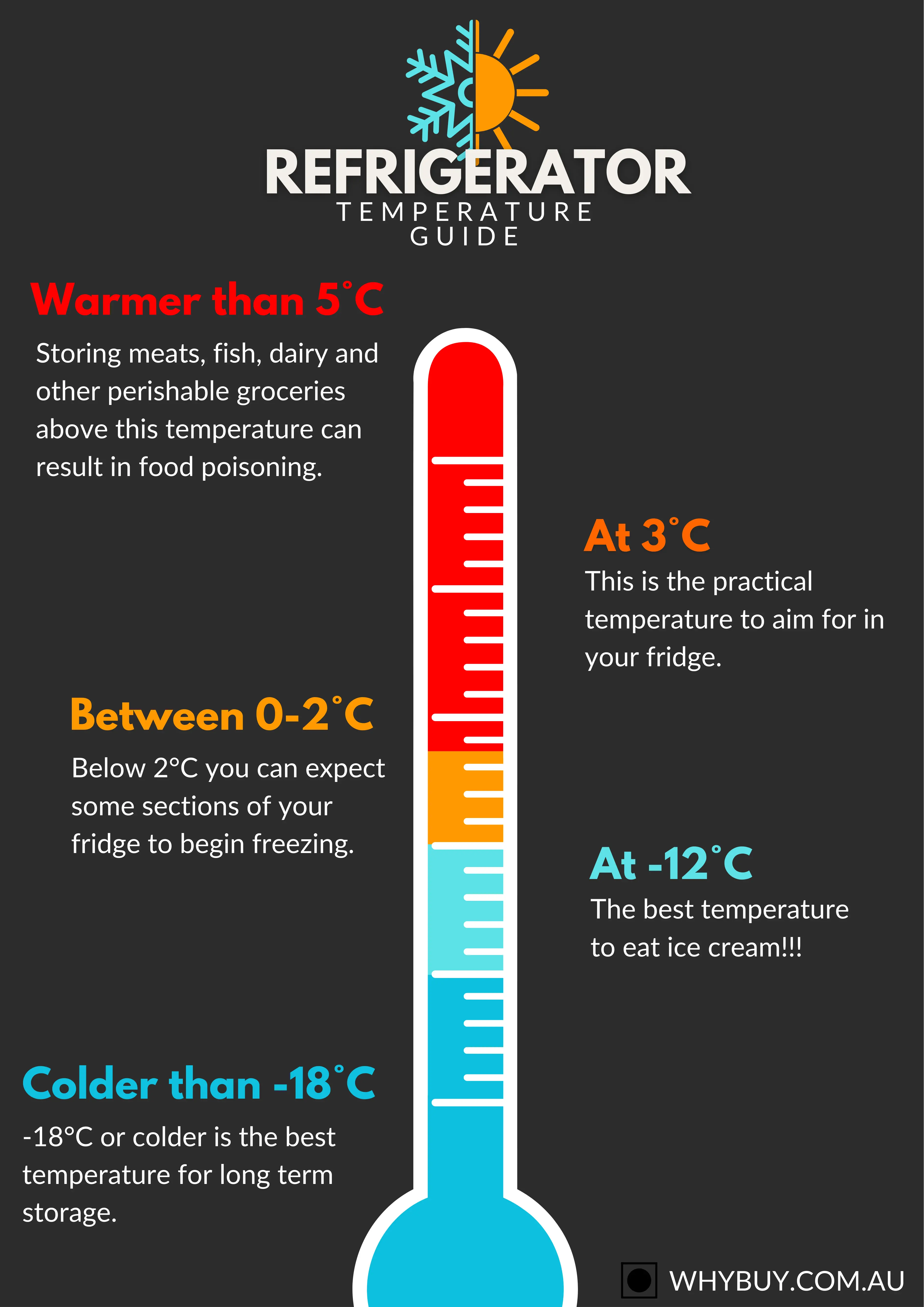
The recommended temperature for most home refrigerators is between 35°F and 38°F (about 1.7°C to 3.3°C). This range keeps food fresh and slows down bacteria growth. The US Food and Drug Administration (FDA) suggests keeping your fridge at or below 40°F (4°C), but most experts agree that 37°F (2.8°C) is a sweet spot.
Why not colder? If you set your fridge below 32°F (0°C), water in food can freeze. Lettuce and other vegetables may turn mushy. If your fridge is warmer than 40°F (4°C), bacteria like Salmonella and E. coli can multiply fast.
Here’s a quick comparison:
| Temperature | Effect on Food |
|---|---|
| Below 32°F (0°C) | Food may freeze; texture changes |
| 35°F–38°F (1.7°C–3.3°C) | Best for freshness and safety |
| 39°F–40°F (3.9°C–4°C) | Safe, but food may spoil faster |
| Above 40°F (4°C) | Risk of bacteria growth |
Why Refrigerator Temperature Matters
Temperature control is not just about taste—it’s about food safety. Bacteria multiply quickly above 40°F (4°C). In fact, the CDC notes that bacteria can double every 20 minutes in the “danger zone” (40°F–140°F). Keeping your fridge cold slows this process.
Nutritional quality is also affected. Milk, cheese, fruits, and vegetables last longer when properly chilled. For example, milk stored at 37°F (2.8°C) stays fresh about twice as long as milk at 45°F (7.2°C).
Energy usage matters, too. If your fridge is set too low, you waste electricity. According to Energy Star, a fridge set 5°F colder than needed can use 10% more energy.
Credit: www.reviewed.com
How To Measure Your Refrigerator’s Temperature
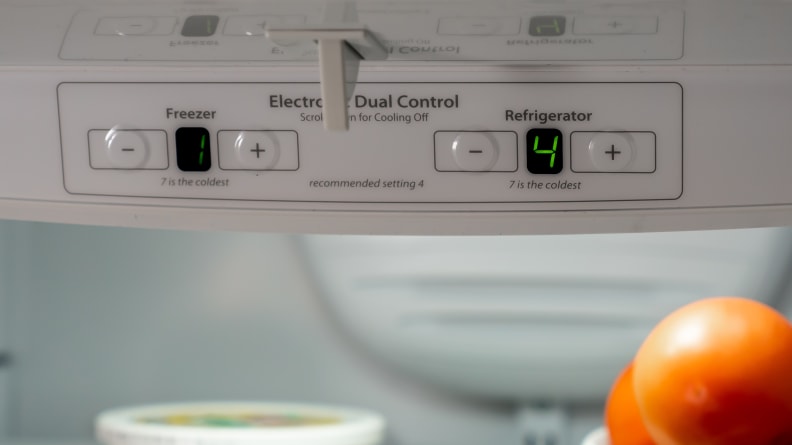
Most fridges have a dial or digital display, but these settings don’t always show the actual temperature. The best way to check is with a refrigerator thermometer. These are cheap and easy to use.
Here’s how to check:
- Place the thermometer in the center of your fridge.
- Wait at least 8 hours for an accurate reading.
- Check the temperature. Adjust the setting if needed.
Repeat this process after adjusting the temperature. It may take several hours for changes to take effect.
Some smart refrigerators have built-in sensors, but even these can be off by a few degrees. Manual checking is always more reliable.
Adjusting Your Refrigerator For Different Needs
Every fridge is different, and your needs may change. For example, if you store lots of raw meat, you may want the lower end of the range (35°F). If you have delicate produce, aim for 38°F.
Here’s how to adjust:
- Turn the dial or digital control one setting colder or warmer.
- Wait 8–24 hours for the change to take effect.
- Re-check with a thermometer.
If your fridge has multiple zones, use them wisely. The coldest part is often the bottom shelf or the back wall. Use these for meat, fish, and dairy. The door shelves are warmer—use them for condiments.
Practical Tips For Temperature Adjustment
- Don’t overload the fridge. Air needs to circulate.
- Keep the door closed as much as possible.
- Avoid hot food—let leftovers cool before storing.
- Clean the condenser coils once or twice a year. Dirty coils make the fridge less efficient.
Credit: www.whybuy.com.au
Common Refrigerator Temperature Problems
Many people notice their fridge is too warm or too cold, even after adjusting. Here are some common issues:
- Thermostat problems: If the dial or electronic control fails, the temperature may not change as expected.
- Blocked vents: Food blocking the air vents stops cold air from circulating.
- Door gasket leaks: If the rubber seal is cracked, warm air gets in.
- Dirty coils: Dusty condenser coils make the fridge work harder.
If you have ongoing issues, check each of these areas. Sometimes, a simple fix like cleaning the coils or rearranging food solves the problem.
Effects Of Temperature On Different Foods
Different foods react to temperature in unique ways. Here’s a look at how proper chilling affects freshness:
| Food Type | Ideal Storage Temp | How Temperature Affects Freshness |
|---|---|---|
| Raw Meat | 32°F–36°F | Stays safe; bacteria growth is slow |
| Milk | 35°F–37°F | Lasts longer; less souring |
| Leafy Greens | 38°F–40°F | Stays crisp; too cold causes wilting |
| Eggs | 35°F–40°F | Remain safe; avoid freezing |
| Cheese | 36°F–38°F | Prevents mold; too cold affects texture |
Special Cases: Freezers, Wine Coolers, And More
Not all cold storage is the same. Freezers are designed for much lower temperatures—0°F (-18°C) or below. Wine coolers typically aim for 45°F–55°F (7°C–13°C). These appliances use different settings and are not meant for regular food storage.
If you try to store fresh food in a freezer, it will freeze solid. If you use a wine cooler for perishables, they may spoil.
How To Keep Your Refrigerator At The Right Temperature
Maintaining the correct temperature is not a “set and forget” task. You need to monitor and make adjustments.
- Use a thermometer regularly.
- Keep the fridge clean and organized.
- Check door seals for leaks.
- Adjust settings seasonally. In summer, you may need a colder setting.
Here are some signs your fridge may be too warm:
- Milk spoils quickly.
- Ice cream is soft.
- Meat smells bad before the expiration date.
And signs it’s too cold:
- Lettuce or fruit freezes.
- Drinks have ice crystals.

Credit: wandp.com
Modern Refrigerator Features For Temperature Control
Today’s refrigerators often include smart features:
- Digital displays: Show exact temperature readings.
- Temperature zones: Separate compartments with different settings.
- Door alarms: Warn you if the door is open too long.
- Smart sensors: Adjust cooling automatically.
These features help keep your food safe, but manual checking is still important.
Some models even connect to apps, letting you monitor from your phone. Still, the basic principles remain: keep your fridge between 35°F and 38°F, check regularly, and adjust as needed.
How Outside Factors Affect Refrigerator Temperature
Room temperature, humidity, and fridge placement all play a role.
- Hot kitchens: The fridge may need more power to stay cold.
- Sunlight exposure: Direct sunlight warms the appliance.
- Crowded fridge: Too much food blocks airflow.
- Frequent door opening: Warm air rushes in.
Try to place your fridge away from heat sources and leave some space around it for airflow. If you live in a hot climate, you may need to set your fridge slightly colder.
Comparing Popular Refrigerator Brands For Temperature Consistency
Not all fridges perform equally. Brands differ in how well they maintain steady temperatures.
| Brand | Temperature Consistency | Special Features |
|---|---|---|
| Whirlpool | Very stable | Digital controls, door alarms |
| Samsung | Stable | Smart sensors, app connectivity |
| LG | Stable | Multiple zones |
| Frigidaire | Moderate | Basic controls |
| GE | Stable | Temp alarms, easy cleaning |
Higher-end fridges usually offer more features for temperature control, but regular models work well if you use a thermometer.
Two Non-obvious Insights About Refrigerator Temperature
- Temperature varies inside your fridge. The back and bottom are often colder than the front and top. If you keep sensitive items (meat, dairy) in these spots, they stay fresher longer.
- Door shelves are the warmest place. Even though many people store milk or eggs here, it’s better to keep them on interior shelves. Door shelves are good for condiments, pickles, and drinks.
Steps To Fix Common Refrigerator Temperature Issues
If you notice your fridge isn’t cold enough, follow these steps:
- Check the thermometer reading.
- Adjust the dial or digital setting one step colder.
- Rearrange food so vents aren’t blocked.
- Clean door seals and check for leaks.
- Clean condenser coils.
- If problems persist, call a technician.
Most issues have simple solutions, but a broken thermostat or compressor may need professional repair.
Frequently Asked Questions
How Often Should I Check My Refrigerator’s Temperature?
For best results, check your fridge’s temperature once a week. If you notice food spoiling quickly, check more often. A simple thermometer costs less than $10 and lasts for years.
Can I Use My Freezer Thermometer In The Refrigerator?
Yes, but make sure it reads between 0°F and 40°F. Some freezer thermometers only measure very low temperatures and may not be accurate for the fridge.
Is It Safe To Store Leftovers If The Fridge Is At 40°f?
Food safety experts agree that below 40°F (4°C) is safe, but 37°F is better. At 40°F, bacteria growth slows, but it’s close to the danger zone.
Why Is My Milk Spoiling Even Though My Fridge Is Cold?
Milk may spoil if the temperature inside the fridge fluctuates or if it’s stored on the door. Keep milk on a middle shelf, towards the back, and check for leaks or blocked vents.
What Should I Do If My Fridge Temperature Won’t Stay Steady?
Try cleaning the coils, checking door seals, and rearranging food. If the problem continues, the thermostat or compressor may be failing. Contact a technician for repair.
Getting your refrigerator temperature right is simple, but it makes a big difference. With the right setting, your food stays safe, fresh, and tasty for longer. Remember, between 35°F and 38°F is best for most homes. Use a thermometer, adjust as needed, and pay attention to where you store different foods. If you want more detailed guidance, check resources like the FDA’s food safety page. Taking a few minutes to check your fridge can save money, reduce waste, and keep your family healthy.