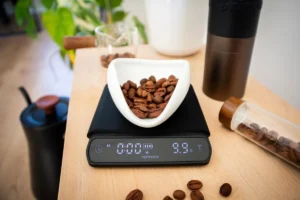
If you love coffee, you might know that grinding beans just before brewing gives the best flavor. But have you ever wondered how a coffee grinder actually works? Understanding this small machine can help you make better coffee at home, choose the right grinder, and avoid common mistakes that many beginners make. Let’s break down the science, the mechanics, and what really happens inside a coffee grinder.
Why Grinding Coffee Matters
Coffee beans are full of oils, acids, and flavors. When you grind them, you expose the inside of the bean to air. This starts a fast process: the fresh grounds begin to release their aroma and flavor. If you grind your beans just before brewing, your cup is richer and more complex.
But not all grinding is equal. The size and shape of the coffee particles, called the grind size, affect how water extracts flavor. For example, espresso needs a fine grind, while French press requires a coarse one. That’s why the grinder you use—and how it works—matters so much.
The Two Main Types Of Coffee Grinders
There are two big families of coffee grinders: blade grinders and burr grinders. They work in very different ways.
Blade Grinders
A blade grinder uses a spinning blade (like a small propeller) to chop up the beans. When you press the button, the blades move quickly, smashing the beans into smaller pieces. The longer you grind, the finer the coffee gets.
Pros:
- Usually cheaper
- Simple to use
- Small size fits anywhere
Cons:
- Hard to control grind size
- Heats up and can burn beans
- Inconsistent particle size (some fine, some large)
Read this next: Burr Grinder Vs Blade Grinder
Burr Grinders
A burr grinder uses two abrasive surfaces (burrs) to crush the beans. You set the distance between the burrs to control the grind size. The beans fall between the burrs and are ground to a consistent size.
Pros:
- Very even grind size
- Less heat, better flavor
- Control over grind size
Cons:
- More expensive
- Heavier and bigger
- Needs cleaning
Here’s a simple comparison between the two types:
| Feature | Blade Grinder | Burr Grinder |
|---|---|---|
| Consistency | Poor | Excellent |
| Price | Low | Medium to High |
| Size Control | Limited | Precise |
| Heat | High risk | Low risk |

Credit: kaffeproducts.com
How Blade Grinders Work
Inside a blade grinder, you’ll find a small chamber for beans and a spinning blade at the bottom. When you press the button, the blade whirls around at high speed, slicing and smashing the beans. The longer it runs, the smaller the coffee pieces become.
What Actually Happens
- Beans jump around in the chamber.
- The blade hits them randomly, breaking them into chunks.
- Some pieces are big, some are tiny.
- The grounds can get hot because of friction.
This means your coffee grounds will not all be the same size. Some might be powder, some might be large chunks. This makes brewing tricky, because water moves faster through big pieces and slower through small ones. The result is often uneven coffee—some bitter, some sour.
When Blade Grinders Are Useful
If you only make coffee sometimes, or you want something cheap, a blade grinder is fine. But if you want to make espresso or very precise coffee, you’ll struggle with this type.
How Burr Grinders Work
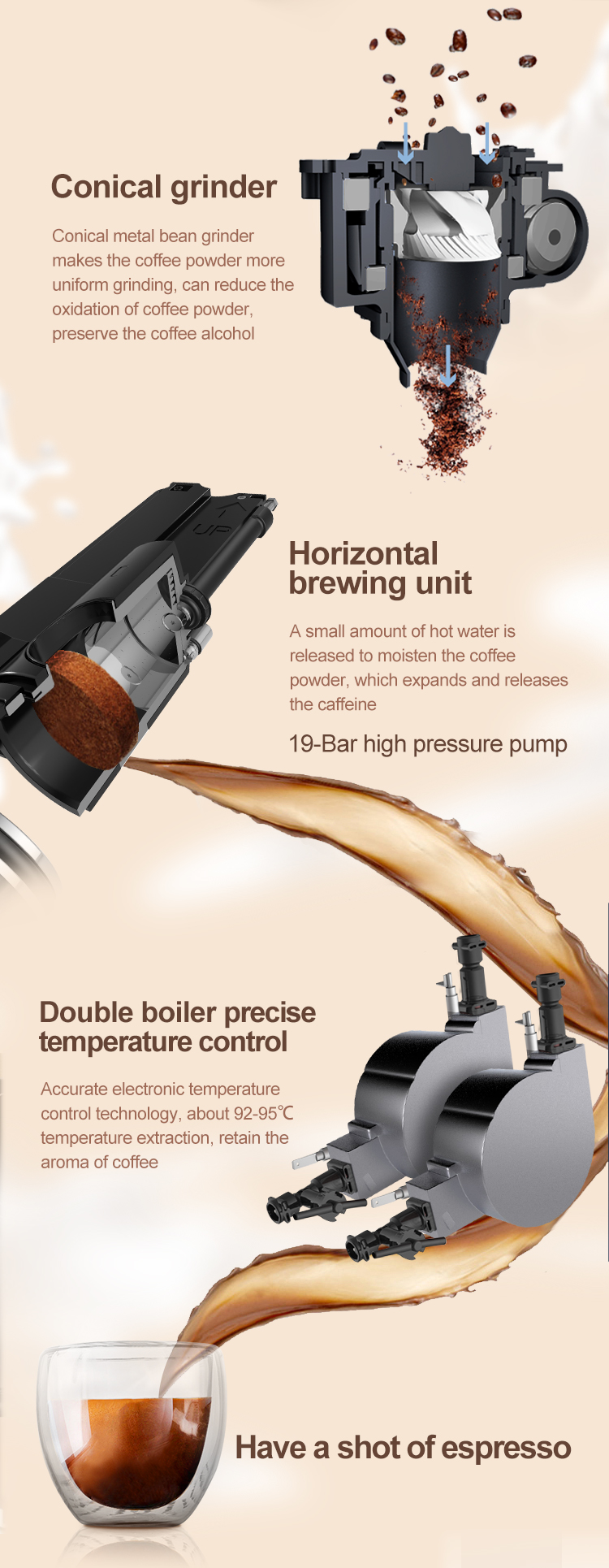
A burr grinder is more advanced. It has two hard surfaces (the burrs) that come together. The space between them is set to your chosen grind size. Beans drop in from above, get caught between the burrs, and are crushed evenly.
The grounds fall out below.
Types Of Burr Grinders
There are two main shapes of burrs:
- Flat burrs: Two flat rings placed on top of each other.
- Conical burrs: One cone-shaped and one flat ring.
Both types work well, but conical burrs are a bit quieter and create less mess.
The Grinding Process
- Beans fall between the burrs.
- The burrs crush the beans, not slice them.
- The distance between burrs sets the size of the grounds.
- The process is slow and steady, with less heat.
This produces coffee grounds that are almost all the same size. This is key for even brewing and great flavor.
Here’s a quick look at the two burr shapes:
| Burr Shape | Noise | Heat | Cost |
|---|---|---|---|
| Flat | Higher | More | Medium-High |
| Conical | Lower | Less | Medium |
Manual Vs. Electric Burr Grinders
You can find burr grinders powered by hand (manual) or by electricity.
Manual burr grinders are great for travel or small kitchens. They’re quiet and give you control, but need effort. Electric burr grinders are faster and good for daily use, but cost more.
How Grind Size Affects Your Coffee
The grind size changes how quickly water moves through coffee grounds. Too fine, and water can’t get through; too coarse, and it passes too quickly. Both problems ruin the taste.
- Espresso: Needs a fine grind, like sugar.
- Drip coffee: Medium grind, like sand.
- French press: Coarse grind, like sea salt.
Most burr grinders have a dial to set the grind size. Blade grinders do not, so you have to guess or stop and check.
Here’s how grind size matches brewing methods:
| Brewing Method | Ideal Grind Size |
|---|---|
| Espresso | Fine |
| Pour Over | Medium-Fine |
| Drip Machine | Medium |
| French Press | Coarse |
| Cold Brew | Extra Coarse |
Non-obvious Tips For Grinding Coffee
Many people focus only on the machine, but two other factors often go unnoticed:
- Freshness of beans: Old beans can taste flat no matter how good your grinder is.
- Clean your grinder: Coffee oils and fine grounds build up inside. This can spoil the taste over time.
Another detail: Some grinders make static electricity, which causes grounds to stick everywhere. To fix this, you can add a tiny drop of water to your beans before grinding (called the “Ross Droplet Technique”). It reduces mess and waste.
Common Mistakes When Using A Coffee Grinder
Even with a good grinder, it’s easy to make errors. Here are some to avoid:
- Grinding too much at once: Coffee loses flavor fast after grinding.
- Not adjusting grind size for your brew method.
- Ignoring the burrs or blades—these wear out and need replacement.
- Skipping cleaning: Old grounds change the taste.
If you’re buying a grinder, don’t just pick the cheapest. Think about what coffee you like and how much you make.
How To Choose The Right Coffee Grinder
Picking a grinder can be confusing, but you can narrow it down by asking:
- What type of coffee do you make most (espresso, drip, French press)?
- How much space do you have?
- Do you need something quiet, or is noise okay?
- What’s your budget?
Blade grinders are fine for beginners or low-cost options. Burr grinders are best for anyone who wants to get serious about coffee.
Don’t forget to check reviews and see if spare parts (like burrs) are available. Some brands offer good support, which helps if you use your grinder a lot.
For more detail, you can read about the mechanics of grinders on Wikipedia.
Credit: www.mcilpoog.com
How To Use A Coffee Grinder Properly
Here’s a step-by-step guide:
- Measure your beans: Use a scale for accuracy.
- Set your grind size: Choose the right setting for your brew.
- Add beans to the hopper: Don’t overfill.
- Grind in short bursts: For blade grinders, shake gently between bursts.
- Collect the grounds: Tap to release any stuck grounds.
- Clean afterward: Brush out leftover grounds.
This way, you get the freshest, most flavorful coffee every time.
Taking Care Of Your Grinder
A well-maintained grinder lasts longer and makes better coffee.
- Clean burrs or blades: Every week if you use it daily.
- Replace worn parts: Burrs and blades lose sharpness over time.
- Avoid grinding oily beans: They can clog up the machine.
If you hear strange noises or see uneven grounds, it might be time for maintenance.
The Future Of Coffee Grinders
Modern grinders are getting smarter. Some have digital timers, app controls, or even weigh your coffee for you. These features help with consistency but are not essential for everyone.
One trend is single-dose grinders—you add just enough beans for one cup. This avoids old grounds sitting inside and keeps every cup fresh.
Frequently Asked Questions
How Do I Know When To Replace My Grinder Burrs Or Blades?
You’ll notice your coffee tastes weaker or the grounds are uneven. Burrs usually last for 500-1000 pounds of coffee. If you see shiny spots, chips, or your grinder makes strange sounds, it’s time to replace them.
Can I Use A Coffee Grinder For Spices Or Nuts?
Yes, but only with a blade grinder, and clean it well afterward. Spices and nuts can leave strong smells and oils that affect your coffee’s flavor. Burr grinders are not designed for anything but coffee beans.
Why Does My Grinder Make A Mess With Coffee Grounds?
Some grinders create static electricity, which makes grounds stick to the sides or lid. Try the Ross Droplet Technique: add a single drop of water to your beans before grinding to reduce static.
Is A Manual Grinder Better Than An Electric One?
Manual grinders are quieter, portable, and cheaper, but need more effort. Electric grinders are faster and better for daily use. For best grind consistency, focus on the burr type, not just manual vs. electric.
How Fine Should I Grind Coffee For Espresso?
Espresso needs a very fine grind, almost like powdered sugar. Too coarse, and the shot will be weak. Too fine, and it will be bitter or won’t flow. Adjust a little at a time and check the taste.
Grinding coffee is more than just pressing a button. The right grinder, used and cared for properly, can change your coffee experience. Whether you’re just starting or want to dive deeper, knowing how your coffee grinder works will help you enjoy every cup.

Credit: www.youtube.com