A pressure cooker is one of the most useful kitchen tools for cooking food quickly and efficiently. You might remember seeing your parents or grandparents use one, but do you really know how a pressure cooker works? Understanding the science behind it can help you cook tastier, healthier meals and avoid common mistakes.
Let’s explore how pressure cookers operate, why they’re faster than regular pots, and what makes them a smart choice for many households.
The Basic Science Behind Pressure Cooking
Cooking usually happens when heat causes water to turn into steam, which cooks the food. In a normal pot, the boiling point of water is 212°F (100°C) at sea level. But when you cover a pot and trap the steam, pressure starts to build.
A pressure cooker takes this to the next level by creating a sealed environment where steam cannot escape easily. This extra pressure raises the boiling point of water inside the cooker to about 250°F (121°C).
What does this mean for your food? Higher temperatures cook food faster. For example, tough cuts of meat that normally need hours of boiling can become tender in less than an hour inside a pressure cooker. The trapped steam and pressure force heat deeper into the food, speeding up the process.
Key Parts Of A Pressure Cooker
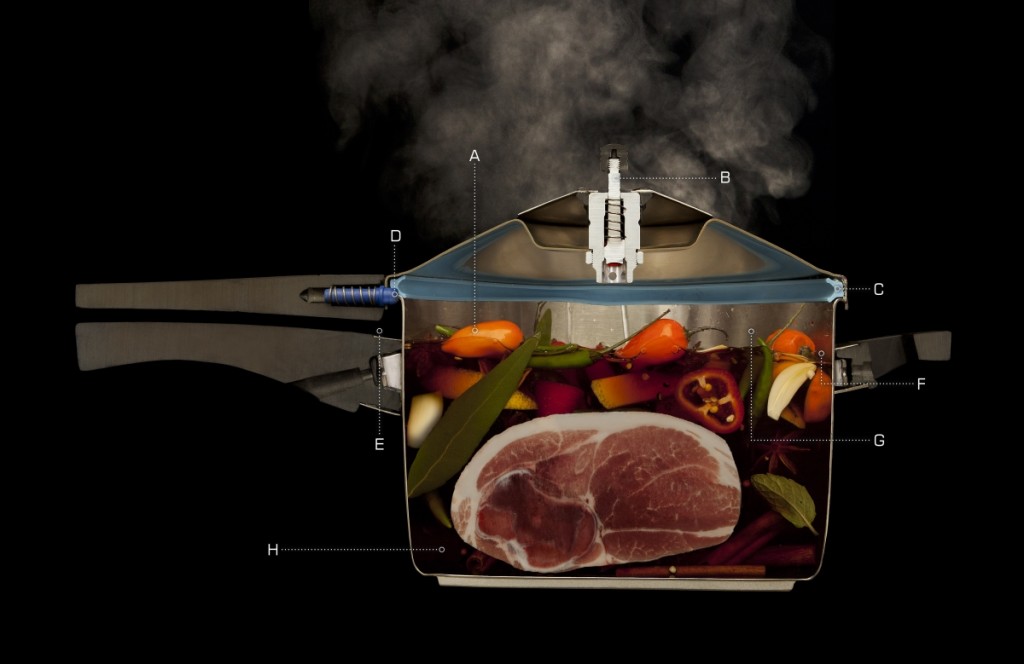
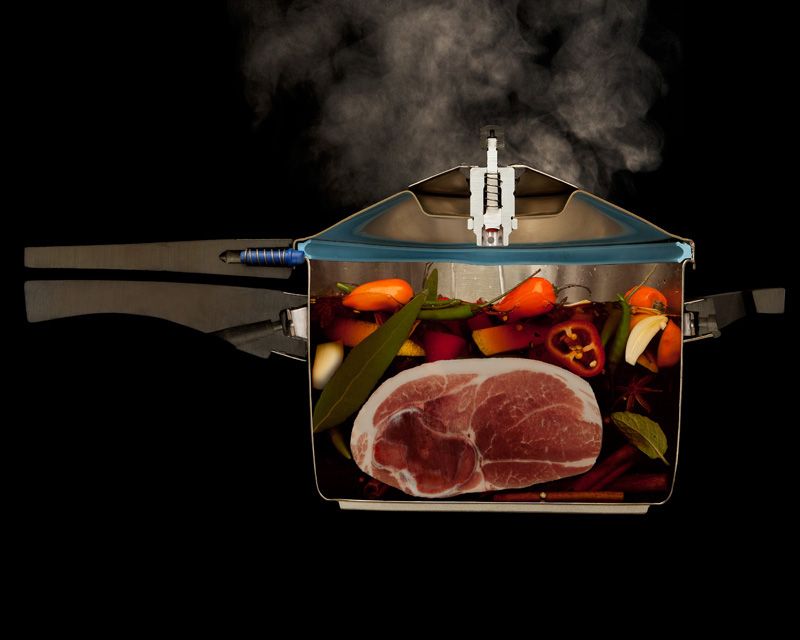
Every pressure cooker, whether traditional stovetop or modern electric, has a few important parts that help it work safely:
- Pressure Lid: A strong, locking lid creates an airtight seal so steam cannot escape.
- Rubber Gasket: This soft ring fits between the lid and the pot, making the seal even tighter.
- Pressure Valve: Controls how much pressure builds up by letting out small amounts of steam.
- Safety Valve: Releases steam if the pressure gets too high for safety.
- Pressure Indicator: Shows if there is pressure inside, so you know when it’s safe to open.
Some electric models also include digital timers, temperature sensors, and automatic release systems for extra convenience.
Credit: modernistcuisine.com
How Pressure Builds And Cooks Food
When you add food and liquid to the cooker and lock the lid, heating starts to turn the liquid into steam. Because the lid is sealed tight, the steam cannot escape, so pressure begins to rise inside. As pressure increases, so does the boiling point of water.
When the pressure reaches the cooker’s maximum (usually 15 psi, or pounds per square inch, above normal air pressure), the pressure valve opens slightly to let out excess steam. This keeps the pressure at a safe, steady level.
At this point, the temperature inside is much higher than in a regular pot. The steam and pressure combine to cook the food quickly and evenly. For example, beans that normally take 2 hours to cook can be ready in 25–30 minutes.
Pressure Cooker Vs. Regular Cooking
It’s easy to see why pressure cookers are popular, but how do they compare with regular stovetop or oven cooking? The main differences are speed, energy use, and how the food turns out.
| Feature | Pressure Cooker | Regular Pot |
|---|---|---|
| Cooking Speed | 2-10x faster | Slower, depends on food |
| Energy Efficiency | Uses less energy | Uses more energy |
| Flavor & Nutrients | Locks in flavor, retains nutrients | Can lose nutrients, flavors escape |
| Moisture Loss | Low, food stays moist | Higher, can dry out food |
One less obvious benefit is that pressure cooking can reduce the cooking time for foods like whole grains or legumes, which are often skipped because of their long cooking times.
Types Of Pressure Cookers
Pressure cookers have come a long way from the noisy, rattling pots of the past. There are two main types: stovetop and electric pressure cookers.
| Type | Main Features | Best For |
|---|---|---|
| Stovetop | Heats up faster, more durable, simple design | Experienced cooks, those who want full control |
| Electric | Automatic controls, built-in timers, safety features | Beginners, busy families, multi-cooking |
Electric models like the Instant Pot have become popular because they combine pressure cooking with slow cooking, rice making, and even yogurt making. However, stovetop models are often preferred by chefs for their precise heat control and faster pressure buildup.
How Pressure Affects Different Foods
The high temperature and steam inside a pressure cooker change how food cooks in several ways:
- Tough Meats: The pressure breaks down collagen in tough cuts, making them soft and juicy.
- Beans and Legumes: The steam penetrates the hard shells quickly, speeding up cooking and making them easier to digest.
- Vegetables: Hard vegetables like potatoes and carrots cook in minutes, but delicate vegetables can get mushy if overcooked.
- Rice and Grains: The even heat cooks grains perfectly, often in half the time.
There’s a common mistake beginners make: overcooking foods that don’t need much time, like fish or leafy greens. These are best added at the end, or cooked for a shorter period, to avoid a mushy texture.
Safety Features: Why Pressure Cookers Are Safe Today
Early pressure cookers sometimes got a bad reputation because of stories about exploding pots. Modern pressure cookers, however, are designed with multiple layers of safety:
- Locking Mechanism: The lid cannot be opened until the pressure inside drops to a safe level.
- Pressure Release Valves: If pressure gets too high, extra steam is released automatically.
- Backup Safety Valves: A second valve opens if the first fails, as an extra protection.
- Gasket Release: In rare cases, the gasket will allow steam to escape around the lid if all else fails.
Thanks to these features, today’s pressure cookers are much safer. Most accidents happen when people try to open the lid too soon or don’t maintain the rubber gasket. Regular cleaning and checking the gasket for cracks can prevent problems.
How To Use A Pressure Cooker Step By Step
If you’re new to pressure cooking, it can seem a bit intimidating. Here’s a simple guide to get you started:
- Read the Manual: Every pressure cooker is a little different. Check the instructions for your model.
- Add Food and Liquid: Pressure cookers need liquid to create steam. Most recipes call for at least 1 cup of water or broth.
- Close and Lock the Lid: Make sure the gasket is in place and the lid is sealed tightly.
- Set Pressure and Heat: On a stovetop model, turn up the heat until the pressure indicator shows it’s ready. For electric models, choose the correct setting.
- Start Timing: Once pressure is reached, set your timer. Cooking times are much shorter than regular pots.
- Release Pressure: When cooking is done, release the pressure. You can use natural release (let it cool down) or quick release (open the valve to let out steam).
- Open Safely: Wait until all pressure is gone before opening the lid.
A non-obvious tip: If you’re cooking a large batch, don’t fill the pot more than 2/3 full, and less for foods that foam or expand, like beans or grains.
Common Myths And Mistakes
Many people think pressure cookers are dangerous or only good for stews. In reality, they’re versatile and safe when used properly. Here are some myths and the truth behind them:
- Myth: Pressure cookers destroy nutrients.
- Fact: Cooking time is shorter, so more vitamins and minerals are preserved compared to boiling.
- Myth: All foods can be pressure cooked.
- Fact: Some foods, like pasta or delicate seafood, can turn out poorly if cooked under pressure.
- Myth: You can open the lid anytime.
- Fact: Opening the lid before pressure is released is unsafe and can cause burns.
One insight beginners miss: Don’t use thick sauces or too little liquid, as this prevents steam from forming and can burn the food.
Cleaning And Maintenance Tips
To keep your pressure cooker working well for years, regular cleaning is important:
- Remove the gasket and wash it separately after each use.
- Check the pressure valve for food blockages.
- Clean the pot, lid, and accessories with warm, soapy water.
- Dry all parts thoroughly before storing.
- Replace the gasket every 1–2 years, or sooner if cracked.
Proper care not only keeps your cooker safe but also prevents unwanted flavors from building up.
Credit: modernistcuisine.com
Health And Environmental Benefits
Pressure cooking is not just about speed. It also has health and environmental advantages:
- Retains Nutrients: Shorter cooking times and less water mean more vitamins stay in your food.
- Less Fat Needed: The sealed environment allows you to use less oil or fat.
- Saves Energy: Since food cooks faster, less gas or electricity is used, which is better for the environment.
- Reduces Food Waste: You can turn tough or leftover ingredients into tasty meals quickly.
A study from the US Department of Energy found that pressure cooking uses up to 70% less energy compared to regular cooking.
Real-world Examples
Here are some foods that cook much faster and better in a pressure cooker:
- Beef stew: 35 minutes instead of 2 hours.
- Dried chickpeas: 40 minutes instead of 2 hours soaking plus 90 minutes boiling.
- Brown rice: 20 minutes instead of 45 minutes.
- Potatoes: 10 minutes instead of 25 minutes.
This makes pressure cookers especially useful for busy families or anyone who wants to eat healthy but doesn’t have hours to spend in the kitchen.
Comparing Popular Pressure Cooker Brands
If you’re thinking about buying a pressure cooker, here’s a quick comparison of some top brands:
| Brand | Type | Key Features | Price Range |
|---|---|---|---|
| Instant Pot | Electric | Multi-cooker, digital controls, safety features | $80–$150 |
| Presto | Stovetop | Durable, classic design, fast heating | $60–$120 |
| Fagor | Stovetop | European design, easy locking lid | $100–$180 |
| Ninja Foodi | Electric | Air frying, pressure cooking, slow cooking | $140–$250 |
When choosing, think about how much cooking you do, what types of recipes you like, and how much counter space you have.
Frequently Asked Questions
How Much Faster Is A Pressure Cooker Compared To Normal Cooking?
A pressure cooker can be 2 to 10 times faster than regular methods. For example, dried beans that take 2 hours can be ready in 30 minutes.
Is Pressure Cooking Safe?
Yes. Modern pressure cookers have multiple safety features like locking lids, pressure release valves, and backup systems. Always follow the instructions and never force open the lid.
Can I Cook All Foods In A Pressure Cooker?
Not all foods are ideal. Delicate items like pasta, dairy, or some seafood can overcook or foam. Stick to stews, beans, grains, and tough meats for best results.
Does Pressure Cooking Preserve Nutrients?
Yes. The shorter cooking time and less water mean more vitamins and minerals stay in the food compared to boiling or baking.
Where Can I Find More Information About Pressure Cooking?
You can read more at the Wikipedia page on pressure cooking for detailed science and history.
Pressure cookers have changed the way we cook, making it easier to prepare healthy, tasty meals in much less time. With a little practice and care, you can use this powerful tool to save time, money, and energy, while enjoying better food every day.