Skip to content
How Long Do Cutting Boards Last In A Home Kitchen
A cutting board is one of the most important tools in any kitchen. We use it every day for chopping vegetables, slicing meat, or preparing fruit. But many people are not sure how long a cutting board should last. Does it depend on the material? The way you clean it? Or how often you use it? Some boards last for years, while others need to be replaced after only a few months. Understanding the lifespan of cutting boards can help you keep your kitchen safe and your food tasting great.
This guide explores how long cutting boards last in a home kitchen. You will learn what affects their lifespan, how to spot signs of wear, and simple ways to make your board last longer. Whether you use wood, plastic, bamboo, or glass, you’ll find answers to common questions and practical tips to keep your cutting board in top shape.
What Determines A Cutting Board’s Lifespan?
The lifespan of a cutting board depends on several factors. Let’s look at the main ones:
- Material: The type of cutting board you use makes a big difference.
- Usage: How often and how roughly you use the board.
- Care and Cleaning: Your cleaning habits and storage methods.
- Environment: Humidity, temperature, and kitchen conditions.
Let’s break these down for a clearer picture.
Material Matters Most
Cutting boards come in different materials, each with its own strengths and weaknesses. Here’s a quick look:
| Material | Average Lifespan | Care Level | Common Issues |
|---|---|---|---|
| Wood | 3-10 years | Medium to High | Warping, cracking, stains |
| Plastic | 1-5 years | Low to Medium | Deep grooves, staining, odors |
| Bamboo | 2-6 years | Medium | Splintering, dryness |
| Glass | 10+ years (rarely replaced) | Low | Knife damage, slippery |
You can see that wood boards often last the longest with proper care. Plastic boards are popular but need replacement more often because they develop deep cuts where bacteria can hide. Bamboo is durable but can dry out if not oiled. Glass boards rarely wear out, but they can damage your knives and are less safe because they’re slippery.
You may also like: Best Wooden Cutting Boards
Usage Patterns
If you cook daily and chop a lot, your cutting board will wear out faster than one used only on weekends. Heavy chopping, cutting bones, or using serrated knives can also reduce the board’s life. Even the way you cut—gentle slicing versus hard chopping—affects wear and tear.
Cleaning And Storage Habits
Proper cleaning is key. Washing with hot soapy water and drying thoroughly helps prevent bacteria and warping. Leaving boards wet, running them through the dishwasher (for wood or bamboo), or stacking heavy items on top can shorten their lifespan. Regular oiling (for wood and bamboo) keeps the surface smooth and prevents cracking.
Kitchen Environment
A humid kitchen can cause wood boards to swell and warp. Very dry air can make bamboo splinter. Storing cutting boards upright with space for air to circulate helps them last longer.
How Long Should Different Cutting Boards Last?
Let’s look closer at each material and what to expect for its lifespan in a home kitchen.
Wood Cutting Boards
Wooden boards are loved by chefs for their gentle touch on knives and natural anti-bacterial properties. With good care, a quality wood board can last 5 to 10 years or more.
But not all woods are equal. Hardwoods like maple, walnut, and cherry last longer than softwoods like pine. Thicker boards also wear better over time.
Tips To Extend Life
- Oil the board monthly with mineral oil or a beeswax blend.
- Always dry thoroughly after washing.
- Sand out deep grooves once a year.
Plastic Cutting Boards
Plastic boards are affordable and dishwasher-safe, making them a favorite for busy families. On average, expect 1 to 5 years of use, depending on the quality and care.
Plastic develops deep cuts more easily than wood. These grooves can harbor bacteria, making the board unsafe over time.
Tips To Extend Life
- Use separate boards for meat and vegetables.
- Inspect for deep cuts regularly.
- Replace if the surface is hard to clean or smells bad.
Bamboo Cutting Boards
Bamboo is a strong, eco-friendly option. It’s harder than most woods but can crack if neglected. A well-cared bamboo board lasts 2 to 6 years.
Tips To Extend Life
- Oil every 1-2 months to prevent drying.
- Avoid soaking in water.
- Store upright to allow air flow.
Glass Cutting Boards
Glass boards almost never wear out. They last 10 years or more because they don’t absorb moisture, stain, or scratch easily. However, they can dull your knives quickly and are a safety risk if they break.
Tips To Extend Life
- Use for serving, not chopping.
- Avoid dropping or banging to prevent cracks.
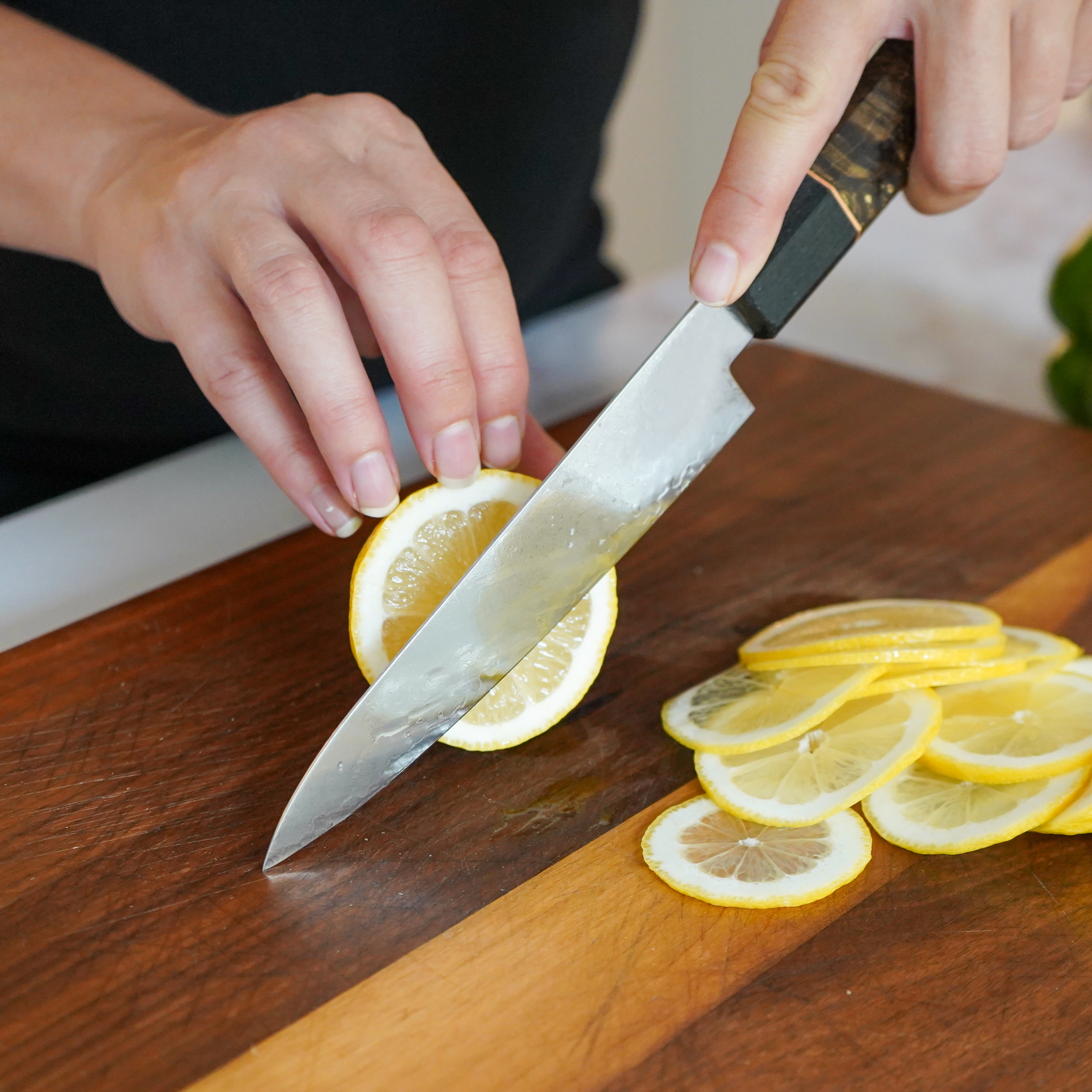
Credit: oishya.com
Signs It’s Time To Replace Your Cutting Board
Many people keep their cutting boards too long. Here are some clear signs it’s time for a new one:
- Deep grooves and cuts: These make cleaning hard and trap bacteria.
- Warping or cracking: Warped boards wobble, making chopping unsafe.
- Stains and odors: Persistent smells or dark stains mean bacteria are inside the board.
- Loose or splintering pieces: Wood or bamboo boards that splinter are unsafe.
If you notice any of these issues, it’s better to replace the board rather than risk food poisoning or injury.
How To Make Your Cutting Board Last Longer
With good habits, you can easily add years to your cutting board’s life. Here are some practical steps:
- Clean immediately after use. Don’t let food dry on the board.
- Use hot, soapy water for washing. Rinse and dry right away.
- Never soak wood or bamboo. Water causes swelling, warping, and cracks.
- Sanitize regularly. A diluted vinegar solution or hydrogen peroxide kills bacteria.
- Oil wood and bamboo. Use food-grade mineral oil to keep the board from drying out.
- Store properly. Keep the board upright in a dry place with space for airflow.
- Use both sides. Alternate sides to spread out the wear.
- Avoid dishwashers for wood and bamboo. The heat and water damage the board.
Pro tip: Even the best boards won’t last forever, but a few minutes of care each week keeps them safe and beautiful.
Comparing Cutting Board Lifespans
Let’s see a quick comparison of average lifespans based on material and care level:
| Type | Poor Care | Moderate Care | Excellent Care |
|---|---|---|---|
| Wood | 1-3 years | 4-6 years | 7-10+ years |
| Plastic | 6 months-1 year | 2-3 years | 4-5 years |
| Bamboo | 6 months-1 year | 2-3 years | 5-6 years |
| Glass | 5+ years | 10+ years | 15+ years |
You can see that care makes a huge difference, sometimes doubling or tripling the lifespan of your cutting board.
Real-world Examples
Let’s look at a few real-life situations:
- A family of four using a plastic board daily for meat and vegetables may need a new board every 18 months. If they use separate boards and clean well, it might last 3 years.
- A home chef with a thick maple board who oils it monthly and never puts it in the dishwasher can use the same board for over a decade.
- A student using a cheap bamboo board, washing it carelessly and leaving it wet, may see it split in a year or less.
These examples show that habits matter as much as the type of board you choose.
Common Mistakes That Shorten Lifespan
Many home cooks make simple mistakes that reduce how long their cutting boards last. Watch out for these:
- Putting wooden or bamboo boards in the dishwasher
- Leaving boards wet or stacked in a damp area
- Using harsh chemicals or bleach, which can dry and crack wood
- Cutting directly on deep grooves or cracks
- Ignoring regular oiling or maintenance
Avoiding these mistakes will keep your board safe and usable much longer.
Are Old Cutting Boards Dangerous?
An old or worn cutting board is more than just an eyesore. It can be a real health risk. Deep grooves and cracks collect food particles and moisture, giving bacteria a place to grow. Even careful cleaning can miss these hidden germs.
Research from the USDA shows that using damaged cutting boards can increase the risk of foodborne illness. Boards used for raw meat are especially risky if not maintained well. If you can’t fully clean your cutting board, it’s time to get a new one.
If you’re interested in food safety and cutting boards, the Centers for Disease Control and Prevention (CDC) has helpful guidelines.

Credit: www.amazon.com
Cost Vs. Longevity
Is it better to buy a cheap board and replace it often, or invest in a high-quality board and care for it?
- Low-cost plastic boards are easy to replace, but costs add up if you go through several a year.
- Quality wood boards cost more upfront but last much longer with good care.
- Bamboo is a good middle ground—affordable and strong, but needs oiling.
- Glass boards last forever, but can ruin your knives, which are more expensive to replace.
Think about your cooking habits, budget, and how much time you’ll spend on maintenance. For most home cooks, a good wood or bamboo board, well cared for, gives the best value.
When To Retire A Cutting Board
Don’t wait until your board is falling apart. If you see:
- Deep, hard-to-clean grooves
- Warping or wobbling
- Persistent stains or odors
- Cracks or splinters
…it’s time to say goodbye. Replace your cutting board for safety and peace of mind.
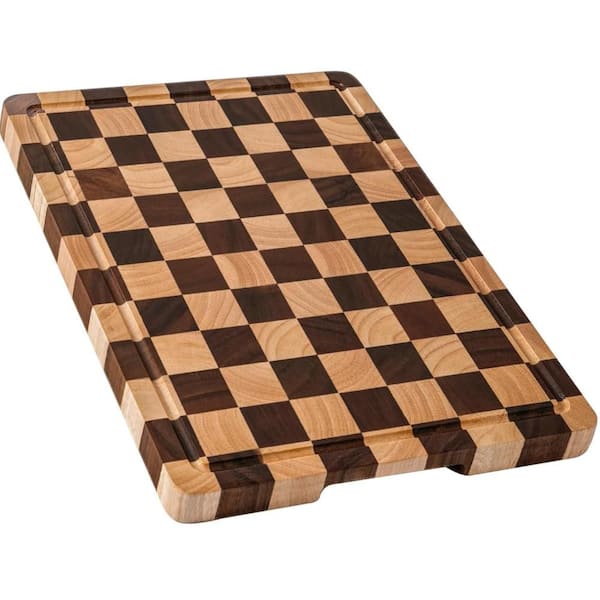
Credit: www.homedepot.com
Frequently Asked Questions
How Do I Sanitize My Cutting Board At Home?
To sanitize, wash the board with hot soapy water, rinse, and spray with a solution of 1 tablespoon bleach in 1 gallon of water. Let it sit for a few minutes, then rinse and dry. You can also use undiluted white vinegar or hydrogen peroxide.
Can I Use The Same Board For Meat And Vegetables?
It’s best to use separate boards—one for raw meats, one for vegetables and bread. This prevents cross-contamination and makes cleaning easier.
Why Does My Plastic Cutting Board Smell Even After Washing?
Plastic can absorb strong odors from foods like garlic or onion. If washing doesn’t help, try scrubbing with baking soda and lemon juice. If the smell stays, it’s probably time to replace the board.
Can I Sand My Wood Cutting Board To Remove Grooves?
Yes, you can sand wood boards with fine sandpaper to smooth out grooves. Clean the board well, let it dry, sand lightly, then oil it before using again.
Are Glass Cutting Boards Really Safe To Use?
Glass boards are safe for food, but they are hard and can dull or chip your knives. They are also slippery, which can be dangerous. Most chefs prefer wood or plastic for chopping.
A good cutting board is a kitchen essential, but it won’t last forever. Pay attention to signs of wear, care for your board properly, and replace it when needed. With these tips, your cutting board will serve you well for years to come—keeping your meals safe and your kitchen running smoothly.