A refrigerator is one of the most important appliances in your home. It keeps your food fresh, prevents waste, and helps you save money. But like all machines, refrigerators do not last forever. Knowing how long refrigerators last can help you plan for repairs, replacement, and maintenance. It can also help you avoid surprises and make smarter buying decisions.
In this article, you’ll learn about the average lifespan of refrigerators, what affects their durability, signs that your fridge is wearing out, and how to make your refrigerator last longer. You’ll also find practical tips, real data, and answers to common questions.
Average Lifespan Of Refrigerators
Most modern refrigerators are built to last between 10 and 20 years. This is a wide range, but several factors can affect the actual lifespan. According to the United States Department of Energy, the average lifespan is about 13 years for standard refrigerators. Compact models, like those used in dorms or offices, usually last 7 to 10 years.
Some high-quality refrigerators may last over 20 years, but this is rare. Most people start to notice problems or decreased efficiency around the 10-year mark.
Here’s a breakdown of average lifespans:
| Type | Average Lifespan | Typical Issues |
|---|---|---|
| Standard (Top/Bottom Freezer) | 13-16 years | Compressor failure, seal wear |
| Side-by-Side | 10-15 years | Ice maker, cooling problems |
| French Door | 12-17 years | Door seal, electronics |
| Compact | 7-10 years | Thermostat, cooling loss |
Key Points
- Most refrigerators last 10–20 years.
- Standard models last slightly longer than compact models.
- High-end brands may offer better durability, but maintenance is still key.
What Affects Refrigerator Lifespan?
The life of a refrigerator depends on many factors, not just the brand or price. Here are the main things that affect how long your fridge will last:
1. Usage And Maintenance
If you use your refrigerator carefully and clean it regularly, it will likely last longer. Dust buildup on coils, dirty seals, and rough handling can reduce its lifespan. Simple things like cleaning the coils and checking the door seals yearly can make a big difference.
2. Location And Environment
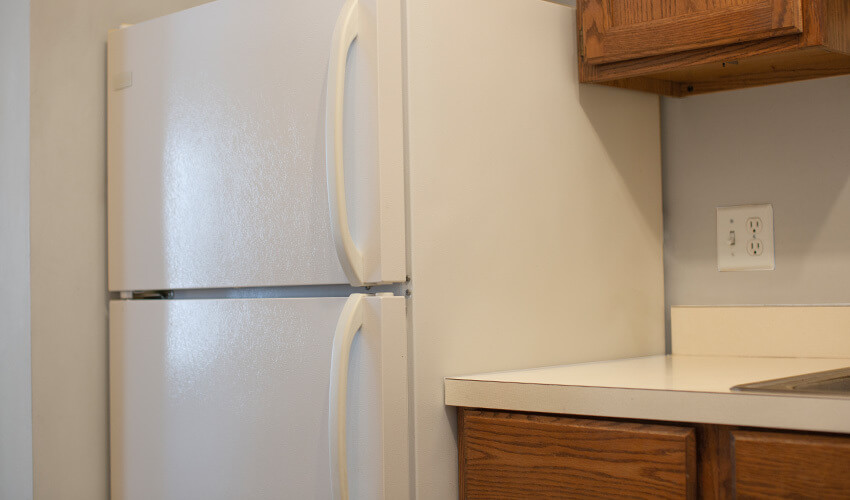
Where you place your fridge matters. If it’s in a hot area (like next to an oven) or exposed to sunlight, the compressor will work harder. This can lead to faster wear. Keeping your fridge in a cool, dry place helps it last longer.
3. Electrical Stability
Frequent power surges or outages can damage sensitive electronics and the compressor. Using a surge protector and keeping your fridge on a dedicated circuit can protect it.
4. Brand And Model Quality
Some brands are known for durability. For example, Whirlpool and GE often get good reviews for longevity. Cheaper models may use lower-quality parts, leading to faster failures.
5. Features And Complexity
Fridges with extra features like ice makers and water dispensers tend to break down more often. These parts add complexity and can fail before the main cooling system does.
6. Age And Technology
Older refrigerators may last longer because they have fewer electronic parts. Newer models are more efficient but sometimes have more things that can go wrong.
Credit: www.mrappliance.com
Signs Your Refrigerator Is Wearing Out
You don’t have to wait for a total breakdown to replace your refrigerator. There are clear signs that your fridge is getting old or starting to fail:
- Food spoils quickly: If your food goes bad faster than before, the cooling may be weak.
- Unusual noises: Loud humming, rattling, or clicking often means a problem with the compressor or fan.
- Excessive condensation: Water pooling inside or outside can signal seal failure.
- Frequent repairs: Needing repairs more than once a year is a warning sign.
- High energy bills: Old fridges become less efficient, costing you more to run.
- Temperature fluctuations: If the fridge can’t keep a steady temperature, it’s less reliable.
- Visible rust or wear: Rust on shelves or hinges often means the fridge is near the end of its life.
Some people ignore these signs, hoping to save money. But old refrigerators can waste energy and money. In some cases, replacement is cheaper than repairs.
How To Make Your Refrigerator Last Longer
You can extend the life of your refrigerator by following a few simple steps. These tips are based on real experience and expert advice:
1. Clean The Coils Regularly
Dust and dirt on the condenser coils make the fridge work harder. Clean the coils every six months. You’ll find them either behind or beneath the fridge.
2. Check Door Seals
Damaged or dirty seals let cold air escape. Clean seals with warm soapy water and replace them if they crack or lose flexibility.
3. Keep Fridge Full (but Not Overcrowded)
A full fridge holds cold better, but don’t block vents or overload shelves. Good air circulation is important.
4. Set The Right Temperature
Keep your fridge at 37°F (3°C) and your freezer at 0°F (-18°C). Lower temperatures waste energy, while higher ones risk food safety.
5. Avoid Frequent Door Opening
Opening the door often lets warm air inside, making the compressor work harder. Plan your visits and keep frequently used items easy to reach.
6. Handle Power Surges
Use a surge protector to protect against sudden voltage changes. This can save sensitive electronics and extend compressor life.
7. Defrost Regularly (if Needed)
Older models need manual defrosting. Ice buildup can reduce cooling efficiency.
8. Schedule Professional Service
Have a technician check your fridge every few years. They can spot issues before they become serious.
9. Keep The Fridge Level
A tilted fridge can cause door problems and uneven cooling. Use a spirit level to check and adjust the feet.
Practical Insights
- Many people ignore coil cleaning, but dirty coils are a top cause of early failures.
- Replacing seals is cheap and easy, yet many owners wait until there’s visible damage.
:strip_icc()/KG_Posavad_03_preview-6a4e3c3892f2449490195381f642df21.jpg)
Credit: www.bhg.com
Repair Vs. Replace: Making The Right Choice
When your refrigerator has problems, should you repair it or replace it? This decision depends on cost, age, and problem severity.
Repair
- If your fridge is less than 8 years old and the problem is minor (like a broken seal or thermostat), repair is often best.
- Repairs usually cost less than buying a new appliance.
- For expensive models, repairs may be worth it even after 10 years.
Replace
- If your fridge is over 10 years old and the repair costs more than half the price of a new one, replacement is smarter.
- Frequent breakdowns or high energy use mean it’s time to upgrade.
- New refrigerators are more efficient, so you may save money on your electric bill.
Here’s a simple comparison:
| Situation | Repair | Replace |
|---|---|---|
| Minor part failure | ✔️ | |
| Compressor failure (older fridge) | ✔️ | |
| High energy bill | ✔️ | |
| Frequent repairs | ✔️ | |
| Fridge less than 8 years old | ✔️ |
New Refrigerator Features That Affect Longevity
When shopping for a new fridge, it’s not just about looks or size. The features you choose can affect how long it lasts.
Ice Makers And Water Dispensers
These are convenient, but they often break first. Repairs can be costly and sometimes require replacing the whole unit.
Smart Features
Wi-Fi, touch screens, and sensors add value, but also complexity. If you don’t need these, a simpler model may last longer.
Eco-friendly Designs
Modern refrigerators use less energy and safer refrigerants. Models with the ENERGY STAR label are more efficient, which means less wear and lower bills.
Build Quality
Look for sturdy shelves, strong hinges, and thick insulation. Thin plastic parts and loose doors are signs of lower quality.
Warranty And Service
Longer warranties and easy access to parts can extend the usable life of your fridge.
Here’s a comparison of common features:
| Feature | Longevity Impact | Common Issues |
|---|---|---|
| Ice Maker | Reduces lifespan | Leaks, jams |
| Water Dispenser | Reduces lifespan | Valve failure |
| Smart Technology | Varies | Sensor issues |
| Strong Shelving | Increases lifespan | Few problems |
| ENERGY STAR | Increases lifespan | Rare issues |
Cost Of Owning A Refrigerator Over Time
Owning a refrigerator is not just about the purchase price. You need to consider energy use, repairs, and possible replacement costs.
Energy Use
Older refrigerators use more electricity. According to the U.S. Department of Energy, newer models save up to 40% in energy compared to 15-year-old units.
Repairs
On average, repairs cost $150–$400. Compressor replacement can go over $600, which is often not worth it for older fridges.
Replacement
A good-quality refrigerator costs between $700 and $2,000. Cheaper models may break sooner, costing more in the long run.
Efficiency Example
If you replace a 15-year-old fridge with a new ENERGY STAR model, you could save $100–$150 per year in electricity.
Two Non-obvious Insights
- Location impacts lifespan more than most people think. Placing a refrigerator next to heat sources or in direct sunlight can shorten its life by several years. Many owners overlook this simple detail.
- Door seal maintenance is often ignored. Regular seal cleaning and replacement are easy and cheap but can prevent costly compressor failures and extend the fridge’s life.
Credit: kitchenexpressnc.com
Frequently Asked Questions
How Can I Tell If My Refrigerator Is About To Fail?
Look for spoiled food, loud noises, excess condensation, and frequent repairs. High electricity bills and temperature changes are also signs.
Is It Worth Repairing An Old Refrigerator?
If your fridge is under 8 years old and the repair is small, it’s usually worth fixing. For older models, compare the repair cost to the price of a new unit.
Does The Brand Really Matter For Refrigerator Lifespan?
Yes, brand reputation and build quality affect durability. Well-known brands like Whirlpool, GE, and LG often last longer and offer better support.
What Is The Most Common Cause Of Refrigerator Failure?
Compressor failure is the most expensive and common issue, especially in older refrigerators. Door seal problems and thermostat issues are also frequent.
Where Can I Find Official Data On Refrigerator Lifespans?
You can find reliable statistics and tips from the U.S. Department of Energy. Visit Energy Saver for more information.
Replacing a refrigerator is a big decision, but understanding how long they last and what affects their lifespan will help you make the right choice. With good care and attention, you can get the most value from your appliance and avoid unwanted surprises.