Keeping food hot for hours can make a big difference—whether you’re packing soup for lunch, sending kids to school, or preparing meals for a long trip. A thermos is a popular solution, but how long does it actually keep food hot? The answer depends on the thermos design, the type of food, and how you use it. Let’s explore the science behind heat retention, compare different thermoses, and share practical tips so you get the most out of your container.
How Does A Thermos Keep Food Hot?
A thermos uses vacuum insulation to slow down heat loss. The space between the inner and outer walls is a vacuum, which is one of the best ways to prevent heat transfer. This means hot food stays hot because the heat isn’t escaping quickly.
There are three ways heat escapes: conduction, convection, and radiation. In a thermos:
- Conduction is blocked by the stainless steel walls.
- Convection is prevented by the vacuum space.
- Radiation is minimized by reflective surfaces inside.
Most thermoses also have tight lids with silicone seals, which stop steam from escaping. This is important because steam carries heat away fast. When the lid is secure, food stays hot longer.
Average Heat Retention Times
Different thermoses keep food hot for different amounts of time. Most high-quality thermoses can keep food hot for 5 to 12 hours. But this depends on the model, the size, and how you use it.
Here’s a quick look at typical heat retention times for popular thermos brands:
| Brand | Model | Max Heat Retention (hours) |
|---|---|---|
| Thermos | King Food Jar | 9 |
| Stanley | Classic Vacuum Food Jar | 12 |
| Zojirushi | Stainless Steel Food Jar | 6 |
| Hydro Flask | Insulated Food Jar | 6 |
| Contigo | Thermal Food Jar | 7 |
These numbers are based on tests with boiling water. Real food might cool faster, especially if you open the lid often or fill the jar with room-temperature food.
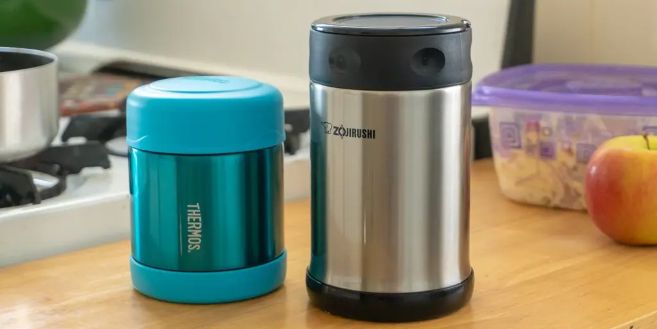
Credit: www.boneta.ca
Factors That Affect Heat Retention
Several things influence how long your thermos keeps food hot. Some are obvious, but a few often surprise beginners.
Thermos Quality And Design
- Material: Most thermoses use stainless steel, which is durable and good at blocking heat loss.
- Wall Thickness: Thicker walls mean more insulation.
- Seal Quality: A good seal stops steam and air leaks.
- Size: Larger thermoses often keep food hot longer because more mass takes longer to cool.
Initial Food Temperature
The hotter the food you put in, the longer it stays hot. Always heat your food until it’s steaming before loading your thermos. If you start with lukewarm food, it won’t stay hot for hours.
Preheating The Thermos
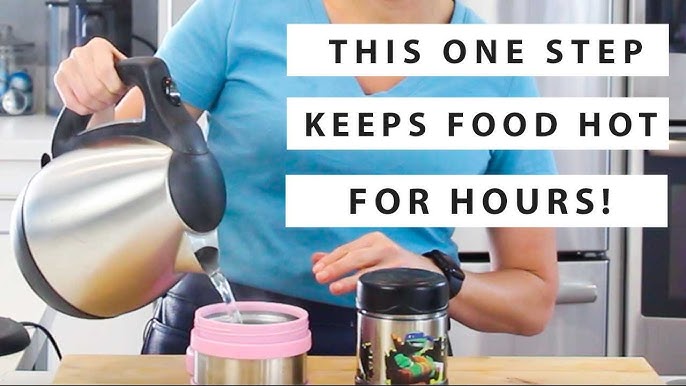
Many people skip this step, but preheating can add 1–2 extra hours of heat retention. Simply fill your thermos with boiling water, let it sit for 5–10 minutes, then empty and fill with your hot food.
Food Type And Consistency
- Liquids like soup or chili retain heat better than solid foods because they have more mass and fewer air pockets.
- Dense foods (like oatmeal or stew) stay hot longer than foods with lots of air (like pasta).
- Fatty foods often hold heat longer than watery foods.
Lid Opening Frequency
Every time you open the lid, you let heat escape. If you plan to eat over several hours, minimize lid openings.
Outside Temperature
If you’re using your thermos in cold weather, heat escapes faster. In a warm room, your thermos performs better.
Filling Level
A thermos filled to the top keeps food hot longer. Air cools faster than food, so less empty space means better heat retention.
Real-life Examples
Let’s look at practical situations:
- A Stanley Classic Vacuum Food Jar filled with hot stew and preheated can keep food above 140°F for 10 hours. After 12 hours, it drops to about 120°F—still warm, but not piping hot.
- A Zojirushi Stainless Steel Food Jar with hot soup stays above 130°F for 5–6 hours, especially if you preheat and fill completely.
- In winter, a Thermos King Food Jar may drop below 130°F after 7–8 hours if left outside, but stays hotter indoors.
One non-obvious insight: If you use your thermos for drinks, avoid adding cold milk or cream. This cools everything faster. Many people make this mistake and wonder why their coffee isn’t hot after a few hours.
How To Maximize Heat Retention
If you want your food to stay hot as long as possible, follow these steps:
- Preheat your thermos: Fill with boiling water for 5–10 minutes, then empty.
- Heat your food to boiling: Food should be steaming and at least 165°F before filling.
- Fill the thermos completely: Leave little or no air space.
- Seal the lid tightly: Check for leaks before packing.
- Avoid opening the lid: Each opening lets heat escape.
- Keep the thermos insulated: Wrap it in a towel or put it in an insulated bag if outside in cold weather.
Here’s a comparison of heat loss based on different practices:
| Practice | Heat Retention (hours) | Final Food Temperature (°F) |
|---|---|---|
| No preheating, food at 150°F | 4 | 110 |
| Preheating, food at 165°F | 6 | 130 |
| Preheating, filled completely, food at 180°F | 8 | 140 |
| Preheating, insulated, food at 180°F | 10 | 150 |
Notice how each step adds hours and keeps food hotter.
You might find this helpful: Best Thermos to Keep Food Warm
Safety Considerations
It’s important to keep food above 140°F (60°C) to prevent bacteria growth. After several hours, most thermoses drop below this safe range. If you’re packing for a full day, check the food temperature before eating.
Don’t store food in a thermos for more than 12 hours. After that, bacteria may grow, especially in foods like meat or dairy. If you’re unsure, reheat the food before eating.
Another overlooked tip: Avoid using thermoses for raw or uncooked foods. The container won’t cook food—it only keeps it hot.
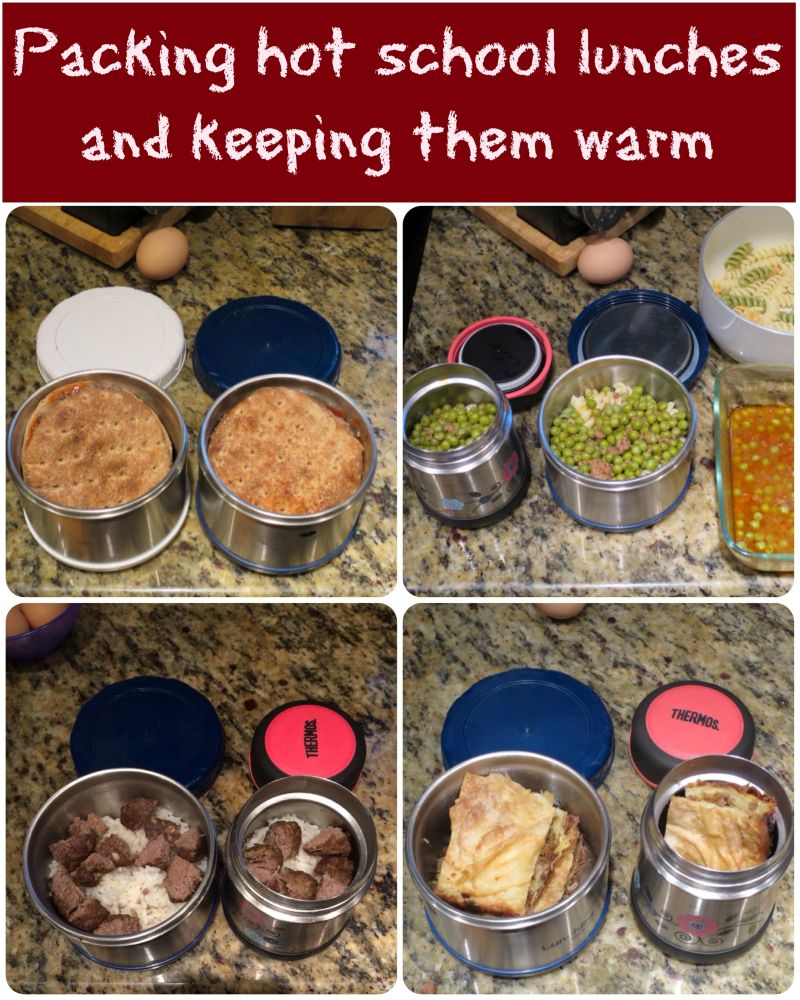
Credit: practicalmama.com
Common Mistakes Beginners Make
Many new users don’t get the full benefit from their thermos. Here are mistakes to avoid:
- Not preheating the thermos: This is the most common error.
- Filling with lukewarm food: Always use boiling or piping hot food.
- Leaving air space: Fill completely for best results.
- Loose lid: Double-check the seal.
- Opening too often: Plan to eat all at once, not in small bites.
- Using thin plastic thermoses: These cool much faster than stainless steel.
A surprising insight: Some people use their thermos for cold foods, thinking the insulation works the same way. While it keeps cold foods cold, hot foods cool down much faster if you don’t follow the right steps.
Comparing Thermos Models
Not all thermoses are equal. Let’s compare features:
| Model | Insulation Type | Max Heat Retention | Size (oz) | Price (USD) |
|---|---|---|---|---|
| Thermos King Food Jar | Vacuum | 9 hours | 16 | 28 |
| Stanley Classic Food Jar | Vacuum | 12 hours | 24 | 35 |
| Zojirushi Food Jar | Vacuum | 6 hours | 11.8 | 25 |
| Hydro Flask Food Jar | Vacuum | 6 hours | 12 | 30 |
Stanley’s models are larger and have thicker insulation, which explains their longer heat retention. Zojirushi and Hydro Flask are smaller and more portable, but don’t keep food hot as long.
How To Choose The Right Thermos
If you want a thermos that keeps food hot for as long as possible, look for these features:
- Double-wall vacuum insulation: Stainless steel is best.
- Large size: More food means slower cooling.
- Quality seal: Silicone gaskets are better than plain plastic.
- Wide mouth: Makes cleaning and filling easier.
- Reliable brand: Thermos, Stanley, Zojirushi, and Hydro Flask are trusted.
Avoid thin-walled, plastic models—they lose heat quickly and may not keep food safe for long periods.
If you need food to stay hot for 8+ hours, choose a model with a proven track record and follow all heat retention steps.
Frequently Asked Questions
How Can I Tell If My Thermos Is Keeping Food Hot Enough?
Use a food thermometer to check the temperature before eating. It should be above 140°F for safety. If you don’t have a thermometer, check for steam and how hot the food feels.
Is It Safe To Keep Food In A Thermos Overnight?
No. After 12 hours, food drops below safe temperatures. Bacteria can grow, especially in meat or dairy. If you need to store overnight, refrigerate and reheat in the morning.
Can I Use A Thermos For Cold Foods?
Yes, a thermos also keeps cold foods cold. Follow the same steps: pre-chill the container, fill with cold food, and seal tightly. This works for salads, yogurt, or fruit.
Why Does My Thermos Cool Faster Outside?
Cold air speeds up heat loss. If you’re outdoors in winter, wrap your thermos in a towel or keep it inside a bag to add insulation.
What Is The Difference Between A Food Jar And A Drink Thermos?
Food jars are wider and often have thicker walls for better insulation. Drink thermoses are slimmer and made for liquids. Food jars keep hot foods hot longer and are easier to fill and clean.
Packing hot food for later is simple, but getting it right takes practice and attention to detail. With the right thermos, smart preparation, and a few insider tips, you can keep meals steaming hot for hours—perfect for work, school, or adventure. For more technical details about vacuum insulation, see this Wikipedia article.
Credit: www.youtube.com