A yogurt maker may look simple, but many people wonder about its electricity use. If you love homemade yogurt, or want to make food choices that save energy, it’s smart to ask: How much electricity does a yogurt maker use?
In this article, you’ll find clear answers, real numbers, and practical tips to help you understand the impact of your yogurt maker on your energy bill—and the planet.
How A Yogurt Maker Works
Yogurt makers are designed for one main job: to keep milk at a steady, warm temperature. This warmth lets friendly bacteria turn milk into yogurt. Most yogurt makers use an electric heating element and a thermostat. They don’t boil or cook. Instead, they gently warm the milk—usually between 110°F and 115°F (43°C–46°C)—for several hours.
Some models use a water bath, while others heat containers directly. Most are simple plug-in devices, but a few high-end models offer digital controls, timers, or even built-in chillers. The key point: the job of a yogurt maker is to maintain warmth, not to heat quickly or to high temperatures.
Typical Power Ratings Of Yogurt Makers
The main measure of electricity use is watts (W). This tells you how much power a device needs while running. Yogurt makers are low-power appliances compared to ovens or kettles.
Here’s a quick look at how common yogurt makers compare:
| Type of Yogurt Maker | Typical Power (Watts) | Notes |
|---|---|---|
| Basic electric (manual) | 10 – 20 W | Simple, few features |
| Digital with timer | 15 – 30 W | More controls, similar heating |
| Multi-function (yogurt + rice/slow cook) | 30 – 50 W | More powerful, larger batch |
| Instant Pot (yogurt mode) | 20 – 40 W | Heats only in yogurt mode |
Most home yogurt makers use 10–30 watts during operation. Even the largest models rarely exceed 50 watts. For comparison, a standard light bulb uses 40–60 watts.
Calculating Electricity Use
To know your yogurt maker’s energy use, you need two things:
- The power rating (in watts)
- The time it runs (in hours)
The basic formula is:
Energy (kWh) = Power (W) × Time (hours) ÷ 1000
Let’s use an example:
- Yogurt maker power: 15 watts
- Operating time: 8 hours
Energy Used: 15 × 8 ÷ 1000 = 0.12 Kwh
If your electricity rate is $0.15 per kWh, the cost is:
0.12 × 0.15 = $0.018
So, making one batch of yogurt with this machine costs less than two cents.
Real-world Examples
To give you a better idea, here are three different yogurt makers and how much electricity they use in a typical batch.
| Model | Power (Watts) | Batch Time (Hours) | Energy per Batch (kWh) | Cost per Batch (at $0.15/kWh) |
|---|---|---|---|---|
| Cuisinart CYM-100 | 25 | 8 | 0.20 | $0.03 |
| Euro Cuisine YM80 | 13 | 8 | 0.10 | $0.015 |
| Instant Pot (Yogurt Mode) | 35 | 8 | 0.28 | $0.042 |
Even the most powerful yogurt makers use less electricity than a single cycle of a toaster or hair dryer.
Yearly Electricity Cost
If you make yogurt every week, what does that mean for your energy bill?
Let’s assume:
- 13-watt yogurt maker
- 8 hours per batch
- 1 batch per week
- 52 weeks per year
Total yearly energy: 13 × 8 × 52 ÷ 1000 = 5.4 kWh
At $0.15 per kWh: 5.4 × 0.15 = $0.81 per year
Even with a larger, 25-watt maker, you’d spend under $2 per year for weekly batches. For most families, the cost is so small it’s lost in the rounding on your electricity bill.
You might find this helpful: Best Yogurt Makers With Temperature Control
Comparing Yogurt Makers To Other Appliances
It’s easy to overestimate how much power small appliances use. Let’s compare the yogurt maker to other common kitchen devices:
| Appliance | Power (Watts) | Typical Use Time | Energy per Use (kWh) |
|---|---|---|---|
| Yogurt maker | 15 | 8 hours | 0.12 |
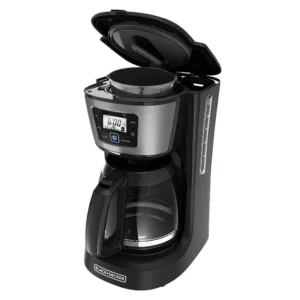
| Coffee maker | 900 | 10 minutes | 0.15 |
| Toaster | 1200 | 5 minutes | 0.10 |
| Microwave | 1000 | 5 minutes | 0.08 |
| Refrigerator | 150 | 24 hours | 3.6 |
You can see that a single yogurt batch uses less power than making coffee or toast once.
:max_bytes(150000):strip_icc()/faw-euro-cuisine-electric-yogurt-maker-ym80-julia-skinner-making-01-0ee22cd6ed484687afcab508690bd00b.jpeg)
Credit: www.foodandwine.com
Factors That Affect Electricity Use
Not all yogurt makers use the same amount of power. Here are the main factors that change electricity use:
- Maker size: Larger models with bigger containers need more energy to keep warm.
- Batch size: Making more yogurt at once takes a little more power, but not much more.
- Heating method: Models with water baths or metal containers may use power differently.
- Features: Digital displays, timers, and extra functions use extra watts.
- Room temperature: Colder kitchens make the machine work harder.
- Batch time: Some recipes call for 6 hours, others for 12. Longer time means more energy.
The most common mistake is to think that a bigger, fancier yogurt maker always costs much more to run. In reality, even the most advanced models stay efficient—because heating milk to 110°F isn’t a big energy job.
How To Check Your Yogurt Maker’s Power Use
If you want to know the exact usage of your own yogurt maker, you have a few options:
- Check the label: Look on the bottom or back of the machine for a sticker that lists watts or amps.
- Read the manual: Most user guides include the power rating.
- Use a power meter: Plug your maker into a device like a Kill A Watt meter. It will show real-time power use.
- Estimate: If you can’t find numbers, use the typical range (10–30 W for most models).
Remember, the actual cost per batch is tiny—so even a small error in your estimate won’t matter much for your wallet.
Is Making Yogurt At Home Energy Efficient?
Making yogurt at home with a yogurt maker is very efficient compared to other methods. Heating milk on the stove takes more power. Using an oven (even at low temp) uses hundreds of watts. Some people even use a slow cooker, which is less efficient.
A yogurt maker’s gentle, steady heat means very low energy use—and almost no waste. Plus, you make only what you need, so there’s less risk of food waste compared to store-bought yogurt in big tubs.
Saving Even More Energy
While yogurt makers are already efficient, a few smart habits can reduce energy use further:
- Don’t overfill: Only make as much as you’ll eat soon.
- Use a well-insulated maker: Thicker walls lose less heat.
- Start with warm milk: Heat your milk to the right temp before adding it to the maker.
- Batch in cooler weather: In very hot rooms, the maker may cycle less often.
- Clean vents and lids: A dirty machine loses more heat.
One more tip: if your yogurt maker includes a timer, use it! This prevents running the machine longer than needed.
Environmental Impact
Some people worry about the carbon footprint of using more appliances. Luckily, yogurt makers are among the lowest-impact devices in your kitchen.
- Low power use: As shown above, yearly use is less than $2 of electricity.
- Less packaging waste: Homemade yogurt means fewer plastic tubs and lids.
- Control over ingredients: You can use local milk, organic options, or reusable glass jars.
For the most eco-friendly yogurt, use a yogurt maker with a glass or ceramic insert. These materials are durable and don’t release microplastics.
Common Myths About Yogurt Maker Electricity Use
Let’s clear up a few common misunderstandings:
- Myth: Yogurt makers use a lot of power because they run for hours.
Fact: They use very little power—running longer at low heat is not the same as a toaster on high.
- Myth: Making yogurt at home is less efficient than buying it.
Fact: Store-bought yogurt includes the energy of transport, storage, and refrigeration.
- Myth: Only the cheapest models are efficient.
Fact: Most models, even digital or large ones, are still very efficient.
- Myth: You need a yogurt maker to make yogurt.
Fact: True, but other methods (oven, slow cooker) usually use more electricity.

Credit: www.amazon.com
Why Your Electricity Bill Might Not Change
If you buy a yogurt maker and start using it, you may not even notice a change in your bill. That’s because it uses so little power compared to lighting, heat, or big appliances like fridges and freezers.
If your electricity bill seems higher, look for bigger factors—like air conditioning, electric ovens, or old freezers. Your yogurt maker’s effect is so small it’s often hidden.
When Does A Yogurt Maker Make Sense?
If you eat yogurt often, a maker is a good investment. It’s especially smart if you want:
- Control over ingredients
- Freshness
- Lower plastic waste
- Special diets (vegan, lactose-free, etc.)
- Lower cost per serving
For people who only eat yogurt sometimes, buying small tubs may be simpler. But if you like to cook, or want to reduce waste, a yogurt maker is one of the most efficient appliances you can own.
For more information about home appliance energy use, you can visit the U.S. Department of Energy.

Credit: www.amazon.com
Frequently Asked Questions
How Much Electricity Does A Yogurt Maker Use Per Batch?
Most home yogurt makers use 0.10–0.20 kWh per batch. That’s less than 2 cents worth of electricity, depending on your local rates.
Can I Use A Yogurt Maker Every Day Without Worrying About My Bill?
Yes. Even daily use adds less than $1–$2 per month to your bill. This is much less than most other kitchen appliances.
Is It Cheaper To Make Yogurt At Home Or Buy It?
Homemade yogurt is often cheaper per serving, especially if you use store-brand milk. The electricity cost is very small compared to the price of store-bought yogurt.
Do Larger Yogurt Makers Use Much More Energy?
Larger models use slightly more power, but the difference is small. Most still use under 50 watts, so per-serving energy cost stays low.
What If My Yogurt Maker Doesn’t List Its Wattage?
You can estimate using the typical range (10–30 watts), or use a plug-in power meter for exact numbers. In most cases, the total cost will be under a few dollars per year.
A yogurt maker is a simple, low-energy way to make healthy food at home. If you care about electricity use, you can feel good about adding one to your kitchen. Now you know exactly how much energy it uses—and why it’s one of the most efficient cooking gadgets you can own.