Skip to content
How Much Floor Cleaner Should You Use When Mopping
Keeping your floors clean does more than just make your home look nice—it helps protect your health and the life of your flooring. But one simple question often causes confusion: How much floor cleaner should you use when mopping? Using too little can leave dirt behind, while too much can create sticky residue, waste money, and even damage your floors. The right amount makes your cleaning effective, fast, and safe for everyone in your home.
This article will guide you through the basics, offer practical tips, and reveal some common mistakes, so you always get the best results with your mop and bucket.
Why The Right Amount Matters
Many people think more cleaner means cleaner floors. In fact, using too much cleaner can cause problems:
- Sticky floors: Excess soap leaves a film that attracts dust and dirt.
- Health concerns: Strong cleaning solutions may irritate skin, eyes, or breathing.
- Floor damage: Certain materials, like wood or laminate, can warp or dull with too much product.
- Wasted money: Overusing cleaner means buying new bottles more often.
On the other hand, using too little won’t remove germs, dirt, or stains. Finding the right balance is key for both safety and cleanliness.
Understanding Different Floor Cleaners
There’s no “one size fits all” for floor cleaners. The right amount depends on:
- Type of cleaner (concentrated liquid, ready-to-use, powder, etc.)
- Flooring material (tile, wood, laminate, vinyl, stone, etc.)
- Cleaner strength (some are stronger than others)
Types Of Floor Cleaners
| Cleaner Type | Usual Dilution | Best For |
|---|---|---|
| Concentrated liquid | Mix with water (1-2 oz per gallon) | Tile, hardwood, vinyl |
| Ready-to-use | None needed | Spot cleaning, quick jobs |
| Powder | 1 tablespoon per gallon | Heavy-duty jobs |
| Natural/vinegar | 1/2 cup per gallon | Tile, laminate (not stone) |
Always check the bottle for instructions. If you lost the label, look up the brand online for their recommendations.
How Much Floor Cleaner Should You Use? (general Guidelines)
Most liquid floor cleaners are concentrated. That means you need to mix them with water. The most common guideline is:
- 1-2 ounces (about 2-4 tablespoons) per gallon of water
This works for most brands and floor types. For powders, use 1 tablespoon per gallon. For natural cleaners like vinegar, 1/2 cup per gallon is typical.
Quick Reference Guide
| Floor Type | Cleaner Amount per Gallon | Special Notes |
|---|---|---|
| Tile | 2 oz | Can handle stronger cleaners |
| Laminate | 1 oz | Never use too much water |
| Hardwood | 1 oz | Use a damp mop only |
| Vinyl | 2 oz | Rinse with clean water if sticky |
| Stone | Special stone cleaner only | Avoid acidic solutions |
Important: If your bucket holds more or less than a gallon, adjust the amount. For example, a 2-gallon bucket needs twice as much cleaner.
Steps For Mixing Floor Cleaner Properly
- Check your mop bucket size. Most home buckets hold 2–3 gallons.
- Read the cleaner label. Every brand is a little different.
- Measure the cleaner. Use a measuring cup or spoon, not just “eyeball” it.
- Add water first, then cleaner. This helps avoid too many bubbles.
- Mix gently. Stir with the mop handle or your hand (wear gloves).
If you’re unsure, start with less cleaner. You can always add more, but you can’t take it out!
You might find this helpful: Floor Cleaner Liquid for Mopping
What Happens If You Use Too Much Or Too Little?
Too Much Cleaner
- Sticky or slippery floors
- White streaks or film after drying
- Cleaner build-up, making future cleaning harder
- Allergies or skin irritation, especially for pets and children
Too Little Cleaner
- Floors still look dirty after mopping
- Bacteria and germs are not removed
- Stubborn stains remain
A surprising insight: Even professional cleaners sometimes use less product than the label says, especially on wood and laminate. Their goal is to clean without leaving any residue or extra moisture.
Common Floor Types: Special Considerations
Tile
Tile floors are tough and can handle stronger cleaners. But grout lines can trap residue. Rinse with plain water if floors feel sticky.
Laminate
Laminate is sensitive to water. Use a barely damp mop and half the usual cleaner. Too much moisture can cause swelling or damage.
Hardwood
Wood floors need gentle care. Use a cleaner made for wood, and only a damp (not wet) mop. Too much cleaner or water can cause warping.
Vinyl
Vinyl is easy to clean but can get sticky with too much soap. Rinse after mopping if needed.
Stone
Natural stone (like marble or granite) needs a pH-neutral cleaner. Never use vinegar or strong chemicals, as they can cause dull spots.
Dilution Mistakes Beginners Make
- Guessing instead of measuring. It’s easy to pour in too much cleaner without realizing.
- Not adjusting for bucket size. A mop bucket is often bigger than you think.
- Using hot water with all cleaners. Some cleaners (especially bleach or ammonia-based) lose effectiveness in hot water.
- Not rinsing the mop. If your mop head is full of dirty water, you’re just spreading grime.
- Thinking “double the cleaner, double the cleaning.” It doesn’t work that way—extra cleaner usually means more work to remove residue.
A practical tip: Try mopping a small section first. If the floor dries sticky or streaky, you likely used too much cleaner.
Measuring Tips For The Best Results
- Use kitchen measuring spoons or cups. They’re more accurate than guessing.
- Mark your bucket with a permanent marker to indicate gallon levels.
- Pre-mix your solution in a separate container if your mop bucket has no measurements.
- Write down the perfect ratio for your home and stick it near your cleaning supplies.
:max_bytes(150000):strip_icc()/how-to-mop-a-floor-1901114-12-0fae9d8c83ff402686beac2d33e69aeb.jpg)
Credit: www.thespruce.com
Eco-friendly And Diy Cleaners
Many people use vinegar, baking soda, or mild soap for green cleaning. While vinegar works well for tile and vinyl, never use it on stone floors—it can cause permanent damage.
A simple homemade cleaner for most floors:
- 1 gallon warm water
- 1/2 cup white vinegar
- 1–2 drops mild dish soap
Mix well. Use a damp mop. For a fresh scent, add a few drops of essential oil (like lemon or lavender).
When To Change The Solution
Cleaning water gets dirty fast, especially in high-traffic areas. Change your solution when:
- Water looks gray or cloudy
- You’ve mopped a large area (more than one room)
- You notice the mop leaving streaks
Pro tip: Dirty water means you’re spreading grime, not removing it. Always mop with clean solution.
:max_bytes(150000):strip_icc()/how-often-mop-floors-GettyImages-761856731-df9265fdc08e4f8f91fc7f275051dc01.jpg)
Credit: www.realsimple.com
How Much Cleaner For Spray Mops And Special Tools
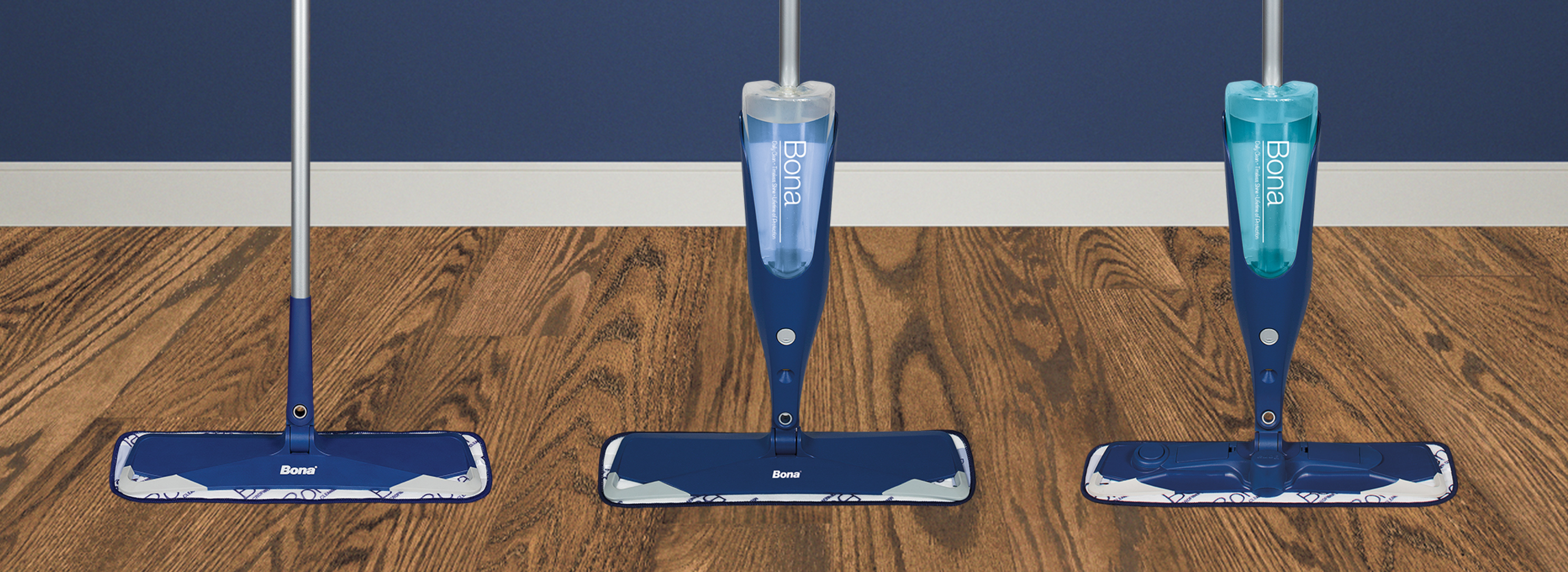
Spray mops (like Swiffer WetJet or refillable sprayers) use much less cleaner. Most come with a pre-mixed solution. If you refill your own, use the same ratio as a bucket—about 1 oz per ½ gallon of water.
Steam mops usually need only water. Check the manual—using chemical cleaners can damage them.
How To Tell If You’ve Used The Right Amount
Signs you got it right:
- Floors dry quickly, with no sticky feeling
- No white streaks or residue
- Pleasant, light scent (not overwhelming)
- Dirt and stains are gone
If you see streaks, feel stickiness, or smell strong chemicals, cut back next time.
Saving Money And Reducing Waste
The right dilution helps your cleaner last longer. For example, using the correct amount can make a 32 oz bottle last for 16–32 moppings. That’s better for your wallet and the environment.
A little-known fact: Many people use two to three times the recommended amount, according to surveys by cleaning product brands. Measuring saves money and delivers better results.
For more on cleaning product safety and efficiency, see this guide from the US Environmental Protection Agency.
Frequently Asked Questions
How Much Floor Cleaner Should I Use For A Small Room?
For a small room, mix 1 tablespoon (0.5 oz) of cleaner with ½ gallon of water. If using a spray mop, fill the reservoir with water and add just a few drops of cleaner. Always adjust for your bucket size.
Can I Use More Cleaner If My Floors Are Very Dirty?
No, don’t double the cleaner. Instead, mop the floor twice: once to remove heavy dirt, and again with fresh solution. More cleaner can leave sticky residue and make future cleaning harder.
Is It Safe To Use Vinegar As A Floor Cleaner?
Vinegar is safe for tile, vinyl, and laminate floors when diluted (½ cup per gallon of water). Avoid vinegar on stone floors; it can damage the surface. Always test in a small area first.
What Happens If I Don’t Rinse The Floor After Mopping?
If you use too much cleaner and don’t rinse, residue can build up. This makes floors sticky and attracts dirt. For most cleaners, rinsing isn’t needed if you follow the right ratio. Rinse only if you notice streaks or stickiness.
How Do I Know If My Mop Bucket Holds A Gallon?
Fill your bucket with a gallon of water using a measuring jug. Mark the water line with a permanent marker. Most home mop buckets hold 2–3 gallons, so always check before mixing your solution.
Finding the right amount of floor cleaner for mopping is simple once you know the basics. Always measure, follow the label, and adjust for your floor type and bucket size. With these tips, your floors will stay clean and safe—without waste or worry.
Credit: www.bona.com