Skip to content
How Much Power Does A Stand Mixer Use
A stand mixer is a must-have for many kitchens. It makes baking easier, helps with meal prep, and saves time. But one thing people often forget is how much power these machines use. Understanding this can help you manage your energy bills, choose the right mixer, and use your appliance more efficiently.
This article breaks down everything you need to know about stand mixer power usage. You’ll learn about wattage, real-life examples, tips to save energy, and how different mixers compare. Whether you are baking daily or just occasionally, this guide will help you make smarter choices.
What Does Stand Mixer Power Mean?
When people talk about power in stand mixers, they usually mean wattage. Wattage shows how much electricity the mixer uses when working. The higher the wattage, the more powerful the mixer. It also means it can handle tougher doughs or mix larger batches.
For example:
- A mixer with 300 watts is good for light tasks like whipping cream.
- A 1000-watt mixer can knead bread dough or mix heavy batters.
Wattage does not always mean better performance. Some mixers are designed to use energy efficiently. Others may need more watts to do the same job. It’s important to look at both wattage and the mixer’s design.
Typical Stand Mixer Wattages
Stand mixers come in many sizes and strengths. Here are the most common wattage ranges:
- Small stand mixers: 150–300 watts
- Medium stand mixers: 350–600 watts
- Large/professional stand mixers: 700–1000+ watts
These numbers help you decide which mixer suits your needs. If you bake small batches, a low-watt mixer may be enough. For frequent bread making or heavy mixing, go higher.
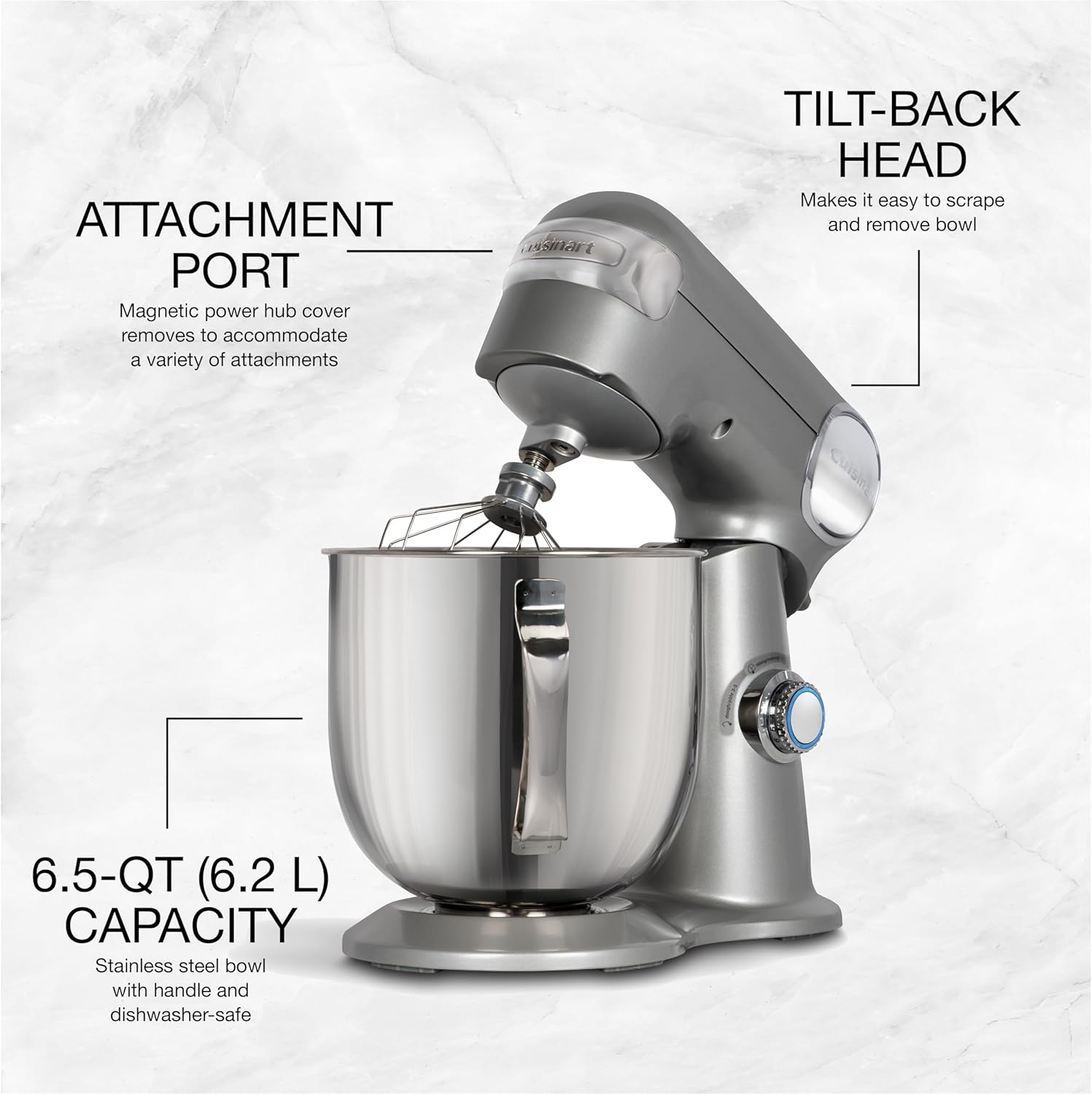
Real-life Mixer Wattage Examples
Here are examples of popular stand mixers and their wattages:
| Brand & Model | Wattage | Best For |
|---|---|---|
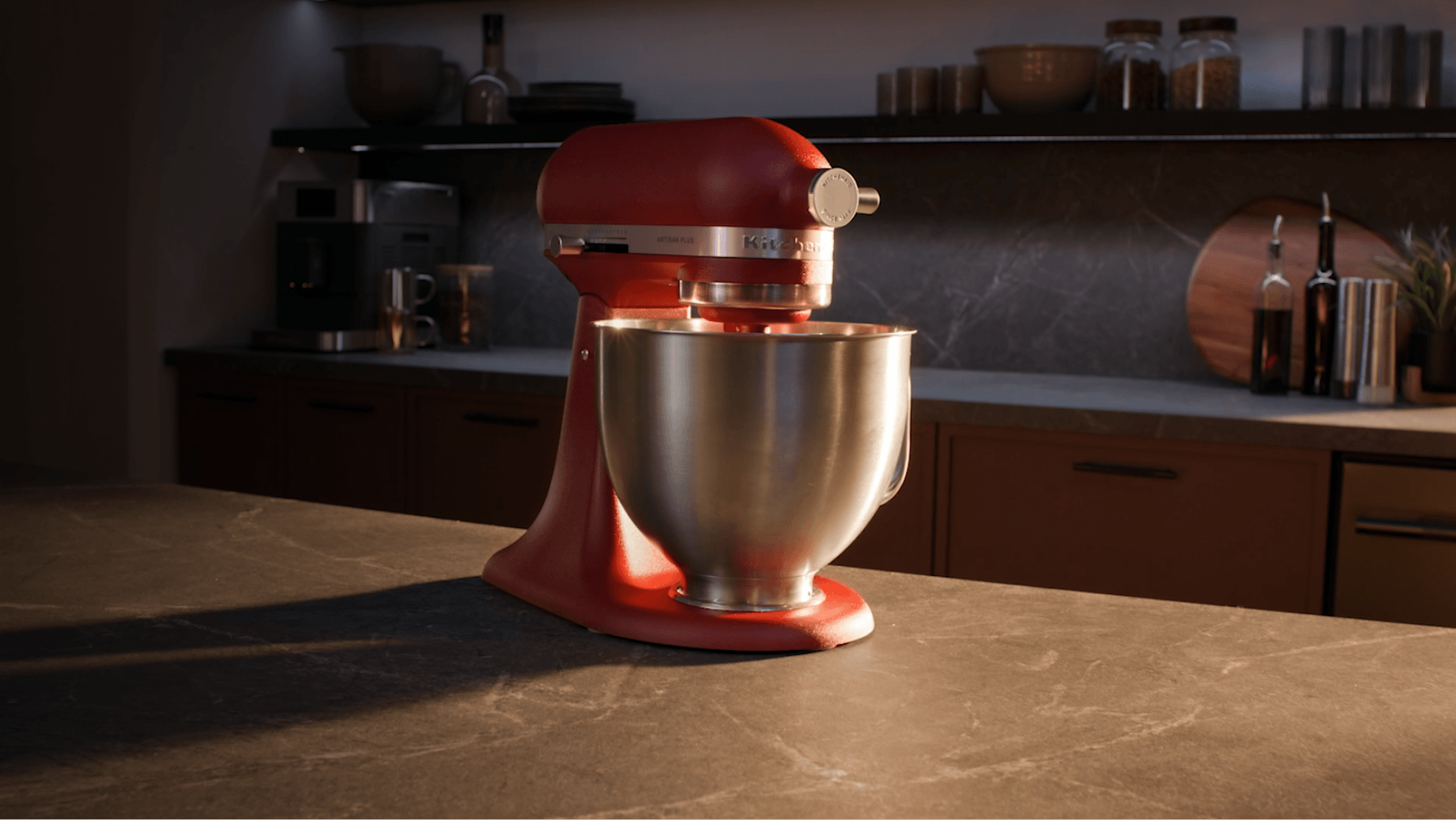
| KitchenAid Artisan | 325 W | Cakes, cookies |
| KitchenAid Pro 600 | 575 W | Bread, large batches |
| Hamilton Beach 6-Speed | 300 W | Basic mixing |
| Kenwood Chef XL | 1200 W | Heavy doughs |
As you can see, wattages vary a lot. The right choice depends on what you plan to mix most often.
Credit: forumappliances.com
How Much Electricity Does A Stand Mixer Use?
Wattage shows maximum power, but real electricity use depends on how long and how hard you run the mixer. Let’s break this down.
Calculating Stand Mixer Power Consumption
To find out how much electricity a stand mixer uses:
- Check the wattage on the mixer (for example, 500 W).
- Estimate how long you use it (say, 10 minutes).
- Convert minutes to hours (10 minutes = 0.167 hours).
- Multiply wattage by hours: 500 W × 0.167 hours = 83.5 Wh (watt-hours).
If you use your mixer for 10 minutes, you use about 83. 5 watt-hours. That’s less than running a toaster or hair dryer. If you use it daily, it adds up. Over a year, the cost can be more noticeable.
Example: Yearly Stand Mixer Electricity Use
Let’s say you use a 325-watt mixer for 15 minutes, twice a week:
- 15 minutes = 0.25 hours × 2 = 0.5 hours per week
- 0.5 hours × 52 weeks = 26 hours per year
- 325 W × 26 hours = 8,450 Wh (or 8.45 kWh)
If your local electricity cost is $0.15 per kWh:
- 8.45 kWh × $0.15 = $1.27 per year
So, using a stand mixer is not expensive for most homes. Still, if you run a bakery or mix daily, the numbers grow.
Comparing Stand Mixer Power To Other Kitchen Appliances
People often wonder how a stand mixer’s power compares to other appliances. Here’s a quick overview:
| Appliance | Typical Wattage |
|---|---|
| Stand Mixer | 300–1000 W |
| Blender | 300–800 W |
| Toaster | 800–1500 W |
| Coffee Maker | 900–1200 W |
| Microwave | 700–1500 W |
Stand mixers use similar power to blenders, but less than toasters and microwaves. They are not the biggest energy users in the kitchen.
Credit: www.kitchenaid.com
What Factors Affect Stand Mixer Power Usage?
The power a stand mixer uses can change depending on several things:
- Mixing speed: Higher speeds use more power.
- Type of dough or batter: Heavy bread doughs need more energy.
- Duration of use: Longer mixing times mean higher electricity use.
- Size of batch: Mixing more at once can make the motor work harder.
- Mixer efficiency: Some mixers use less power for the same results.
Many beginners miss that mixing heavy ingredients at high speed for a long time can quickly increase power use. Also, using attachments (like a pasta maker) may add extra load.
Choosing The Right Stand Mixer Based On Power
When picking a stand mixer, wattage is important—but it’s not the only factor. Here’s how to make the best choice:
- If you bake mostly cookies, cakes, or whip cream, a mixer around 300–400 watts is enough.
- For bread or pizza dough, go for 500 watts or more.
- If you want to mix very large batches or heavy doughs often, choose 700+ watts.
Other Key Factors
- Build quality: Good gears and motors last longer and use power efficiently.
- Bowl size: Larger bowls need more powerful motors.
- Speed settings: More speeds mean you can use only as much power as needed.
Don’t make the common mistake of choosing the highest wattage just because it sounds better. Sometimes, a well-designed lower-watt mixer can do the job just as well.

Credit: www.amazon.com
Saving Energy With Your Stand Mixer
While stand mixers are not energy hogs, you can still cut down on electricity use:
- Use lower speeds when possible: Only use high speed for short bursts.
- Mix smaller batches: Don’t overload the mixer, which makes the motor work harder.
- Avoid running empty: Always use the mixer with ingredients inside.
- Keep the mixer clean and well-maintained: Dust or old grease can make the motor less efficient.
- Unplug after use: Some mixers have standby lights or electronics that use power even when not mixing.
A non-obvious tip: If your mixer struggles with a recipe, try splitting it into two smaller batches. This can save both motor wear and electricity.
You might find this helpful: Stand Mixers for Commercial Use
Stand Mixer Wattage: Myths And Misunderstandings
Many people think more watts always mean better mixing. This isn’t true. Some mixers use clever gear systems to deliver more torque with less power. Also, wattage does not measure motor quality or durability.
Another common misunderstanding is that stand mixers use a lot of power. In reality, even a high-watt mixer uses far less electricity than ovens or stoves. For most homes, the cost is low unless you mix daily for long periods.
Stand Mixer Wattage And Motor Types
Not all stand mixer motors are equal. There are two main types:
- AC motors: Found in most home mixers. They use more energy at higher speeds.
- DC motors: Found in some professional mixers. They deliver steady power and can be more efficient.
DC motors often cost more but can handle heavy doughs better. They also keep power use steady across speeds.
Mixer Motor Comparison
Here’s a quick look at how motor types affect power use:
| Motor Type | Efficiency | Typical Wattage | Best Use |
|---|---|---|---|
| AC Motor | Medium | 300–800 W | Home baking |
| DC Motor | High | 500–1000 W | Heavy, frequent mixing |
For most home bakers, AC motors are fine. For those baking daily or in bulk, DC motors can be worth the investment.
Stand Mixer Power: Environmental Impact
Using a stand mixer does have an impact on your energy use and the environment. Luckily, it’s small compared to other appliances. Still, if you want to be more eco-friendly:
- Choose mixers with energy-efficient motors
- Use only as much power as needed
- Mix in bigger batches to reduce the number of times you use the mixer
You can also look for brands with good recycling programs or mixers made from sustainable materials.
Stand Mixer Power Ratings: Reading The Label
When buying a stand mixer, always check the label for wattage. But also look for other ratings:
- Amperage: Shows how much current the mixer draws. Helps you know if your outlet can handle it.
- Voltage: Most US mixers use 120V. In other countries, check for 220V/240V.
- RPM: Stands for rotations per minute. Higher RPM means faster mixing but not always better results.
If you see a mixer rated in horsepower (HP), remember:
- 1 HP = 746 watts
Most mixers are under 1 HP. If a brand lists both HP and watts, use watts for energy calculations.
Practical Tips For Stand Mixer Owners
Want to get the most out of your mixer without wasting power? Here are some practical tips:
- Plan your mixing: Combine recipes if possible to use the mixer efficiently.
- Use the right speed for the task: Most doughs need slow speeds, creams need medium, and egg whites need high.
- Don’t leave the mixer running unattended: It uses power and can be unsafe.
- Keep attachments in good shape: Dull beaters or dough hooks make the motor work harder.
- Store your mixer in a cool, dry place: Heat and humidity can affect motor performance.
A helpful insight: Many users forget to clean the mixer’s ventilation holes. Dust blocks air and makes the motor overheat, leading to higher power use and shorter life.
Where To Find Stand Mixer Power Information
To check the power usage of your mixer:
- Look at the bottom or back of the mixer for the wattage label.
- Check the product manual or manufacturer website.
- Search online reviews for real user experiences.
For more technical details, you can check Wikipedia for a deeper explanation of stand mixer mechanics.
Frequently Asked Questions
How Much Does It Cost To Run A Stand Mixer?
For most homes, running a stand mixer costs less than $2 per year. The exact cost depends on wattage, mixing time, and local electricity rates.
Is A Higher Watt Stand Mixer Always Better?
No, higher wattage means more power, but it’s not always better. A well-designed mixer can do the same job with fewer watts. Look for build quality and good reviews.
Can A Stand Mixer Overload My Electrical Outlet?
Most mixers use under 1000 watts, which is safe for standard US outlets. If you have several high-power appliances on the same outlet, spread them out to avoid overload.
Does Mixing Heavy Dough Use More Electricity?
Yes, heavy doughs make the motor work harder and use more power. Use slower speeds and split large batches to help your mixer and save energy.
How Can I Make My Stand Mixer More Energy Efficient?
Use only as much speed and time as needed, keep the mixer clean, and unplug when not in use. Regular maintenance helps keep power use low.
Choosing the right stand mixer and using it wisely can save both energy and money. Understanding wattage and power usage helps you bake better and live smarter. Whether you’re a beginner or a seasoned baker, keeping an eye on power can make your kitchen more efficient and eco-friendly.