Skip to content
Every home cook and professional chef relies on cutting boards. They are the backbone of food prep, touching everything from raw meats to fresh fruits. But while most people wash their boards after each use, many rarely think about how often they should actually replace them. A cutting board that looks clean may still hide bacteria or deep grooves, risking your food safety and even the taste of your meals. So, how often should you really replace your cutting boards?
Let’s explore the lifespan of different types, warning signs, and best practices to keep your kitchen safe and efficient.
Why Cutting Board Replacement Matters
At first glance, a cutting board may seem simple. But with daily use, it faces constant knife strikes, moisture, and food residue. Over time, even sturdy boards can develop deep cuts, stains, or even odors. These flaws are not just cosmetic. Microbes—like E. coli or Salmonella—can settle into grooves and cracks, making them hard to remove even with soap and water.
A 2016 study found that wooden and plastic cutting boards can harbor bacteria deep below the surface, especially when damaged. While cleaning helps, there’s a point when even the best sanitizing can’t save an old board. This is why knowing when to replace your cutting board is just as crucial as washing it after each use.
Factors That Affect Cutting Board Lifespan
Not all cutting boards are created equal. The material, how often you use them, and how you clean them all affect how long they last.
Material Matters
Cutting boards come in several types:
- Plastic
- Wood
- Bamboo
- Composite (e.g., Epicurean)
- Glass
Each has its strengths and weaknesses. For example, plastic boards are cheap and dishwasher-safe but can scar easily. Wood boards are sturdy but need special care. Glass boards last for years but dull knives quickly and are unpopular with chefs.
Frequency Of Use
A board used daily will wear out faster than one used once a week. Home cooks who prepare most meals at home may need to replace boards more often than people who eat out or cook less.
Cleaning Methods
Dishwashers sanitize well but can warp or crack wood boards. Not drying boards completely can lead to warping, mold, or splitting—shortening their life.
Type Of Food Prepared
If you use your board for raw meats, you’ll want to replace it sooner, especially if it develops grooves. Meat juices seep into these cuts and can cause cross-contamination.

Credit: www.deerandoak.co.uk
How Long Do Different Cutting Boards Last?
There is no single answer, but you can estimate based on the material and care.
| Material | Average Lifespan | Key Weakness |
|---|---|---|
| Plastic | 1-5 years | Deep grooves, stains |
| Wood | 3-7 years | Splitting, warping |
| Bamboo | 2-4 years | Splitting, stains |
| Composite | 4-8 years | Edge wear |
| Glass | 10+ years | Dulls knives |
These are general ranges. A plastic board used to cut cooked vegetables and washed gently may last longer than a wooden board used for butchering meat and left wet.
You might find this helpful: Best Cutting Boards for Daily Use
Warning Signs: When It’s Time To Replace
It’s easy to overlook the signs of an old cutting board, especially if you’re used to it. But ignoring these signs can put your health at risk.
1. Deep Grooves Or Cracks
If your knife has left many deep lines, bacteria can hide there. If you can’t sand them out, it’s time to replace the board.
2. Stubborn Stains Or Odors
Some stains, like beet juice or turmeric, may look bad but aren’t dangerous. However, if smells (like onion or fish) linger even after deep cleaning, bacteria may be trapped inside.
3. Warping Or Splitting
Warped boards won’t sit flat and can make cutting unsafe. Splitting wood or bamboo lets moisture and bacteria in, making cleaning impossible.
4. Mold Growth
If you ever spot black or green spots, or fuzzy patches, throw the board away immediately.
5. Surface Feels Rough Or Fuzzy
For wooden boards, if the surface feels raised or “hairy” after washing, the fibers have lifted and the board is more prone to trapping dirt.
6. Loose Rubber Feet Or Handles
For boards with attachments, if parts are loose or missing, the board may slip during use or be hard to clean.
How To Extend The Life Of Your Cutting Boards
While all boards need replacing eventually, good care can help them last longer. Here’s how:
Cleaning Best Practices
- Wash immediately after use with hot, soapy water. Don’t let juices dry on the board.
- Sanitize regularly: For plastic, run through the dishwasher. For wood, scrub with a vinegar solution or hydrogen peroxide.
- Dry upright: Let boards air dry standing up, not flat, to prevent warping and mold.
Maintenance Tips
- Oil wooden boards: Every few weeks, rub food-safe mineral oil or board cream into the surface. This prevents drying and splitting.
- Sanding: For wood and some bamboo boards, light sanding can remove shallow knife marks and stains.
- Rotate boards: Use different boards for different foods (meat, veggies, bread). This reduces cross-contamination and wear.
Smart Usage
- Don’t cut bones or frozen foods on regular boards. This damages the surface quickly.
- Use a dedicated raw meat board (often color-coded) to avoid spreading germs.
Plastic Vs Wood: Which Needs Replacing Sooner?
Many people debate whether plastic or wooden cutting boards are better. Both have pros and cons, but when it comes to replacement, there are clear differences.
| Feature | Plastic | Wood |
|---|---|---|
| Knife Mark Resistance | Low (scars easily) | High (self-healing) |
| Sanitizing | Dishwasher safe | Hand wash only |
| Replacement Rate | Every 1-5 years | Every 3-7 years |
| Common Failures | Deep grooves, stains | Splitting, warping |
Plastic boards are often chosen for their price and easy cleaning. However, they scar quickly, so you may need to replace them more often—especially if you use them for tough foods. Wooden boards cost more up front but can last much longer with good care and regular oiling.
Common Mistakes That Shorten Board Lifespan
Many people unknowingly ruin their boards. Here are errors to avoid:
1. Soaking Boards In Water
Leaving any board, especially wood or bamboo, soaking in water causes swelling, warping, and mold.
2. Putting Wood Boards In The Dishwasher
High heat and moisture can crack or split wood quickly.
3. Cutting On Both Sides Without Cleaning
Some flip their board to “save time. ” This just spreads bacteria.
4. Using Harsh Cleaners
Bleach and strong chemicals can damage both wood and plastic, leading to faster breakdown.
5. Ignoring Early Signs Of Damage
Small cracks or stains may seem harmless but usually get worse.
Practical Tips For Safe And Efficient Board Use
Knowing when to replace is only part of the solution. Here’s how to use boards safely every day:
- Always use separate boards for raw meat and ready-to-eat foods.
- Color-coded plastic boards (red for meat, green for veggies) make this easy.
- Replace old boards before a big family event or holiday, when food prep is heavy.
- If you cater or cook for others, consider replacing boards annually as a safety measure.
Real-life Example: Restaurant Standards
Professional kitchens must follow strict rules. The US Food and Drug Administration (FDA) recommends replacing cutting boards as soon as they become hard to clean or develop deep cuts. Many restaurants replace plastic boards every 6-12 months due to heavy use. Home cooks can stretch this longer, but using a board for five years without checking it is risky.
Environmental Impact: Disposing And Recycling Cutting Boards
Throwing out old boards isn’t always the end. Some plastic boards can be recycled, though not all cities accept them. Wooden boards can sometimes be composted or used as garden stepping stones. Replacing less often by taking care of your boards also helps reduce waste.

Credit: www.taste.com.au
How To Choose Your Next Cutting Board
When it’s time to replace, think about your cooking style:
- If you cook a lot, invest in a thicker wood board—they last longer and feel better under the knife.
- If you want easy cleaning, choose a dishwasher-safe plastic board.
- For a balance, try bamboo—it’s eco-friendly and gentle on knives, but don’t soak it.
Look for boards with non-slip feet, juice grooves (for meat), and sizes that fit your counter space.
Frequently Asked Questions
How Do I Know When My Cutting Board Is Unsafe To Use?
A cutting board is unsafe when it has deep grooves, cracks, stains that don’t wash out, or smells that stay after cleaning. Any mold means you should throw it away.
Can I Sand Down My Old Wooden Cutting Board Instead Of Replacing It?
You can sand a wooden board to remove shallow cuts and stains. Use fine sandpaper, then re-oil the board. If the board is split or warped, or the cuts are too deep, it’s best to replace it.
Is It Safe To Use Glass Cutting Boards?
Glass cutting boards are safe for food but not for your knives. They quickly dull knife edges and can even chip blades. Most chefs avoid them for this reason.
How Should I Dispose Of An Old Cutting Board?
Plastic boards may be recyclable—check your local program. Wooden boards can be composted (if untreated) or used for DIY projects. Never burn treated or painted boards.
What Is The Best Way To Clean A Cutting Board To Make It Last Longer?
Wash after each use with hot, soapy water. Sanitize with vinegar (wood) or dishwasher (plastic). Always dry boards upright to prevent mold and warping.
If you want to dive deeper into cutting board hygiene, the CDC offers more food safety advice.
A cutting board may seem simple, but it’s a key part of your kitchen’s safety. By watching for damage, cleaning well, and knowing when to replace, you keep your meals safe and your cooking efficient. Don’t wait for a problem—regularly check your boards and upgrade when it’s time.
Your health (and your knives) will thank you.
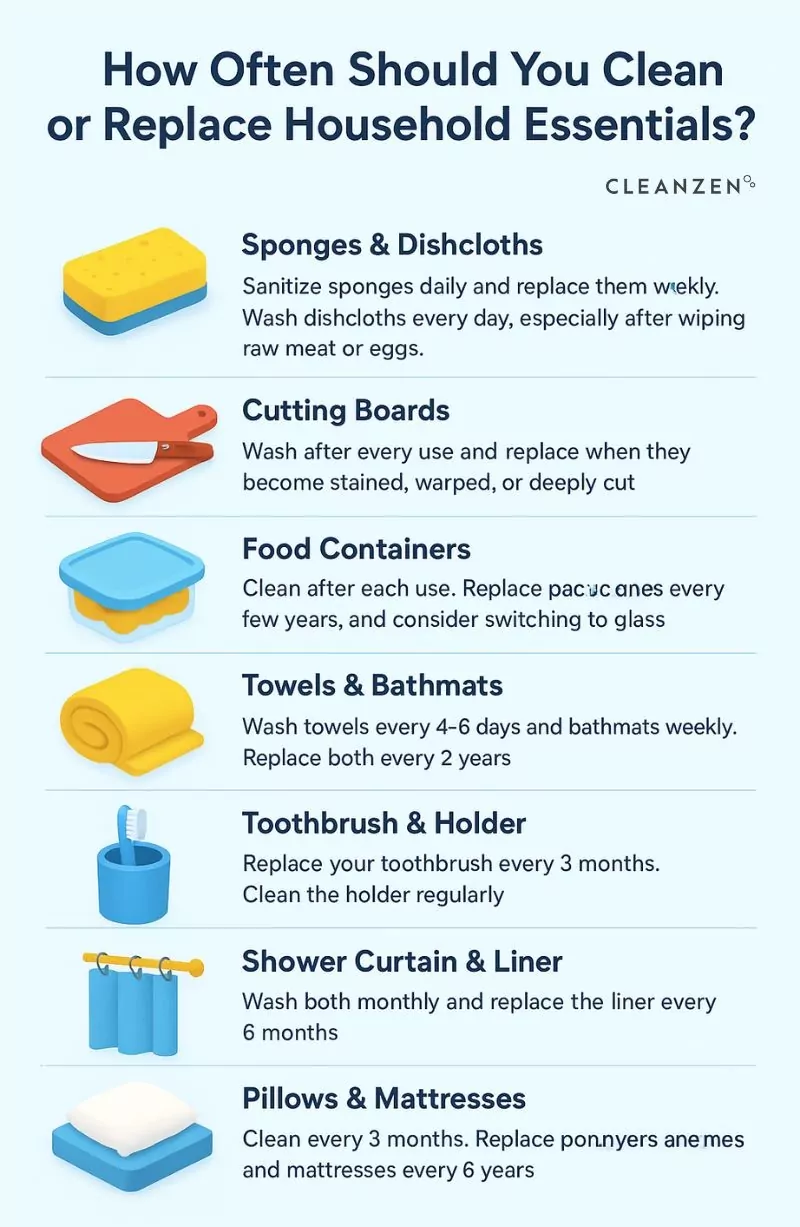
Credit: cleanzen.com