Skip to content
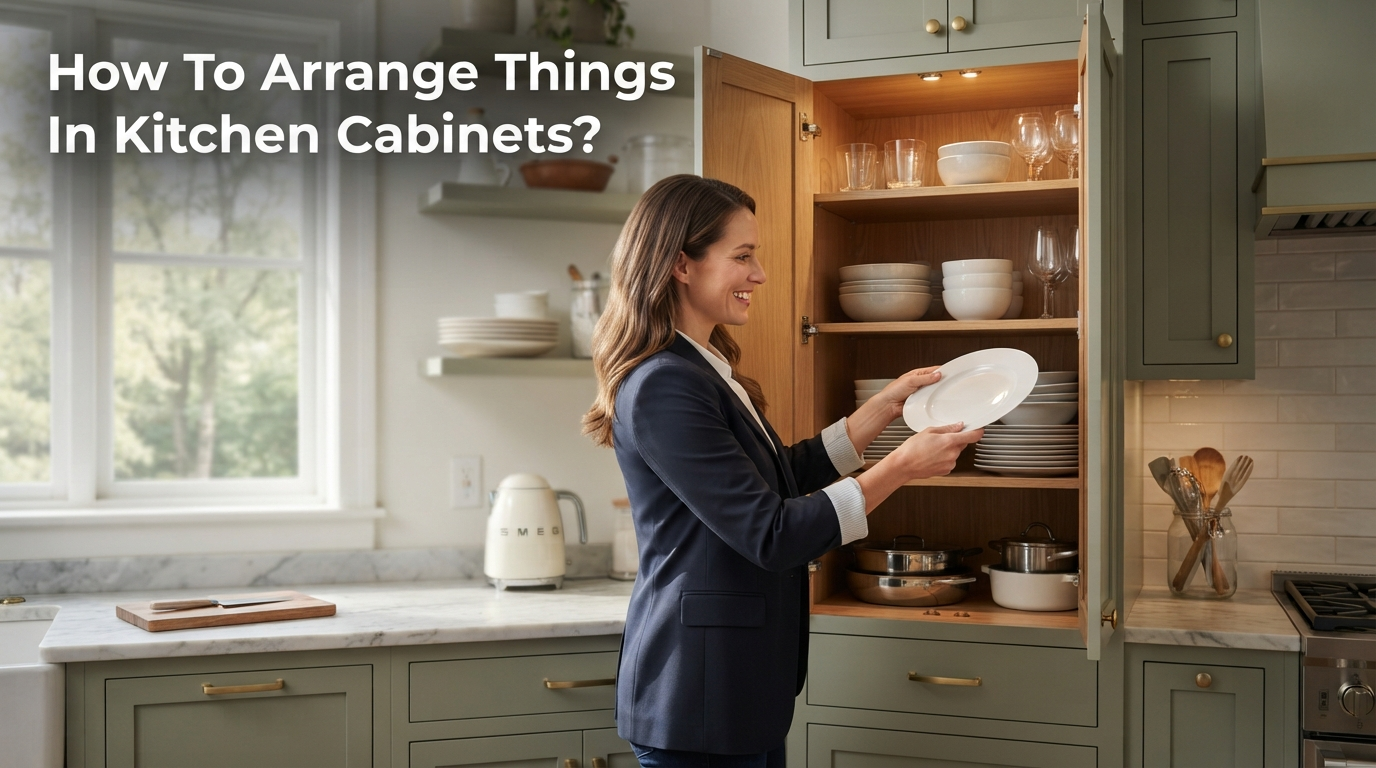
Arranging things in your kitchen cabinets can feel like a puzzle with too many pieces. You want everything to fit, but you also want to find what you need quickly—especially when you’re in a hurry. The good news? With the right strategy, you can turn your crowded cabinets into a well-organized space that saves you time and makes cooking more enjoyable.
Whether you have a small kitchen or a big family, learning how to arrange things in kitchen cabinets can make a big difference in your daily routine.
Why Cabinet Organization Matters
A well-organized kitchen isn’t just about looks. It affects how you cook, clean, and store food. When cabinets are messy, you waste time searching for items or rebuy things you already have. Studies show that Americans spend nearly 2.5 days per year looking for lost items at home. In the kitchen, this means frustration and wasted money.
Efficient cabinet organization also helps keep food fresh, prevents pests, and reduces waste. For example, if you can see all your canned goods at a glance, you’re less likely to let them expire. A tidy kitchen can even encourage healthier eating because you see your options more clearly.
Planning Your Cabinet Layout
Before you start moving things around, it’s important to plan your layout. Think about how you use your kitchen every day. Items you use most often should be easy to reach, while rarely used items can go higher or lower.
Assess What You Have
- Empty your cabinets: Take everything out. This helps you see what you own.
- Group similar items: Put all plates together, gather pots, and stack cans.
- Check for duplicates and expired food: Toss or donate what you don’t need.
Identify Zones
Many experts recommend dividing your kitchen into zones based on activities. Here’s a simple example:
| Zone | Main Items | Location Suggestion |
|---|---|---|
| Cooking | Pots, pans, utensils, spices | Near stove |
| Prep | Mixing bowls, knives, cutting boards | Countertop or below |
| Serving | Plates, glasses, flatware | Near dining area |
| Food Storage | Canned goods, pasta, snacks | Pantry or tall cabinet |
| Cleaning | Soaps, towels, trash bags | Under sink |
This approach keeps everything close to where you use it, saving steps and time.
Credit: www.cleanandscentsible.com
Sorting And Decluttering
One of the easiest ways to improve cabinet space is to reduce what you store. Many people keep broken gadgets or old containers “just in case,” but these take up valuable space.
Steps To Declutter
- Be honest: If you haven’t used something in a year, let it go.
- Donate duplicates: No one needs five spatulas.
- Toss expired food: Check dates before putting items back.
Pro tip: Use a box for “maybes.” If you don’t reach for these items in three months, donate or toss them.
Arranging Everyday Dishes
Plates, bowls, cups, and glasses are used daily, so they should be easy to grab. The best place for these is the cabinet closest to your dishwasher or sink. This makes unloading dishes much faster.
Stacking And Storing
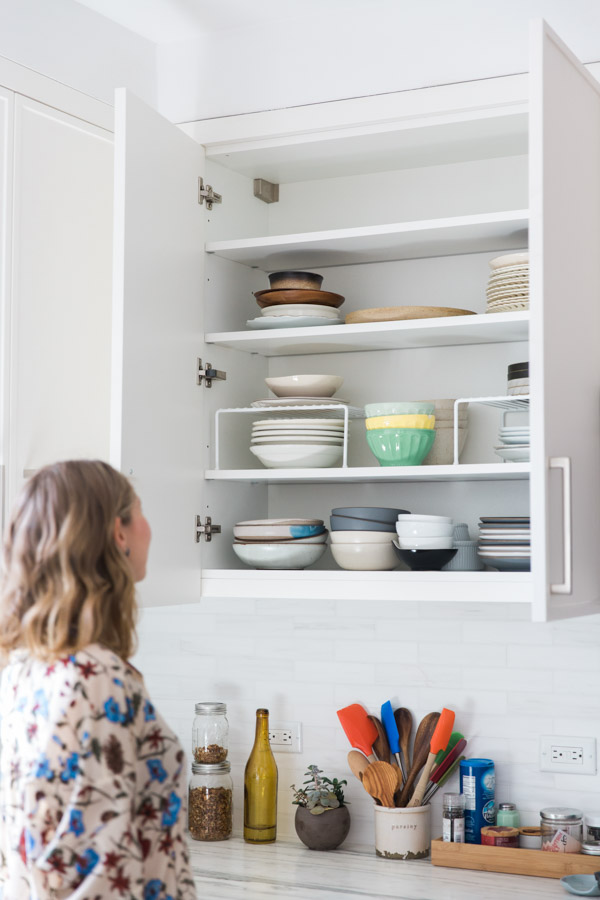
- Plates: Stack by size, with dinner plates at the bottom and smaller plates on top.
- Bowls: Keep in a neat stack, but avoid tall piles that can tip over.
- Cups and glasses: Store upside down to keep dust out. If space is tight, use an under-shelf rack.
Shelving Solutions
If your cabinets are tall, add shelf risers to double the storage for cups or small plates. You can find these at most home stores.
Organizing Pots, Pans, And Bakeware
Heavy cookware can be hard to store. The best spot is a lower cabinet near your stove for easy access.
Stacking And Separating
- Pots and pans: Nest similar sizes, but avoid stacking more than three to prevent scratches.
- Lids: Use a vertical rack or a mounted lid holder inside the cabinet door.
- Bakeware: Store upright in a divider rack.
Here’s a quick comparison of pan storage options:
| Storage Method | Pros | Cons |
|---|---|---|
| Nesting | Saves space | Harder to access bottom pans |
| Vertical rack | Easy access | Takes up more cabinet width |
| Hanging (if possible) | No stacking, easy grab | Needs special installation |
Insider tip: Place a paper towel or felt between nonstick pans to avoid scratches.
Storing Food Items And Pantry Staples
Food storage is about visibility and freshness. If you can’t see your food, you’ll forget about it.
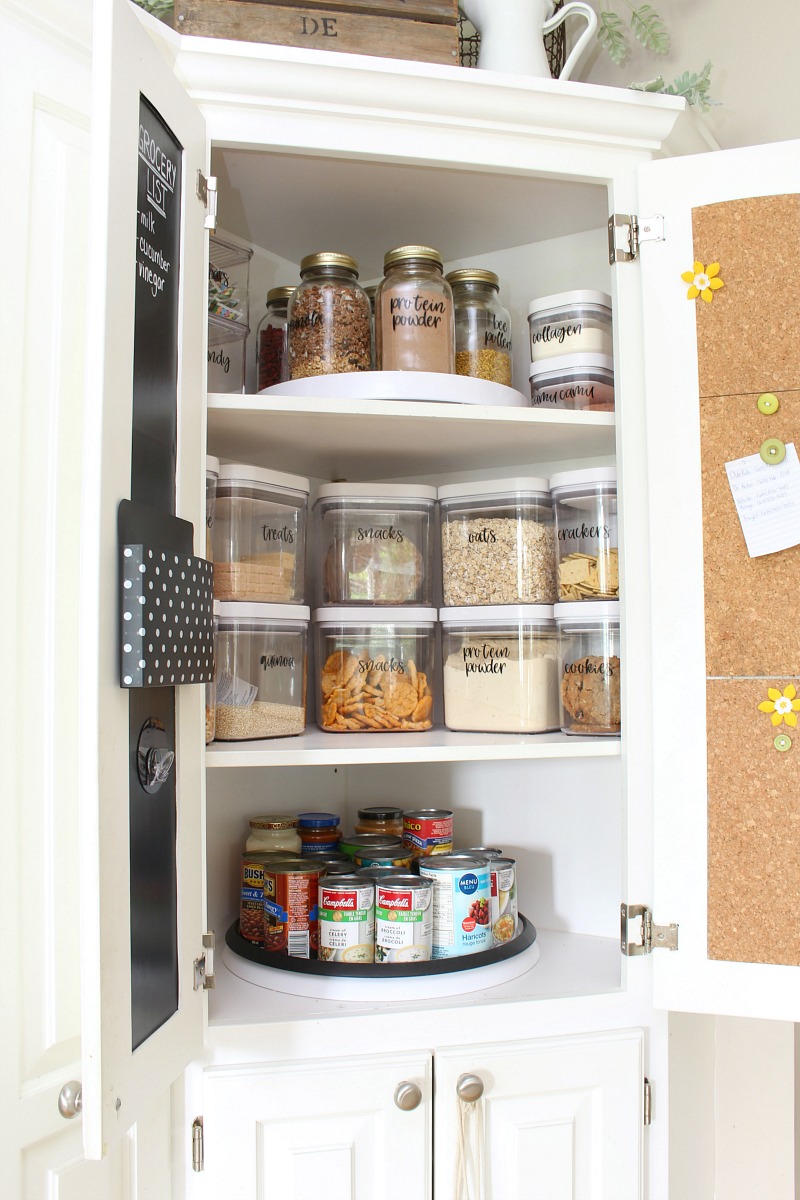
Categorize And Contain
- Canned goods: Line up in single rows by type.
- Dry goods (rice, pasta, beans): Use clear containers for easy viewing.
- Snacks: Store in bins by category (chips, bars, etc. ).
First In, First Out (fifo)
Place new items at the back and older items at the front. This simple system reduces waste.
Maximizing Vertical Space
Use shelf risers or stackable bins to make use of tall shelves. If your cabinets are deep, consider a lazy Susan to spin items into view.
:max_bytes(150000):strip_icc()/organize-your-kitchen-cabinets-2648622-04-6931115e04784603b782c69ec181d6ec.jpg)
Credit: www.thespruceeats.com
Storing Spices And Small Items
Spices often get lost in the back of cabinets. For easy cooking, keep them near your prep or cooking zone.
Smart Spice Storage
- Spice rack: Choose a rack that fits your cabinet or mounts to the door.
- Drawer organizer: Lay jars flat with labels facing up.
- Tiered shelf: Allows you to see all jars at a glance.
Non-obvious insight: Store spices away from heat and light to keep them fresh longer.
Other Small Items
Packets, seasoning mixes, and tea bags do best in small bins or baskets. Label each bin for quick access.
Organizing Appliances And Bulky Items
Appliances like blenders, slow cookers, or food processors are big and heavy. Store them low, so you don’t have to lift them above your head.
Appliance Storage Tips
- Daily use: Keep on the counter or in an easy-to-reach cabinet.
- Occasional use: Store in a lower cabinet or pantry.
- Rarely used: Move to a top shelf or even another room if cabinet space is limited.
Example: If you only use your waffle maker once a month, it doesn’t need prime kitchen space.
Maximizing Small Kitchen Cabinet Space
If your kitchen is small, every inch counts. Here are some ideas to make the most of your cabinets:
- Add hooks under shelves for mugs or utensils.
- Use stackable shelves for more levels.
- Install pull-out drawers to reach the back easily.
- Hang baskets on the inside of cabinet doors for wraps or foil.
Here’s a quick look at storage solutions and their space-saving effectiveness:
| Solution | Space Saved | Best For |
|---|---|---|
| Shelf risers | Up to 30% | Dishes, cups |
| Pull-out shelves | Up to 40% | Pots, pans |
| Door racks | Up to 15% | Spices, wraps |
Extra tip: Use square containers instead of round ones—they waste less space.
Labeling And Maintenance
Labels help everyone in your household put things back in the right place. Use a label maker or simple masking tape and a marker.
- Label bins, shelves, and containers: “Snacks,” “Breakfast,” “Pasta,” etc.
- Review every few months: Take 10 minutes to tidy up and remove extras.
Non-obvious insight: Take a photo of your organized cabinets. When things get messy, use the photo as a quick reference to reset everything.
Common Mistakes To Avoid
- Overfilling: Too many items make it hard to find things. Leave some empty space.
- Ignoring vertical space: Most cabinets have wasted height. Use risers or stackable bins.
- Mixing zones: Don’t store cleaning products with food or cooking tools.
- Skipping maintenance: Organization is not a “one and done” job.
Safety And Hygiene
Storing things safely is as important as neatness. Keep heavy items on lower shelves to avoid injuries. Store cleaning products away from food, and check for leaks or spills regularly.
Did you know? The National Sanitation Foundation recommends cleaning kitchen cabinets at least twice a year to prevent bacteria and pest buildup.
Credit: feedmephoebe.com
Making Organization A Family Habit
If you live with others, teach them your system. Simple labels and clear zones help kids and adults put things back where they belong. The more everyone follows the system, the easier it is to keep your kitchen running smoothly.
Pro tip: Assign each person a task—one checks the pantry for expired food, another wipes shelves, etc.
Frequently Asked Questions
How Often Should I Reorganize My Kitchen Cabinets?
Most people benefit from reorganizing every 3 to 6 months. This helps you catch expired food, clear out clutter, and adjust for new habits or kitchen tools.
What Should I Do With Items I Rarely Use?
Store rarely used items, like holiday dishes or specialty gadgets, on the highest or lowest shelves. If you don’t use them for a year, consider donating or storing them outside the kitchen.
Are Clear Containers Better For Food Storage?
Yes, clear containers let you see what you have and help prevent food waste. Look for airtight lids to keep food fresh longer.
How Can I Keep My Cabinets Smelling Fresh?
Wipe spills quickly and use baking soda or a natural deodorizer in the back of each cabinet. Clean cabinets at least twice a year to prevent odors.
Where Can I Find More Ideas For Organizing Kitchen Cabinets?
You can find inspiration and tips from experts at Good Housekeeping.
Arranging things in your kitchen cabinets doesn’t have to be overwhelming. With thoughtful planning, the right tools, and regular maintenance, your kitchen can become a space that’s both functional and inviting. A few hours spent today can save you countless minutes every week—and turn your kitchen into a place you truly enjoy.