Skip to content
Keeping your trash can clean is more important than most people think. It’s not just about looks—dirty trash cans can attract pests, create bad smells, and even spread germs. Cleaning your trash can regularly can save you from bigger problems, like maggots or mold. But how do you clean it well, and what steps should you follow?
This guide will show you the best way to clean your trash can, from quick fixes to deep cleaning methods. Even if you’re new to this, you’ll find simple steps that anyone can follow and tips that most beginners miss.
Why Cleaning Your Trash Can Matters
Trash cans are often ignored, but they can become a breeding ground for bacteria. Food scraps, spilled liquids, and sticky wrappers all add up over time. According to a study by the National Sanitation Foundation, trash cans are among the dirtiest items in your home, sometimes even dirtier than your toilet. This makes regular cleaning essential for health and safety.
Cleaning your trash can also helps prevent:
- Bad odors that linger in your kitchen or yard
- Pests like flies, ants, or raccoons
- Stains and residue that are hard to remove
- Cross-contamination (touching the can then touching food)
Choosing The Right Cleaning Tools And Products
Before you start, gather the right tools. Using the wrong cleaner can make the job harder, or even damage your trash can. Here’s a comparison of common cleaning tools and products:
| Tool/Product | Best For | Pros | Cons |
|---|---|---|---|
| Scrub brush | Stubborn stains | Deep cleaning, reusable | Manual effort |
| Disinfectant spray | Bacteria removal | Fast, kills germs | Can be harsh, strong smell |
| Baking soda | Odor control | Natural, cheap | Needs scrubbing |
| Pressure hose | Outdoor cans | Quick rinse | Needs outdoor space |
| Gloves | Any cleaning | Protects hands | None |
Most people use disinfectant spray and a scrub brush. For eco-friendly cleaning, baking soda and vinegar work well.
Step-by-step: How To Clean Your Trash Can
Cleaning a trash can isn’t difficult, but doing it the right way makes a big difference. Here’s a step-by-step process:
1. Empty The Trash Can
Remove all bags and loose debris. Check for stuck items at the bottom or sides. If you see maggots or mold, wear gloves and a mask for safety.
2. Pre-rinse
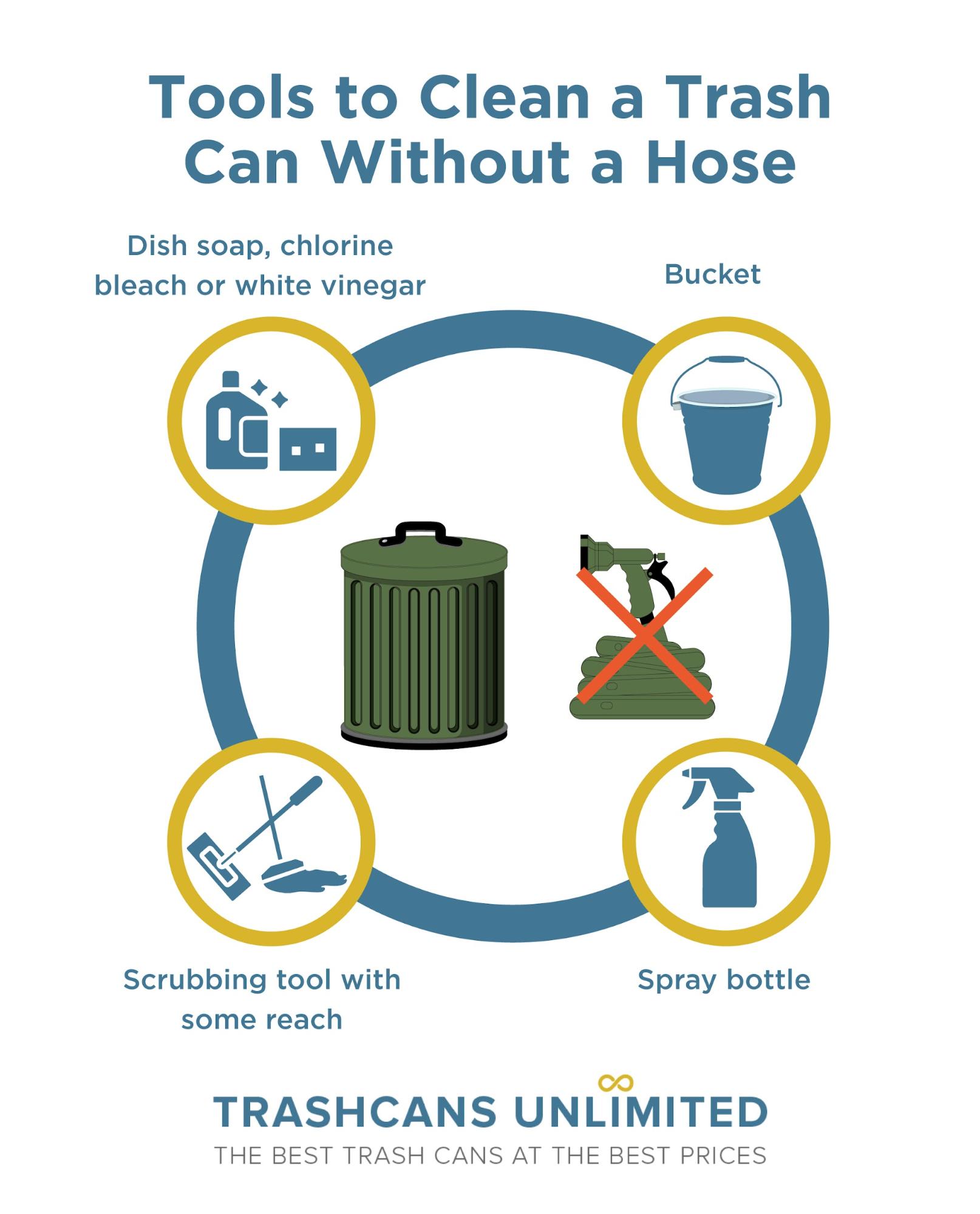
Take the trash can outside. Use a hose to rinse out loose dirt. If you don’t have a hose, pour a bucket of water inside and shake it gently. This helps remove sticky bits before scrubbing.
3. Apply Cleaner
Choose your cleaner. For tough stains, use a mix of hot water and dish soap or a disinfectant spray. For natural cleaning, sprinkle baking soda inside the can, then add white vinegar. Let it bubble for a few minutes.
4. Scrub Thoroughly
Use a scrub brush (not a sponge) to clean all surfaces, including corners and lid. Pay attention to any grooves or hinges where gunk can hide.
5. Rinse Again
Rinse out all soap and residue. Make sure nothing is left inside, as leftover cleaner can create new smells.
6. Dry Completely
Dry your trash can with a towel, or leave it upside down in the sun. Sunlight helps kill bacteria and removes dampness.
7. Re-assemble And Add A Fresh Bag
Once fully dry, place a new trash bag inside. For extra odor control, sprinkle a little baking soda at the bottom.
How Often Should You Clean Your Trash Can?
How often you clean depends on the type of trash you throw away and where your can is located. Here’s a comparison for home and outdoor cans:
| Trash Can Type | Recommended Cleaning Frequency | Why? |
|---|---|---|
| Indoor kitchen can | Every 2 weeks | Food waste, spills |
| Bathroom can | Monthly | Less messy, dry waste |
| Outdoor garbage bin | Monthly or after spills | Large volume, exposure to animals |
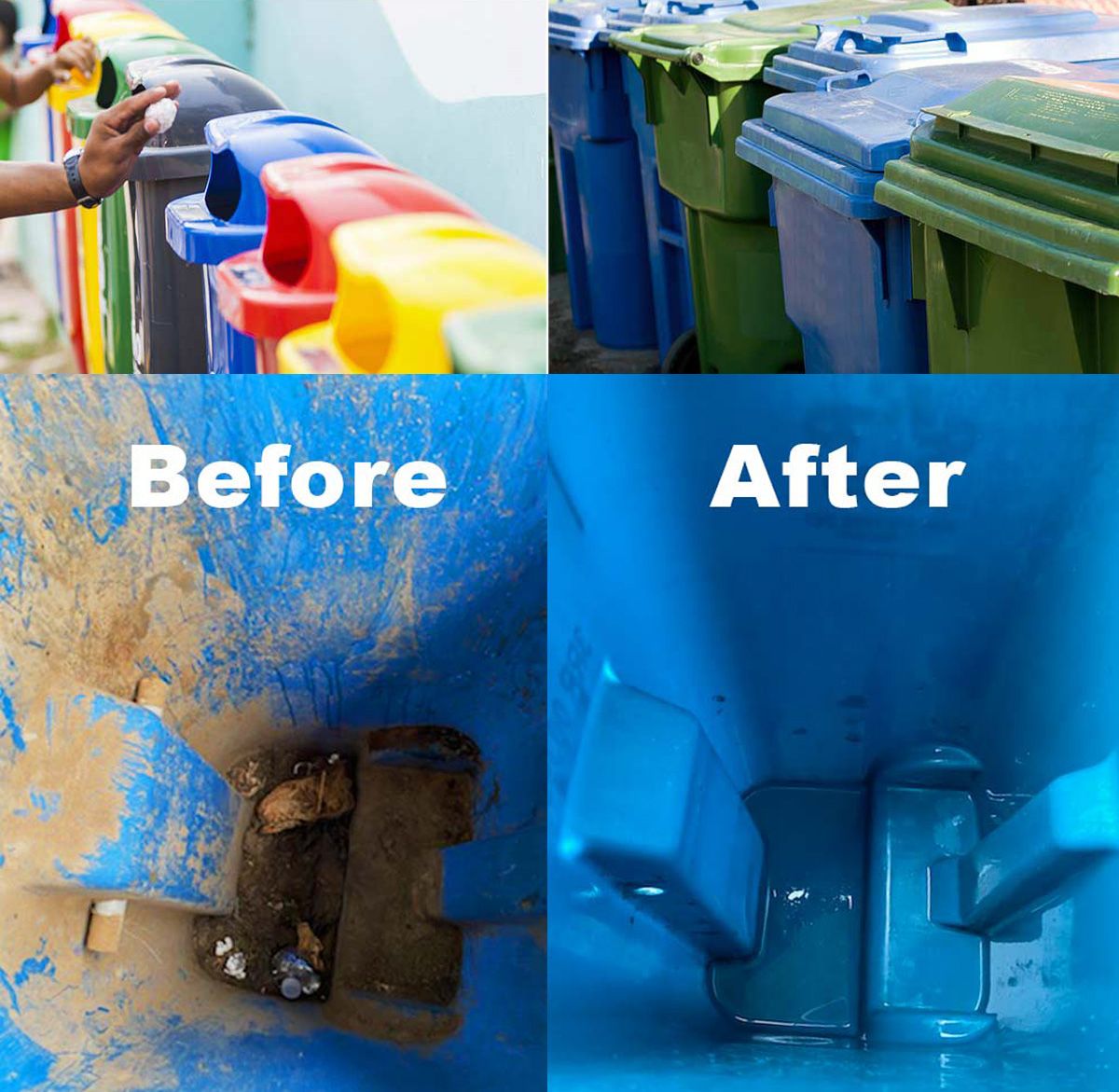
| Recycling bin | Monthly | Sticky cans/bottles |
Some people skip cleaning for months, but this can lead to problems like maggots, strong odors, or stained plastic. For best results, clean more often during hot months.
Credit: www.drumbeaters.com
Common Mistakes When Cleaning Trash Cans
Many beginners think rinsing is enough, but there are mistakes that can make cleaning less effective:
- Using cold water only—Hot water removes grease and sticky residue better.
- Skipping the lid and outside—Bacteria grows on handles and lids too.
- Not drying fully—Wet cans attract mold and cause smells.
- Using harsh chemicals—Some cleaners damage plastic and leave toxic residue.
- Ignoring liners—Dirty liners can leak and create more mess.
A non-obvious tip: Don’t forget to clean the lid hinges. Dirt collects here and is often missed.
Odor Control: Preventing Smells After Cleaning
Even after cleaning, trash cans can smell bad. Here’s how to control odors:
- Sprinkle baking soda at the bottom before adding a bag.
- Use trash can deodorizer pads (found at most supermarkets).
- Wipe the inside with a vinegar-soaked cloth for natural odor removal.
- Store cans in a ventilated area.
Some people use scented trash bags, but these only mask smells. Real odor control comes from cleaning and drying well.
Credit: trashcansunlimited.com
Dealing With Tough Problems: Mold, Maggots, And Sticky Residue
Sometimes, regular cleaning isn’t enough. If you see mold or maggots, take extra steps:
Mold
Mix one cup bleach with a gallon of water. Scrub all surfaces. Wear gloves and rinse thoroughly. Leave the can in sunlight for extra mold-killing power.
Maggots
Pour boiling water inside the can. This kills maggots instantly. Scrub and rinse afterward. Sprinkle salt at the bottom for prevention.
Sticky Residue
For sticky or greasy spots, use hot water, dish soap, and a brush. For stubborn spots, let the soap sit for 10 minutes before scrubbing.
Cleaning Metal Vs. Plastic Trash Cans
Not all trash cans are the same. Here’s a comparison of cleaning methods for metal and plastic cans:
| Type | Best Cleaning Method | Special Tips |
|---|---|---|
| Plastic | Hot water & mild soap | Avoid strong chemicals; rinse well |
| Metal | Vinegar & baking soda | Dry quickly to prevent rust; use soft brush |
Plastic cans are sensitive to bleach and harsh cleaners, while metal cans can rust if left wet.
Eco-friendly Cleaning Options
Many people prefer natural cleaning methods. Baking soda, vinegar, and lemon juice are effective and safe. Avoid products with strong chemicals or perfumes, especially if you have pets or children.
Eco tip: Reuse old toothbrushes for cleaning small parts and hinges.
Practical Tips To Keep Your Trash Can Cleaner Longer
A clean trash can stays clean with good habits:
- Always use a trash bag—never throw loose items inside.
- Double-bag for messy waste like food scraps or diapers.
- Clean spills immediately, don’t wait for your next cleaning day.
- Place cans in shaded areas to prevent heat and odor buildup.
- For outdoor cans, close lids tightly to keep animals away.
An insight most people miss: Adding a newspaper layer at the bottom of the can absorbs leaks and makes cleaning easier.
Credit: www.etsy.com
When To Replace Your Trash Can
Sometimes, cleaning isn’t enough. If your trash can has cracks, strong smells that won’t go away, or rust holes, it’s time to replace it. Damaged cans can leak, attract pests, and are harder to keep clean.
Professional Trash Can Cleaning Services
If you don’t have time or your trash can is extra dirty, consider a professional cleaning service. They use high-pressure steam and disinfectants for deep cleaning. Prices range from $10 to $25 per can, depending on your location.
Check your local sanitation website for services or search for reviews on trusted sites. For more information on sanitation standards, visit Wikipedia.
Frequently Asked Questions
How Do I Remove Tough Smells From My Trash Can?
Use baking soda or vinegar to absorb and neutralize odors. After cleaning, sprinkle baking soda at the bottom, or wipe inside with a vinegar-soaked cloth.
Can I Use Bleach To Clean My Trash Can?
Yes, but use bleach carefully. Mix one cup bleach with a gallon of water. Rinse thoroughly after cleaning. Avoid bleach on colored plastic, as it may cause fading.
How Can I Stop Maggots From Appearing In My Trash Can?
Keep your trash can clean and dry. Use tight-fitting lids and double-bag food waste. If maggots appear, pour boiling water inside and clean as usual.
What Is The Best Natural Cleaner For Trash Cans?
Baking soda and white vinegar are effective and safe. They remove odors, kill bacteria, and don’t harm pets or children.
How Often Should I Deep Clean My Trash Can?
Deep clean every 2–4 weeks for kitchen cans, and monthly for outdoor bins. Clean more often if you notice spills, strong odors, or pest problems.
Keeping your trash can clean might seem like a small task, but it makes a big difference for your home’s health and comfort. With the right tools, regular cleaning schedule, and practical tips, you can prevent odors, pests, and stains.
Don’t wait for problems—make trash can cleaning a routine part of your home care.