Skip to content
Cooking bacon in an electric skillet is a simple, efficient way to get crisp, flavorful strips every time. Whether you’re preparing breakfast, making sandwiches, or adding a crunchy topping to salads, knowing the right technique can make a big difference.
Many people struggle with uneven cooking, burnt pieces, or bacon that turns out greasy and limp. This guide will help you master the electric skillet method, so your bacon comes out just right, even if you’re new to cooking.
Electric skillets are popular because they offer steady heat, easy control, and large cooking surfaces. You can use them almost anywhere with an outlet—making them perfect for kitchens, dorms, or even outdoor events. Let’s explore how to select the bacon, prepare your skillet, cook the strips, and handle common mistakes.
You’ll also find practical tips, useful tables, and answers to frequent questions.
Why Use An Electric Skillet For Bacon?
Many people ask: Why not just use a frying pan or oven? The answer is consistent heat. Electric skillets are designed to keep a set temperature, so bacon cooks evenly. You don’t have to worry about hot spots or burning. Plus, the wide surface means you can cook more bacon at once—a bonus for families or gatherings.
Electric skillets also make cleanup easier. Most models have non-stick surfaces and removable parts, which means less scrubbing. You can control the temperature precisely, so you avoid overcooking. Finally, you don’t need to watch the stove constantly; the skillet does most of the work.
Choosing The Right Bacon
Not all bacon is the same. Picking the right kind affects taste, texture, and cooking time. Here’s how to choose wisely:
- Thickness: Thicker slices take longer to cook but are less likely to burn. Thin bacon cooks fast but can get crispy quickly.
- Type: Look for smoked bacon for deep flavor. There are also peppered, maple, and turkey bacon options.
- Quality: Check the label for uncured or no added nitrates if you prefer healthier options.
- Fat-to-meat ratio: More fat means crispier bacon, but too much fat can cause splattering.
Here’s a comparison of popular types:
| Bacon Type | Flavor | Cooking Time | Texture |
|---|---|---|---|
| Regular Pork | Classic, smoky | 8–12 min | Crispy or chewy |
| Thick-Cut | Rich, hearty | 12–16 min | Meaty, less crispy |
| Turkey Bacon | Mild, less fatty | 6–10 min | Chewy |
| Maple Bacon | Sweet, smoky | 8–14 min | Crispy, sticky |

Credit: beeckmanspices.com
Preparing Your Electric Skillet
Before you start, make sure your electric skillet is clean and dry. Plug it in and set it on a stable surface. Most skillets have temperature dials that range from 200°F to 400°F.
- For bacon, set the temperature to 325°F–350°F. This range gives you crispness without burning.
- If your skillet is non-stick, you don’t need extra oil. If not, add a teaspoon of vegetable oil to prevent sticking.
- Use a spatula and tongs made of heat-resistant materials to avoid scratching the surface.
Here’s a quick setup guide:
| Step | Action | Tip |
|---|---|---|
| 1 | Clean skillet | Remove old oil or crumbs |
| 2 | Plug in and set temp | 325°F–350°F for bacon |
| 3 | Add oil (if needed) | Only for non-stick issues |
| 4 | Preheat for 2–3 min | Check with water drop test |
Step-by-step: Cooking Bacon In An Electric Skillet
Cooking bacon is straightforward, but following the right steps helps avoid mistakes. Here’s a simple process:
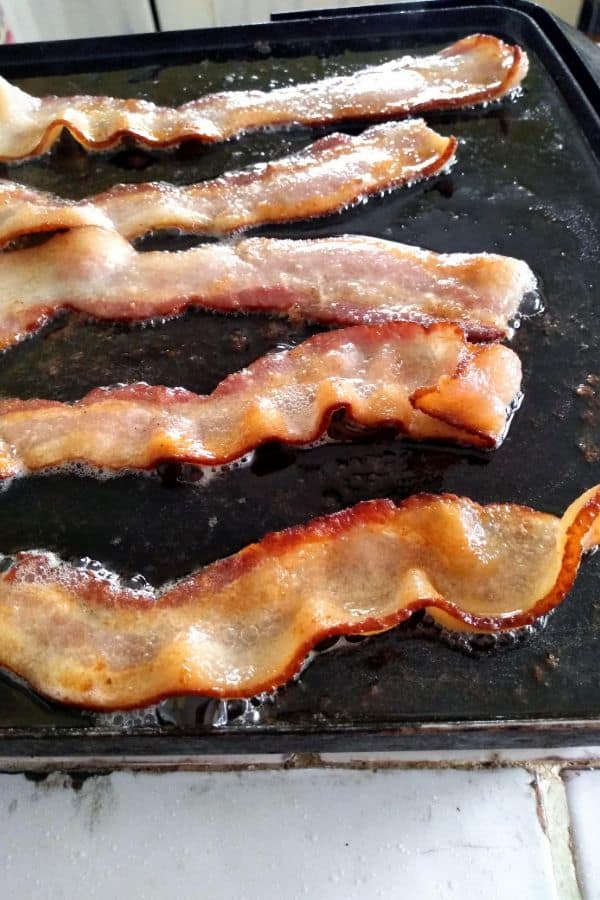
- Lay out bacon strips: Place them side by side, not overlapping. This helps them cook evenly.
- Let bacon cook: You’ll see the fat begin to melt and sizzle. Wait 4–6 minutes before turning.
- Flip carefully: Use tongs to turn each strip. Avoid poking or tearing the bacon.
- Cook second side: Let the bacon cook for another 4–6 minutes. Adjust time for thicker slices.
- Check for doneness: Bacon should be golden brown and crispy at the edges. Remove pieces that finish early.
- Drain excess fat: Place cooked bacon on a plate lined with paper towels to absorb grease.
- Repeat as needed: If you have more bacon, cook in batches. Wipe out excess fat between batches if needed.
Most bacon cooks in 8–12 minutes. If you want softer bacon, cook for less time. For extra crispy, cook a bit longer but watch closely.
:max_bytes(150000):strip_icc()/sea-zojirushi-ea-dcc10-gourmet-sizzler-electric-griddle-ashia-aubourg-03-130ebd200b4a4c7dad222ce1fa349245.jpeg)
Credit: www.seriouseats.com
Practical Tips For Perfect Bacon
Even experienced cooks sometimes get uneven or burnt bacon. Here are expert tips:
- Don’t overcrowd: Bacon needs space. Overlapping strips will steam instead of fry.
- Watch the temperature: If the bacon burns, your skillet is too hot. Lower the dial and let it cool for a minute.
- Save the fat: Bacon grease is flavorful—use it for frying eggs or vegetables. Pour it into a heat-safe container.
- Use a splatter shield: If you’re worried about grease, cover the skillet with a mesh screen.
- Rotate strips: Bacon near the edge may cook slower. Rotate strips halfway through for even results.
Many beginners miss the importance of patting bacon dry before cooking. Moisture causes splattering and slows browning. Also, don’t toss all strips in at once—start with a single layer and add more as space frees up.
Common Mistakes And How To Fix Them
Cooking bacon seems simple, but there are pitfalls. Here are frequent errors and solutions:
- Burning bacon: Usually caused by high heat. Lower the temperature and remove burnt strips quickly.
- Greasy bacon: Not draining well. Use paper towels and let strips rest for 1–2 minutes.
- Uneven cooking: Overlapping strips or cold skillet. Always preheat and give bacon room.
- Sticking issues: Old skillet or no oil. Clean well and add a bit of oil for older models.
- Too much smoke: Excess fat or high temp. Remove some grease and cook at a lower setting.
Here’s a quick reference:
| Problem | Cause | Solution |
|---|---|---|
| Burnt edges | Too hot | Lower heat immediately |
| Greasy strips | No draining | Use paper towels |
| Sticking | No oil or dirty pan | Add oil and clean skillet |
| Uneven color | Overcrowded | Space strips apart |
| Smoke | High temp, excess fat | Lower temp, remove fat |
Credit: www.eatlikenoone.com
Cooking Times And Quantities
How much bacon can you cook at once? It depends on the skillet size. Standard electric skillets are 12–16 inches wide and can fit 8–12 strips per batch.
- Thin bacon: 8–10 minutes total
- Thick bacon: 12–16 minutes total
- Turkey bacon: 6–10 minutes total
If you need to cook for a crowd, prepare in batches. Keep cooked bacon warm in a 200°F oven while you finish the rest. Each batch takes about 10–15 minutes, so plan ahead.
Cleaning And Storing Bacon
After cooking, let the skillet cool for at least 15 minutes. Wipe away grease with paper towels. If your model has removable parts, wash them with warm, soapy water. Avoid using metal scrubbers—they can damage the non-stick coating.
Store leftover bacon in airtight containers in the fridge. It stays fresh for up to 5 days. Reheat in the electric skillet at 250°F for 2–3 minutes, or use a microwave for quick results. Don’t reheat on high—bacon can turn rubbery.
Health And Nutrition Facts
Bacon is tasty but high in fat and sodium. One strip of regular bacon contains about 43 calories, 3.3 grams of fat, and 137 mg of sodium. Turkey bacon is lower in fat but may contain more sodium.
- Limit portion size to 2–3 strips per meal.
- Choose uncured or reduced sodium bacon for healthier choices.
- Save bacon as an occasional treat, not an everyday food.
For detailed nutrition, see this resource: USDA FoodData Central.
Creative Ways To Use Cooked Bacon
Bacon isn’t just for breakfast. Try these ideas:
- Bacon-wrapped vegetables: Wrap asparagus or green beans for a tasty side.
- Salads: Crumble bacon for extra crunch.
- Bacon sandwiches: Use crispy bacon in BLTs, club sandwiches, or burgers.
- Bacon bits: Chop and sprinkle on mashed potatoes or pasta.
You can also make bacon jam by cooking chopped bacon with onions and brown sugar, then simmering until thick.
Frequently Asked Questions
How Do I Prevent Bacon From Curling In The Skillet?
Bacon curls because the fat cooks faster than the meat. To keep it flat, press strips with a spatula as they start to sizzle. Some cooks use a bacon press—a flat, heavy tool that holds the strips down.
Is It Safe To Cook Bacon In An Electric Skillet?
Yes, electric skillets are safe if used properly. Always plug the skillet into a grounded outlet, don’t touch hot surfaces, and never leave it unattended. Keep children away while cooking.
Can I Cook Other Foods With Bacon In The Skillet?
Definitely. After cooking bacon, use the leftover grease to fry eggs, potatoes, or vegetables. The fat adds flavor. Just make sure not to overcrowd the skillet.
How Do I Store Bacon Grease?
Let the grease cool, then pour it into a jar or container. Store in the fridge for up to a month. Use it sparingly—it’s high in fat, but gives a rich taste to many dishes.
What’s The Best Way To Clean An Electric Skillet After Bacon?
Wait until the skillet cools. Wipe out excess grease with paper towels. Wash removable parts in warm, soapy water. Don’t use metal scrubbers—stick to soft sponges.
Cooking bacon in an electric skillet is a skill anyone can master. With the right bacon, proper setup, and attention to detail, you’ll enjoy strips that are crispy, flavorful, and perfectly cooked. Remember to use practical tips, avoid common mistakes, and clean up carefully.
Once you’re comfortable, try using bacon in new recipes for extra variety. Enjoy the process—and your delicious results.