Skip to content
Keeping your wooden cutting board in top condition is important for both food safety and the board’s lifespan. Wood is porous, so moisture can get deep inside. If you dry your board the wrong way, it can warp, crack, or even grow bacteria and mold. Many people just wipe their board with a towel and leave it flat on the counter. But this simple method can cause problems that take weeks or months to fix—or may never be fixed at all.
Drying a wooden cutting board properly is not just about keeping it looking good. It’s about protecting your investment and making sure your kitchen stays hygienic. Let’s explore the best ways to dry a wooden cutting board, why it matters, and what mistakes to avoid.
Why Proper Drying Matters
A wooden cutting board is more than just a kitchen tool. It’s a place where you prepare food for your family and guests. If moisture stays trapped inside, bacteria can multiply. According to the National Sanitation Foundation (NSF), wood can hold bacteria for up to 24 hours if not dried properly. Most kitchen boards are made from maple, walnut, or beech. These woods are strong but sensitive to water.
If you leave water on your board, you risk:
- Warping: The board bends or curls, making it hard to use.
- Cracking: Drying too fast or unevenly causes splits.
- Staining: Water marks and discoloration appear.
- Mold growth: Damp wood is a perfect spot for mold.
Data shows that a warped board loses about 30% of its usable surface area. Cracks can lead to bacteria getting trapped, making it impossible to clean fully.
Steps To Dry A Wooden Cutting Board Properly
Drying your wooden cutting board is simple, but you need to follow the right steps. Here’s how you do it:
- Rinse Immediately: After using your board, rinse it with warm water. Never soak it or leave it in the sink. Wood absorbs water quickly.
- Clean Gently: Use mild soap and a soft sponge. Avoid harsh scrubbers or steel wool, which scratch the surface.
- Dry with a Towel: Use a clean, dry towel to remove as much water as possible. Don’t use paper towels—they leave fibers.
- Air Dry Upright: Stand the board on its edge, not flat. This lets air reach both sides.
- Use a Drying Rack: If possible, use a rack designed for boards. It keeps the board off the counter and allows airflow.
- Avoid Sunlight and Heat: Don’t place the board near a heater or in direct sunlight. This causes uneven drying and cracks.
- Check for Moisture: Touch the board after a few hours. If it’s cool or damp, let it dry longer.
It usually takes 6–12 hours for a wooden cutting board to dry fully, depending on thickness and humidity.
:max_bytes(150000):strip_icc()/__opt__aboutcom__coeus__resources__content_migration__serious_eats__seriouseats.com__images__2015__09__20150824-wooden-cutting-board-how-to-maintain-composite-kenji-8-5239b1c5d724431ea72e66fd4939bb1d.jpg)
Credit: www.seriouseats.com
Common Mistakes People Make
Many beginners think wood is like plastic and treat it the same. Here are some frequent errors:
- Leaving the board flat: Moisture gets trapped underneath.
- Using dishwashers: High heat and water damage the fibers.
- Soaking in water: The board swells and splits.
- Not drying both sides: One side stays wet, causing warping.
- Using strong chemicals: These break down the wood and finish.
Wooden boards can last 10–15 years if cared for, but improper drying can reduce their life by half.
Comparing Drying Methods
Different drying methods have different results. Here’s a quick comparison:
| Method | Drying Time | Risk of Damage | Ease |
|---|---|---|---|
| Standing Upright | 6–12 hours | Low | Easy |
| Flat on Counter | 12–24 hours | High (warping) | Easy |
| Dishwasher | 1–2 hours | Very High (cracking) | Automatic |
| Drying Rack | 6–10 hours | Low | Medium |
Standing your board upright or using a rack is safest.
Tips To Speed Up Drying
Sometimes you need your board dry quickly. Here are ways to help:
- Use a fan: Place a fan nearby to blow air across the board.
- Open windows: Good ventilation removes moisture faster.
- Rotate the board: Flip it after a few hours so both sides dry evenly.
- Pat dry more than once: Re-towel after 30 minutes if you notice water.
Avoid using hair dryers or ovens. They dry unevenly and can cause cracks.
You might find this helpful: Best Wooden Cutting Boards
How Humidity Affects Drying
Humidity in your kitchen changes how fast your board dries. In humid climates, drying can take twice as long. In dry areas, your board dries faster but can crack if the air is too dry.
Here’s a quick look at drying times in different environments:
| Environment | Average Drying Time | Crack Risk |
|---|---|---|
| High Humidity (70%+) | 14–24 hours | Low |
| Normal Humidity (40–60%) | 8–12 hours | Medium |
| Low Humidity (under 30%) | 4–8 hours | High |
If you live in a dry area, oil your board regularly to protect it.
:max_bytes(150000):strip_icc()/__opt__aboutcom__coeus__resources__content_migration__serious_eats__seriouseats.com__images__2015__09__20150824-wooden-cutting-board-how-to-maintain-kenji-208-1d937bdad043481baf54d88406410f3d.jpg)
Credit: www.seriouseats.com
Oiling After Drying
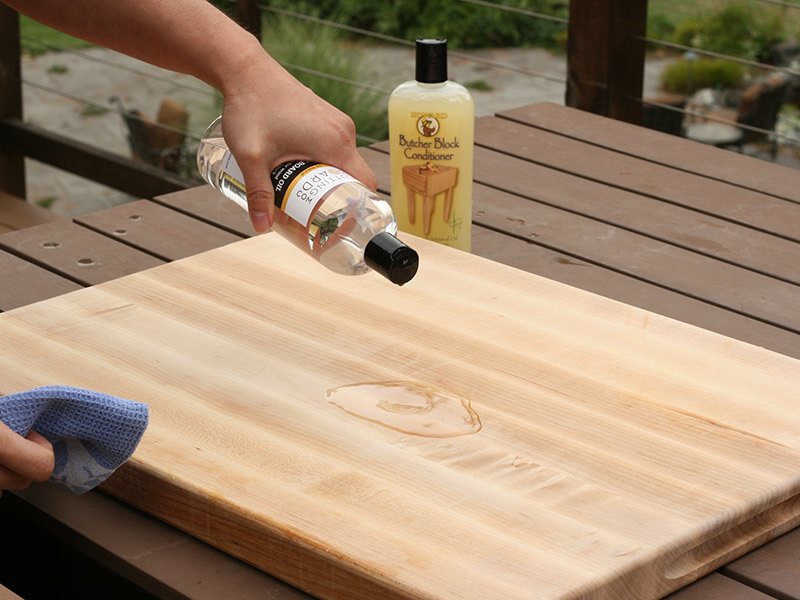
Once your board is fully dry, oiling is important. Wood loses moisture and needs to be protected. Use food-safe mineral oil or beeswax. Don’t use vegetable oils—they turn rancid.
How to oil:
- Wait until the board is completely dry.
- Apply a thin layer of oil with a soft cloth.
- Let it sit for 1–2 hours.
- Wipe off any extra oil.
Oil your board every 2–4 weeks, depending on use and climate.
Signs Your Board Is Not Drying Properly
If you notice these signs, your board is not drying well:
- Musty smell: Indicates bacteria or mold.
- Soft spots: The wood feels spongy.
- Visible mold: White or green patches.
- Warping: Uneven surface, corners lifting up.
- Splitting: Cracks along the grain.
Fix these problems by sanding the board and oiling it, or replacing it if damage is severe.
How Often Should You Dry And Clean?
You should dry your board every time you wash it. Clean it daily if you use it often. For heavy use, clean after each meal prep. For light use, cleaning once a day is enough. Regular drying is key to preventing damage.
Comparing Plastic Vs. Wooden Cutting Boards
People often ask if plastic boards are easier to dry. Let’s compare:
| Type | Drying Time | Risk of Warping | Cleaning Difficulty |
|---|---|---|---|
| Wooden | 8–12 hours | Medium | Medium |
| Plastic | 1–2 hours | Low | Easy |
Wooden boards take longer to dry but are gentler on knives and have natural antibacterial properties.
Non-obvious Insights Beginners Miss
Most people don’t realize that:
- Standing upright is more important than towel drying. Even if you towel dry, leaving the board flat traps moisture underneath.
- Multiple drying sessions help. Towel dry once, wait 30 minutes, then towel dry again. You’ll remove hidden moisture.
- End grain boards (where the grain faces up) dry differently than edge grain boards. End grain boards absorb more water but dry faster on edges.
Practical Example: Drying After Cutting Raw Meat
If you use your board for raw meat, cleaning and drying is critical. Here’s what to do:
- Rinse with hot water and mild soap.
- Scrub with a soft brush.
- Rinse again.
- Towel dry thoroughly.
- Stand upright in a well-ventilated area.
- Oil after drying, especially if cleaned with vinegar or salt.
Raw meat leaves bacteria that can survive in moist wood. Proper drying stops this.
Safe Storage After Drying
Once your board is dry, store it in a place with airflow. Avoid closed cabinets. Use hooks or racks. Don’t stack boards tightly—they trap moisture. If you must stack, place a towel between boards.
When To Replace Your Cutting Board
If your board has deep cracks, mold that won’t go away, or warping that makes it unstable, it’s time to replace it. A board with splits wider than a quarter inch is unsafe. Most boards last 10 years, but heavy use can shorten this.
Credit: www.cuttingboard.com
Frequently Asked Questions
How Do I Know If My Wooden Cutting Board Is Fully Dry?
Touch the surface. If it feels cool, there’s still moisture. Also, check the edges—they dry last. Smell the board for mustiness, which means it’s not dry.
Can I Dry My Wooden Cutting Board In The Oven?
No, the oven dries wood too quickly and causes cracks. Always air dry in room temperature.
How Often Should I Oil My Cutting Board?
Oil every 2–4 weeks, or more often if your kitchen is dry. If your board looks dull or feels rough, oil it.
Is It Safe To Use My Board If It’s Not Fully Dry?
No, using a damp board spreads bacteria and can damage the wood. Wait until it’s completely dry.
What’s The Best Wood For Cutting Boards If I Live In A Humid Area?
Maple and walnut are good choices. They resist moisture better than softer woods. For more details on wood types, visit Wikipedia.
Drying your wooden cutting board properly is easy once you know what to do. Always rinse, towel dry, and stand upright. Avoid heat and closed spaces. With good care, your board will last for years, stay clean, and keep your food safe.