Moths in the kitchen can turn any home into a frustrating mess. You open a bag of flour, and tiny moths fly out. You see silk webs in your cereal box. Suddenly, you wonder if your food is safe and if you need to throw everything away. The truth is, kitchen moths, often called pantry moths or Indian meal moths, can be a stubborn problem. But with the right steps, you can remove them and keep your kitchen moth-free.
This guide walks you through everything you need to know about getting rid of moths in the kitchen. You’ll learn why they appear, how to stop them, and how to prevent future infestations. These solutions are practical, effective, and easy to follow—even if you’re new to home cleaning.
Why Do Moths Invade Your Kitchen?
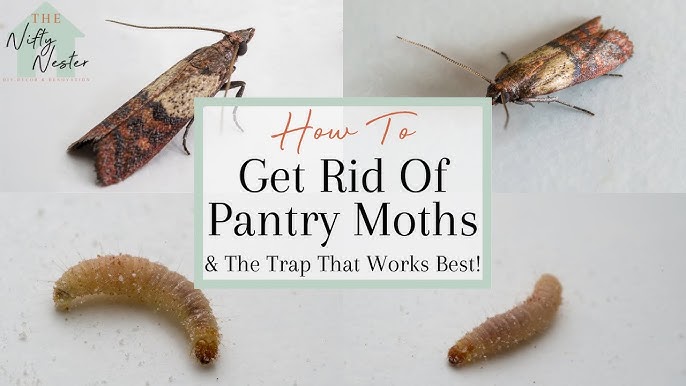
Pantry moths are attracted to food sources. Their favorite foods include grains, flour, rice, pasta, nuts, dried fruit, and even pet food. Moth infestations usually start when you bring home contaminated food from the store. Sometimes, moths fly in through open windows or doors, but most often, you accidentally introduce them yourself.
Once inside, a single female moth can lay up to 400 eggs. These eggs hatch into tiny larvae that feed on your stored food. They leave behind silk threads and webbing, making food clump together. This is not just unpleasant—it also means your food is contaminated.
Fun fact: Pantry moths can chew through cardboard and thin plastic packaging. That’s why you might find them even in sealed boxes or bags.
Signs You Have A Moth Problem
It’s important to catch a moth infestation early. Here are the main signs to watch for:
- Small brown or gray moths flying around your kitchen, especially near lights at night
- Silky webbing in food packages or on pantry shelves
- Clumps in flour, cereal, or grains
- Tiny white or pinkish larvae (caterpillars) inside food packages
- Cocoons in corners of pantry shelves or behind food containers
- An unusual smell coming from your dry goods
If you notice any of these, you likely have a moth infestation.

Credit: www.youtube.com
First Steps: Remove And Inspect All Food
To eliminate kitchen moths, you must start with a thorough inspection. This step is often rushed, but missing it can lead to recurring problems.
- Empty your pantry: Take everything out—cans, boxes, jars, and bags.
- Check every package: Look for webbing, larvae, and clumps. Pay extra attention to flour, rice, grains, pasta, nuts, and dried fruits.
- Dispose of infested food: If you see any sign of moths or larvae, throw the food away in a sealed bag. Do not risk eating contaminated food.
- Check hidden spots: Moth larvae can crawl into corners, cracks, and even behind containers.
Pro tip: Don’t forget to check pet food, bird seed, and spices. These are common hiding places beginners often miss.
Cleaning The Pantry: Step-by-step
Getting rid of the moths you see isn’t enough. The eggs and larvae can hide in tiny spaces. Follow these cleaning steps for best results:
1. Vacuum Thoroughly
- Use a vacuum cleaner to clean shelves, cracks, and corners.
- Remove shelf liners and vacuum underneath.
- Pay attention to holes, joints, and under shelf edges—larvae love these spots.
2. Wash Surfaces
- Wash all pantry shelves with hot, soapy water.
- Wipe down walls, corners, and door frames.
- Rinse with a mixture of white vinegar and water (1: 1 ratio). Vinegar helps kill eggs and remove odors.
3. Dry Completely
Moisture attracts pests, so let your pantry air dry completely before restocking.
Non-obvious tip: Don’t just clean visible surfaces. Moth eggs are tiny and stick to rough areas—so run a damp cloth across screw holes, shelf pegs, and behind any removable shelf parts.

Credit: www.aosom.com
Choosing Proper Storage: Airtight Containers Matter
Switching to the right storage is key to preventing future infestations. Moths can chew through many materials, but not all. Here’s a quick comparison of common food storage options:
| Container Type | Moth-Proof? | Best For |
|---|---|---|
| Glass jars with tight lids | Yes | Flour, grains, nuts, dried fruit |
| Thick plastic containers (airtight) | Yes | Pasta, cereal, pet food |
| Cardboard boxes | No | Short-term storage only |
| Thin plastic bags | No | Temporary use |
Best practice: Always transfer dry goods from their original packaging to airtight containers right after buying.
Natural Ways To Repel And Eliminate Moths
Many people want to avoid chemicals in their kitchen. Luckily, several natural methods can help repel moths or kill their eggs.
1. Bay Leaves
Placing bay leaves on pantry shelves or inside containers can help keep moths away. Their strong scent is a natural repellent.
2. Essential Oils
Wipe pantry shelves with a mix of water and a few drops of lavender or eucalyptus oil. These oils have insect-repelling properties.
3. Freezing
If you’re unsure about a dry good (like a bag of flour), freeze it for 3-4 days. Freezing kills eggs and larvae.
4. Sunlight
On a sunny day, place empty containers and pantry items (not food) in direct sunlight. Heat and UV light help kill hidden pests.
Quick comparison: How natural methods stack up for killing moth eggs
| Method | Effectiveness | Best Use |
|---|---|---|
| Bay leaves | Repels adults | Ongoing prevention |
| Essential oils | Repels, some egg-kill | Cleaning, wiping shelves |
| Freezing | Kills eggs/larvae | Small food batches |
| Sunlight | Kills eggs/larvae | Containers, non-food items |
Using Moth Traps: Do They Work?
Pheromone traps attract male pantry moths, stopping them from breeding. These traps are sticky pads with a scent that mimics female moths.
- Place traps in the pantry, not on countertops where food is prepared.
- Change traps every 2-3 months or when full.
Insight: Traps alone will not end an infestation. They’re best as part of a bigger strategy—cleaning and proper storage are always needed.
Chemical Options: When And How To Use Them
If the infestation is serious, you might consider chemical products. Look for sprays or powders labeled for pantry moths. Read instructions carefully and never spray directly on food or food-contact surfaces.
- Remove all food before using chemicals.
- Focus on cracks, corners, and shelf supports.
- Air out your pantry completely before restocking.
Important: Chemical methods should be a last resort. Always try cleaning and natural methods first, especially in homes with children or pets.
Credit: www.youtube.com
Preventing Future Moth Infestations
After you’ve cleaned and restocked your pantry, prevention is the key to staying moth-free. Here’s what works:
- Inspect groceries: Check for tears or holes before buying. Look for webs or larvae inside clear packaging.
- Store food properly: Use airtight glass or thick plastic containers for all dry goods.
- Rotate stock: Use older items first and avoid overstocking.
- Clean regularly: Wipe pantry shelves every few months, vacuum corners, and check for signs of pests.
- Keep it dry: Fix leaks and avoid moisture buildup.
- Use natural repellents: Replace bay leaves or essential oil wipes every few months.
Common mistake: Overlooking rarely used items like decorative grains, cake mixes, or forgotten snacks. Moths can survive for months in these.
What To Do With Infested Food
Many people wonder if they can save contaminated food. Here’s a simple guideline:
- If you see live moths or larvae, throw it away. Do not eat it.
- If only a few eggs are found and the food is not clumped or webbed, you might freeze it for 4 days and use it, but most experts recommend discarding.
- Never eat food with a strong, musty smell or visible damage.
Safety first: It’s better to lose a bag of flour than risk your health.
When To Call A Professional
If moths keep returning after several cleanings, or if you find them in many rooms, it’s time for professional help. Pest control experts have special tools and insecticides for hard-to-reach areas. This is rare for kitchen moths, but necessary in severe cases.
How Moths Affect Food Safety
A pantry moth infestation isn’t just annoying—it can impact your health. Moth larvae leave behind droppings, silk, and dead skins in food. These can trigger allergies or stomach upset, especially in children and sensitive adults.
Statistic: According to the University of California, pantry moth infestations are responsible for over $2 billion in food waste in the US every year (UC IPM).
Frequently Asked Questions
How Do Pantry Moths Get Into Sealed Food Packages?
Pantry moths can chew through thin plastic and cardboard. Sometimes, eggs are already present in food from the store. That’s why airtight glass or thick plastic containers are best.
Are Pantry Moths Dangerous To Humans?
They don’t bite or spread disease, but eating contaminated food can cause digestive issues or allergic reactions in some people.
How Long Does It Take To Get Rid Of A Pantry Moth Infestation?
With proper cleaning and storage, small infestations can be gone in a week. Large infestations may take several weeks and more than one deep clean.
Can I Use Mothballs In The Kitchen To Control Moths?
No. Mothballs contain chemicals unsafe for food areas. Use natural repellents or traps instead.
What Is The Difference Between Pantry Moths And Clothes Moths?
Pantry moths target dry foods in the kitchen. Clothes moths eat natural fibers like wool. Each type needs different control methods.
Getting rid of kitchen moths takes effort, but it’s possible. The key steps are removing contaminated food, deep cleaning, using airtight storage, and staying vigilant with prevention. A few simple changes in how you store and handle food can make a big difference.
With these strategies, your kitchen can stay moth-free for good.