Skip to content
Juicing a lemon seems simple—until you realize you don’t have a juicer. Maybe you’re making a salad dressing, a lemon tart, or just want fresh lemon water. Don’t worry. You don’t need fancy equipment to get every drop of juice from a lemon.
With a few tricks, almost anyone can do it. In fact, some of the best chefs prefer hands-on methods, claiming it gives better control over the flavor. Let’s explore how you can juice a lemon without a juicer, and get the most out of every fruit.
Why Fresh Lemon Juice Matters
Freshly squeezed lemon juice tastes brighter and more aromatic than bottled versions. The natural oils in the skin add zest and depth. Bottled juice often contains preservatives or added flavors, which can change your dish. When you squeeze a lemon by hand, you get the pure, tangy taste that makes recipes shine. Even a small amount of fresh juice can make a big difference in drinks, desserts, and sauces.
Choosing The Right Lemon
Not all lemons are the same. To get more juice, start with the right fruit.
What To Look For
- Firmness: A good lemon feels firm but gives slightly when squeezed. If it’s rock hard, it might be dry inside.
- Weight: Heavier lemons usually have more juice.
- Skin: Thin-skinned lemons yield more juice than thick-skinned ones. Look for smooth, glossy skin rather than rough or bumpy.
Here’s a quick comparison of two common lemon varieties:
| Variety | Juice Yield | Flavor | Common Use |
|---|---|---|---|
| Eureka | Medium to High | Tart, bright | Cooking, drinks |
| Meyer | High | Sweeter, floral | Desserts, salads |
If you have a choice, pick Meyer lemons for more juice and less tartness. For most recipes, Eureka lemons work well.
Preparing The Lemon For Juicing
Before you start, preparation makes juicing easier and more effective.
Steps To Prep
- Wash the Lemon: Rinse under cool water to remove dirt and pesticides.
- Roll the Lemon: Place the lemon on a countertop. Press down with your palm and roll back and forth for 10–15 seconds. This loosens the membranes inside.
- Warm Up: A cold lemon yields less juice. Microwave for 10 seconds, or soak in warm water for 2 minutes. Warmer lemons are softer and juicier.
These small steps can boost juice yield by 20–30%.
Methods To Juice A Lemon Without A Juicer
There are several methods to extract lemon juice without special tools. Let’s break down the most effective ones.
1. Squeezing By Hand
The simplest method is using your hands.
How to do it:
- Cut the lemon in half crosswise.
- Hold one half over a bowl, cut side up (to catch seeds).
- Squeeze tightly, twisting as you go.
- Repeat with the other half.
Tip: If the lemon is very firm, use a fork. Stick the fork into the flesh and twist while squeezing.
Pros: Fast, no tools needed.
Cons: Juice can spray, seeds may fall in.
2. Using A Fork Or Spoon
A fork can work almost as well as a juicer.
Steps:
- Cut the lemon in half.
- Insert a fork into the center of the cut side.
- Hold the lemon over a bowl.
- Twist the fork while squeezing the lemon with your hand.
This breaks up the inner segments and helps release more juice.
Pros: More juice than just squeezing.
Cons: Can get messy, still need to strain seeds.
3. With Tongs
Surprisingly, kitchen tongs can become a makeshift juicer.
How it works:
- Cut the lemon in half.
- Place one half between the arms of the tongs.
- Hold over a bowl and squeeze the tongs together.
This applies even pressure, squeezing out more juice.
Pros: Hands stay cleaner, good leverage.
Cons: Tongs need to be strong; not all tongs work well.
4. Using A Plastic Bag
If you want to avoid sticky hands, try this:
- Put a lemon half inside a clean zip-top bag.
- Squeeze the lemon through the bag.
- Pour out the juice from the bag.
The bag keeps the mess inside and can help catch seeds.
Pros: Less mess, easy to dispose of seeds.
Cons: Uses plastic, not eco-friendly.
5. With A Reusable Cloth Or Cheesecloth
If you need to avoid seeds and pulp, this method works well.
- Wrap a lemon half in a clean cloth or piece of cheesecloth.
- Squeeze as hard as you can.
- The cloth catches seeds and most pulp.
Great for making clear juice for drinks or baking.
Pros: Clear juice, no seeds.
Cons: You need a cloth, squeezing can be tough for some.

Credit: sixdollarfamily.com
How Much Juice Is In A Lemon?
Knowing how much juice you can expect helps with recipes.
| Lemon Size | Average Juice Yield | Use in Recipes |
|---|---|---|
| Small (4 oz) | 2 tbsp (30 ml) | Single drink, small salad |
| Medium (5 oz) | 3 tbsp (45 ml) | Marinade, dressing |
| Large (6+ oz) | 4 tbsp (60 ml) | Lemonade, baking |
A typical recipe calling for “the juice of one lemon” means about 2–3 tablespoons.
Filtering Out Seeds And Pulp
No one likes biting into a lemon seed. Here’s how to keep your juice smooth.
Simple Ways To Strain
- Use a fine mesh strainer: Pour juice through a small strainer set over a bowl or cup.
- Hand straining: Squeeze the lemon with one hand, letting juice run through your fingers to catch seeds.
- Coffee filter or paper towel: Place over a cup and pour juice through for a finer strain.
If you use a cheesecloth or bag (as above), most seeds and pulp are already removed.
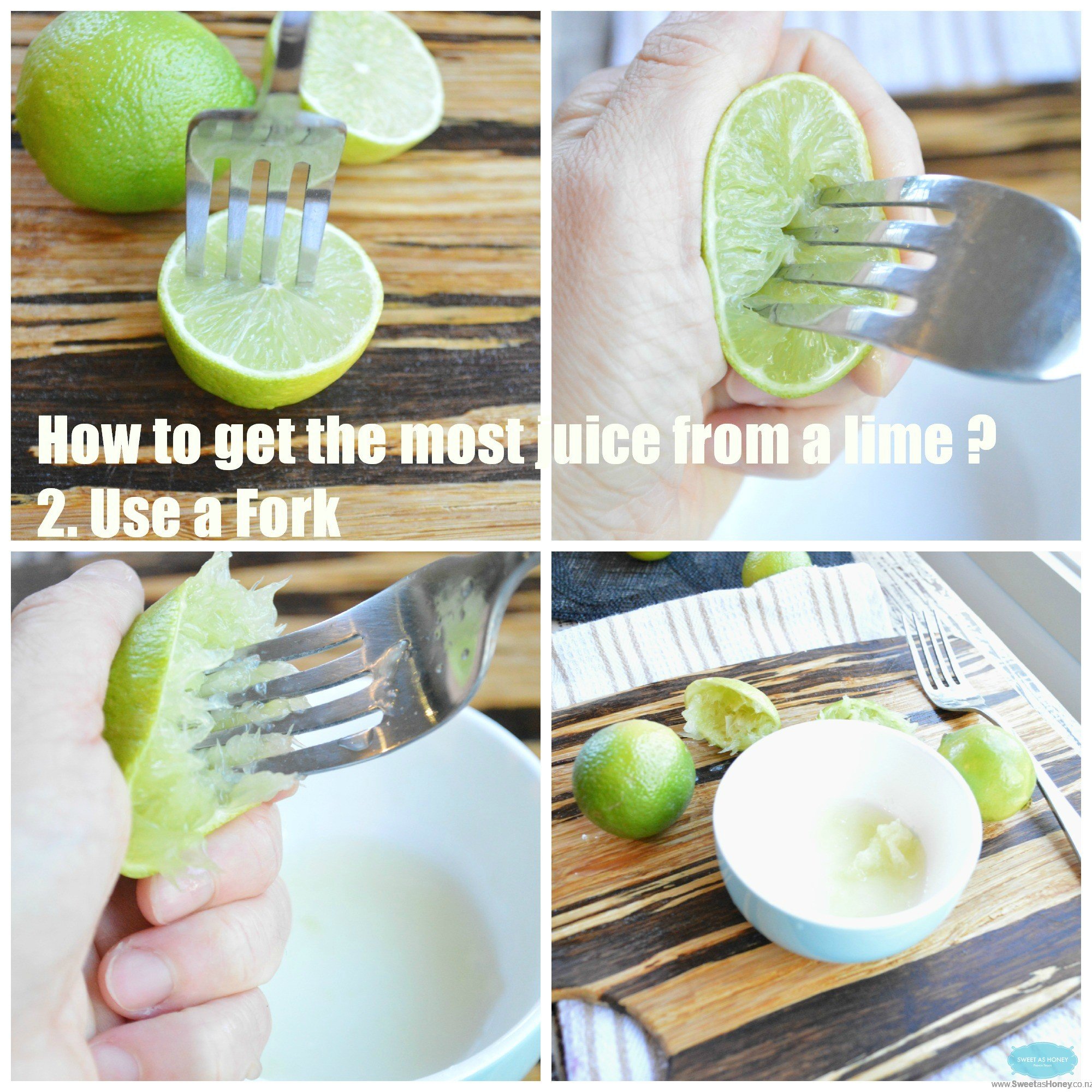
Credit: www.sweetashoney.co
Storing Fresh Lemon Juice
Fresh lemon juice is best right after squeezing, but sometimes you’ll want to store extra.
How To Store
- Refrigerate in an airtight container for up to 3 days.
- Freeze in ice cube trays for longer storage (up to 3 months). One cube is usually about 1 tablespoon.
Tip: Add a small pinch of salt or a few drops of oil to help preserve flavor.
Storage Comparison
| Storage Method | How Long? | Best For |
|---|---|---|
| Refrigerator | 2–3 days | Daily use, salad dressings |
| Freezer (ice cubes) | 3 months | Lemonade, large recipes |
Common Mistakes When Juicing By Hand
Even simple steps can go wrong. Watch out for these errors:
- Not rolling or warming the lemon. Cold, unrolled lemons give less juice.
- Cutting the lemon lengthwise. Cutting crosswise exposes more flesh and yields more juice.
- Squeezing too hard at first. Start gentle, then increase pressure. Squeezing too hard at once can spray juice everywhere or break the lemon skin.
- Ignoring the seeds. Strain your juice, or you’ll end up with seeds in your food.
- Throwing away the zest. Lemon zest adds flavor. Grate it before juicing to use in recipes, teas, or as garnish.
Extra Tips For More Juice
- Microwave for a few seconds before juicing (but not too long).
- Zest before juicing. It’s easier to zest a whole lemon.
- Use both hands. For tough lemons, use both hands to twist and squeeze.
- Stack lemon halves. If your hands are strong, stack two halves and squeeze together to save time.
When To Use Fresh Lemon Juice
Some dishes truly benefit from fresh juice:
- Salad dressings: Fresh juice brings brightness and tang.
- Cocktails and mocktails: Bottled juice can taste flat.
- Marinades: Fresh juice helps tenderize meat and adds real flavor.
- Baking: Cakes, pies, and lemon bars taste best with fresh juice.
A little effort goes a long way in these recipes.
What If You Have No Lemon At All?
Sometimes, you need a substitute. Here are alternatives:
- Lime juice: Closest in flavor.
- White vinegar or apple cider vinegar: Use half the amount.
- Bottled lemon juice: Not as good, but works in a pinch.
- Citric acid powder: Mix with water (1/4 tsp powder + 1 tbsp water = 1 tbsp lemon juice).
Each substitute changes the flavor slightly. For most recipes, lime juice is the best swap.
Frequently Asked Questions
How Do I Juice A Lemon If I Have Arthritis Or Weak Hands?
If hand strength is an issue, use kitchen tongs or wrap the lemon in a cloth and press it against a solid surface, like a cutting board. You can also use a spoon or fork for leverage. If possible, ask someone to help with the squeezing.
Can I Juice A Lemon Without Cutting It?
You can puncture the uncut lemon with a skewer or fork, then squeeze the juice out. This method works but doesn’t extract as much juice as cutting the lemon in half. It’s handy if you only need a few drops and want to save the rest for later.
How Do I Avoid Getting Seeds In My Juice?
Hold the lemon cut side up while squeezing, or squeeze through your fingers, cheesecloth, or a strainer. If using a fork, pour the juice through a mesh strainer to catch seeds. These methods help ensure smooth, seed-free juice.
Is There A Way To Get More Juice From An Older, Dry Lemon?
Soak the lemon in warm water for 2–3 minutes or microwave for 10–15 seconds. Rolling it on the counter with firm pressure can also help loosen the pulp. Older lemons usually give less juice, but these tricks can help maximize yield.
Is Fresh Lemon Juice Really Healthier Than Bottled?
Fresh lemon juice contains more vitamin C and natural oils. Bottled juice loses nutrients during processing and may have preservatives. For the best taste and nutrition, fresh is superior. Learn more about the health benefits of lemons at Wikipedia.
Squeezing a lemon without a juicer is easy with the right method. Whether you use your hands, a fork, tongs, or even a cloth, you can get every last drop. Next time you’re in the kitchen, skip the gadgets and enjoy the fresh, zesty flavor that only real lemon juice can provide.
:max_bytes(150000):strip_icc()/AR-Citrus-Juicing-Test-2x1-a752a68ed495425aa4b883d6b4ddab2d.jpg)
Credit: www.allrecipes.com