Skip to content
Keeping food warm without a thermos can be a real challenge, especially when you’re away from home or don’t have access to kitchen tools. Whether you’re packing lunch for work, prepping for a picnic, or hosting a party outdoors, nobody likes cold, soggy food.
The good news is that you don’t need expensive gadgets to maintain heat. With a little planning and the right techniques, you can keep your meals hot and appetizing for hours. In this guide, I’ll share practical methods, smart hacks, and expert tips to help you keep food warm — all without a thermos.
You’ll learn which materials work best, how to use common household items, and which mistakes to avoid. Let’s dive in and make sure your next meal is as warm and inviting as it should be.
Why Food Temperature Matters
When food cools down, it doesn’t just lose flavor — it can also lose texture and become less safe to eat. Hot foods should generally stay above 140°F (60°C) to prevent bacteria growth. If food cools below this, harmful microbes can multiply quickly, especially in meats, dairy, and cooked grains. Besides safety, temperature affects taste and enjoyment. Warm soups, stews, or casseroles have a richer aroma and better mouthfeel than cold leftovers.
Common Ways To Keep Food Warm Without A Thermos
You don’t need special containers to keep food warm. Here are some methods people use every day, with their pros and cons.
| Method | Average Duration (Hours) | Ideal For | Key Limitation |
|---|---|---|---|
| Aluminum Foil Wrap | 1-2 | Sandwiches, baked items | Heat escapes fast |
| Insulated Bags | 2-3 | Hot meals, casseroles | Needs proper sealing |
| Hot Water Bottles | 3-4 | Soups, stews | Bulky, risk of leakage |
| Blanket Wraps | 2-3 | Large pots, trays | Not for small items |
Preparing Food For Heat Retention
Before you even start warming, the way you prep food makes a big difference. If you want food to stay warm longer, try these:
- Cook food to a slightly higher temperature than usual. Hotter food retains heat longer.
- Cut food into larger pieces. Small pieces cool faster, while bigger chunks hold heat.
- Use thick sauces or gravies. These help insulate and slow down cooling.
- Avoid excess moisture. Dry food cools slower than wet food.
For example, a thick stew in a sealed container will stay warm longer than watery soup in a plastic bowl.
Wrapping Techniques
Proper wrapping is one of the easiest ways to keep food warm without a thermos. The goal is to trap heat and minimize air exchange.
Aluminum Foil
Aluminum foil is a classic insulator. It reflects heat back into the food and can be layered for extra protection. For best results:
- Wrap food tightly, covering all surfaces.
- If possible, double-wrap with foil and then a towel.
- Keep wrapped food in a warm place, like inside a bag or box.
Towels And Blankets
A thick towel or blanket adds another layer of insulation. This method works well for pots, trays, or large dishes.
- Place the wrapped food in the center of the towel.
- Fold edges around tightly, and secure with clips or string.
- For added effect, use a fleece or wool blanket, which traps heat better than cotton.
Plastic Wrap
Plastic wrap isn’t as good as foil, but it helps with smaller items like sandwiches or pastries. Always pair plastic wrap with another insulator (like a towel or bag) for best results.

Credit: fincalacoronilla.com
Using Insulated Bags And Containers
Insulated lunch bags or cooler bags are designed to maintain temperature. They have air pockets and reflective layers inside.
| Insulation Type | Heat Retention | Best Used For |
|---|---|---|
| Soft-sided Lunch Bags | 2-3 hours | Individual meals |
| Cooler Bags | 3-4 hours | Large dishes |
| Styrofoam Boxes | 5+ hours | Catering, party trays |
A clever tip: Pre-warm your bag or box with hot water bottles for 10–15 minutes before loading food. This removes cold air and boosts insulation.
Hot Water Bottles And Heat Packs
Hot water bottles or reusable heat packs are a smart way to keep food warm. Here’s how to use them safely:
- Fill bottles with hot (not boiling) water to avoid melting containers.
- Place bottles next to (not touching) food containers.
- Wrap both in a towel or insulated bag.
This method works especially well for soups, stews, or casseroles. Just make sure bottles won’t leak or touch food directly.
Oven And Stove Tricks
If you’re at home or have access to an oven, you can keep food warm for hours.
- Warm oven: Set your oven to the lowest setting (about 170°F/75°C). Place food inside, covered with foil.
- Double boiler: For sauces and soups, place the container in a pot of simmering water. This keeps food hot without drying out.
Avoid using high heat, which can overcook or dry out food.
Diy Insulation Hacks
Sometimes you need to improvise. Here are some creative ways to insulate food using everyday items.
- Newspaper: Several layers of newspaper wrapped around a container provide surprising insulation.
- Cardboard boxes: Place wrapped food inside a small box for extra heat retention.
- Bubble wrap: If you have bubble wrap, use it outside the foil for added protection.
These hacks are especially useful for picnics or when transporting food for events.

Credit: fincalacoronilla.com
Keeping Food Warm At Outdoor Events
Outdoor gatherings present unique challenges. Wind, cold air, and open spaces make food cool faster. Here’s what works:
- Use portable insulated containers whenever possible.
- Create a “warming station” using a covered grill or portable stove.
- Keep food covered and away from direct wind.
For large groups, consider stacking dishes and covering them with blankets or towels until ready to serve.
Mistakes To Avoid
Beginners often make these errors when trying to keep food warm without a thermos:
- Leaving food uncovered — air cools food quickly.
- Using thin plastic containers — they lose heat fast.
- Letting food sit out too long — bacteria can grow in lukewarm food.
- Not pre-heating containers — cold containers absorb food heat.
- Packing food while still steaming — condensation can make food soggy and cool it faster.
Always let food cool slightly before wrapping, and check for leaks or cracks in containers.
Credit: practicalmama.com
Real-life Examples
Here are some practical scenarios with solutions:
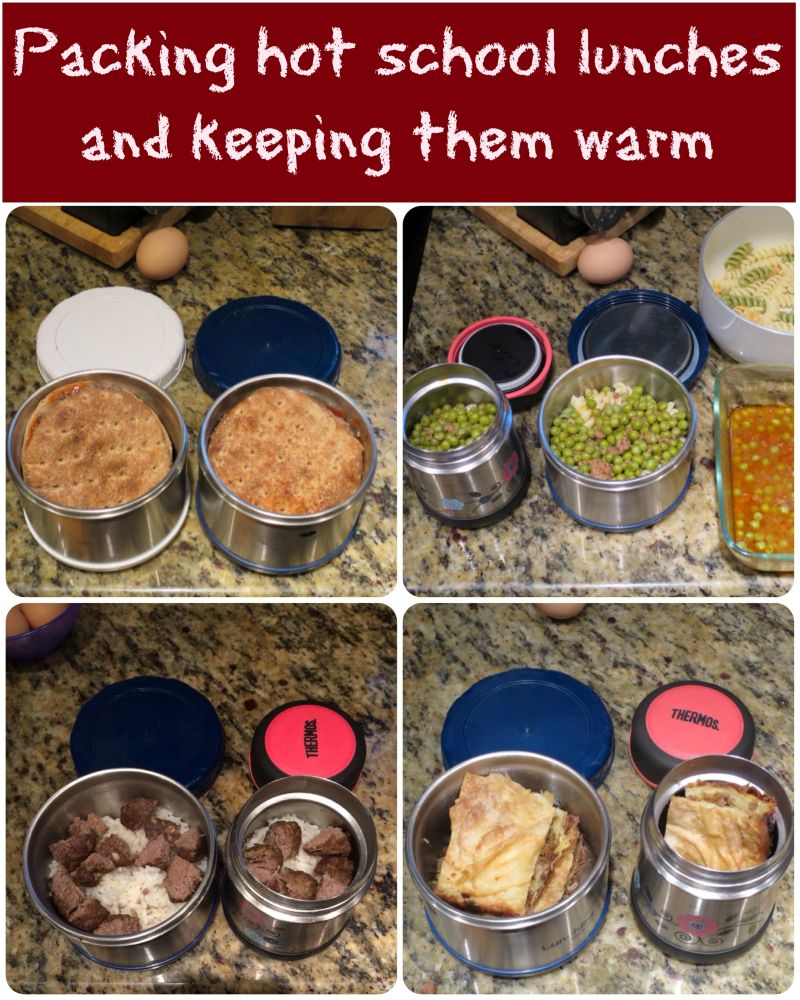
- School lunch: Wrap hot pasta in foil, place inside a lunch bag with a small heat pack, then cover with a towel. This keeps pasta warm for up to 3 hours.
- Picnic: Pre-heat a styrofoam box with hot water bottles, then add wrapped sandwiches. Close tightly and cover with a blanket.
- Potluck dinner: Bring a casserole in a glass dish wrapped in foil, inside a soft-sided cooler bag. Add a hot water bottle for extra heat.
Don’t miss this guide: How Long Does a Thermos Keep Food Warm
Comparing Insulation Materials
To help you choose, here’s a comparison of common insulation materials:
| Material | Heat Retention | Water Resistance | Availability |
|---|---|---|---|
| Aluminum Foil | High | Medium | Easy |
| Towel/Blanket | Medium | Low | Easy |
| Insulated Bag | High | High | Medium |
| Bubble Wrap | Medium | High | Medium |
| Styrofoam Box | Very High | High | Medium |
Non-obvious Insights
Most guides miss these points:
- Layering different materials (foil + towel + insulated bag) is much more effective than using just one. Combining layers traps heat and blocks air, boosting insulation.
- Pre-heating containers before adding food prevents rapid cooling. Even a minute or two with hot water makes a big difference.
- Steam is your enemy — wrapping food while it’s steaming leads to condensation, which cools food and ruins texture. Let it rest a few minutes before sealing.
Long-term Heat Strategies
If you need food to stay warm for more than 4 hours, consider these advanced tactics:
- Use multiple heat sources (hot water bottles, heat packs).
- Place food in a styrofoam or insulated box with minimal air space.
- Keep containers in a warm environment, like inside a car with the heater on.
For events or travel, plan ahead and test your methods before the big day.
Safety Reminders
Keeping food warm isn’t just about taste — it’s about safety. Always:
- Check that food stays above 140°F (60°C).
- Avoid keeping food in the “danger zone” (40–140°F / 4–60°C) for more than 2 hours.
- If food cools below safe temperatures, reheat before serving.
For more food safety tips, visit the USDA Food Safety site.
Frequently Asked Questions
How Long Can I Keep Food Warm Without A Thermos?
Most methods keep food warm for 2–4 hours. This depends on the insulation, starting temperature, and outside conditions. Using multiple layers and heat sources extends this time.
What’s The Best Material For Wrapping Food?
Aluminum foil is best for heat retention. For longer periods, combine foil with towels or insulated bags. Styrofoam boxes are excellent for big events.
Can I Use Hot Water Bottles With All Types Of Food?
Yes, but keep bottles separate from food containers to avoid leaks. Hot water bottles work best with soups, stews, and dishes in sealed containers.
Is It Safe To Keep Food Warm For Several Hours?
As long as food stays above 140°F (60°C), it’s safe. If temperature drops below this, bacteria can grow. Always check food temperature before eating.
What’s The Biggest Mistake When Keeping Food Warm?
The most common mistake is not using enough insulation. Single layers lose heat fast. Always use multiple layers (foil, towel, insulated bag) for best results.
Keeping food warm without a thermos is not only possible, it’s easy with the right approach. Remember to combine materials, pre-heat containers, and avoid common mistakes. With a little planning, your meals will stay hot, safe, and delicious — wherever you go.