Skip to content
Making cheese at home feels rewarding and fun, but many people think it requires special tools and skills. In reality, you can use a simple yogurt maker to craft fresh cheese with little effort. Whether you love soft cheeses or want to experiment with flavors, this guide will show you how to make cheese in a yogurt maker.
You’ll learn the process step-by-step, discover helpful tips, and see how the results compare to store-bought cheese. Even if you’re a beginner, you’ll find everything you need right here.
Why Make Cheese In A Yogurt Maker?
Most people use a yogurt maker for yogurt, but it’s also perfect for cheese. This device keeps a steady temperature, which is crucial for the cheese-making process. Unlike traditional methods that require careful heating and watching, a yogurt maker lets you set and forget. You’ll save time and get consistent results.
Some benefits of making cheese in a yogurt maker:
- Consistent temperature for better texture and taste
- Less risk of burning or overheating milk
- Easier to clean and manage
- Suitable for small batches, ideal for home use
Home-made cheese can cost less than store-bought versions. According to USDA data, a gallon of milk costs about $4, while a pound of cheese can cost $5–$10. Making your own cheese lets you control the ingredients and avoid preservatives.
What You Need To Get Started
You don’t need fancy tools. Here’s what you need for basic soft cheese (like paneer, ricotta, or cottage cheese):
- Yogurt maker (with removable containers or a single chamber)
- Whole milk (1 liter or 1 quart, for best results)
- Acid (lemon juice, white vinegar, or citric acid)
- Salt (optional, for flavor)
- Cheese cloth or clean kitchen towel
- Strainer or colander
- Thermometer (optional, but helpful)
- Mixing spoon (non-metal is best)
For advanced cheeses (like feta or mozzarella), you may need starter cultures and rennet. But for beginners, soft cheese is easiest.

Credit: www.amazon.com
Step-by-step Cheese Making Process
Let’s break down the process so anyone can follow along. This method works for soft cheese.
1. Prepare Your Equipment
Clean all tools and containers. Any dirt or old residue can spoil the cheese. Rinse the yogurt maker insert, strainer, and cheese cloth in hot water. Dry them before use.
2. Heat The Milk
Pour whole milk into the yogurt maker’s container. Some yogurt makers have a heating function, but most require you to preheat milk on the stove.
- Heat 1 liter (about 1 quart) of milk to 180°F (82°C)
- Stir gently to avoid burning
- Don’t boil; just warm to the right temperature
If your yogurt maker heats milk, set it to the highest temperature for 15–20 minutes. Use a thermometer for accuracy.
3. Add Acid
Once the milk reaches 180°F, turn off the heat. Add your acid slowly:
- Lemon juice: 2–3 tablespoons
- Vinegar: 2–3 tablespoons
- Citric acid: 1 teaspoon dissolved in water
Stir gently. You’ll see the milk curdle and separate into curds (solid) and whey (liquid). If it doesn’t separate, add a bit more acid.
4. Let The Curds Set
Cover the yogurt maker and let it sit for 30–40 minutes. The steady heat will help the curds form. If your yogurt maker has a timer, set it for 40 minutes.
5. Strain The Cheese
Line a strainer or colander with cheese cloth. Pour the curds and whey mixture in. Let it drain for at least 30 minutes. For firmer cheese, drain longer.
- Gather the cloth edges and squeeze gently
- Add salt if desired (about 1/2 teaspoon)
- Shape the cheese by pressing it in the cloth
6. Chill And Store
Move the drained cheese to a bowl. Refrigerate for at least 1 hour for best texture. You can eat it fresh or use it in recipes.
Sample Cheese-making Timeline
Here’s a quick timeline for 1 batch:
| Step | Time Needed |
|---|---|
| Heating Milk | 15–20 minutes |
| Add Acid & Curds Set | 40 minutes |
| Straining | 30–60 minutes |
| Chilling | 1 hour |
Total: About 2–3 hours from start to finish.
Types Of Cheese You Can Make
A yogurt maker works best for soft cheeses. Here are some options:
- Paneer: Popular in Indian dishes, made with milk and lemon juice.
- Ricotta: Mild Italian cheese, good for desserts and lasagna.
- Cottage cheese: Soft, chunky, easy to flavor.
- Labneh: Thick, creamy cheese from strained yogurt.
- Cream cheese: Smooth, spreadable, made by blending curds.
For hard cheeses like cheddar, you need more equipment and aging, which is not practical in a yogurt maker.
Comparing Home-made Cheese Vs Store-bought Cheese
Let’s look at how yogurt maker cheese compares to what you buy at the store.
| Feature | Home-Made Cheese | Store-Bought Cheese |
|---|---|---|
| Ingredients | Milk, acid, salt | Milk, cultures, additives |
| Preservatives | None | Often present |
| Cost (per lb) | $4–$5 | $5–$10 |
| Freshness | Very fresh | Variable |
| Flavor Control | Customizable | Fixed |
Home-made cheese gives you more control over what you eat. You avoid preservatives and can adjust salt, texture, and taste. Store-bought cheese is convenient but less personal.
You might find this helpful: Best Yogurt Maker for Greek Yogurt
Advanced Tips For Better Cheese
If you want to improve your cheese-making, try these tips:
- Use high-quality milk: Fresh, whole milk gives better flavor and texture.
- Experiment with acids: Lemon juice gives a bright taste; vinegar is milder.
- Add herbs or spices: Mix chopped herbs, garlic, or pepper into the curds before chilling.
- Let curds set longer: A longer setting makes firmer cheese.
- Try goat’s milk or sheep’s milk: These add unique flavors.
Beginners often forget to heat milk properly or use too little acid. These mistakes lead to poor curd formation. Always check milk temperature and add enough acid for good results.
Common Mistakes And How To Avoid Them
Cheese-making is simple, but small errors can spoil your batch. Here are mistakes to watch for:
- Using low-fat milk: This makes cheese watery and bland. Always use whole milk.
- Adding acid before heating: Acid must be added after heating, or curds won’t form well.
- Not straining enough: Cheese will be too soft. Drain for at least 30 minutes.
- Dirty equipment: Bacteria can ruin cheese. Always clean tools.
- Skipping chilling: Cheese needs to cool for best texture.
One non-obvious insight: If your curds are too soft, try draining them in the fridge. The cold helps firm up the cheese. Also, leftover whey can be used in baking or smoothies—don’t throw it away.
Cheese-making With Different Yogurt Makers
Not all yogurt makers are the same. Some have single chambers, others have jars. Here’s a quick comparison.
| Type | Best For | Pros | Cons |
|---|---|---|---|
| Single Chamber | Large batches | Easy to clean, fits more milk | Less control over portions |
| Multiple Jars | Small batches | Portion control, try different flavors | More cleaning, smaller yield |
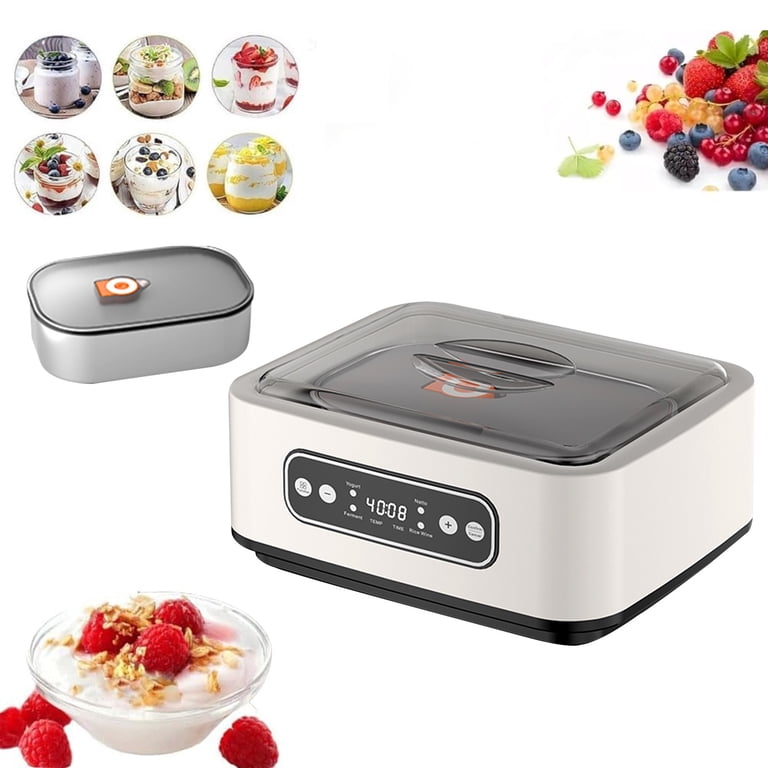
| Automatic Heating | Hands-off | Maintains temperature | Not all models heat milk |
Choose a yogurt maker that matches your needs. For beginners, single chamber models are easiest.

Credit: www.amazon.com
Practical Uses For Your Home-made Cheese
Fresh cheese is versatile. Here are some ways to enjoy it:
- Salads: Add cubes of paneer or ricotta for protein
- Sandwiches: Spread cream cheese on bread
- Curries: Use paneer in spicy dishes
- Desserts: Mix ricotta with honey and fruit
- Snacks: Season cottage cheese with herbs for a healthy dip
Home-made cheese is also great for people on special diets (low-salt, vegetarian, gluten-free).
Storage And Shelf Life
Soft cheese from a yogurt maker lasts about 5–7 days in the fridge. Keep it in an airtight container. Don’t freeze soft cheese—it can lose texture.
If you want cheese to last longer, salt it well and keep it cold. Always check for mold or sour smell before eating.
Credit: www.walmart.com
Cleaning Up After Cheese Making
Clean up is easy. Rinse the yogurt maker insert, cheese cloth, and strainer in hot water. Soak cloth in boiling water to remove milk residue. Dry everything before storing.
One tip: If your cheese cloth gets smelly, soak it in vinegar and hot water. This removes odors and disinfects.
Frequently Asked Questions
How Much Cheese Does 1 Liter Of Milk Make?
Usually, 1 liter of whole milk makes about 200–250 grams (7–9 ounces) of soft cheese. The yield depends on milk fat and draining time.
Can I Use Skim Milk?
Skim milk makes cheese, but it’s less creamy and tastes bland. For best results, use whole milk or at least 2% fat.
Is A Yogurt Maker Safe For Cheese Making?
Yes, yogurt makers are designed for food-safe temperatures. Just clean them well and follow instructions. Always check for cracks or broken parts.
What Can I Do With Leftover Whey?
Whey is rich in protein. Use it in smoothies, baking, soups, or feed it to pets. It’s healthy and reduces waste.
Can I Make Hard Cheese In A Yogurt Maker?
Yogurt makers are best for soft cheese. Hard cheese needs longer aging and special cultures. For advanced cheese making, consider dedicated cheese tools or visit Wikipedia for more details.
Making cheese in a yogurt maker is simple, affordable, and fun. It lets you experiment with flavors and enjoy fresh, preservative-free cheese at home. With just milk, acid, and a few tools, you’ll have your own cheese in hours. Give it a try—you’ll be surprised by the taste and how easy it is to create something special in your kitchen.