Skip to content
Making sourdough bread at home is a journey many people love. The flavor, aroma, and texture of sourdough are unique. But not everyone has the time or skill to knead dough by hand or watch the oven closely. If you own a bread maker, you may wonder if you can use it for sourdough. The answer is yes—with a few tweaks.
This article shows you how to make sourdough in a bread maker, step by step. You’ll get clear instructions, real examples, practical tips, and answers to common questions. Whether you’re new to sourdough or just want a simpler method, you’ll find everything you need here.
What Is Sourdough?
Sourdough is a type of bread made with natural yeast and bacteria instead of commercial yeast. The starter, which is a mix of flour and water, grows wild yeast and lactic acid bacteria over time. These microorganisms give sourdough its tangy flavor and chewy texture. Unlike regular bread, sourdough rises slowly and develops a thick crust.
Most sourdough is baked in an oven, but with a bread maker, you can make it more easily. However, bread makers are designed for fast yeast breads, so adjustments are needed. The biggest challenge is the long fermentation time sourdough needs.
But with patience and the right settings, your bread maker can produce tasty sourdough.
Why Use A Bread Maker For Sourdough?
People use bread makers for sourdough for several reasons:
- Ease of use: Bread makers automate kneading, proofing, and baking.
- Consistent results: Machines provide steady temperature and timing.
- Less mess: No need to clean up flour and dough from counters.
- Time-saving: You can set it and walk away.
Bread makers can handle sourdough if you adjust for longer rise times. Some models have a “homemade” or “artisan” setting. Others let you pause between steps. Even basic bread makers can work if you’re willing to manually control the process.
What You Need To Make Sourdough In A Bread Maker
Before you start, gather these essentials:
- Bread maker (preferably with customizable settings)
- Sourdough starter (active and bubbly)
- Bread flour (or all-purpose flour)
- Water (filtered or bottled is best)
- Salt
- Digital scale (for accuracy)
- Measuring spoons
- Spatula
Sourdough bread is simple in ingredients but complex in process. If you don’t have a starter, you’ll need to make one first. Here’s a quick guide:
How To Make A Sourdough Starter
Mix equal parts flour and water in a jar. Stir, cover loosely, and leave at room temperature. Every day, feed it with fresh flour and water. After 5–7 days, it should be bubbly and smell sour. It’s now ready to use.
Sourdough Bread Maker Recipe
Let’s get into the step-by-step process. This recipe makes a medium loaf, perfect for most bread makers.
Ingredients
- 300g bread flour (about 2½ cups)
- 180g water (about ¾ cup)
- 60g active sourdough starter (about ¼ cup)
- 6g salt (about 1 teaspoon)
This ratio produces a moist, chewy loaf. You can adjust water for a firmer or softer texture.
Step 1: Mix Ingredients
Add all ingredients to your bread maker pan. Use the “dough” setting to mix and knead. If your bread maker doesn’t have a dough setting, start a basic bread cycle and stop after the kneading is done (usually 20–30 minutes).
Insight: Weighing ingredients is more accurate than using cups. Sourdough is sensitive to small changes.
Step 2: Bulk Fermentation
Sourdough needs a long rise, usually 4–8 hours. Most bread makers don’t allow such a long rest, so you’ll need to pause the machine after kneading. Unplug it or let it sit (with the lid closed) for several hours. The dough should double in size and look bubbly.
Tip: If your kitchen is cool, fermentation may take longer. Place the bread maker in a warm spot if possible.
Step 3: Shaping And Second Proof
After the first rise, gently deflate the dough and reshape it in the pan. Let it rise again for 1–2 hours. Some bread makers allow for a “second rise” setting. If not, simply let the dough sit with the lid closed.
Step 4: Baking
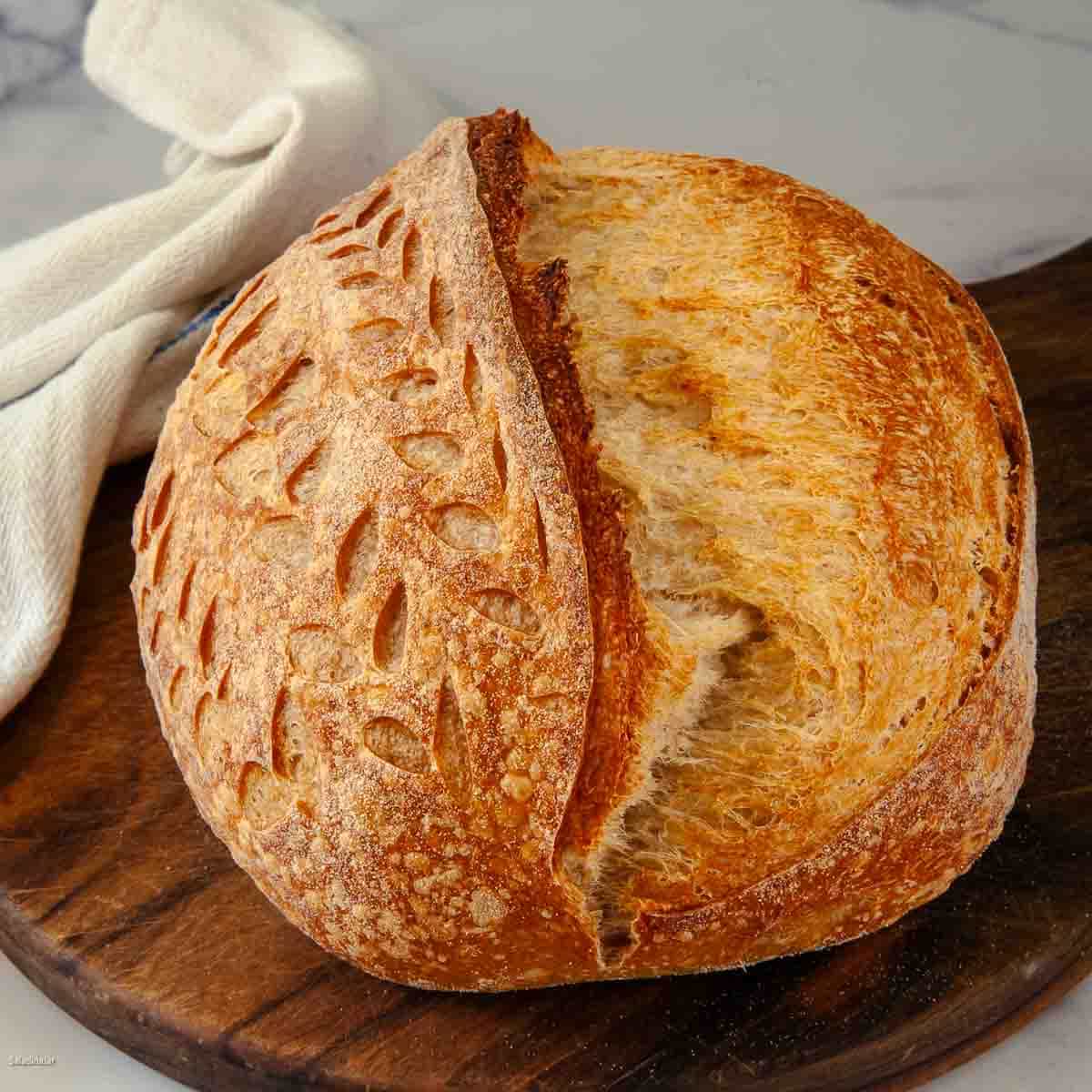
Set your bread maker to the bake-only mode (if available) or start a basic bake cycle. Sourdough usually needs about 40–60 minutes to bake. The crust should be golden brown and the loaf should sound hollow when tapped.
Common mistake: Don’t use the full bread cycle for sourdough, as it will knead the dough again and ruin the texture.
Step 5: Cooling
Remove the bread and cool on a rack for at least 1 hour. This helps set the crumb and makes slicing easier.
Comparing Sourdough And Yeast Bread In Bread Makers
Let’s see how sourdough and commercial yeast breads differ in a bread maker.
| Feature | Sourdough | Yeast Bread |
|---|---|---|
| Leavening agent | Natural starter | Commercial yeast |
| Rise time | 4–8 hours | 1–2 hours |
| Flavor | Tangy, complex | Mild, simple |
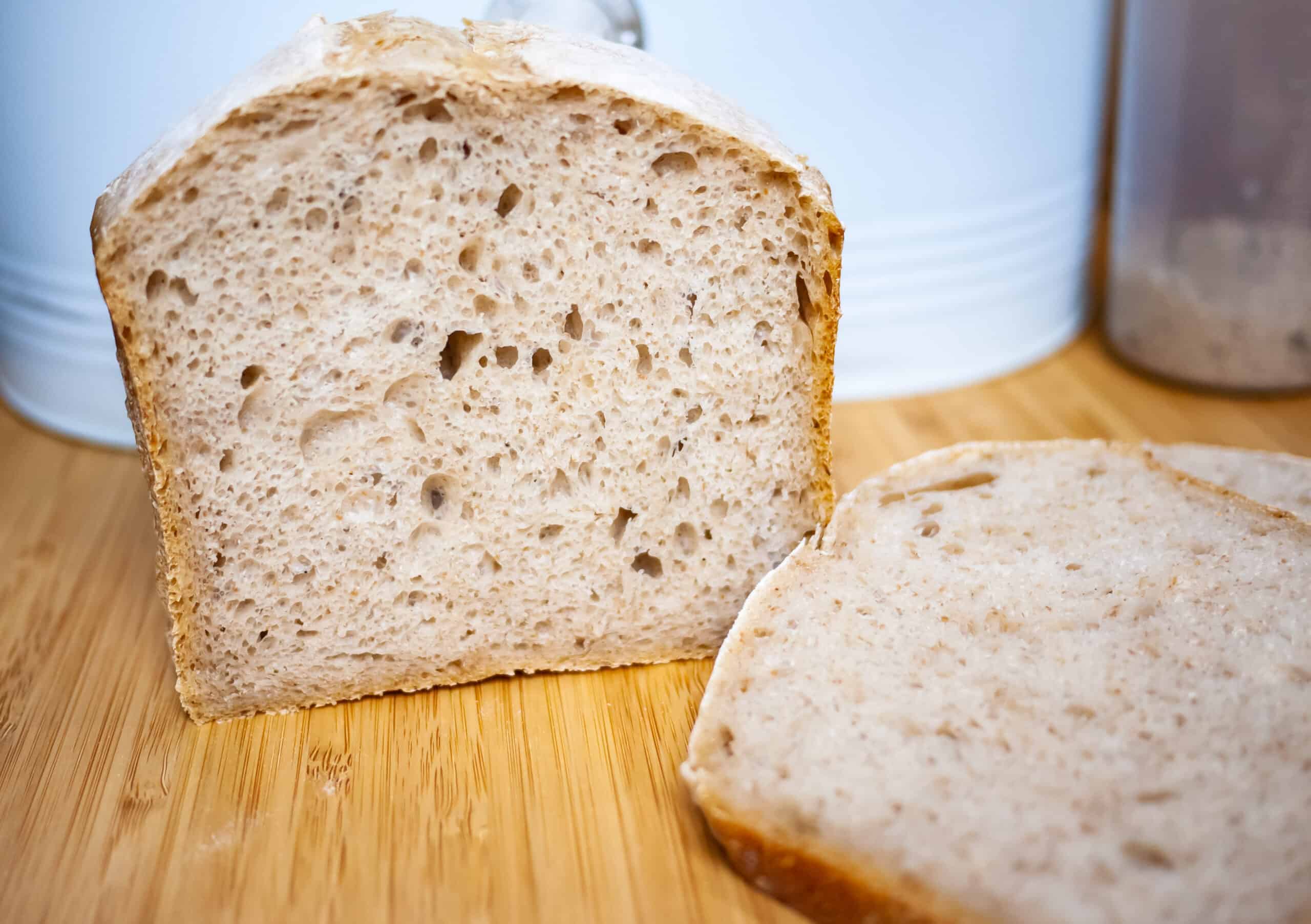
| Texture | Chewy, open crumb | Soft, even crumb |
| Difficulty | Medium–high | Low |
Sourdough takes longer and needs more attention, but the results are worth it.
Choosing The Right Bread Maker For Sourdough
Not all bread makers are ideal for sourdough. Here’s what to look for:
- Customizable cycles: Machines that let you change knead, rise, and bake times are best.
- Pause function: Lets you stop the cycle for longer fermentation.
- Bake-only option: Useful for baking after a manual rise.
- Sturdy pan: Sourdough is sticky and needs a good pan for even baking.
Below is a comparison of three popular bread makers for sourdough:
| Model | Custom Cycles | Pause Function | Bake-Only Option | Price |
|---|---|---|---|---|
| Zojirushi BB-PDC20 | Yes | Yes | Yes | $350 |
| Breville BBM800XL | Yes | Yes | Yes | $250 |
| Oster Expressbake | No | No | No | $70 |
Models with custom cycles are better for sourdough. Cheaper machines work, but need more manual control.
Common Mistakes And How To Fix Them
Many beginners make mistakes when making sourdough in a bread maker. Here are the most frequent errors and solutions:
- Starter is weak: If your sourdough starter isn’t bubbly, the bread won’t rise. Feed it well before use.
- Overproofing: Letting dough rise too long can cause collapse. Watch for doubling in size, not more.
- Underproofing: If dough doesn’t rise enough, bread will be dense. Give it enough time.
- Wrong cycle: Using the full bread cycle will knead dough twice. Always use manual or dough-only settings.
- Too much flour: Sourdough dough is sticky. Don’t add extra flour or the bread will be dry.
- Cutting too soon: Sourdough needs to cool. Slice after at least 1 hour.
Insight: Sourdough is more forgiving than people think. If your loaf isn’t perfect, it’s still tasty.
Practical Tips For Better Sourdough In A Bread Maker
Here are some expert tips to boost your sourdough bread:
- Warm water: Use water at 75–80°F for faster fermentation.
- Salt: Don’t skip salt—it controls yeast and adds flavor.
- Oil the pan: Lightly oil the bread maker pan to prevent sticking.
- Score the dough: Use a knife to make shallow cuts. This helps the bread expand.
- Add seeds or grains: For extra flavor and crunch, mix in sunflower seeds, flaxseed, or oats.
- Monitor temperature: If your machine runs hot, rise times will be shorter.

Credit: cultured.guru
How Long Does Sourdough Take In A Bread Maker?
Total time depends on your starter and room temperature. Here’s an example timeline:
| Step | Time |
|---|---|
| Mix and knead | 20–30 minutes |
| Bulk fermentation | 4–8 hours |
| Second proof | 1–2 hours |
| Bake | 40–60 minutes |
| Cool | 1 hour |
In total, sourdough in a bread maker takes about 6–12 hours. Most of this time is waiting, not working.
Variations You Can Try
Sourdough is flexible. Once you master the basic loaf, try these variations:
- Whole wheat sourdough: Use half bread flour, half whole wheat flour.
- Seeded sourdough: Add sunflower, pumpkin, or sesame seeds.
- Herb sourdough: Mix in rosemary, thyme, or basil.
- Olive sourdough: Add chopped olives for Mediterranean flavor.
- Sweet sourdough: Mix in dried fruit and nuts for a breakfast loaf.
Each variation changes flavor and texture. Adjust water as needed—whole wheat absorbs more.
Credit: saladinajar.com
Troubleshooting: Sourdough Bread Maker Faq
If your bread isn’t perfect, don’t worry. Here are solutions to common problems:
- Dense loaf: Use a stronger starter, give more rise time, don’t add extra flour.
- Flat loaf: Reduce rise time or use a smaller amount of starter.
- Sticky dough: This is normal. Oil your hands and pan.
- Wet crumb: Bake longer or use less water.
- Hard crust: Remove bread as soon as baking ends; cool on a rack.
Health Benefits Of Sourdough
Sourdough isn’t just delicious—it’s good for you. Here are some benefits:
- Easier to digest: Natural fermentation breaks down gluten.
- Lower glycemic index: Sourdough spikes blood sugar less than regular bread.
- Rich flavor: Sourdough’s taste comes from lactic acid bacteria, not added sugar.
- Longer shelf life: Acidity keeps sourdough fresh longer.
Studies show sourdough may help gut health. For more details, see Healthline.
Real-life Example: Sourdough Success In A Bread Maker
Anna, a busy mom, wanted homemade sourdough without spending hours kneading and watching the oven. She used a Breville bread maker with a custom cycle. Her method:
- Mixed ingredients at night.
- Set the bread maker to knead, then unplugged for an overnight rise (about 8 hours).
- In the morning, shaped the dough and let it proof for 1 hour.
- Used bake-only mode for 50 minutes.
Her loaf was chewy, tangy, and had a crisp crust. She added seeds for extra crunch. Her tip: “Don’t rush the rise—good sourdough needs time.”
Frequently Asked Questions
How Do I Know My Sourdough Starter Is Ready?
Your starter is ready when it’s bubbly, smells pleasantly sour, and doubles in size within 4–6 hours of feeding. Drop a spoonful in water; if it floats, it’s ready.
Can I Make Sourdough Without A Pause Function?
Yes. After kneading, unplug your bread maker or let it sit with the lid closed for several hours. Then restart with the bake-only mode. It takes more effort but works.
Is Sourdough Healthier Than Regular Bread?
Sourdough is often easier to digest and has a lower glycemic index. The fermentation process breaks down gluten and adds flavor. It’s also less likely to cause blood sugar spikes.
Why Is My Bread Maker Sourdough Dense?
Dense sourdough is usually caused by an inactive starter or short rise time. Make sure your starter is strong and let the dough rise until doubled. Don’t add extra flour.
Can I Freeze Sourdough Bread Made In A Bread Maker?
Yes. Cool your loaf completely, slice, and wrap tightly. Freeze for up to 3 months. Thaw at room temperature or toast slices directly.
Making sourdough in a bread maker is a blend of science and art. It takes patience, but the reward is a loaf full of flavor and nutrition. With clear steps, practical tips, and a bit of practice, anyone can enjoy sourdough—no matter how busy life gets.
Give it a try, and soon your kitchen will smell like a bakery.
Credit: www.mygreekdish.com