Skip to content
Sharpening a serrated knife can seem difficult, especially if you’re used to sharpening straight blades. Many people avoid it, thinking it’s not possible or that the knife will lose its unique teeth. But a dull serrated knife can make slicing bread, tomatoes, or meat harder and messier.
With the right tools and some patience, you can bring your serrated knife back to life and keep it working smoothly for years. This article explains how to sharpen a serrated knife step by step, how often you should do it, and how to avoid common mistakes.
Whether you’re a home cook or a professional chef, you’ll find practical advice here.
Why Serrated Knives Need Sharpening
Serrated knives have teeth-like edges that slice with a saw-like action. This design helps them stay sharp longer than straight blades. But over time, even serrated knives get dull—especially if you use them often. When dull, they tear food instead of cutting cleanly, making slices uneven and harder to control.
Sharpening a serrated knife doesn’t mean making it razor-sharp like a chef’s knife. The goal is to restore the teeth so they grab and cut efficiently. Many people think serrated knives never need sharpening, but studies show even high-quality serrated blades lose cutting power after 12–18 months of regular use.
Tools For Sharpening Serrated Knives
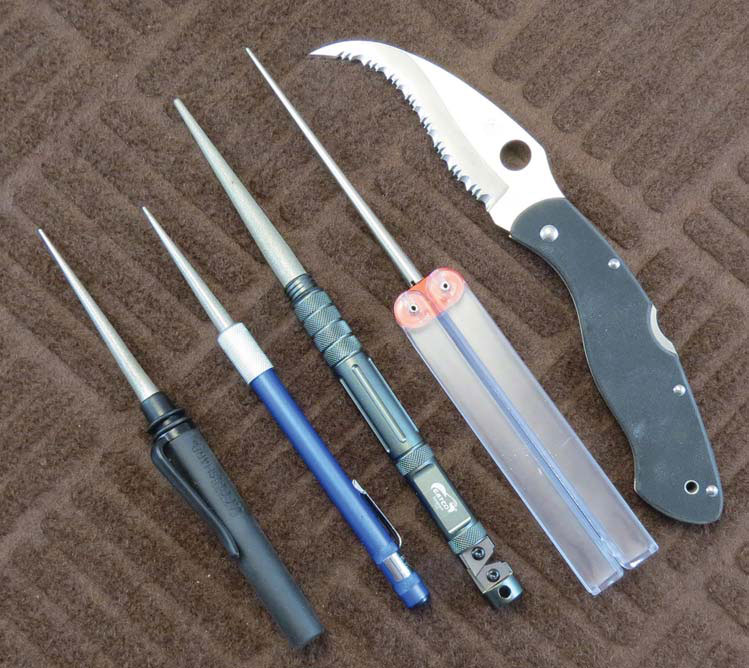
The right tool makes sharpening easier and safer. Here are the most common options:
- Serrated Knife Sharpener (Rod)
- Looks like a thin, tapered rod.
- Made of ceramic or steel.
- Fits into each serration.
- Diamond Tapered Rod
- Has a diamond coating for extra grit.
- Ideal for harder steel knives.
- Sharpening Stone
- Flat stones are not recommended for serrated knives.
- Only useful for straight sections or the back edge.
- Electric Knife Sharpener
- Some models have slots for serrated blades.
- Not always precise for each tooth.
- Professional Sharpening Service
- Good for expensive knives or if you’re unsure.
| Tool Type | Best For | Average Price | Ease of Use |
|---|---|---|---|
| Serrated Rod | Home sharpening | $10–$30 | Easy |
| Diamond Rod | Hard steel knives | $15–$40 | Easy |
| Electric Sharpener | Quick sharpening | $50–$200 | Very Easy |
| Professional Service | High-end knives | $5–$15 per knife | Very Easy |

Credit: www.sharpeningsupplies.com
Step-by-step: Sharpening A Serrated Knife
Sharpening a serrated knife is different from sharpening a straight blade. Here’s how to do it safely and effectively:
1. Inspect The Knife
Look closely at your serrated edge. Some knives have deep teeth, others are shallow. Check for chips or damage. Make sure your knife is clean and dry.
2. Choose The Right Sharpening Rod
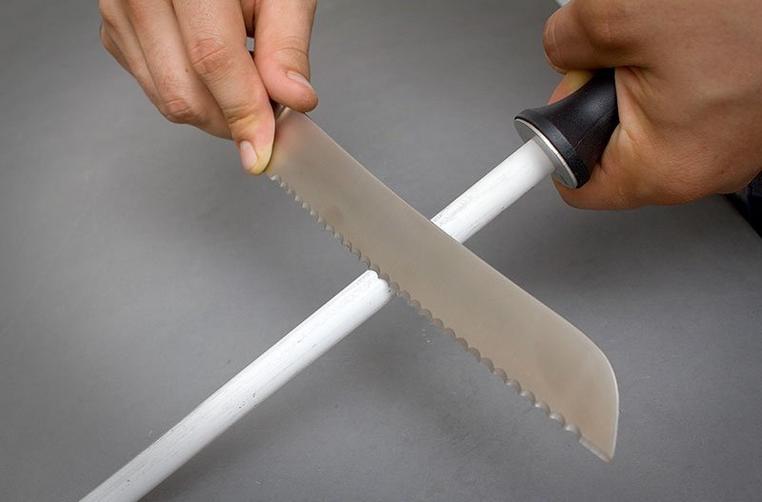
Pick a rod that fits your serrations. If your knife has small teeth, use a thin rod. For larger teeth, a thicker rod works best. The rod should fit snugly inside each groove.
3. Find The Beveled Side
Most serrated knives have one side that’s beveled (angled), and one side that’s flat. The beveled side is where you should sharpen. Hold the knife so the beveled edge faces you.
4. Insert The Rod
Place the sharpening rod into the first serration (the groove). Match the angle of the rod to the original bevel, usually between 13–17 degrees.
5. Sharpen Each Serration
Move the rod back and forth inside the groove, using gentle pressure. Do this 4–5 times for each tooth. Repeat for every serration along the blade.
6. Remove Burrs
After sharpening, a small burr (metal shavings) can form on the flat side. Gently run the rod flat against this side to remove burrs. Don’t over-sharpen.
7. Test The Knife
Slice a piece of bread or tomato. If the knife cuts cleanly, your sharpening worked. If not, repeat steps 4–6 for any dull teeth.
| Step | What to Do | Common Mistake | Tip |
|---|---|---|---|
| Inspect | Check teeth & damage | Skipping inspection | Clean knife first |
| Choose Rod | Pick right thickness | Wrong size rod | Measure serrations |
| Sharpen | Work each groove | Too much force | Gentle strokes |
| Remove Burrs | Lightly smooth flat side | Over-sharpening | 1–2 light passes |
How Often Should You Sharpen A Serrated Knife?
Serrated knives stay sharp longer than straight blades, but they still need care. How often you sharpen depends on how much you use the knife and what you cut. Here are some guidelines:
- Frequent use (daily): Sharpen every 12–18 months.
- Moderate use (weekly): Sharpen every 2–3 years.
- Rare use: Sharpen only when you notice dullness.
Many chefs recommend checking your knife every 6 months, especially if you cut tough foods (like crusty bread or frozen meat). Over-sharpening can wear down the teeth, so only sharpen when needed.
Common Mistakes To Avoid
Even experienced cooks make mistakes when sharpening serrated knives. Avoid these pitfalls:
- Using flat stones: These can damage the serrations and flatten the teeth.
- Wrong angle: Sharpening at the wrong angle changes the knife’s shape and makes it less effective.
- Too much force: Heavy pressure can bend or break the teeth.
- Skipping burr removal: Burrs make cuts rough and can scratch food.
- Sharpening both sides: Only sharpen the beveled side; sharpening the flat side ruins the edge.
Practical Tips For Better Results
Sharpening is a skill, and practice helps. Here are some tips to get better results:
- Work slowly: Take your time with each serration.
- Count your strokes: Use the same number of strokes for each tooth to keep the edge even.
- Check for chips: If a tooth is chipped, spend more time on it.
- Use a magnifying glass: Helps see small burrs or damaged teeth.
- Clean after sharpening: Wash the knife to remove metal shavings.
Many beginners miss the importance of matching the rod size to the serration. Using a rod that’s too big can round off the teeth, making the knife less sharp. Also, don’t forget that different knives have different bevel angles. If you’re unsure, check the manufacturer’s website or ask a professional.
Credit: www.knivesandtools.dk
When To Seek Professional Help
Some knives are expensive or have complex serrations. If you’re not confident, or if the knife has serious damage, consider a professional sharpening service. They have special tools and can restore the edge without harming the blade.
Professional services are often recommended for knives costing over $100 or brands like Wusthof, Shun, or Victorinox. They charge $5–$15 per knife, and many offer mail-in options.
Serrated Knife Vs Straight Knife: Sharpening Comparison
Serrated and straight knives need different sharpening methods. Here’s a quick comparison:
| Knife Type | Sharpening Frequency | Tools Needed | Ease of Sharpening |
|---|---|---|---|
| Serrated Knife | 12–36 months | Rod or diamond rod | Medium |
| Straight Knife | 6–12 months | Stone, steel, electric sharpener | Easy |
How To Maintain A Serrated Knife
Sharpening is only part of the process. Keeping your knife in good shape means daily care:
- Hand wash: Avoid dishwashers, which can dull the blade.
- Dry immediately: Prevents rust and spots.
- Store safely: Use a knife block or sheath.
- Cut only food: Don’t use the knife for plastic, cardboard, or bones.
- Use a cutting board: Wood or plastic boards protect the edge.
If you follow these steps, your serrated knife will last longer and need sharpening less often.
Non-obvious Insights
Most people overlook two important points:
- Serration shape matters: Not all serrated knives are the same. Some have pointed teeth; others have rounded waves. The sharpening rod must match the shape, or it won’t sharpen properly.
- Back edge maintenance: The flat side can get burrs even if you don’t sharpen it. Lightly smoothing this side helps keep cuts clean and prevents scratches on food.
Also, sharpening only the dull teeth (instead of the whole knife) saves time and keeps the blade balanced.
Credit: blademag.com
Recommended Brands And Tools
If you’re looking for quality sharpening rods, popular brands include Lansky, Victorinox, and Smith’s. For diamond rods, DMT and Sharpal are trusted by professionals. You can find detailed reviews and guides at Serious Eats.
Frequently Asked Questions
How Do I Know If My Serrated Knife Is Dull?
Look for signs like tearing food instead of clean slices, or if you need more force to cut. Try slicing soft bread or tomatoes—if the knife squashes instead of slices, it’s time to sharpen.
Can I Use An Electric Sharpener For Serrated Knives?
Some electric sharpeners have slots for serrated blades, but they don’t always sharpen every tooth evenly. Manual rods are more precise and safer for most serrated knives.
How Long Does Sharpening Take?
Sharpening a serrated knife takes 10–20 minutes for most home cooks. If your knife is very dull or damaged, it may take longer.
Will Sharpening Remove The Serrations?
If done correctly, sharpening does not remove serrations. Only sharpen the beveled side and use a rod that fits the teeth. Avoid heavy pressure.
What’s The Best Way To Store A Serrated Knife?
Store in a knife block or use a blade sheath. Avoid loose storage, which can damage the teeth and make the knife dull faster.
Sharpening a serrated knife may seem intimidating, but with the right tools and a careful approach, anyone can do it. Your knife will cut more smoothly, making your kitchen work easier and safer. Remember: inspect your knife regularly, use the correct rod, and avoid common mistakes. With practice, you’ll keep your serrated knives sharp for years to come.