Skip to content
Keeping your mop clean and storing it properly is not just about neatness. It’s one of the best ways to stop bacteria from growing in your cleaning tools. Many people mop their floors, rinse the mop, and leave it in a corner. But this habit can turn your mop into a breeding ground for germs.
In fact, studies show that damp mops can have up to 100,000 bacteria per square inch after just one use. If you want to keep your home healthy, learning how to store your mop the right way is essential. Let’s explore simple steps and expert advice to keep your mop fresh and bacteria-free.
Why Mop Storage Matters For Health
A mop cleans your floors, but it can also collect dirt, grease, and microbes. If you store it while it’s still wet or dirty, bacteria can multiply quickly. These germs can cause bad smells, stains, and even sickness when you use the mop again. Damp environments are perfect for bacterial growth. According to the Centers for Disease Control and Prevention (CDC), keeping cleaning tools dry and clean can reduce the risk of spreading infection in homes and businesses.
Proper storage prevents:
- The spread of harmful bacteria like E. coli and Salmonella.
- Mold and mildew problems in storage areas.
- Unpleasant odors in your home.
- Faster wear and tear on your mop.
Steps To Clean Your Mop Before Storage
Storing a dirty mop is the biggest mistake. Here are the steps to clean your mop well before you put it away:
- Rinse thoroughly: After mopping, rinse the mop head in hot water to remove dirt and residue.
- Use cleaning solution: Soak the mop head in a disinfectant or bleach solution for 5–10 minutes. Use about ½ cup of bleach per gallon of water.
- Squeeze out excess water: Press the mop head to remove as much water as possible.
- Repeat if needed: If your mop was used for heavy cleaning (like kitchens or bathrooms), repeat the disinfecting step.
- Check for wear: Look for frayed strings or damaged parts. Replace the mop head if needed.
Bonus tip: Some mop heads are machine-washable. Check the label and use the washing machine for deeper cleaning.
Choosing The Right Place To Store Your Mop
Where you store your mop affects how quickly bacteria can grow. You need a space that is:
- Dry and airy: Moisture encourages bacteria and mold.
- Away from direct sunlight: Sunlight can damage mop fibers, but gentle airflow helps drying.
- Separate from food areas: Keep cleaning tools away from kitchens and pantries.
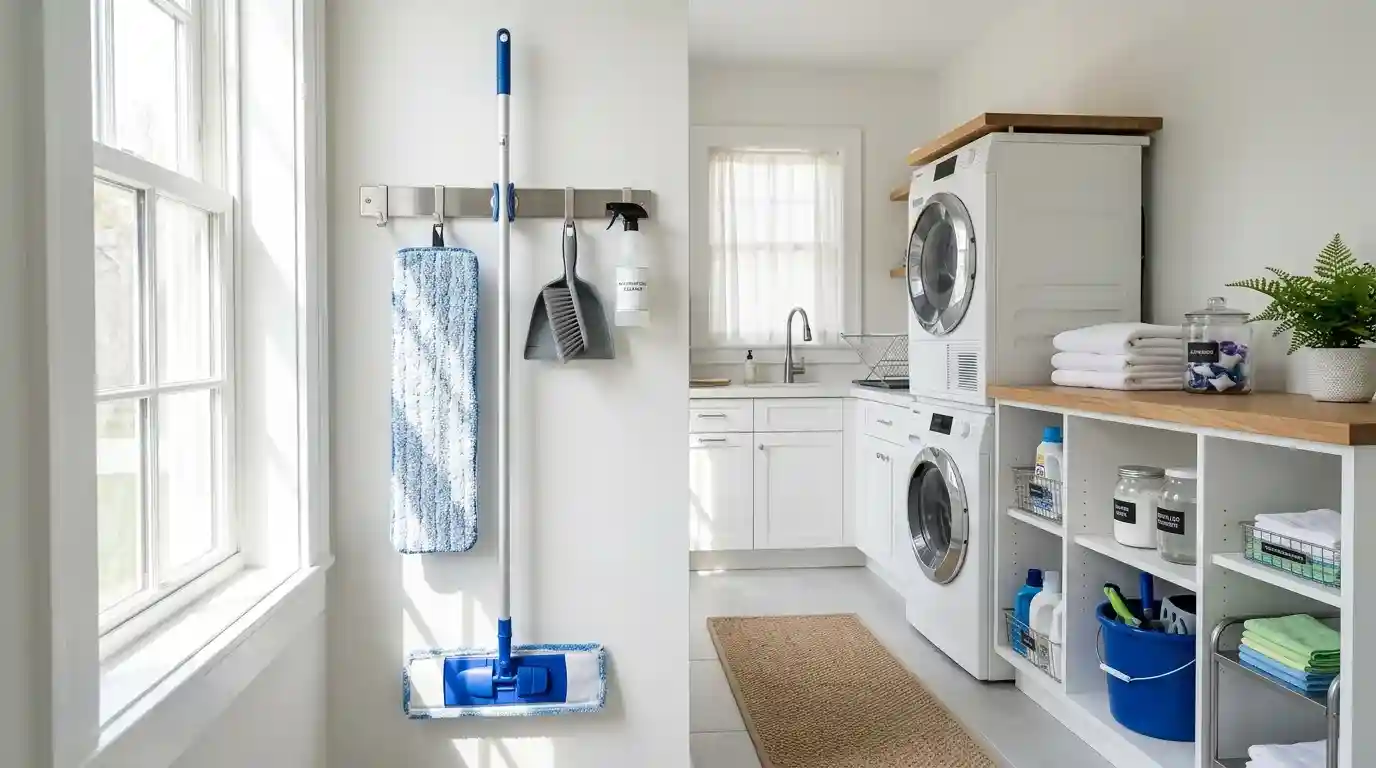
Examples: Good places include a laundry room, garage, or a dedicated cleaning closet.
Comparing Storage Locations
Here’s a quick comparison of common mop storage areas:
| Location | Drying Speed | Bacteria Risk | Convenience |
|---|---|---|---|
| Laundry Room | Fast | Low | High |
| Bathroom Corner | Slow | High | Medium |
| Garage | Medium | Medium | Medium |
| Kitchen Pantry | Slow | High | Low |
A laundry room or cleaning closet with good airflow is usually best.
How To Dry Your Mop Properly
Drying your mop is the most important step to prevent bacteria. Here’s how to do it right:
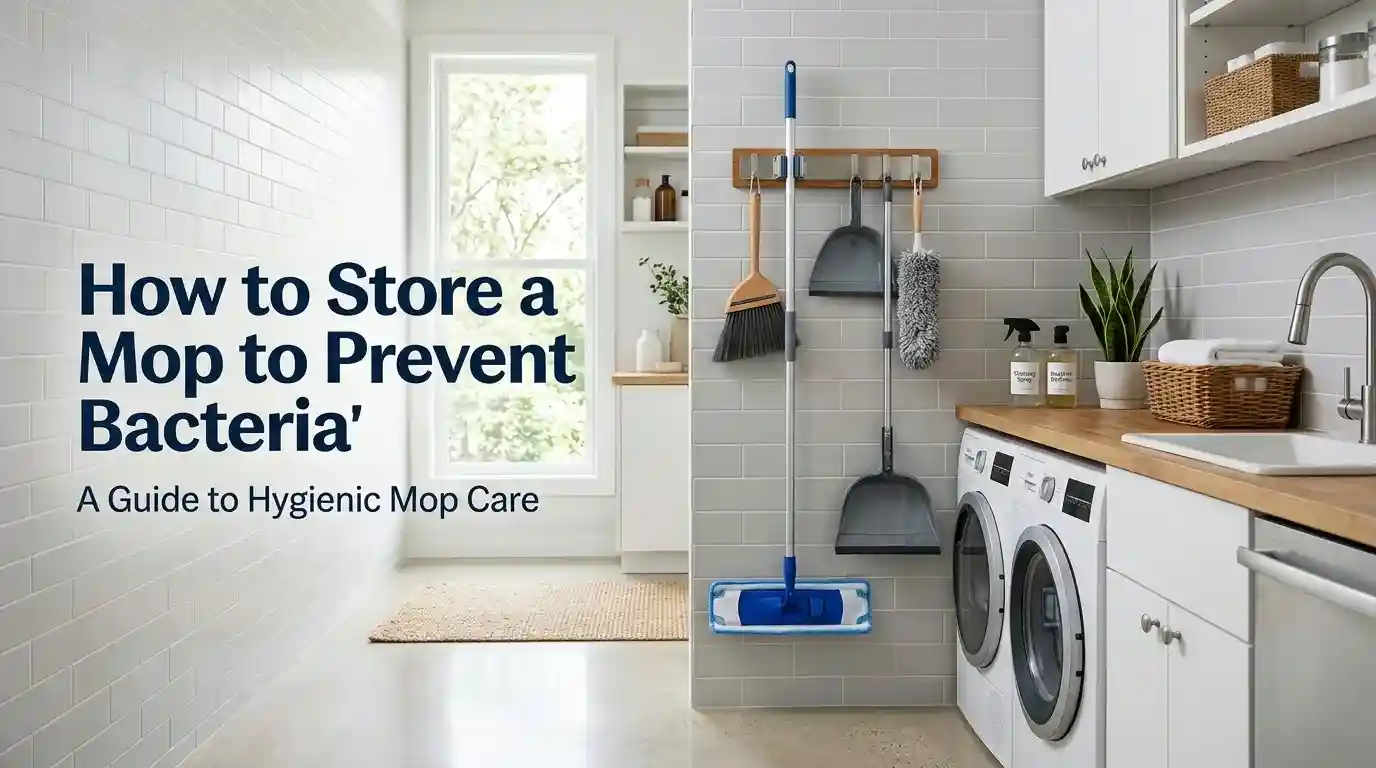
- Hang the mop: Use a hook, mop rack, or wall mount. Hanging lets air flow around all sides.
- Keep it off the floor: Laying a mop flat or leaving it in a bucket keeps moisture trapped.
- Use a fan or open window: If the area is humid, turn on a fan or open a window to speed up drying.
- Rotate mops: If you have two or more mops, use them in turns. This gives each mop time to dry fully.
Drying time varies. Most mops need at least 24 hours to dry completely. If your mop is still damp after a day, increase airflow or move it to a drier spot.
Mop Storage Tools And Accessories
Using the right tools makes mop storage easier and cleaner. Here are some options:
- Wall-mounted mop racks: These hold your mop upright and allow air to circulate.
- Freestanding drying stands: Good for homes without wall space.
- Hooks or pegs: Simple and cheap. Place them at least 3 feet above the floor.
- Bucket with drainage holes: Some mop buckets have holes to drain water, but avoid storing the mop in the bucket.
- Ventilated storage bins: For mop heads, use bins with holes for airflow.
Mop Rack Comparison
Here’s a quick guide to popular mop storage tools:
| Tool | Cost | Ease of Use | Drying Efficiency |
|---|---|---|---|
| Wall Rack | $15-$30 | Easy | High |
| Drying Stand | $25-$50 | Moderate | High |
| Simple Hook | $2-$5 | Easy | Medium |
| Ventilated Bin | $10-$20 | Moderate | Medium |
Wall racks and drying stands work best if you want to keep mops dry and ready.
Mistakes To Avoid When Storing A Mop
Many people make simple mistakes that lead to bacteria growth. Here are the most common ones:
- Storing a wet mop: This is the fastest way to grow bacteria. Always dry your mop first.
- Leaving mop in a bucket: Moisture collects at the bottom and spreads germs.
- Storing in a closed cabinet: If there’s no airflow, the mop stays damp.
- Not cleaning mop heads regularly: Even if the mop looks clean, germs can hide inside.
- Mixing mops with other cleaning tools: Keep mops separate to avoid cross-contamination.
A beginner’s mistake is thinking rinsing with water is enough. In reality, you need to disinfect and dry mops fully. Also, avoid storing mops near food or pet areas.
How Often Should You Replace Your Mop Head?
Even the best storage won’t keep a mop forever. Mop heads wear out and become less effective over time. Replace your mop head:
- Every 2-3 months for regular home use.
- Every month for heavy or commercial cleaning.
- When you see fraying, discoloration, or bad smell.
- After cleaning up spills with dangerous chemicals or biohazards.
Good mop heads make cleaning easier and safer. Using an old, dirty mop can spread more germs than it removes.
Special Tips For Different Mop Types
There are many kinds of mops, and each needs special care:
String Mops
- Hang upside-down for drying.
- Wash in hot water every 1–2 weeks.
Sponge Mops
- Squeeze out water well.
- Store upright, not laying flat.
Microfiber Mops
- Machine wash after every use.
- Air dry or use low heat in dryer.
Steam Mops
- Empty water tank before storage.
- Wipe mop pads clean and let them dry.
Flat Mops
- Remove pad and wash.
- Hang handle and pad separately.
Non-obvious insight: Microfiber mops dry faster and resist bacteria better than cotton mops. But they still need regular washing.
You might find this helpful: How to Mop Floors Without Leaving Streaks
Data: Bacterial Growth Rates On Mops
Let’s look at how fast bacteria can grow on a damp mop:
| Hours After Use | Bacteria Count (per sq. inch) | Risk Level |
|---|---|---|
| 0 (just cleaned) | 100 | Low |
| 6 | 5,000 | Medium |
| 24 | 100,000 | High |
| 48 | 500,000+ | Very High |
This data shows why drying and disinfecting are so important.
Eco-friendly Mop Storage Tips
If you care about the environment, you can store mops in a way that saves energy and reduces waste:
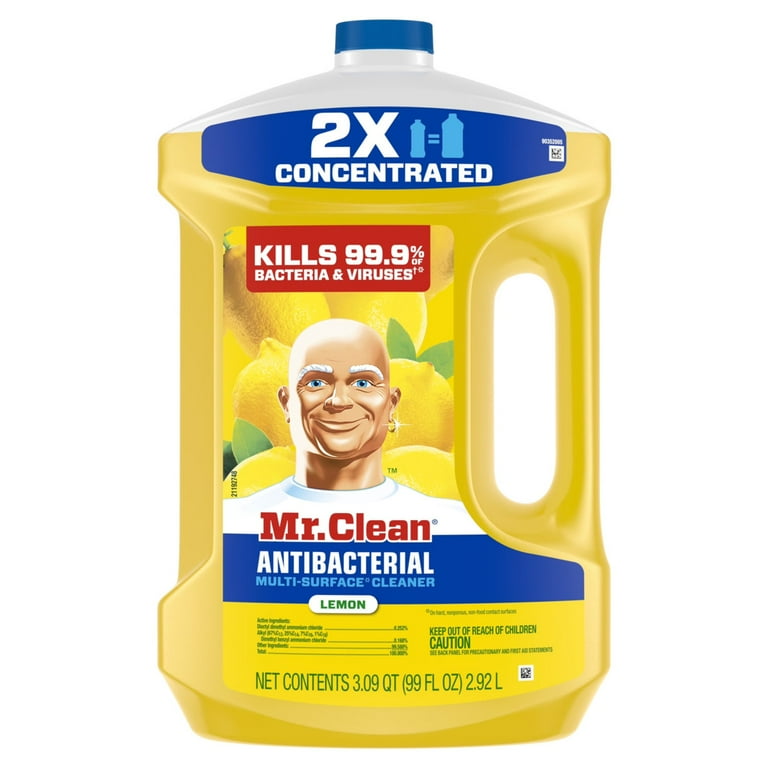
- Use natural disinfectants like vinegar or baking soda instead of harsh chemicals.
- Choose reusable mop heads and wash them rather than throwing away.
- Dry mops in sunlight for a few hours (but not all day) to kill germs naturally.
- Avoid plastic storage bins; try metal or wood racks.
Eco-friendly cleaning keeps your home safe and helps the planet.
Credit: www.walmart.com
Expert Recommendations
Cleaning experts suggest storing mops where you can see them dry. This way, you remember to check for dampness and odor. Also, they recommend keeping extra mop heads handy. If one mop is still drying, you can use another. For more detailed guidance, check resources like the CDC Cleaning Guide.
Frequently Asked Questions
How Can I Tell If My Mop Is Still Wet Enough To Grow Bacteria?
Touch the mop head and smell it. If it feels damp or smells musty, bacteria are likely growing. Wait until the mop feels dry and smells clean before storing.
Can I Use Bleach Every Time I Clean My Mop?
You can use bleach, but not every time. It’s best to use bleach once a week or after heavy cleaning. Too much bleach can damage mop fibers.
Is It Safe To Store My Mop Outside?
It’s safe if the weather is dry and sunny. Rain, humidity, or cold can keep the mop damp and encourage bacteria. Outdoor storage is only good for short periods.
Should I Store My Mop With Other Cleaning Tools?
No. Mops should be stored separately, especially from brushes or cloths used in kitchens and bathrooms. This avoids cross-contamination.
What’s The Best Way To Store Mop Heads?
Hang mop heads in a ventilated area or use a bin with holes for airflow. Never seal them in airtight containers.
Storing your mop the right way is not difficult, but it does require attention. With proper cleaning, drying, and storage, you can keep your mop fresh and your home healthier. Remember, a clean mop is one of the best tools for stopping bacteria before it starts.