Skip to content
Storing Vegetables In The Refrigerator: The Complete Guide
Fresh vegetables are a big part of healthy eating. But many people struggle to keep them fresh for more than a few days. Have you ever opened your fridge and found wilted lettuce or slimy carrots? It’s frustrating and wasteful.
Learning how to store vegetables in the refrigerator can save money, reduce food waste, and help you enjoy better-tasting meals. In this guide, you’ll discover practical methods, storage hacks, and science-backed tips to keep your vegetables crisp and nutritious.
Why Refrigerate Vegetables?
Most vegetables last longer in cold storage. The refrigerator slows down spoilage by lowering temperature, which reduces bacteria and mold growth. However, not all vegetables respond the same way to cold. Some prefer humidity, others like it dry. Understanding these differences is key to storing vegetables correctly.
The Science Behind Refrigeration
Vegetables are made mostly of water. When exposed to air, they lose moisture and become limp. Cold temperatures slow down enzymes that cause ripening and decay. Keeping vegetables at 32–40°F (0–4°C) preserves freshness and nutrients. Still, different vegetables need different humidity levels to stay crisp.
Food Waste Statistics
According to the USDA, over 30% of fresh produce in the US is wasted, often due to poor storage. Proper refrigeration can cut waste by half and save families hundreds of dollars per year.
The Basics Of Vegetable Storage
Before diving into specific storage methods, it’s important to understand some general rules.
- Clean your fridge regularly. Mold or bacteria can spread quickly.
- Don’t wash vegetables before storing, except for leafy greens. Moisture encourages mold.
- Use breathable bags or containers. Avoid sealing vegetables too tightly.
- Separate ethylene producers. Some vegetables emit ethylene gas, which speeds up ripening and spoilage.
- Label and date your produce. This helps you use older items first.
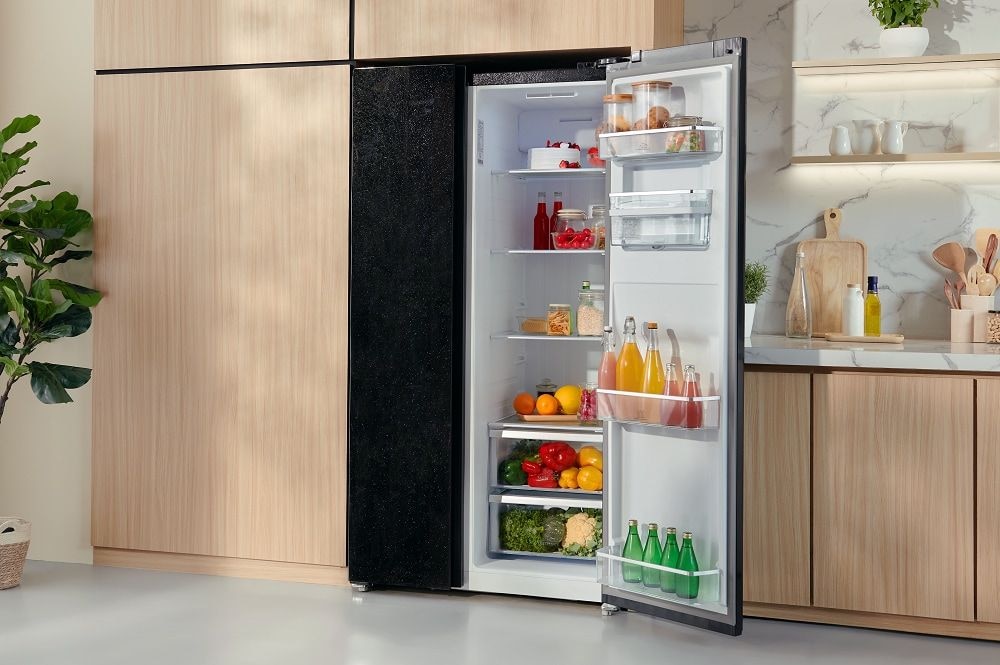
Credit: www.electrolux.in
Refrigerator Zones: Where To Store Each Vegetable
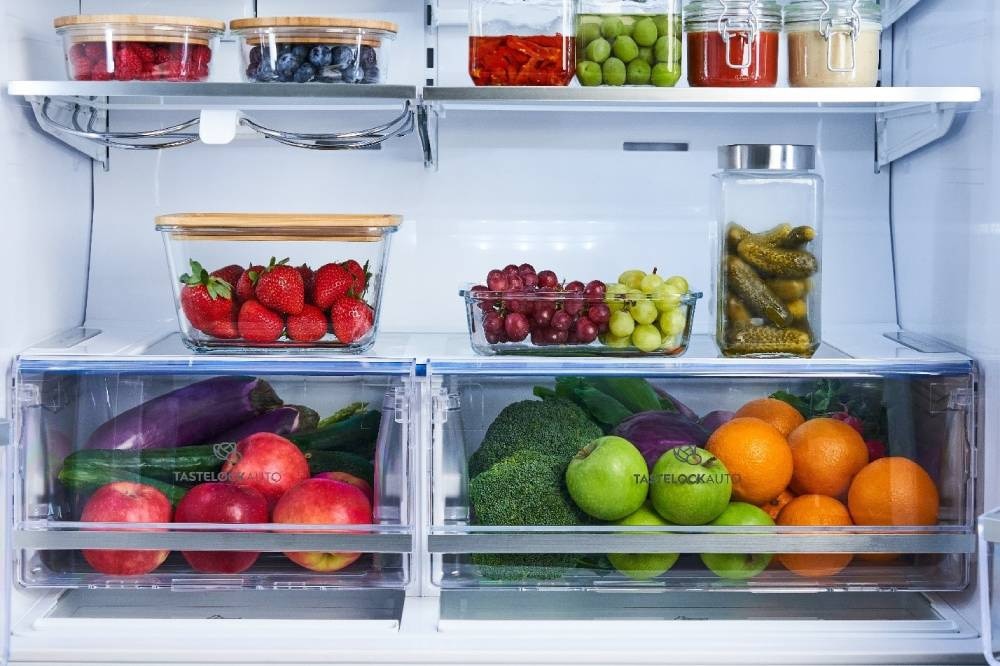
Modern refrigerators have different zones—crisper drawers, shelves, and doors. Each zone varies in humidity and temperature. Using these zones wisely makes a big difference.
Crisper Drawers
Crisper drawers are designed for produce. They often have humidity controls, marked “High” or “Low. ”
- High humidity drawer: Best for leafy greens, broccoli, carrots, and celery.
- Low humidity drawer: Good for fruits and ethylene-sensitive veggies like peppers and squash.
Main Shelves
Main shelves are cooler but less humid. Store root vegetables, mushrooms, and items that don’t need much moisture.
Refrigerator Door
The door is the warmest part. Don’t store delicate vegetables here. It’s okay for condiments or hardy items.
Example: Storing Broccoli
Broccoli lasts up to 10 days in the high humidity drawer. If placed on a shelf, it dries out in 4–5 days.
| Vegetable | Best Zone | Humidity |
|---|---|---|
| Spinach | Crisper Drawer | High |
| Carrots | Crisper Drawer | High |
| Mushrooms | Main Shelf | Low |
| Bell Peppers | Crisper Drawer | Low |
| Lettuce | Crisper Drawer | High |
How To Store Popular Vegetables
Different vegetables need different care. Here’s how to store the most common ones.
Leafy Greens
Spinach, lettuce, kale, Swiss chard are sensitive to moisture loss.
- Wrap in paper towels to absorb excess moisture.
- Place in a plastic bag or container with holes.
- Store in the high humidity crisper.
Tip: If leaves wilt, soak them in cold water for 10 minutes to revive.
Root Vegetables
Carrots, beets, radishes, turnips last longer than most.
- Remove green tops—they draw moisture away.
- Store in a sealed bag in the high humidity drawer.
- Carrots can last up to 3 weeks.
Cruciferous Vegetables
Broccoli, cauliflower, cabbage, Brussels sprouts stay crisp with high humidity.
- Keep in a loose plastic bag.
- Don’t wash before storing.
- Cabbage lasts up to 2 months.
Mushrooms
Mushrooms prefer dry, cool air.
- Store in a paper bag on the main shelf.
- Avoid plastic bags—they trap moisture and cause slime.
Peppers
Bell peppers last longer in low humidity.
- Place in a plastic bag in the crisper drawer.
- Don’t wash before storing.
Squash And Zucchini
- Store in the low humidity drawer.
- Use within 5–7 days.
Tomatoes
Tomatoes lose flavor in cold. Store ripe tomatoes in the fridge for 1–2 days only.
- If unripe, keep at room temperature.
Garlic And Onions
These don’t need refrigeration. Keep them in a cool, dry, dark spot.
Vegetable Storage Comparison Table
To help you quickly understand storage needs, here is a comparison:
| Vegetable | Storage Method | Fridge or Not? | Typical Shelf Life |
|---|---|---|---|
| Carrot | High humidity, sealed bag | Fridge | 2-3 weeks |
| Lettuce | High humidity, wrapped in paper towel | Fridge | 5-7 days |
| Broccoli | Loose bag, high humidity | Fridge | 7-10 days |
| Mushrooms | Paper bag | Fridge | 3-7 days |
| Onion | Dry, dark place | No | 2-3 months |
| Tomato | Room temp (unripe), fridge (ripe) | Depends | 1-2 days (fridge) |
Ethylene Gas: The Hidden Spoiler
Some vegetables and fruits release ethylene gas, which speeds up ripening and spoilage. Apples, pears, and tomatoes are strong ethylene producers. Store these away from ethylene-sensitive vegetables like lettuce, carrots, and broccoli.
Ethylene Producers Vs Ethylene Sensitive
| Ethylene Producers | Ethylene Sensitive |
|---|---|
| Tomatoes | Carrots |
| Apples | Lettuce |
| Pears | Broccoli |
| Bananas | Cabbage |
Insight: Even a small amount of ethylene can spoil sensitive vegetables within a day. Keep them separated.
Credit: www.electrolux.in
Storage Hacks For Maximum Freshness
Here are some proven hacks to get the most out of your vegetables.
- Reusable produce bags: Mesh or cloth bags allow air circulation and reduce moisture.
- Paper towels: Wrap greens in paper towels to absorb excess water.
- Glass containers: Use airtight glass containers for chopped veggies; they keep food fresh longer than plastic.
- Vacuum sealing: Removes air and extends shelf life up to 2x.
- Don’t overcrowd: Air circulation is vital. Overcrowding traps moisture and causes spoilage.
Practical Example
If you buy a bag of spinach, remove from the store packaging, wrap in paper towels, and place in a mesh bag in the crisper. You’ll notice less wilting and a fresher taste for up to a week.
Mistakes To Avoid
Many people make simple mistakes that ruin vegetables faster.
- Washing before storage: This adds moisture, leading to mold.
- Storing in airtight plastic: Lack of airflow causes slime and rot.
- Mixing ethylene producers: This can spoil sensitive veggies overnight.
- Keeping vegetables in the fridge door: The temperature is too warm.
Non-obvious insight: Don’t store potatoes in the fridge. Cold turns their starch into sugar, making them taste weird.
Cleaning And Preparing Vegetables For Storage
Taking a few extra steps can make vegetables last longer.
Cleaning
- Don’t wash most vegetables before storing.
- Wash leafy greens, then spin dry or pat dry with towels.
- Remove any damaged or rotten parts.
Preparing
- Trim tops from root vegetables.
- Remove outer leaves from cabbage or lettuce.
- Store chopped veggies in airtight containers if you plan to use them soon.
Tip: For meal prep, chop vegetables and store in glass containers. They stay fresher and are ready to cook.
Storing Cut And Cooked Vegetables
Cut vegetables spoil faster because their cells are damaged.
- Store cut veggies in airtight containers.
- Use within 2–3 days.
- Keep cooked vegetables in the fridge for up to 4 days.
Example: Chopped carrots last 2–3 days, while cooked broccoli lasts 3–4 days.
Humidity And Temperature: Getting It Right
Most vegetables like high humidity and cold temperatures. But mushrooms and onions prefer it dry. Adjust crisper drawer settings to match vegetable needs.
- High humidity: For leafy greens, carrots, broccoli.
- Low humidity: For peppers, squash, mushrooms.
Insight: If your fridge doesn’t have humidity controls, use bags with holes for low humidity and sealed bags for high humidity.
Storing Unusual Or Exotic Vegetables
Some vegetables don’t fit the standard rules.
- Asparagus: Trim ends, stand upright in a jar with 1 inch of water, cover loosely with plastic, store in fridge.
- Herbs: Wrap in damp paper towel, place in a plastic bag, store in crisper.
- Artichokes: Sprinkle with water, store in plastic bag in crisper.
- Eggplant: Store at room temperature if possible; use fridge only if necessary.
Signs Of Spoilage
Recognizing when vegetables are past their prime helps you stay safe.
- Slimy texture: Indicates bacterial growth.
- Off smell: Sign of rot.
- Discoloration: Brown or black spots mean decay.
- Wilted leaves: Loss of water; sometimes reversible with soaking.
Data: About 20% of foodborne illness outbreaks come from spoiled produce. Always check before eating.
Storage Tips For Busy Families
For families, efficient storage is key.
- Prep vegetables after shopping: Trim, wrap, and store right away.
- Keep a produce inventory: Use older items first.
- Plan meals around what’s in the fridge: Reduces waste.
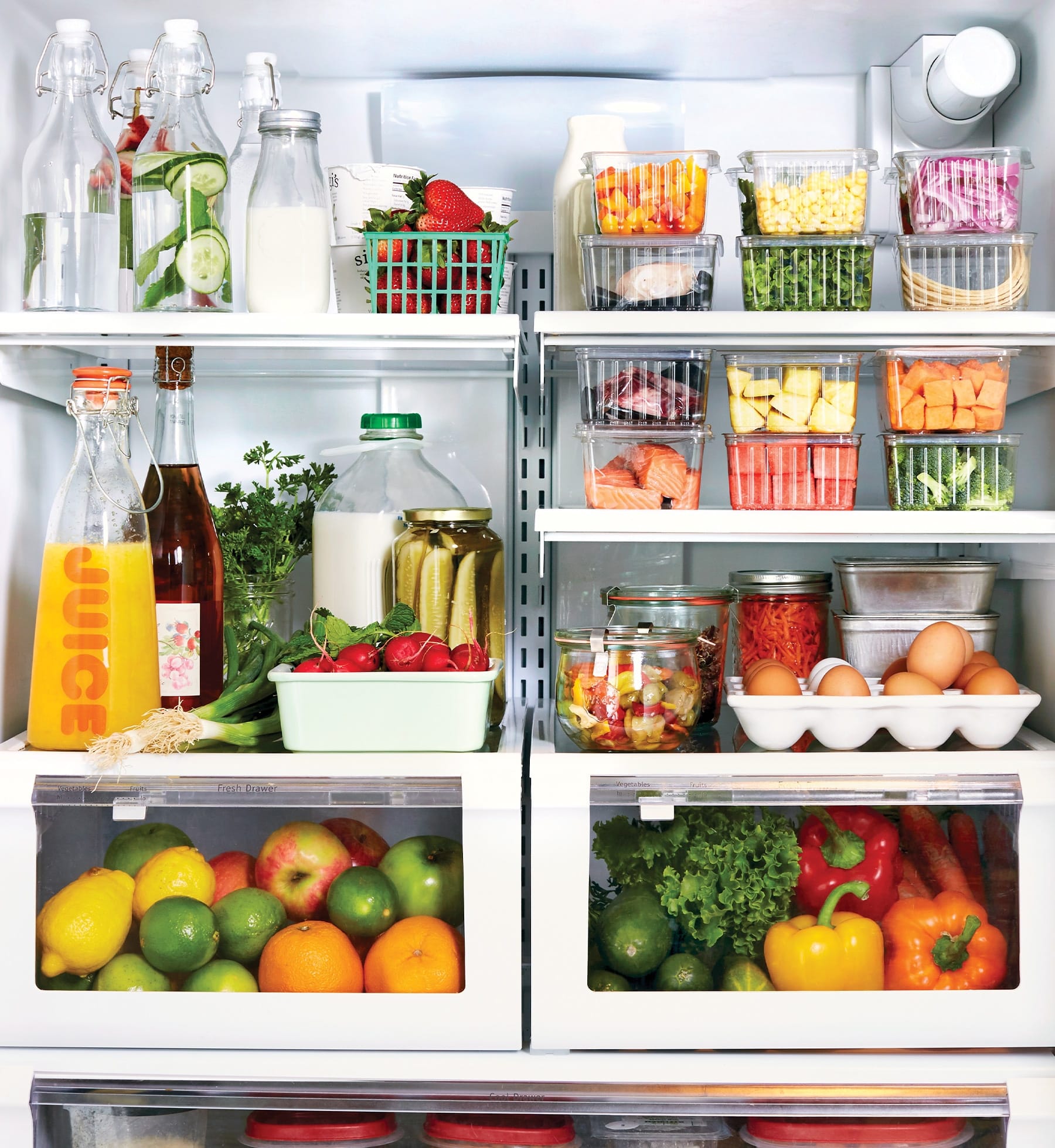
Non-obvious insight: Use clear containers so you can see what’s inside—this helps you remember to use your vegetables before they spoil.
Sustainable Storage Practices
Plastic bags are common, but not eco-friendly. Try these alternatives:
- Beeswax wraps: Good for greens and herbs.
- Glass containers: Reusable and better for flavor.
- Mesh produce bags: Allow airflow; washable and durable.
How Long Do Vegetables Last In The Refrigerator?
Here’s a quick summary of shelf life for common vegetables:
- Carrots: 2–3 weeks
- Lettuce: 5–7 days
- Broccoli: 7–10 days
- Mushrooms: 3–7 days
- Bell peppers: 1–2 weeks
- Spinach: 5–7 days
- Cauliflower: 7–14 days
- Cabbage: 1–2 months
Best Practices For Vegetable Storage
To keep vegetables at their best:
- Use the right fridge zones.
- Adjust humidity controls.
- Separate ethylene producers and sensitive items.
- Prep and store vegetables soon after shopping.
- Use eco-friendly storage solutions.
Frequently Asked Questions
How Should I Store Leafy Greens To Keep Them Fresh?
Wrap leafy greens in paper towels and place them in a breathable bag or container. Store in the high humidity crisper drawer. Avoid washing until ready to eat, unless prepping for meal use.
Can I Store Cut Vegetables In The Fridge?
Yes, but use airtight containers and consume within 2–3 days. Cut vegetables lose water and nutrients faster, so keep them sealed and cold.
Why Do My Carrots Get Soft In The Fridge?
Carrots lose moisture if not stored properly. Place them in a sealed bag in the high humidity drawer. Remove green tops before storing to prevent moisture loss.
Should I Refrigerate Tomatoes?
Only refrigerate ripe tomatoes if you can’t eat them right away. Cold storage slows ripening but affects flavor. Unripe tomatoes should stay at room temperature.
What’s The Best Way To Store Mushrooms?
Use a paper bag on the main fridge shelf. Avoid plastic bags, as they trap moisture and cause mushrooms to spoil quickly.
Storing vegetables correctly in your refrigerator is a simple change that makes a big impact. You’ll enjoy fresher meals, save money, and reduce waste. With the right methods and a bit of attention, your produce will stay crisp and flavorful for much longer. For more science-backed tips on food storage, check out Foodsafety.gov.
Credit: naturefreshfarms.com