Testing the sharpness of a kitchen knife may seem simple, but it can make a big difference in your cooking. A sharp knife is safer, faster, and gives better results. But how do you really know if your knife is sharp enough?
Many people guess by feeling or looking, but there are reliable methods. Some tests are quick and easy; others give you more details. Knowing these can help you avoid mistakes and get more from your knives. Let’s explore practical ways to check knife sharpness, common errors, and tips to get the best results.
Why Sharpness Matters In The Kitchen
A sharp kitchen knife does more than just slice food. It protects you from accidents and helps you cook better. Dull knives need more force, which can cause slips and injuries. Sharp knives make clean cuts, keeping food texture and looks intact. According to a survey from the National Safety Council, over 20% of kitchen injuries come from dull blades. Sharp knives are also more efficient, saving you time and effort.
If you often cook, you will notice that cutting tasks become much easier with a sharp knife. For example, slicing onions, tomatoes, or even hard vegetables like carrots will be faster and cleaner. You can also cut thin, even slices, which helps with food presentation and even cooking.
When you use a dull knife, you risk damaging delicate ingredients. For example, a dull blade can crush herbs, making them lose flavor and aroma. Using a sharp knife also means less fatigue, since you don’t need to push as hard or repeat cuts.
Signs Your Knife Might Be Dull
Before testing, notice these signs:
- You need extra force to cut foods
- Food is crushed or torn, not sliced cleanly
- The blade slips off smooth surfaces (like tomato skin)
- You see jagged edges after slicing
If you notice any of these, your knife likely needs sharpening.
Another clear sign is when your knife struggles with soft foods. For example, slicing bread may leave crumbs everywhere instead of neat slices. If you try to cut cheese and it sticks to the blade or falls apart, it’s a sign of dullness.
Even peeling fruits like apples can be harder and more dangerous with a dull blade. Watch how much pressure you use—if you have to press hard, your knife isn’t sharp.
Credit: www.youtube.com
Common Mistakes When Testing Knife Sharpness
Many beginners make mistakes when checking for sharpness:
- Using your finger: Running a finger along the edge is dangerous and unreliable.
- Guessing by appearance: Just looking at the blade doesn’t show its sharpness.
- Testing on tough foods only: Using only hard foods can hide dullness.
- Ignoring results: If the knife feels dull, don’t keep using it—sharpen it.
Avoiding these mistakes helps you get a clear answer and stay safe.
Another mistake is using the wrong surface for testing. For example, testing on a glass or stone cutting board can damage your blade and give false results. Always test on wood or plastic boards, which are gentle on knives. Sometimes people use only one test and think their knife is fine, but different foods and methods reveal different levels of sharpness.
Don’t rely on just visual inspection or a single test.
Simple Methods To Test Kitchen Knife Sharpness
There are several practical ways to check if your kitchen knife is sharp. Some use household items, others use food or paper. Each method has pros and cons, so pick what suits you best.
The Paper Test
One of the most popular and effective tests is the paper test. It’s simple and quick.
- Hold a sheet of printer paper vertically.
- Try slicing down through the edge with your knife.
- If the blade cuts cleanly, it’s sharp. If it snags or tears, it’s dull.
This test shows if the blade can make a smooth cut. Many professional chefs use this as a routine check.
| Knife Sharpness | Paper Test Result | Action Needed |
|---|---|---|
| Very Sharp | Clean, smooth cut | Ready to use |
| Moderately Sharp | Some snagging | Minor sharpening |
| Dull | Tearing, rough edges | Sharpen immediately |
You can also use magazine or newspaper paper for this test, which is thinner and sometimes harder to cut. This gives you an even clearer idea of how sharp your blade is. If the knife slices magazine paper without effort, your edge is very sharp.
Tomato Test
Tomatoes have thin skin, so a dull knife will slip or crush the fruit.
- Place a tomato on a cutting board.
- Try to slice through the skin without applying much pressure.
- If the blade breaks the skin easily, it’s sharp.
The tomato test is great because it uses real food, showing how your knife performs in daily cooking.
If your knife is sharp, you can make thin slices without squashing the tomato. If you need to press hard or the tomato bursts, your blade needs attention. Try using cherry tomatoes for an even tougher test—their skin is delicate, and a dull knife will struggle.
Onion Test
Onions can reveal blade dullness quickly.
- Try to slice through the first layer of onion.
- If the knife glides through without slipping, it’s sharp.
- If you need extra force or the blade slides off, it’s dull.
A sharp knife will also help you avoid tears, since it cuts cleanly and releases fewer onion fumes. If you notice your onion pieces look crushed or ragged, your knife could use sharpening.
The Fingernail Test
This is a classic but less common method. It requires care.
- Gently place the blade on your fingernail at a slight angle.
- If it “bites” and doesn’t slide off, it’s sharp.
- If it slips, the edge is dull.
Use this method carefully to avoid injury.
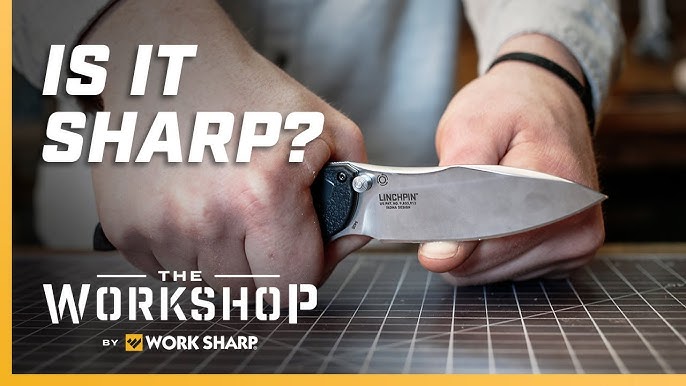
If you’re unsure, try using your thumbnail instead, as it’s harder and safer. This test works well for pocket knives and kitchen knives alike.
Arm Hair Test
Professional sharpeners sometimes use the arm hair test.
- Lightly try to shave a small patch of arm hair.
- If the blade removes hair easily, it’s very sharp.
This test is not for everyone but shows extreme sharpness.
If your knife can shave hair without tugging, it is sharper than most kitchen knives need to be. This level is often reserved for professional chefs or competition sharpeners.
Advanced Knife Sharpness Testing
If you want more detail, there are advanced methods and tools.
Edge-on-up Sharpness Tester
This tool measures blade sharpness in grams of force needed to cut a test strip.
- Sharper blades require less force (lower number).
- Dull blades need more force.
It’s common in knife sharpening shops and gives precise results.
If you’re a serious home cook or collector, investing in this tool helps you monitor your blades over time. You can track how quickly they dull and adjust your sharpening routine.
Magnifying Glass Inspection
Look closely at the edge with a magnifying glass.
- A sharp edge looks smooth and even.
- Dull edges show chips, nicks, or shiny spots.
This method helps you see damage before it affects performance.
You can also use a smartphone camera with macro mode to inspect the blade. If you see light reflecting off the edge, it means the blade is rounded and needs sharpening. Small chips or rough spots can affect cutting performance, even if the knife still feels “okay.
”
Comparing Blade Performance On Different Foods
Some foods are harder to cut than others. Testing with various foods shows real-world performance.
| Food Type | Sharp Knife Result | Dull Knife Result |
|---|---|---|
| Chicken breast | Clean, easy slices | Torn, ragged pieces |
| Fresh herbs | No bruising | Bruised, crushed |
| Hard cheese | Effortless cutting | Requires force |
Try testing on different food types—soft, hard, and sticky. This helps you see if your knife performs well across all cooking tasks, not just one.
How Often Should You Test Knife Sharpness?
Testing frequency depends on use. If you cook daily, check your knife every week. For occasional use, test every month. If you notice performance dropping, check right away.
Regular testing helps you avoid accidents and keeps your kitchen running smoothly.
If you notice your knife is dull even before the scheduled test, sharpen it. Don’t wait for a set date. Some professionals test before every cooking session, especially if they work in restaurants. Home cooks can check every few weeks, but always pay attention to signs of dullness.

Credit: www.sharpeningsupplies.com
What To Do If Your Knife Is Dull
If your knife fails any test, sharpening is needed.
Sharpening Options
- Manual sharpening: Use a whetstone or sharpening rod.
- Electric sharpener: Quick but can wear down blades.
- Professional service: Best for expensive knives.
After sharpening, re-test using one of the methods above.
If you’re unsure how to sharpen, start with a honing rod. For deeper sharpening, use a whetstone. Follow the manufacturer’s angle recommendations for best results. If your knife has deep chips or is very expensive, professional sharpening is safer.
Honing Vs. Sharpening
Many confuse honing and sharpening. Honing realigns the blade, sharpening removes metal to create a new edge.
| Action | Purpose | How Often |
|---|---|---|
| Honing | Realign blade | After every use |
| Sharpening | Restore sharpness | Every few months |
Honing keeps the knife sharp longer, but sharpening is needed when the blade won’t cut well. Many people forget to hone, which shortens the knife’s life.
Two Insights Beginners Often Miss
- Sharpness doesn’t last long: Even the best knives dull quickly with regular use. Testing often is more important than you think.
- Edge angle matters: Japanese knives (15° angle) are sharper but dull faster. Western knives (20° angle) last longer but aren’t as sharp. Test and sharpen based on your knife type.
Another insight: the steel quality affects how often you need to sharpen. Softer steels dull quickly but are easy to sharpen. Harder steels stay sharp longer but need special stones. Don’t ignore these differences—choose sharpening routines that suit your knife.
Safety Tips When Testing Knife Sharpness
- Always use caution—never test sharpness by touching the edge.
- Use proper cutting boards (wood or plastic, not glass).
- Keep fingers clear of the blade during tests.
- Clean the knife before testing for accurate results.
Wear cut-resistant gloves if you’re new to sharpening or testing. Make sure your workspace is clean and dry. Never rush when testing—accidents happen when you’re in a hurry.
When To Replace A Knife
Sometimes sharpening isn’t enough. If the blade is heavily chipped, rusted, or bent, consider replacing it. High-quality knives last longer, but all blades wear out eventually.
If your knife wobbles, has a broken tip, or the handle is loose, it’s time to upgrade. Investing in a new knife can improve safety and performance in your kitchen.
Using Knife Sharpness In Cooking
A sharp knife isn’t just a tool—it changes how you cook. You can make thin, uniform slices, improve presentation, and speed up prep. Cooking becomes more enjoyable and less stressful. Professional chefs test sharpness daily to keep their skills sharp and avoid mistakes.
You’ll notice your meals look better and taste fresher. For example, slicing fish for sushi or vegetables for a salad is easier and more precise. Even simple tasks like peeling potatoes or chopping parsley become easier, making cooking more fun and less of a chore.
Extra Resources
For more detail on knife care and sharpness, visit Wikipedia’s knife sharpening page. This site covers types of edges, sharpening tools, and maintenance.
You can also check videos online for sharpening demonstrations. Watching experts sharpen and test knives helps you learn safe and effective techniques.

Credit: www.americastestkitchen.com
Frequently Asked Questions
How Do I Test My Kitchen Knife Without Special Tools?
Use the paper test or tomato test. Slice paper or tomato skin—if the blade cuts smoothly, it’s sharp.
You can also try cutting fresh herbs or onions—these foods show sharpness clearly.
Is It Dangerous To Test Sharpness With My Finger?
Yes. Touching the edge can cause cuts. Use safe methods like slicing paper or food.
How Often Should I Sharpen My Kitchen Knife?
If used daily, sharpen every 2–3 months. Hone after each use for best results.
Can A Dull Knife Be Fixed At Home?
Most dull knives can be sharpened with a whetstone or sharpening rod. Deep chips or bends may need professional help.
Does Knife Sharpness Affect Cooking Speed?
Absolutely. A sharp knife reduces prep time and makes slicing safer and easier.
Testing your kitchen knife for sharpness is easy and important for safe, efficient cooking. Using practical methods like the paper and tomato tests, you can check your blade without special tools. Avoid common mistakes, test regularly, and sharpen when needed.
These simple steps keep your kitchen safer and your meals looking and tasting better.