Skip to content
Using beets in a juicer might sound simple, but many people feel unsure about how to get the best results. Beets are packed with nutrients and offer a deep, earthy flavor, but their tough texture can challenge juicers and beginners alike.
If you want to make beet juice that’s delicious, smooth, and full of healthy benefits, it helps to know a few tricks. This guide will walk you through every step—from choosing the right beets to mixing flavors—so you can turn these vibrant roots into a refreshing drink without fuss.
Why Juice Beets?
Beets are more than just a colorful vegetable. They contain nitrates, which can help lower blood pressure, and they’re rich in antioxidants like betalains. A cup of beet juice provides vitamin C, folate, potassium, and fiber, all in a low-calorie package. Athletes often drink beet juice for its power to improve endurance and oxygen use. For those who dislike the taste of cooked beets, juicing is a way to enjoy the nutrition without the earthy aftertaste.
Beet juice also supports liver health, may improve blood flow, and can add a natural energy boost to your morning. Plus, juicing beets with other fruits and vegetables can help you reach your daily intake of important nutrients.
Choosing The Best Beets For Juicing
Not all beets are the same, especially when it comes to juicing. Look for the following:
- Small to medium size: These are usually sweeter and less woody.
- Firm texture: Soft spots or shriveled skin means the beet is old or dried out.
- Smooth skin: Fewer blemishes and thin skin are better for juicing.
- Fresh greens: If the leaves are attached, they should be bright and crisp. You can juice the greens, too.
Organic beets are a smart choice if you want to avoid pesticide residues. However, regular beets can be peeled to reduce exposure.
Beet Varieties: What To Expect
There are several types of beets. Each has a unique flavor and color:
| Type | Color | Flavor |
|---|---|---|
| Red | Deep red | Earthy, slightly sweet |
| Golden | Yellow-orange | Milder, less earthy |
| Chioggia | Red and white rings | Sweet, mild |
| White | Pale cream | Very mild, less sweet |
Red beets are the most common for juicing, but golden and Chioggia beets are great for those who want a milder taste.
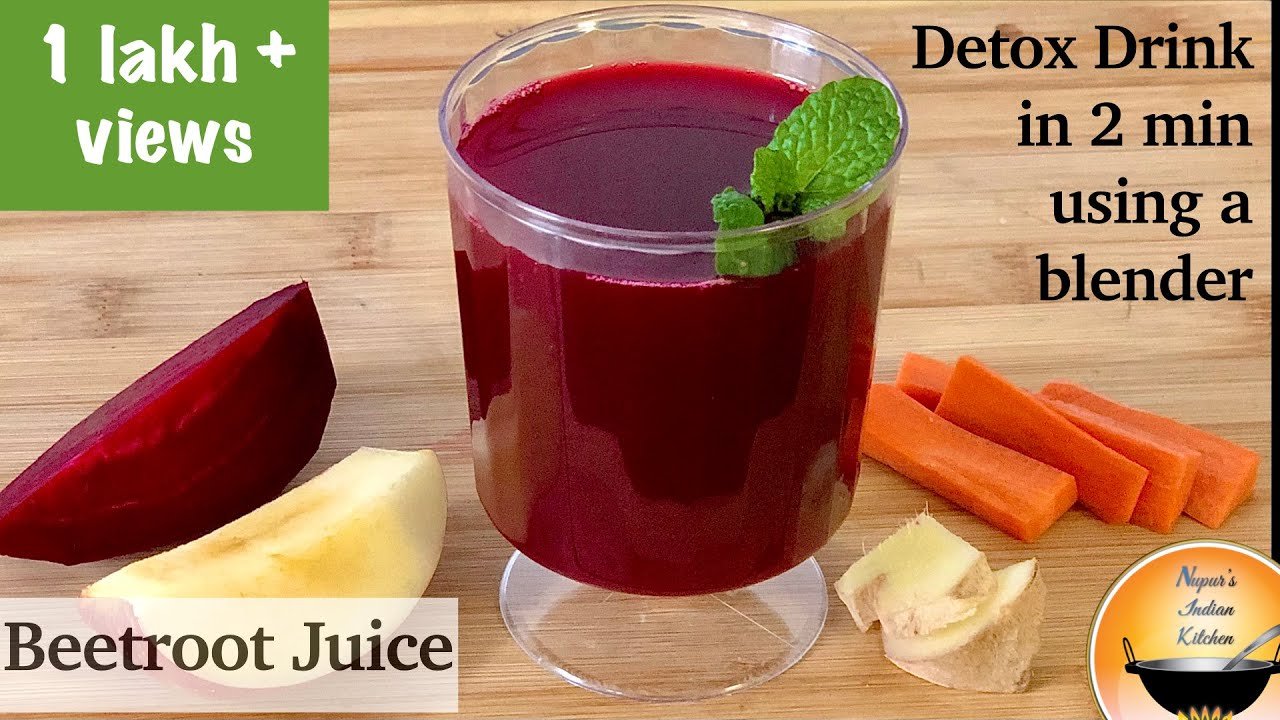
Credit: www.youtube.com
Preparing Beets For Your Juicer
Beet skins are edible, but they can be bitter and hold dirt. Here’s how to get your beets ready:
- Wash thoroughly: Scrub the beets under running water to remove all soil.
- Cut off the greens: Save the leaves for juicing or salads. Trim the root end.
- Peel if desired: For a sweeter juice or if you’re concerned about pesticides, use a vegetable peeler.
- Chop into pieces: Cut the beets into quarters or smaller chunks. This helps your juicer process them more easily.
Tip: Beet juice can stain hands, clothes, and cutting boards. Wear gloves or wash your hands right after handling.
Should You Juice Beet Greens?
Yes! The greens are full of vitamins A, C, and K, plus calcium and iron. They add a slightly bitter, fresh taste that balances the sweetness of the root. If you’re new to beet greens, start with a small amount in your juice.
What Type Of Juicer Works Best?
Not every juicer handles beets the same way. Here’s a quick comparison:
| Juicer Type | Pros | Cons |
|---|---|---|
| Centrifugal | Fast, easy to clean | May leave wet pulp, less juice yield |
| Masticating (Slow) | High juice yield, works well with beets | Slower, usually more expensive |
| Twin Gear | Maximum nutrients, best yield | Most expensive, more parts to clean |
Masticating juicers are often recommended for beets. They crush and press the vegetable, giving you more juice and less waste. However, if you only have a centrifugal juicer, you can still make good beet juice—just expect a bit less liquid.
Credit: nkechiajaeroh.com
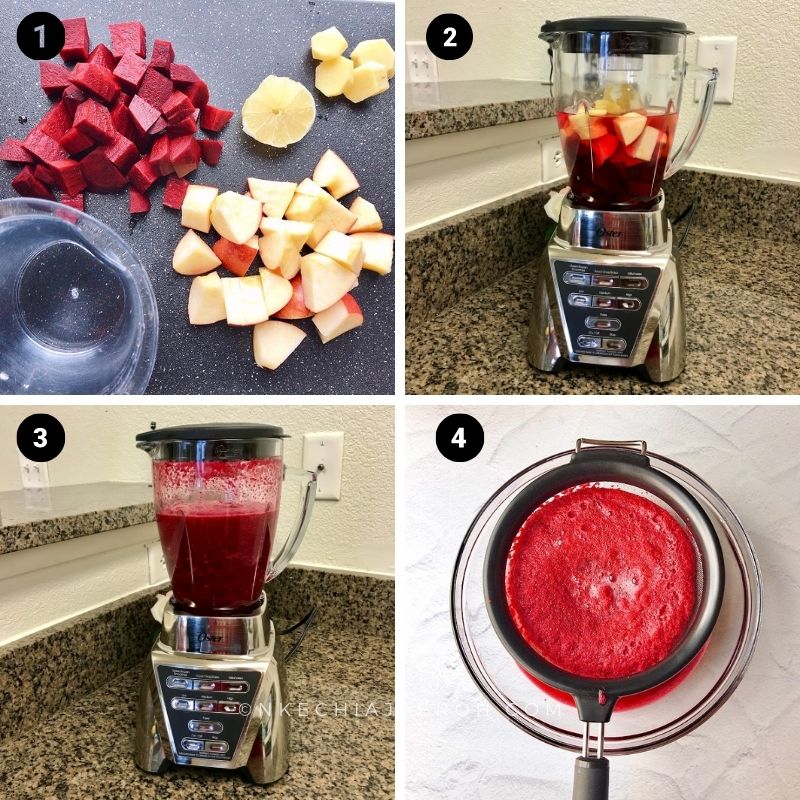
Step-by-step: How to Use Beets in a Juicer
- Choose and prepare your beets (see above).
- Assemble your juicer according to the instructions.
- Feed beet pieces slowly into the juicer. If you go too fast, the juicer may clog or strain.
- Alternate with softer produce. If your recipe includes apples, oranges, or cucumbers, put these in between beet chunks. This helps clean the juicer screen and improves juice flow.
- Collect the juice. Stir before drinking, as beet juice can separate quickly.
- Clean your juicer right away. Beet pigments can stain plastic parts if left too long.
How Much Juice Does One Beet Make?
On average, one medium beet (about 2.5 inches across) yields 1/3 to 1/2 cup of juice. For a full glass (8 oz), you’ll need 2–3 beets, depending on size and juicer efficiency.
Balancing Beet Flavor: Best Ingredients To Add
Pure beet juice is strong and earthy. Most people prefer to mix beets with other fruits or vegetables. Here are some popular combinations:
- Carrot + apple + beet: Sweet and classic.
- Orange + beet: Bright and citrusy.
- Ginger + beet + lemon: Spicy and refreshing.
- Cucumber + beet: Light and cooling.
- Celery + beet: Savory and hydrating.
You can also try adding a handful of spinach or mint for extra nutrients and flavor. The natural sugar in apples, oranges, or pears helps soften beet’s earthy taste.
Example Beet Juice Recipe
- 2 medium beets (peeled and chopped)
- 2 carrots
- 1 apple (core removed)
- 1/2 lemon (peeled)
- 1-inch piece ginger
Process everything through your juicer. Serve over ice for a cooling drink.
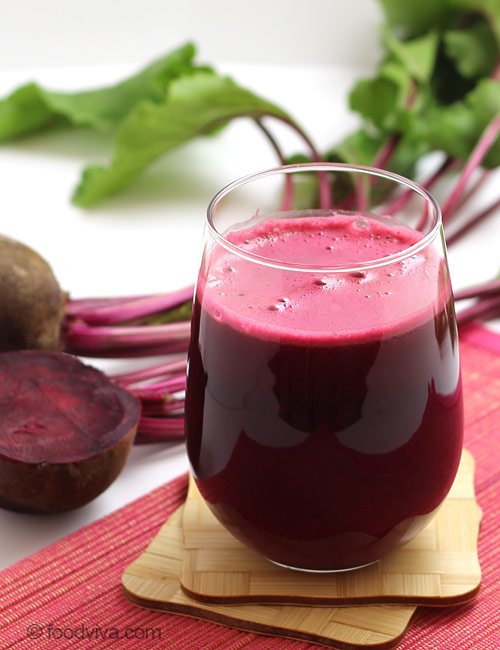
Credit: foodviva.com
Storing And Serving Beet Juice
Fresh beet juice is best enjoyed within 24 hours. Store in a glass jar with a tight lid in the fridge. Shake or stir before drinking, as natural separation occurs.
If you need to keep juice longer, freeze it in small portions. Note that freezing can reduce some nutrients and change the texture, but it’s still a good way to avoid waste.
Practical Tips For Serving
- Serve beet juice cold for the best taste.
- Add a squeeze of lemon or lime for extra freshness.
- If you find beet juice too strong, dilute with water or ice.
- Garnish with a sprig of mint or a thin slice of orange.
Health Benefits Of Beet Juice
Beet juice stands out for its unique health effects. Here are some science-backed benefits:
- Improves blood pressure: The nitrates in beets help widen blood vessels. Studies show that drinking beet juice can lower blood pressure in just a few hours.
- Boosts stamina: Athletes use beet juice to improve endurance and reduce fatigue. One study found that cyclists who drank beet juice were able to ride 15% longer.
- Supports liver health: Compounds in beets help the liver process toxins.
- Rich in antioxidants: Betalains in beets fight inflammation and may help protect against some diseases.
- Supports brain health: Improved blood flow from nitrates may support brain function, especially in older adults.
For more on the science behind beet juice, visit the National Institutes of Health.
Common Mistakes When Juicing Beets
Even experienced juicers can run into trouble with beets. Watch out for these mistakes:
- Using too much beet at once: Start with small amounts. High doses can cause stomach upset or a strong detox reaction (“beeturia” can turn urine pink or red—this is harmless but can be surprising).
- Ignoring the greens: Beet leaves are packed with nutrients—don’t toss them out.
- Not peeling old or dirty beets: Skins can add bitterness and carry dirt or pesticides.
- Juicing without balancing flavors: Pure beet juice can taste overpowering. Use apples, carrots, or citrus to round out the flavor.
- Waiting too long to clean the juicer: Beet pigment stains quickly. Rinse and wash your machine right after use.
Insight: Many people forget that beet juice is potent. For beginners, half a beet per serving is enough. You can always add more once you know how your body reacts.
Beet Juice Safety And Side Effects
Beet juice is safe for most people, but there are things to keep in mind:
- Stomach upset: Large amounts can cause gas, cramps, or diarrhea.
- Beeturia: Pink or red urine is common and harmless.
- Kidney stones: Beets are high in oxalates, which may increase the risk of stones in sensitive individuals.
- Blood pressure: If you take medication for blood pressure, talk to your doctor before drinking large amounts of beet juice.
Pregnant and breastfeeding women can enjoy beet juice in moderation, but it’s always smart to check with a healthcare provider.
Cleaning Up: Dealing With Beet Stains
Beet juice stains almost everything it touches. Here’s how to minimize the mess:
- Hands: Rub with lemon juice and wash with soap.
- Cutting boards: Sprinkle with baking soda and scrub.
- Juicer parts: Rinse right away, soak with a little vinegar if needed.
Wear an apron and use a dark towel for drying dishes to keep stains away from clothing and kitchen towels.
Frequently Asked Questions
How Many Beets Should I Juice At Once?
Start with half to one beet per serving, especially if you’re new to beet juice. Too much can cause stomach upset. You can gradually increase as your body gets used to it.
Can I Juice Raw Beets, Or Should I Cook Them?
Always juice raw beets for the best nutrient content and taste. Cooking softens the flavor but destroys some vitamins and enzymes. If you have trouble with raw beet flavor, try mixing with other fruits and vegetables.
Is Beet Juice Safe For Everyone?
Most people can enjoy beet juice safely, but those with kidney stones or low blood pressure should limit intake. Pregnant women can drink it in moderation. Always check with your doctor if you have concerns.
Can I Use Beet Pulp For Anything?
Yes! Beet pulp is high in fiber and can be added to muffins, smoothies, soups, or compost. It’s a great way to reduce waste and add nutrition to other dishes.
How Do I Make Beet Juice Less Earthy?
Mix beets with sweet fruits (like apple or orange) or citrus juice. Adding ginger or lemon also helps cut the earthy taste. Start with less beet and add more as you adjust to the flavor.
Turning beets into juice is a simple way to add color, nutrition, and flavor to your diet. With the right preparation, the correct juicer, and a few smart combinations, you’ll find beet juice can be both delicious and energizing. Don’t be afraid to experiment—your perfect beet juice blend is just a few tries away.