Skip to content
Is Oak Good For Cutting Boards?
Choosing the right wood for a cutting board is important. Whether you cook every day or only sometimes, your cutting board affects your kitchen experience. Many people ask, “Is oak good for cutting boards?” Oak is a popular wood, but is it the best choice for slicing, chopping, and preparing food? Let’s explore oak’s qualities, compare it to other woods, and see if it’s the right fit for your kitchen.
What Makes A Good Cutting Board Wood?
A cutting board faces frequent knife use, moisture, and food residue. Not all woods handle these demands well. Before focusing on oak, let’s understand what makes a wood suitable for cutting boards:
- Hardness: Wood should be hard enough to resist deep cuts, but not so hard that it damages knives.
- Grain structure: Closed grain woods repel moisture and bacteria better than open grain woods.
- Durability: The wood should withstand daily use without splintering or cracking.
- Toxicity: Woods must be food safe, with no toxic chemicals.
- Maintenance: Easy-to-clean woods prevent food stains and smells.
Oak is known for its strength, but does it meet these criteria? First, let’s look at oak’s characteristics.
Oak Wood Properties
Oak is a strong hardwood used for furniture, floors, and barrels. There are two main types: red oak and white oak. Both are widely available in North America and Europe, but they are not identical.
| Property | Red Oak | White Oak |
|---|---|---|
| Hardness (Janka rating) | 1290 | 1360 |
| Grain Type | Open | Closed |
| Water Resistance | Low | High |
| Color | Reddish brown | Light brown |
| Availability | Common | Common |
Red oak has an open grain, which means tiny pores are visible on the surface. This lets water and bacteria in easily. White oak has a tighter grain, so it resists water and bacteria better. Both types are hard enough for cutting boards, but grain structure is a key difference.
How Oak Performs As A Cutting Board
Strength And Hardness
Oak is a hardwood—it resists dents and scratches better than softwoods like pine. The Janka hardness rating (a scale for wood hardness) puts white oak at 1360 and red oak at 1290. This means oak can handle knife impacts without deep gouges. However, it’s not as hard as maple or walnut, which are favorites for cutting boards.
Grain And Hygiene
The grain structure matters for hygiene. Open grain woods (like red oak) have visible pores. These pores can trap food particles, moisture, and bacteria. Cleaning these boards is harder, and over time, they can start to smell or even mold. Closed grain woods (like white oak) offer a smoother surface, so they are safer and easier to sanitize.
Water Resistance
White oak is used for wine barrels because it resists water. Red oak, in contrast, absorbs water easily and can warp or crack if exposed to moisture. Kitchen cutting boards get wet often, so water resistance is important. White oak is better here, but still not as good as maple.
Knife Friendliness
Oak’s hardness is a double-edged sword. It protects the board but can dull knives faster than softer woods. Chefs prefer woods that are hard enough to last but gentle enough for knives—like maple and walnut.
Comparing Oak To Popular Cutting Board Woods
To see how oak stacks up, let’s compare it to other common cutting board woods: maple, walnut, and bamboo.
| Wood Type | Hardness (Janka) | Grain Structure | Water Resistance | Knife Friendliness |
|---|---|---|---|---|
| Maple | 1450 | Closed | High | Excellent |
| Walnut | 1010 | Closed | High | Excellent |
| Bamboo | 1380 | Closed | High | Good |
| Red Oak | 1290 | Open | Low | Average |
| White Oak | 1360 | Closed | Medium | Average |
Maple is considered the gold standard. It’s hard, closed grain, and gentle on knives. Walnut is softer but still closed grain and easy to clean. Bamboo is technically a grass, but it works well as a cutting board. Oak falls somewhere in the middle, but red oak’s open grain is a big drawback.
Advantages Of Oak Cutting Boards
Oak has some strengths that make it appealing:
- Durability: Oak is tough and long-lasting, especially white oak.
- Appearance: Oak boards have a classic, elegant look with rich color and visible grain patterns.
- Availability: Oak is easy to find and often less expensive than maple or walnut.
- Sustainability: Oak trees are widely grown and managed, making oak boards eco-friendly.
If you want a board that looks beautiful and can handle tough use, white oak is a fair option.
You might find this helpful: Best Wooden Cutting Boards
Drawbacks And Risks Of Oak Cutting Boards
Despite its strengths, oak has several weaknesses for kitchen use:
- Open grain issues: Red oak’s open grain traps bacteria and moisture, making it unsafe for food prep.
- Water absorption: Red oak swells, cracks, and warps when wet.
- Maintenance: Oak boards need frequent oiling to prevent drying and cracking.
- Knife dulling: Oak’s hardness can wear down knife edges faster than softer woods.
- Splintering: Oak can splinter if not properly finished, risking injury or wood chips in food.
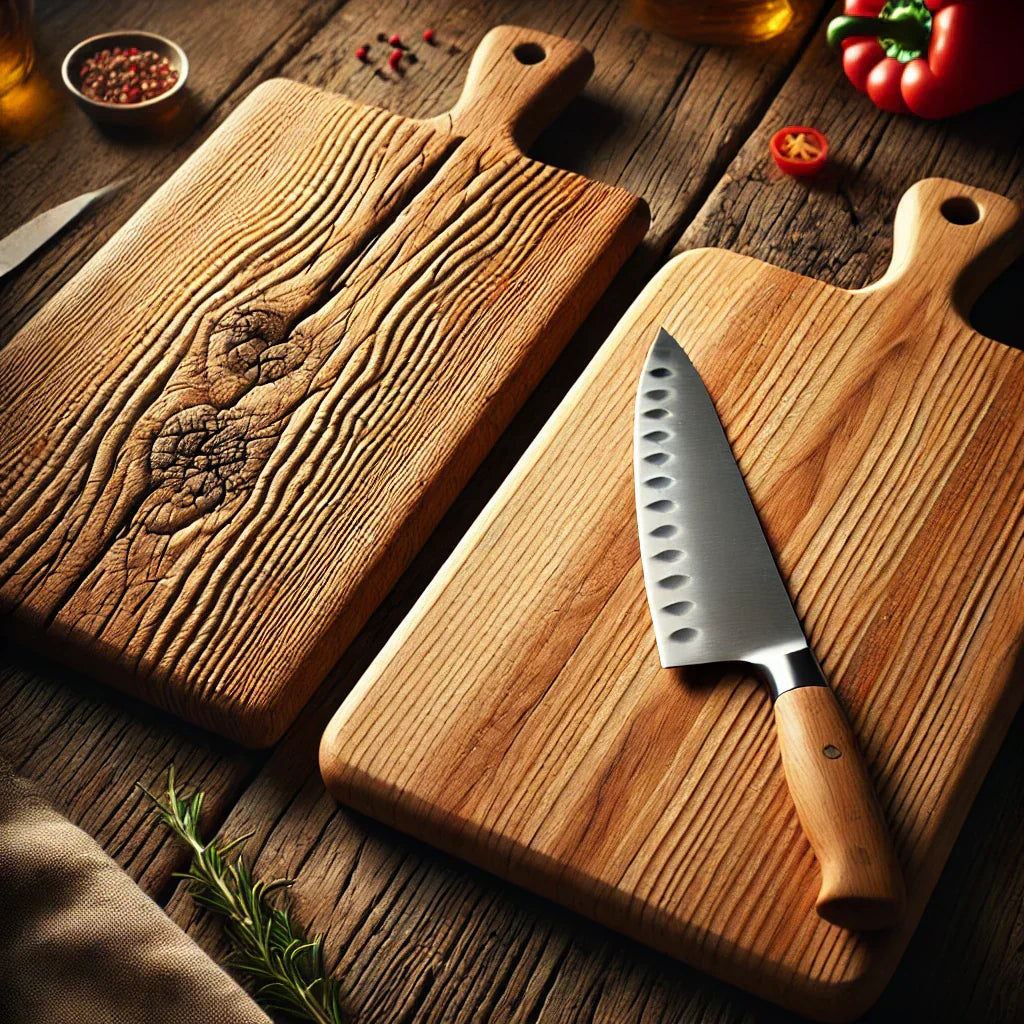
Many experts warn against using red oak for cutting boards, especially for raw meat or wet foods.
Credit: rootstotable.com
Real-life Examples And User Experiences
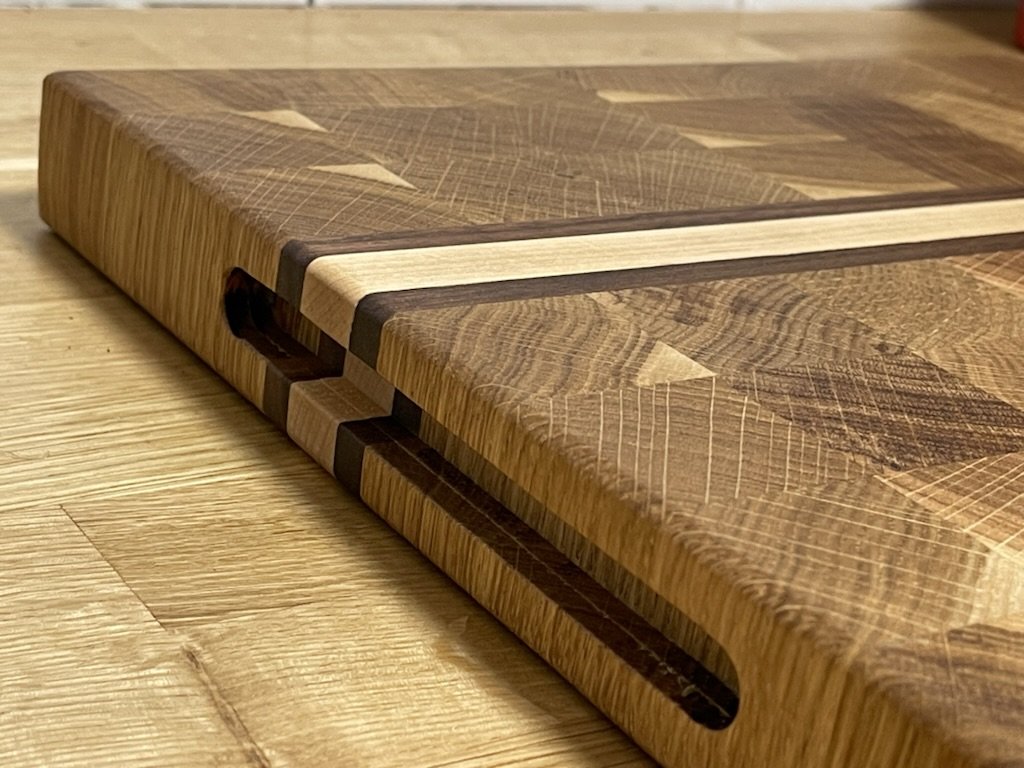
Some woodworkers use white oak for cutting boards, especially end-grain boards. End-grain boards show the wood’s fibers vertically, making them more durable and easier on knives. However, most professionals still choose maple or walnut for hygiene and knife safety.
A chef in a busy kitchen may notice oak boards need more maintenance and become rough or stained over time. Home cooks who use oak boards often report needing extra oil and careful cleaning. On forums, users mention white oak boards lasting several years, but red oak boards developing smells and stains quickly.
Non-obvious Insights For Beginners
- End-grain matters: If you must use oak, choose an end-grain board. These boards are tougher and less likely to splinter, plus they are gentler on knives.
- Finish is crucial: A well-finished oak board (using food-safe oils and waxes) resists moisture much better. But even the best finish cannot fully solve red oak’s open grain problems.
- Don’t use oak for all foods: If you use an oak board, avoid cutting raw meat or fish. Stick to bread, cheese, or dry vegetables to reduce hygiene risks.

Credit: treeboard.com
Practical Tips For Oak Cutting Board Owners
- Oil regularly: Use mineral oil or beeswax every month to keep the board hydrated and prevent cracks.
- Clean carefully: Wash oak boards by hand—never soak or put them in the dishwasher.
- Dry immediately: After washing, dry the board right away to prevent warping.
- Sand rough spots: If splinters appear, sand them gently with fine-grit sandpaper and re-oil.
- Rotate boards: Use oak boards for dry foods and keep a separate board for wet or raw foods.
Oak Cutting Board Maintenance Compared To Maple
Here’s a quick look at care routines for oak vs. maple boards:
| Maintenance Task | Oak Board | Maple Board |
|---|---|---|
| Oiling Frequency | Monthly | Every 2-3 months |
| Cleaning | Hand wash only | Hand wash only |
| Drying | Immediate | Immediate |
| Resurfacing | Yearly | Every 2 years |
| Stain Removal | More frequent | Less frequent |
Oak boards require more attention. Maple boards are easier to maintain and last longer with less work.
When Oak Might Be A Good Choice
Oak is not the first pick for cutting boards, but there are times it might work:
- Decorative boards: Oak’s grain and color look beautiful for serving boards or cheese trays.
- Dry food prep: If you only cut bread, cheese, or fruit, oak boards are safe.
- Budget boards: Oak is often cheaper than maple or walnut.
- DIY projects: Woodworkers may use white oak for custom boards, but should avoid red oak.
If you want a board that looks good and won’t see heavy use, white oak can be fine.
Alternatives To Oak Cutting Boards
Most experts recommend maple, walnut, or bamboo for daily kitchen use. These woods offer:
- Better hygiene: Closed grain prevents bacteria.
- Greater knife safety: Softer woods protect knife edges.
- Less maintenance: Easy to clean and oil.
For a reliable, safe cutting board, choose one of these alternatives.
Credit: thefinch.co.uk
Frequently Asked Questions
Is Oak Safe For Cutting Boards?
White oak is safe if finished well and used for dry foods. Red oak is not recommended due to its open grain, which can trap bacteria and moisture.
Does Oak Make Knives Dull Faster?
Oak is harder than walnut and similar to maple. It can dull knives slightly faster, especially if the board is not end-grain. Regular knife sharpening is needed.
How Can I Make An Oak Cutting Board Last Longer?
Oil it monthly, avoid soaking, dry it immediately, and sand rough spots. Use food-safe finishes to protect the wood.
Can I Use Oak Boards For Raw Meat?
It’s best to avoid using oak boards for raw meat. The open grain (especially in red oak) can trap bacteria, leading to hygiene problems. Use maple or plastic boards for meat.
What Is The Best Alternative To Oak For Cutting Boards?
Maple is the top choice for most kitchens, offering durability, hygiene, and knife safety. Walnut and bamboo are also excellent alternatives.
Oak has its strengths, but it’s not the ideal wood for cutting boards. If you care about hygiene, knife safety, and easy maintenance, look for closed grain woods like maple or walnut. Oak works for dry foods or decorative boards, but for heavy kitchen use, stick to safer options. For more on wood types, visit Wikipedia. The right board makes meal prep safer, easier, and more enjoyable.