Skip to content
Cleaning floors is a regular task in homes, offices, and schools. Choosing the right mop can make this job easier, faster, and more effective. Two of the most popular types are microfiber mops and string mops. People often wonder which one cleans better and is easier to use.
This article compares their cleaning performance, explains their strengths and weaknesses, and helps you decide which mop is best for your needs.
What Makes Microfiber Mops Unique?
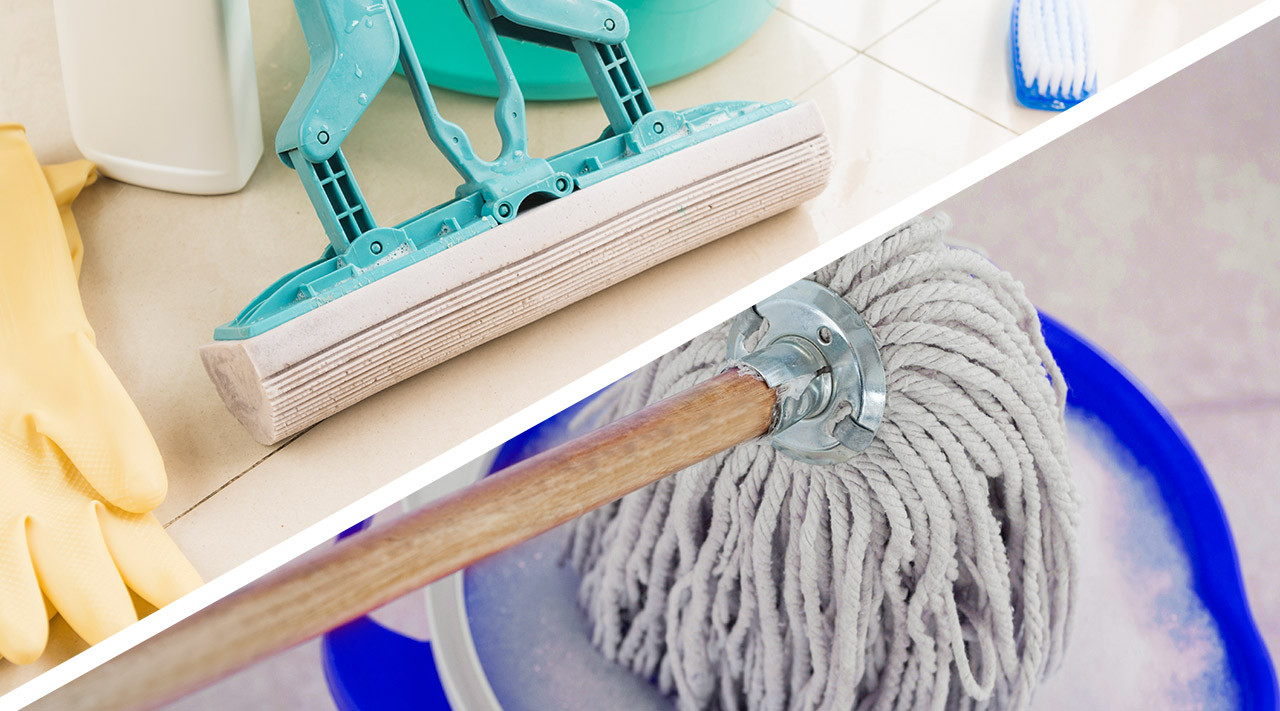
Microfiber mops are made with tiny synthetic fibers, usually polyester and nylon. These fibers are much thinner than human hair, making the mop head soft and dense. Microfiber can grab dirt, dust, and bacteria easily because of its fine structure.
Microfiber mops work well with both dry and wet cleaning. When dry, they attract dust and hair like a magnet. When wet, they clean stains and spills without leaving much water behind. The mop pads are usually flat and rectangular, and many models have removable pads you can wash and reuse.
Some key facts about microfiber mops:
- Microfiber can remove up to 99% of bacteria from surfaces with just water.
- The pads are reusable and can last through hundreds of washes.
- They require less cleaning solution compared to string mops.
Understanding String Mops
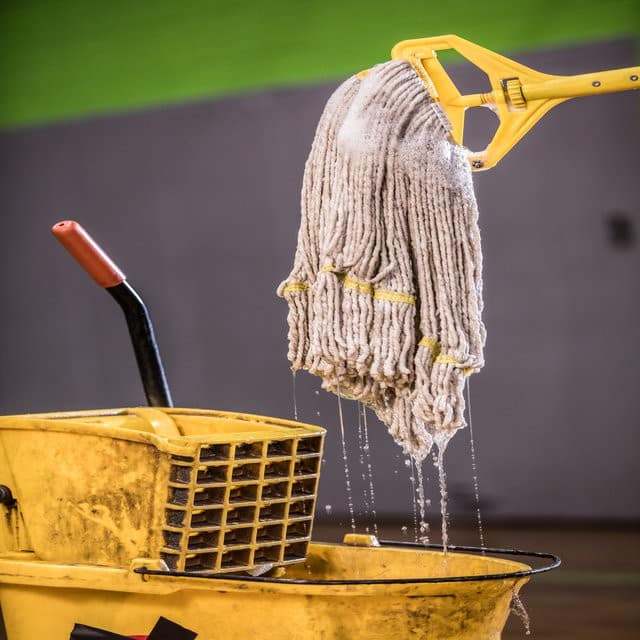
String mops are the classic mop type, found in many homes and businesses. The head is made of thick cotton or rayon strings, bundled together. These mops are designed for deep cleaning and soaking up spills, but they are usually heavier and less flexible.
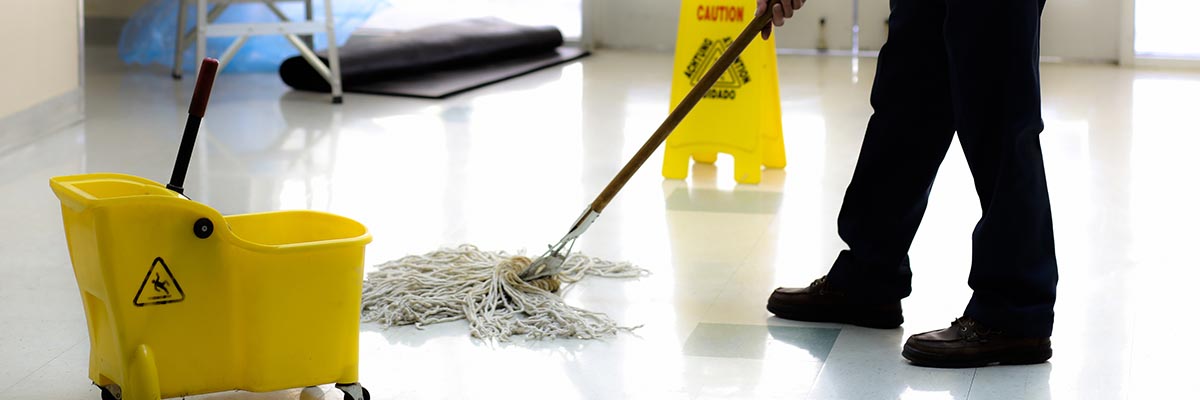
String mops are good for scrubbing tough stains and cleaning large areas with lots of water. They are often paired with a mop bucket and wringer to squeeze out excess liquid. The strings can reach into corners but sometimes leave streaks or lint behind.
Main features of string mops:
- Can absorb a lot of water, making them ideal for heavy-duty cleaning.
- Require more effort to wring out and dry.
- The mop heads need replacing more often, especially if used for dirty jobs.
Credit: thecleaningstation.com
Cleaning Performance: Microfiber Mop Vs String Mop
The most important factor when choosing a mop is how well it cleans. Let’s compare the cleaning performance of each mop across different tasks.
Dirt And Dust Removal
Microfiber mops are known for their superior dust pickup. The tiny fibers create a static charge that attracts fine particles, hair, and allergens. This makes them great for hardwood floors, tile, and laminate, where dust tends to build up.
String mops, on the other hand, struggle with fine dust. Their thick strands push dust around rather than picking it up. They are better for cleaning sticky spills or mud, but often leave residue on smooth floors.
Wet Cleaning And Stain Removal
Microfiber mops excel at wet cleaning. The flat pad spreads water evenly and scrubs surfaces without soaking them. Microfiber pads lift stains easily, and because they use less water, floors dry faster.
String mops are effective for heavy-duty wet cleaning. They hold more water and can mop larger spills. However, they often leave floors wetter, which can be a problem for wood or laminate. They also need more cleaning solution to remove tough stains.
Bacteria And Germ Removal
Studies show that microfiber mops remove more bacteria than string mops. The fibers trap germs and hold them until washed. In fact, microfiber can reduce bacteria by up to 99%, even without chemical cleaners.
String mops depend more on cleaning solution. If not properly rinsed, they can spread germs instead of removing them. Cotton strings also take longer to dry, which can lead to odor and mold growth.
Maneuverability And Ease Of Use
Microfiber mops are lightweight and easy to move. The flat pad design lets you reach under furniture and into corners. Most models have swivel heads and telescopic handles for better control.
String mops are heavier and more difficult to maneuver. The bulky head can be hard to push, especially when wet. Wringing out the mop is tiring, and the strings sometimes get tangled.
Here’s a quick comparison:
| Feature | Microfiber Mop | String Mop |
|---|---|---|
| Dirt Pickup | Excellent | Average |
| Wet Cleaning | Very Good | Good |
| Bacteria Removal | Up to 99% | Depends on solution |
| Maneuverability | Easy | Moderate |
| Water Use | Low | High |
Durability And Maintenance
Durability is important when picking a mop. Microfiber pads are designed to be washed and reused. Most can last 200–500 washes without losing performance. They are easy to remove and clean in a washing machine.
String mop heads wear out faster. Cotton and rayon absorb water, but they break down with repeated use. Mop heads often need replacing every few months, especially after tough cleaning jobs. Washing string mop heads is more difficult, and they can develop smells over time.
Maintenance tasks for each mop:
- Microfiber: Remove pad, wash in machine, air dry.
- String mop: Rinse after use, wash by hand or in machine, replace head when worn.
A direct durability comparison:
| Durability Factor | Microfiber Mop | String Mop |
|---|---|---|
| Washable | Yes (Machine) | Yes (Hand/Machine) |
| Reusable | 200–500 times | 20–50 times |
| Head Replacement | Rarely | Often |
| Odor Resistance | High | Low |
Credit: usa.ungerglobal.com
Cost And Value
While microfiber mops cost more upfront, they last longer and need fewer replacements. A good microfiber mop can cost $20–$40, but the reusable pads save money over time. String mops are cheaper ($10–$25), but the heads wear out quickly.
Consider these points:
- Microfiber mop pads are reusable, lowering long-term costs.
- String mop heads need replacing, adding to the total expense.
- Microfiber mops use less cleaning solution, saving money.
- String mops often require special buckets for wringing.
A hidden cost beginners miss: the price of cleaning solutions. Microfiber mops work well with just water, while string mops usually need detergents. Over a year, this can add up.
Environmental Impact
Microfiber mops are more eco-friendly. They use less water and fewer chemicals. The pads last longer, reducing waste. However, washing microfiber releases microplastics into the environment. Using a washing bag can reduce this effect.
String mops are made from natural fibers, which are biodegradable. But they use more water and chemicals, and the frequent replacement creates more waste.
Environmental tips:
- Wash microfiber pads in a bag to catch microplastics.
- Replace string mop heads responsibly.
- Use less cleaning solution to protect water sources.
Real-world Examples
Let’s look at how these mops perform in actual cleaning situations.
Microfiber Mop Example:
A school custodian switched to microfiber mops for daily cleaning. They noticed cleaner floors, less dust, and fewer complaints about allergies. The mop pads lasted six months before needing replacement, and chemical use dropped by 60%.
String Mop Example:
A restaurant used string mops for heavy spills after closing. The mops absorbed large amounts of water and could handle greasy floors. However, staff reported tired arms, and mop heads needed replacing every two months.
These examples show that microfiber mops are better for everyday cleaning, while string mops are suited for big spills and deep scrubbing.
Choosing The Right Mop For Your Needs
Picking the best mop depends on your floors, cleaning habits, and budget.
- If you need to clean dust and light spills every day, microfiber mops are ideal.
- For heavy-duty jobs with lots of water, string mops are better.
- If you want to save money and reduce waste, choose microfiber.
- If you prefer natural materials and don’t mind replacing the head, string mops work.
Common mistakes:
- Using string mops on delicate floors can leave scratches.
- Not washing microfiber pads often enough leads to lower performance.
- Forgetting to wring string mops properly can leave floors wet and slippery.
A quick guide for choosing:
| Cleaning Need | Best Mop |
|---|---|
| Daily dust and hair | Microfiber mop |
| Large spills | String mop |
| Stain removal | Microfiber mop |
| Deep scrubbing | String mop |
| Eco-friendly cleaning | Microfiber mop |
Credit: www.hillyard.com
Frequently Asked Questions
Is Microfiber Mop Better Than String Mop For Wood Floors?
Yes, microfiber mops are safer for wood floors. They use less water, prevent streaks, and do not scratch the surface. String mops can leave floors wet, which may damage wood over time.
How Often Should I Wash A Microfiber Mop Pad?
Wash microfiber pads after every use for best cleaning performance. Most pads can handle 200–500 washes before needing replacement.
Can String Mops Remove Bacteria As Well As Microfiber Mops?
String mops rely on cleaning solution to kill bacteria, while microfiber mops trap and remove germs with their fibers. Studies show microfiber mops remove up to 99% of bacteria without chemicals.
Are Microfiber Mops Cost-effective Compared To String Mops?
Microfiber mops cost more upfront but last longer. Their reusable pads and low chemical use make them more cost-effective over time than string mops, which require frequent head replacements.
Do Microfiber Mops Release Microplastics Into Water?
Yes, washing microfiber pads can release microplastics. Use a special washing bag to reduce pollution. This is a concern, but the overall environmental impact is lower compared to string mops.
Switching to the best mop for your needs can save time, effort, and money. If you want clean floors with less work, microfiber mops are the top choice for most homes and businesses. For big spills and tough jobs, string mops still have their place. Choose wisely, clean smart, and enjoy fresher floors every day. For more scientific data on cleaning, visit Wikipedia.