Skip to content
Choosing between a slow cooker and a pressure cooker is a common dilemma in many kitchens today. Both appliances promise to make cooking easier, but they work in very different ways. If you’re looking to save time, eat healthier, or just enjoy delicious home-cooked meals, understanding the differences between these two kitchen tools is key. This guide will break down how each works, what types of dishes they excel at, and help you decide which is right for your needs.
How Slow Cookers Work
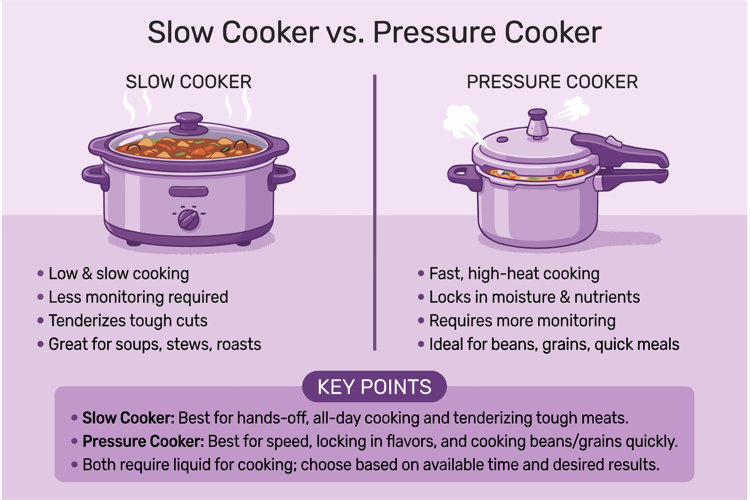
A slow cooker is a countertop appliance that cooks food at a low temperature for a long time, usually 4 to 10 hours. You simply put your ingredients into the pot, set the heat (low or high), and walk away. The gentle heat slowly breaks down tough ingredients, making it ideal for dishes like stews, soups, and pulled meats.
Benefits Of Slow Cooking
- Hands-off cooking: You can set it up in the morning and return to a hot meal in the evening.
- Tender results: It’s perfect for tough cuts of meat. The long, slow heat makes them soft and flavorful.
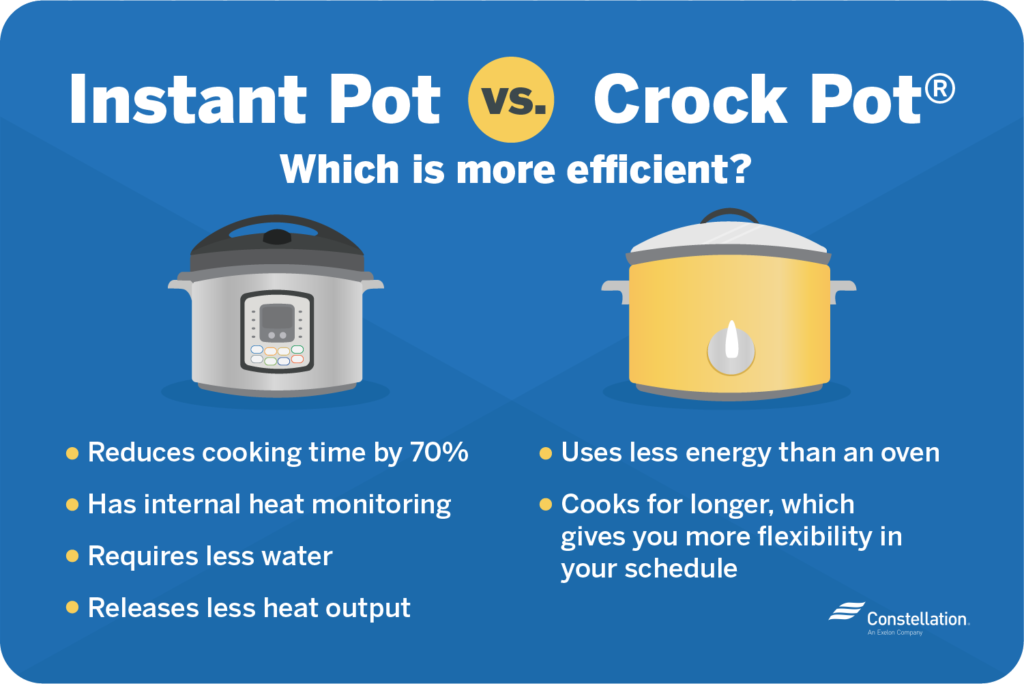
- Energy efficient: Uses less electricity than an oven.
- Great for meal planning: Cooks large batches, making it easy to prepare food ahead of time.
Limitations Of Slow Cookers
- Takes a long time: Meals aren’t ready quickly. Most recipes take 6–8 hours.
- Not ideal for all dishes: Crispy or fried foods don’t work well.
- Limited adjustments: Once cooking starts, you shouldn’t open the lid, or you’ll lose heat and slow down the process.
How Pressure Cookers Work
A pressure cooker uses steam under high pressure to cook food much faster than traditional methods. By sealing in steam, it raises the boiling point of water and reduces cooking time dramatically. Modern electric pressure cookers, like the Instant Pot, have made this method much safer and more accessible.
Benefits Of Pressure Cooking
- Fast results: Meals that take hours in an oven or slow cooker can be done in 30 minutes or less.
- Energy savings: Shorter cooking times mean less power used.
- Versatile: You can cook grains, beans, meats, and even desserts.
- Better nutrient retention: Quick cooking can help keep more vitamins in your food.
Limitations Of Pressure Cookers
- Learning curve: You need to understand how to use and release pressure safely.
- Can overcook easily: Because cooking is so fast, you have to watch the time closely.
- Not great for all textures: Some foods, like breaded items, may get soggy.
Key Differences Between Slow Cookers And Pressure Cookers
The table below highlights some of the most important differences:
| Feature | Slow Cooker | Pressure Cooker |
|---|---|---|
| Cooking Time | 4–10 hours | 20–60 minutes |
| Texture | Tender, soft, rich flavors | Moist, sometimes softer, less caramelization |
| Best For | Stews, roasts, soups | Beans, rice, tough meats, quick meals |
| Ease of Use | Very easy, set and forget | Moderate, needs attention to time and pressure |
| Energy Use | Low, over long time | Low, over short time |
Types Of Dishes You Can Make
With A Slow Cooker
Slow cookers are famous for their ability to turn simple ingredients into rich, hearty meals. Here are some favorites:
- Pulled pork: Pork shoulder cooks for 8 hours and falls apart perfectly.
- Chili: Beans and ground meat simmer all day for deep flavor.
- Pot roast: Tough beef becomes fork-tender with vegetables.
- Soup: Lentil, chicken noodle, and vegetable soups develop great taste.
With A Pressure Cooker
Pressure cookers shine with foods that normally take a long time:
- Beans: Dry beans are ready in 30 minutes, no soaking required.
- Brown rice: Cooks in 20 minutes instead of 45.
- Stew: Beef stew can be ready in under an hour.
- Chicken curry: Juicy chicken in a rich sauce in 20 minutes.
Safety: What You Need To Know
Older pressure cookers had a reputation for being risky. Today’s models are much safer, but it’s still important to understand the differences.
| Safety Feature | Slow Cooker | Pressure Cooker |
|---|---|---|
| Automatic Shutoff | Yes, on most models | Yes, on most models |
| Steam Release | Not needed | Manual or automatic pressure release valve |
| Burn Risk | Low, outside stays warm | Medium, hot steam can escape if not careful |
| Food Overflows | Rare | Possible if overfilled |
Key insight: Many beginners forget to check the sealing ring on pressure cookers. A worn or misaligned ring can cause leaks or prevent pressure from building. Always inspect it before use.
Taste And Texture: What To Expect
Slow cookers create deep, well-blended flavors because the ingredients simmer for hours. The texture is soft, and sauces become thick and rich.
Pressure cookers, on the other hand, keep more moisture and cook food quickly. This can mean flavors are a bit lighter, and certain dishes may be less thick unless you reduce the sauce after cooking.
Pro tip: To get a thicker sauce in a pressure cooker, use the sauté function after pressure release to boil off extra liquid.
:max_bytes(150000):strip_icc()/sea-pressure-cookers-primary-nsimpson-59-6a0c8fce33fc41cf9cc55710bca76c4a.jpeg)
Credit: www.seriouseats.com
Cost Comparison
Both slow cookers and pressure cookers are affordable. Entry-level models for each usually start around $30–$50, while advanced pressure cookers (like the Instant Pot) can cost $70–$150.
But there’s another cost to consider: time value. If you value time, a pressure cooker may be worth the higher price.
Here’s a quick comparison:
| Appliance | Average Price Range | Estimated Lifetime | Electricity Cost (per use) |
|---|---|---|---|
| Slow Cooker | $30–$80 | 5–10 years | ~10–20 cents |
| Pressure Cooker | $50–$150 | 5–10 years | ~5–10 cents |
Which Is Healthier?
Both appliances can help you cook healthier meals, but in slightly different ways.
- Slow cookers are great for making vegetable-heavy dishes with minimal oil.
- Pressure cookers preserve more vitamins, especially in vegetables, because of the shorter cooking time.
A unique point many miss: pressure cooking can reduce the presence of certain anti-nutrients in beans and grains, making them easier to digest.
Credit: www.wayfair.com
Convenience And Lifestyle Fit
Think about your daily routine:
- If you’re gone for most of the day and want to come home to a ready meal, a slow cooker is perfect.
- If you need to get dinner done quickly after work, a pressure cooker is the better fit.
Tip: Many modern pressure cookers offer a slow cook mode. However, they don’t always match the results of a dedicated slow cooker. The heat distribution is different, and the insert is often thinner.
Common Mistakes To Avoid
- Overfilling: Pressure cookers should never be filled more than two-thirds full, or half full for foods that expand (like beans). Overfilling can block the vent and be dangerous.
- Opening the lid too early: With slow cookers, each time you lift the lid, you add 20–30 minutes to the cooking time. Resist the urge to check too often.
- Not browning meat: Both appliances benefit from browning meat before cooking. It adds flavor and improves texture.
- Ignoring liquid needs: Pressure cookers need enough liquid to build steam. Slow cookers need less, as liquid doesn’t evaporate much.
Credit: blog.constellation.com
Environmental Impact
Both appliances are more energy efficient than using an oven or stovetop. Because they use lower wattage and focus heat on a small area, you’ll see lower electricity bills. For those conscious of their carbon footprint, either is a smart choice.
Real-world Example: Weeknight Chicken Dinner
Let’s say you want to make a chicken dinner.
- Slow cooker: Add chicken, potatoes, carrots, and herbs in the morning. After 8 hours, the chicken will be tender and the veggies soft.
- Pressure cooker: Sauté chicken and veggies for a few minutes, add liquid, then cook under pressure for 10–15 minutes. The meal is done in under 30 minutes.
If you forget to plan ahead, the pressure cooker saves the day. But if you enjoy the anticipation and want to fill your home with comforting smells, the slow cooker wins.
Should You Buy Both?
Some home cooks find having both is ideal. The slow cooker is great for planning ahead and batch cooking, while the pressure cooker shines for quick meals and last-minute decisions. If you have to pick one, let your lifestyle and favorite recipes guide your choice.
For more detailed technical information, check the Wikipedia entry on slow cookers.
Frequently Asked Questions
Can I Use A Pressure Cooker As A Slow Cooker?
Most modern electric pressure cookers have a slow cook function. However, the results may differ from a dedicated slow cooker because of different heat distribution. If you only have space or budget for one, it’s a reasonable compromise, but not a perfect replacement.
Which Appliance Uses More Electricity?
Both use less electricity than an oven. Pressure cookers use slightly less because they cook faster, but the difference is small for most households. Over a month, the cost savings aren’t usually significant.
Is It Safe To Leave A Slow Cooker On While I’m Not Home?
Yes, slow cookers are designed for unattended cooking. Make sure the appliance is in good working condition, and keep it on a stable surface away from walls and flammable items.
What Dishes Are Not Suitable For A Pressure Cooker?
Foods that need crispiness or caramelization, like fried chicken or certain baked goods, don’t work well in a pressure cooker. Also, dairy-heavy recipes can curdle under pressure, so add milk or cheese after cooking.
How Do I Avoid Bland Food In A Slow Cooker?
To boost flavor, brown meats and sauté onions or garlic before adding them. Use bold seasonings, and don’t forget to taste and adjust salt and acid (like lemon juice or vinegar) at the end.
Whether you’re looking for convenience, speed, or rich flavors, both slow cookers and pressure cookers have a place in the modern kitchen. Choosing the right one depends on your lifestyle and favorite meals, but with either, you’ll enjoy more home-cooked food with less effort.