Skip to content
Finding the best way to keep your drinks hot or cold isn’t always simple. If you’ve shopped for a Thermos or an insulated water bottle, you might wonder, “Aren’t they basically the same thing?” While both are designed to control temperature, their differences can affect your daily routine, health, and even your wallet. Whether you’re a student, athlete, office worker, or someone who just enjoys fresh water or hot coffee, understanding the unique traits of each can help you choose smarter.
Let’s break down the real differences—without jargon—so you can pick what suits your lifestyle.
What Is A Thermos?
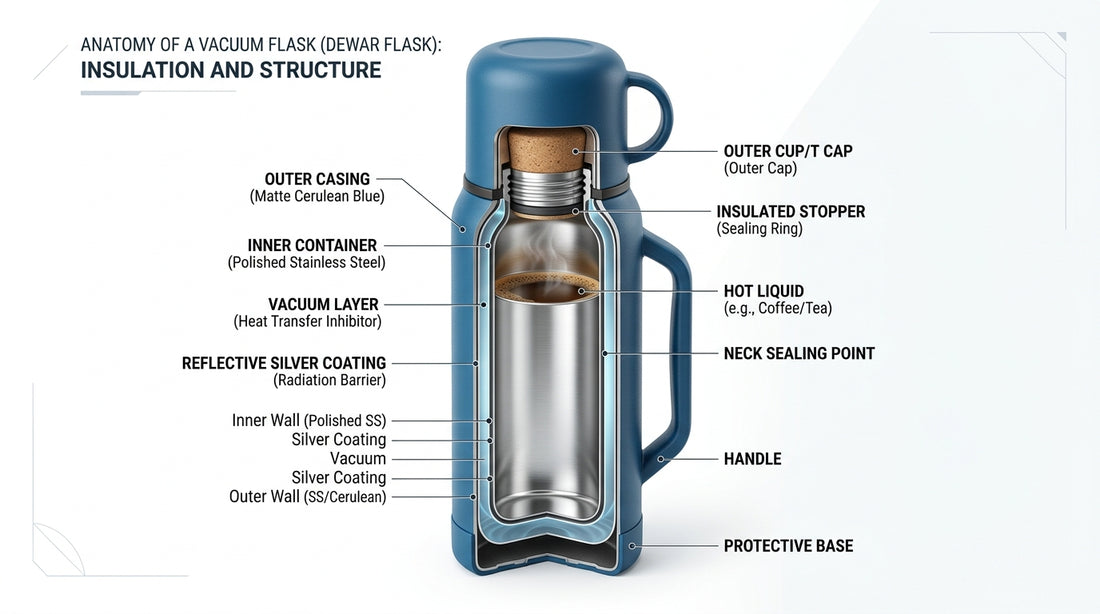
A Thermos is more than just a brand name. It’s a type of bottle or container made with special technology to keep liquids hot or cold for hours. Most Thermos products use vacuum insulation. This means there are two walls with a gap (vacuum) between them, which stops heat from moving in or out.
Thermoses were first invented in the early 1900s and became popular for carrying hot coffee, soup, or cold drinks. They usually have a tight lid, sometimes with a cup or bowl attached. Many Thermos containers are made of stainless steel, though some cheaper models use plastic.
Key Features Of A Thermos
- Keeps drinks hot or cold for a long time (often 12–24 hours)
- Leak-proof design
- Often includes a pour-through stopper or built-in cup
- Durable, especially stainless steel models
- Usually heavier than regular bottles
What Is An Insulated Water Bottle?
An insulated water bottle uses similar technology to keep liquids cold or hot, but it’s designed mainly for water and everyday drinks. Brands like Hydro Flask, Yeti, and Contigo have made these bottles popular with students, gym-goers, and travelers.
Most insulated bottles use double-wall insulation (sometimes vacuum, sometimes foam). They focus on keeping your drink’s temperature steady, but usually, they’re lighter and shaped for easy carrying. They may not keep drinks hot as long as a Thermos, but they do well for cold water.
Key Features Of Insulated Water Bottles
- Maintains cold (and sometimes hot) drinks for hours (usually 8–18 hours)
- Slim, easy-to-carry design
- Wide variety of sizes and colors
- Often includes sport caps or straw lids
- Lighter and more portable than Thermos
:max_bytes(150000):strip_icc()/faw-tier-3-primary-best-insulated-water-bottles-nsimpson-2238-1-b97b8b83e7d849d884ba5fe0c464a7a6.jpeg)
Credit: www.foodandwine.com
Comparing Thermos Vs Insulated Water Bottle
To see the differences clearly, let’s compare important points side by side.
| Feature | Thermos | Insulated Water Bottle |
|---|---|---|
| Primary Use | Hot & cold drinks, soups, food | Cold & hot drinks, mainly water |
| Insulation Type | Vacuum insulation (double-wall) | Double-wall (vacuum or foam) |
| Temperature Retention | 12–24 hours | 8–18 hours |
| Weight | Heavier | Lighter |
| Lid Type | Pour-through, cup, screw cap | Sport, straw, flip, screw cap |
| Material | Stainless steel, plastic | Stainless steel, plastic |
| Shape | Wide, sometimes bulky | Slim, bottle-like |
| Cleaning | More parts, harder to clean | Simpler, easier to clean |
| Price Range | $15–$60 | $10–$50 |
Insulation Performance: Hot Vs Cold
The main job of both Thermos and insulated bottles is to keep drinks at the desired temperature. But the performance can vary.
A high-end Thermos can keep soup hot for up to 24 hours. Insulated water bottles usually keep water cold for 12–18 hours and hot for 6–12 hours. This difference matters if you want to drink hot tea after a long shift or ice-cold water during a full day of hiking.
Real-world Example
If you fill a Thermos with coffee at 7 a. m. , you’ll likely have hot coffee at 7 p. m. But if you use a typical insulated water bottle, your coffee may be lukewarm after 10 hours. For cold drinks, both do well, but Thermos keeps ice from melting longer.
Data Snapshot
According to a test by Consumer Reports, the Thermos Stainless King kept drinks hot for 18 hours, while the Hydro Flask insulated bottle kept drinks hot for about 10 hours. For cold retention, both kept water icy for over 12 hours.
:max_bytes(150000):strip_icc()/alr-tier-3-primary-best-insulated-water-bottles-nsimpson-3062-82b0718ebcd04178996aa65326df7c26.jpeg)
Credit: www.allrecipes.com
Material And Durability
Both Thermos and insulated water bottles come in stainless steel and plastic versions, but there are key differences.
Stainless steel Thermos are built to last. They resist dents, rust, and can handle rough use. Insulated water bottles are also strong, but their lighter build can mean less protection if dropped. Plastic versions are cheaper but can crack or absorb smells.
Health And Safety
Stainless steel is safe for hot liquids, doesn’t leach chemicals, and is easy to clean. Plastic bottles may contain BPA, which can be harmful. Always check for BPA-free labels when buying plastic bottles.
Design And Portability
Insulated water bottles are designed for portability. They often fit in cup holders, backpack pockets, or bike cages. Many have sport caps or straws for quick sipping.
Thermos containers can be bulky. Their wider shape is great for soup or meals, but not for fitting in standard holders. Some Thermos models have handles or straps, but they’re still heavier.
Table: Portability Comparison
| Model | Weight (16 oz) | Fits Cup Holder? | Handle/Strap |
|---|---|---|---|
| Thermos Stainless King | 18 oz | No | Yes |
| Hydro Flask Standard | 10 oz | Yes | No |
| Contigo Chill | 12 oz | Yes | No |
Lid Types And Drinking Experience
The lid design affects how you drink and how well the bottle seals. Thermos lids are often screw-on, with a cup or a pour-through stopper. This helps keep heat but makes it slower to pour or drink directly.
Insulated water bottles offer flip lids, straws, and sports caps. These are made for fast, one-handed drinking. If you like sipping water during exercise or driving, an insulated bottle is more convenient.
Common Mistake
Many people buy a Thermos for water but find the lid awkward for quick drinking. It’s better to use Thermos for hot liquids or food, and stick with insulated bottles for water.
Cleaning And Maintenance
Thermos containers often have several parts—lid, stopper, cup—that need cleaning. Some are dishwasher safe, but many require hand washing to avoid damage. Insulated water bottles usually have fewer parts and are easier to clean. Wide-mouth bottles make it simple to add ice and scrub inside.
Practical Tip
If you use your bottle for sticky drinks (like juice or smoothies), pick a wide-mouth insulated water bottle. It’s easier to reach inside and clean thoroughly.
Credit: instacuppastore.com
Price And Value
Thermos and insulated water bottles come in many price ranges. Thermos products are usually a bit more expensive, especially for larger sizes or advanced insulation. Insulated bottles are affordable, with many good options under $30.
Table: Price Range By Brand
| Brand | Type | Average Price (16–24 oz) |
|---|---|---|
| Thermos | Vacuum Bottle | $25–$50 |
| Hydro Flask | Insulated Water Bottle | $30–$45 |
| Yeti | Insulated Water Bottle | $35–$50 |
| Contigo | Insulated Water Bottle | $15–$30 |
Use Cases: Which Is Right For You?
Choosing between a Thermos and an insulated water bottle depends on your daily needs.
- For hot drinks and food: A Thermos is best. It keeps soup, coffee, or tea hot for long hours.
- For cold water and sports: Insulated water bottles are lighter, easier to drink from, and fit in holders.
- For travel and hiking: Thermos works well if you need hot food. Insulated bottles are better for cold drinks and quick sips.
- For kids and students: Insulated bottles are safer, lighter, and easy to clean.
- For office or home: Either works, but Thermos is better for hot drinks, while insulated bottles are good for water.
Non-obvious Insight
Many people overlook the taste factor. Insulated water bottles can sometimes give a metal taste, especially in cheaper models. Thermos containers, with their tighter seal, rarely affect taste but may be harder to clean, which can lead to odors if not washed often.
Another detail: Some insulated water bottles have powder-coated exteriors for grip and style. Thermos containers usually have polished or brushed surfaces, which can be slippery if wet.
Environmental Impact
Both Thermos and insulated bottles reduce single-use plastic waste. Stainless steel bottles are recyclable and last for years. However, the production of stainless steel uses more energy than plastic. If you care about the environment, choose a durable bottle and use it for many years.
Common Buying Mistakes
- Choosing a Thermos for quick water sips (not ideal)
- Buying a plastic bottle without checking for BPA-free label
- Picking a bottle based only on looks, ignoring insulation performance
- Not considering cleaning difficulty (especially for sticky drinks)
Expert Guidance
If you want maximum heat retention and plan to carry food or hot drinks, invest in a quality Thermos. If your priority is easy drinking and portability, go for an insulated water bottle with a sport cap or straw lid. For best results, check reviews and real-world tests before buying.
If you want to see more scientific details about insulation, visit Wikipedia.
Frequently Asked Questions
What Is The Main Difference Between Thermos And Insulated Water Bottle?
The main difference is the purpose and insulation strength. Thermos is designed for keeping hot drinks and food hot longer, while insulated water bottles are made for cold drinks and quick sips.
Can I Use A Thermos For Water?
Yes, but the lid design may not be convenient for fast drinking. It’s better to use insulated water bottles for water, especially during sports or travel.
How Long Do Thermos And Insulated Water Bottles Keep Drinks Hot Or Cold?
A high-quality Thermos can keep drinks hot for up to 24 hours and cold for up to 24 hours. Insulated water bottles usually keep drinks cold for 12–18 hours and hot for 6–12 hours.
Are Stainless Steel Bottles Better Than Plastic?
Yes. Stainless steel is safer, lasts longer, and doesn’t leach chemicals. Plastic bottles are lighter and cheaper but can crack or absorb smells. Always check for BPA-free plastic.
Which Is Easier To Clean: Thermos Or Insulated Water Bottle?
Insulated water bottles are easier to clean because they have fewer parts and wider mouths. Thermos containers often require more careful cleaning, especially if used for food or sticky drinks.
Making the right choice between a Thermos and an insulated water bottle can save you time, money, and trouble. Think about how you use your bottle daily, what drinks you prefer, and how much convenience matters. With this knowledge, you’ll find the best fit for your needs—whether you want hot soup during winter or cold water during a workout.