Skip to content
Trash Can Recycling And Waste Sorting Tips
Every day, millions of people throw away trash without much thought. But where that waste ends up—and how it is sorted—matters more than you might think. Proper waste sorting helps reduce landfill use, saves resources, and protects the environment. However, even well-meaning people often make mistakes with recycling and trash cans at home, work, or in public. If you want to recycle more effectively and sort your waste like a pro, this guide is for you.
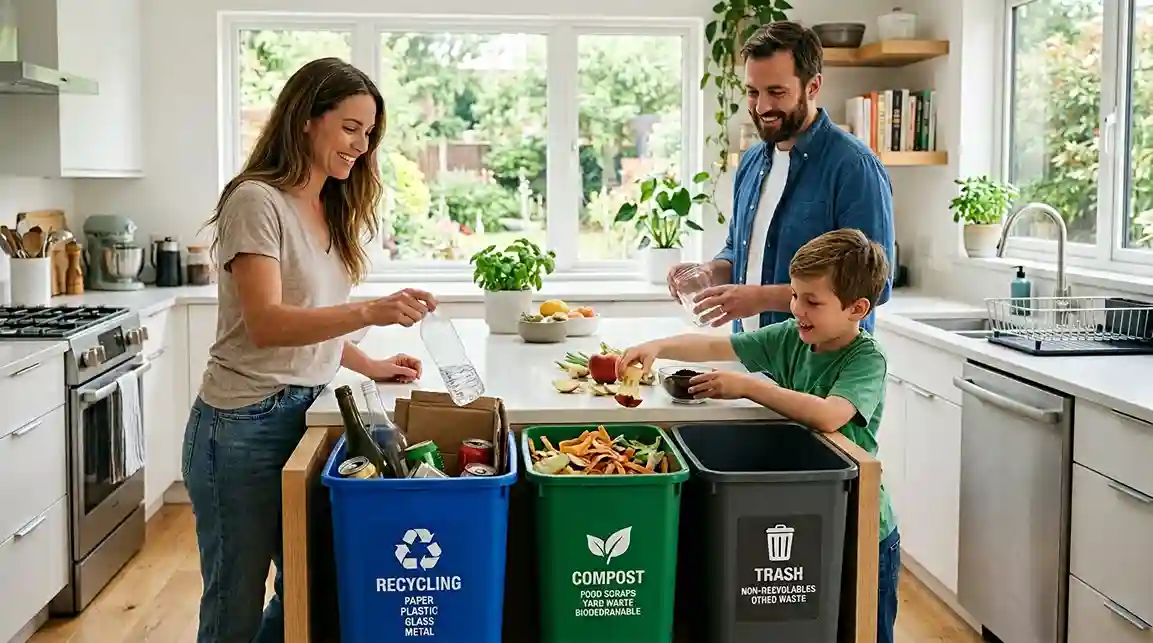
Why Sorting Trash And Recycling Correctly Matters
It’s easy to feel like one person’s effort doesn’t make a difference. But the facts tell a different story. According to the U.S. Environmental Protection Agency (EPA), Americans generated 292.4 million tons of municipal solid waste in 2018—about 4.9 pounds per person per day. Of this, 32% was recycled or composted. When we sort waste correctly:
- Less trash ends up in landfills, which reduces greenhouse gases.
- Recyclables stay clean, making them easier to turn into new products.
- Hazardous items are kept out of the environment.
Even small mistakes, like tossing a greasy pizza box in with paper, can ruin an entire batch of recycling. Learning the basics of waste sorting is a simple way to make a big impact.
Understanding Trash Can Colors And Symbols
Not all trash cans are created equal. Many cities and offices use color-coded bins with different symbols. Here’s what you might see:
| Color | Common Use | Symbol |
|---|---|---|
| Blue | Recyclables (paper, cans, plastics) | Recycling triangle ♻️ |
| Green | Compost/organic waste | Leaf or apple core |
| Black/Gray | General trash/landfill | Trash can icon |
| Red | Hazardous/medical waste | Biohazard symbol |
City programs may use different colors, so check local rules. When in doubt, look for the symbol and read the label.
Key Waste Categories And What Goes Where
Sorting waste starts with understanding the main categories:
- Recyclables: Clean paper, cardboard, certain plastics, glass bottles, and metals like aluminum cans.
- Compostables: Food scraps, coffee grounds, eggshells, yard waste.
- Landfill/Trash: Styrofoam, dirty paper plates, chip bags, broken ceramics.
- Hazardous Waste: Batteries, electronics, paint, chemicals, light bulbs.
Let’s break down some real-life examples:
- Plastic bottles go in recycling, but the plastic bag from your groceries often does not (unless your city allows it).
- Pizza boxes with grease belong in the trash or compost, not paper recycling.
- Eggshells are great for compost, but not recycling.
- Batteries must never go in the trash—they require special drop-off.
How To Set Up A Simple Home Sorting System
Creating an effective sorting system at home doesn’t require expensive tools. Here’s how to get started:
- Pick three bins: One for recycling, one for compost (if available), one for trash.
- Label bins clearly: Use pictures for easy recognition, especially for kids or guests.
- Keep bins side by side: This makes it easy to use the right one.
- Rinse recyclables: Give cans and bottles a quick wash to avoid contamination.
- Keep bags out of recycling: Most recycling centers do not accept plastic bags in curbside bins.
Here’s a comparison of two common home setups:
| Feature | Basic Setup | Advanced Setup |
|---|---|---|
| Bins | Trash, Recycle | Trash, Recycle, Compost, E-waste |
| Labels | Simple text | Text + pictures |
| Location | Kitchen only | Kitchen + bathrooms + garage |
| Compost | Not included | Yes |
Start simple, then add more bins if you find it useful.
Explore this related post: Where to Put Trash Can in Kitchen
Common Recycling Mistakes To Avoid
Even the most careful recyclers make errors. Here are some common pitfalls:
- Wishcycling: Tossing items in the recycling bin because you “hope” they’re recyclable. For example, plastic straws and broken glass usually aren’t.
- Not cleaning containers: Food or drink left in containers can spoil entire batches.
- Bagging recyclables: Most programs require items loose, not in plastic bags.
- Mixing hazardous waste: Never put batteries or electronics in curbside bins.
A less obvious mistake is putting shredded paper in recycling. Most facilities cannot handle it, and it often ends up as trash.
Advanced Tips For Waste Sorting Success
If you want to go beyond the basics, try these advanced strategies:
- Track your waste for a week. Notice what you throw away most and look for alternatives.
- Find specialty recycling for items like textiles, electronics, or batteries. Many stores offer drop-off bins.
- Compost at home if your city does not offer a program. Small bins can fit on a balcony or under the sink.
- Reduce first: Before recycling, ask if you can reuse or avoid an item.
- Educate your family or coworkers with short reminders or fun challenges.
One beginner insight: Not all plastics are equal. Check for recycling numbers (1, 2, 5 are most widely accepted; 3, 6, 7 are often not).
Another tip: Caps and lids should be left on plastic bottles if your program accepts them—this prevents them from getting lost in sorting machines.

Credit: www.honolulu.gov
How Recycling Centers Sort And Process Waste
Ever wonder what happens to your recyclables after pickup? Here’s a simplified look at the process:
- Trucks collect recyclables from homes and businesses.
- At the facility, materials are dumped onto sorting lines.
- Machines and workers separate paper, metals, plastics, and glass.
- Contaminants (like plastic bags or dirty food containers) are removed.
- Clean materials are baled and sold to companies to make new products.
A key fact: Contaminated loads can be rejected, ending up in the landfill. That’s why rinsing and sorting are so important.
What To Do With Hazardous And Special Waste
Some items need special care:
- Batteries and electronics: Most cities have drop-off days or locations. Some stores also collect these.
- Paint and chemicals: Never pour these down the drain. Check for local hazardous waste collection events.
- Light bulbs: CFLs contain mercury and must be handled safely.
If you’re unsure, search your city’s waste management website or check trusted sources like the EPA’s recycling guide.
How To Sort Waste At Work Or School
Offices and schools generate large amounts of waste. Here’s how to improve sorting outside the home:
- Place bins in visible spots: Near printers, in lunch areas, and by exits.
- Use clear signs with images: Help people quickly see what goes where.
- Train staff or students: Quick reminders or emails make a big difference.
- Appoint a recycling “champion”: One person can monitor bins and answer questions.
Some workplaces even track waste reduction and share results to motivate employees.
Comparing Recycling Symbols And Plastic Codes
Not all plastics are the same. Here’s a quick guide to the most common recycling codes:
| Plastic Code | Type | Common Items | Recyclable? |
|---|---|---|---|
| 1 (PETE) | Polyethylene Terephthalate | Water/soda bottles | Yes |
| 2 (HDPE) | High-Density Polyethylene | Milk jugs, detergent bottles | Yes |
| 3 (PVC) | Polyvinyl Chloride | Pipes, clear food wrap | No |
| 4 (LDPE) | Low-Density Polyethylene | Plastic bags, squeezable bottles | Sometimes |
| 5 (PP) | Polypropylene | Yogurt cups, straws | Yes |
| 6 (PS) | Polystyrene | Foam cups, to-go containers | No |
| 7 (Other) | Various | Mixed materials | No |
Always check with your local recycling program, as accepted plastics can vary.

Credit: arigatotravel.com
Small Changes, Big Impact
Even simple changes in how you sort and recycle can add up over time. For example, recycling one aluminum can saves enough energy to run a computer for three hours. If every household recycled just a few more items each week, the environmental benefits would be huge.
Think of waste sorting as a small daily habit with a large ripple effect. Talk to friends and family about what you’ve learned, and encourage them to join you. You’ll be surprised how much you can influence others just by leading by example.
Frequently Asked Questions
What Items Are Most Commonly Recycled?
The most commonly recycled items are paper, cardboard, aluminum cans, glass bottles, and #1 and #2 plastic bottles. These items are widely accepted in most curbside recycling programs.
Can I Recycle Pizza Boxes?
If the pizza box is clean and grease-free, it can go in the recycling bin. If it’s greasy or has food stuck to it, tear off the clean parts for recycling and put the rest in the compost or trash.
Why Are Plastic Bags Not Accepted In Curbside Recycling?
Plastic bags can clog sorting machines at recycling centers, causing delays and damage. Instead, take them to grocery stores that have special collection bins for bags.
What Should I Do With Electronics Or Old Batteries?
Never throw electronics or batteries in the trash. Take them to special drop-off centers or events in your city. Many electronics stores also accept them for recycling.
How Can I Teach Kids About Waste Sorting?
Use colorful bins with pictures and let kids help with sorting. Turn it into a game or give small rewards for good sorting. Start with the basics and add more detail as they get older.
Recycling and proper waste sorting are not just for environmentalists—they are practical actions anyone can take. With a few changes to your routine, you can make a positive difference every day.