Many people worry about the air they breathe at home and work. With rising pollution, allergies, and health concerns, air purifiers are becoming more popular. But what do they really offer? This article breaks down the benefits of air purifiers in clear, simple language. You’ll discover why these devices matter, how they work, and who should consider using one. Whether you live in a busy city or a quiet suburb, understanding air purifiers can help you make better choices for your health and comfort.
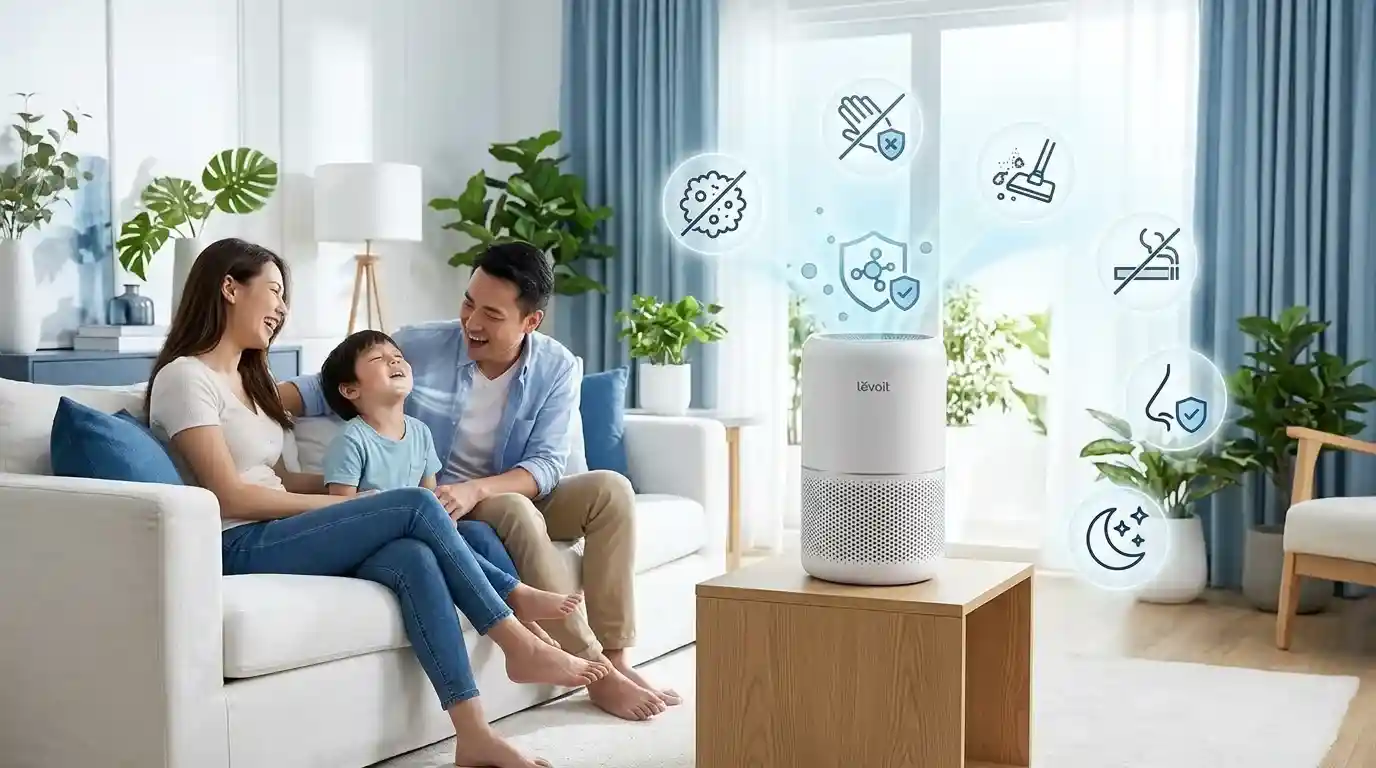
How Air Purifiers Work
Air purifiers are devices that clean the air indoors. Most use filters, like HEPA filters, to trap dust, pollen, smoke, and other small particles. Some models also remove odors or kill germs using UV light or activated carbon.
The main idea is simple: air passes through the purifier, the filter captures unwanted particles, and cleaner air comes out. This process can repeat many times per hour, especially in smaller rooms.
Key Technologies
Different purifiers use different technologies:
- HEPA filters: Capture 99.97% of particles as small as 0.3 microns.
- Activated carbon: Removes gases and odors.
- UV-C light: Kills bacteria and viruses.
- Ionizers: Make particles stick together so they can be trapped more easily.
Each technology has unique strengths. For example, HEPA is best for allergens, while activated carbon is great for smells.
Health Benefits Of Using An Air Purifier
Many people buy air purifiers to improve their health. Let’s look at the main ways these devices help.
Reducing Allergies
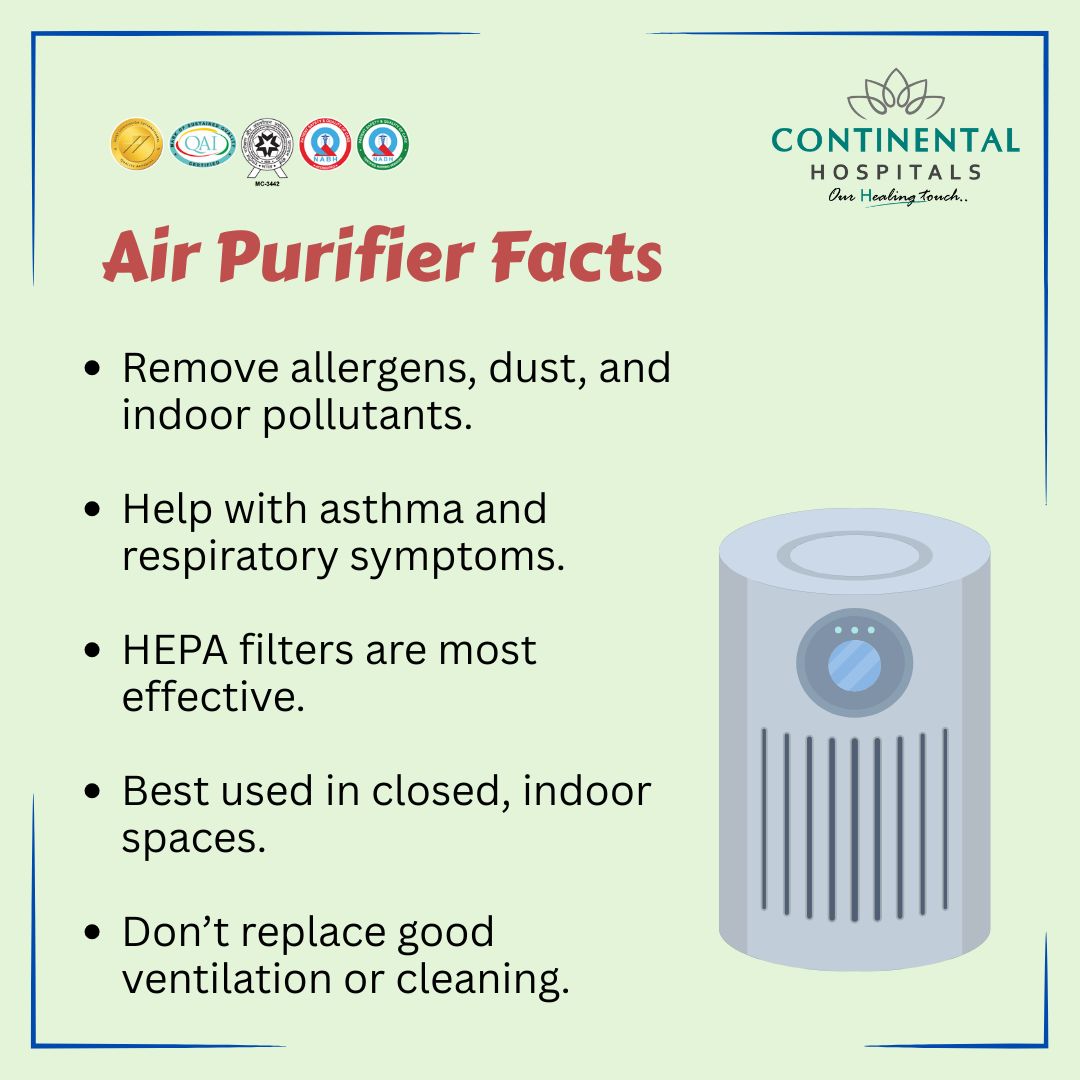
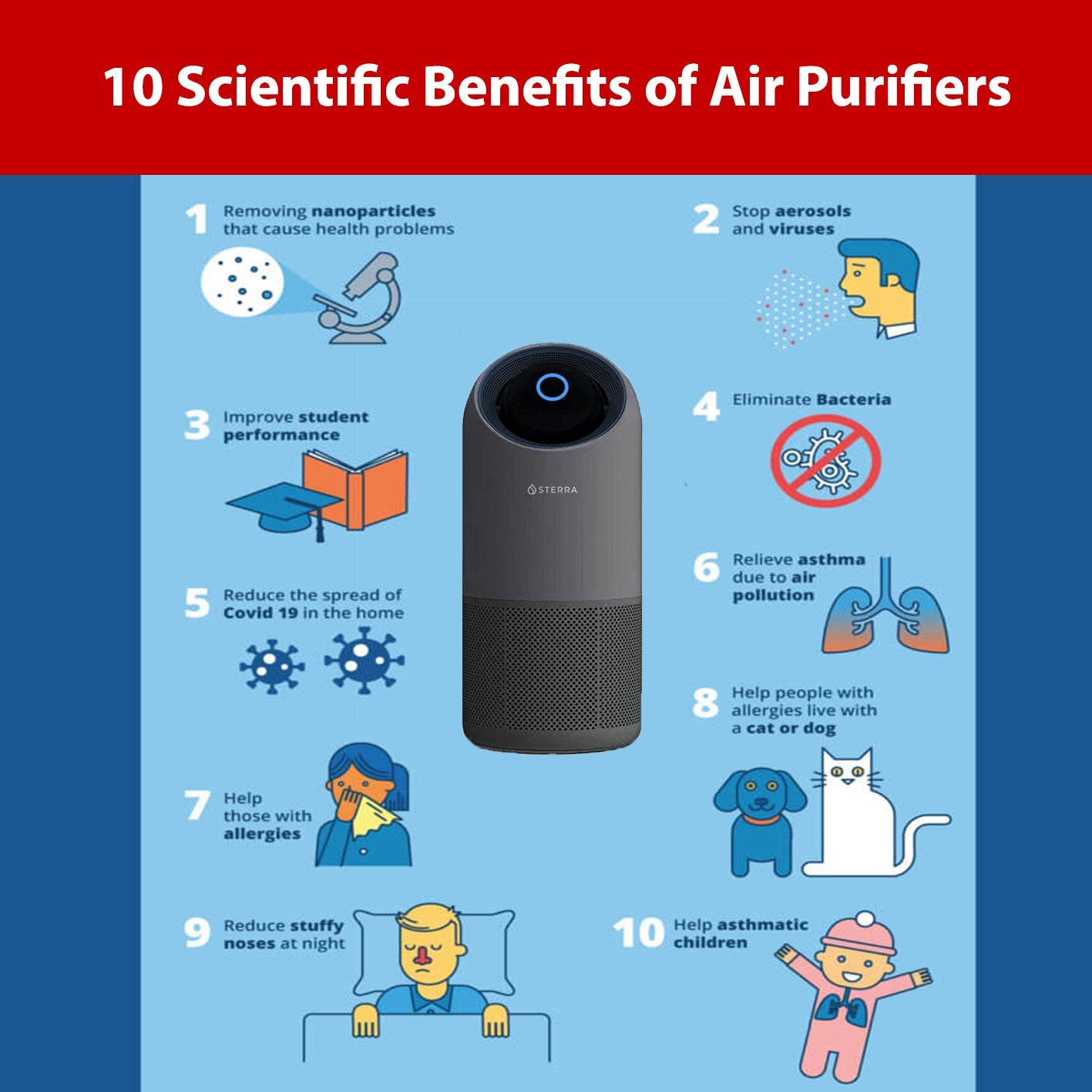
Air purifiers remove allergens like pollen, dust mites, pet dander, and mold spores. This is important for people with allergies or asthma. In studies, HEPA filters have been shown to reduce allergy symptoms by up to 30%.
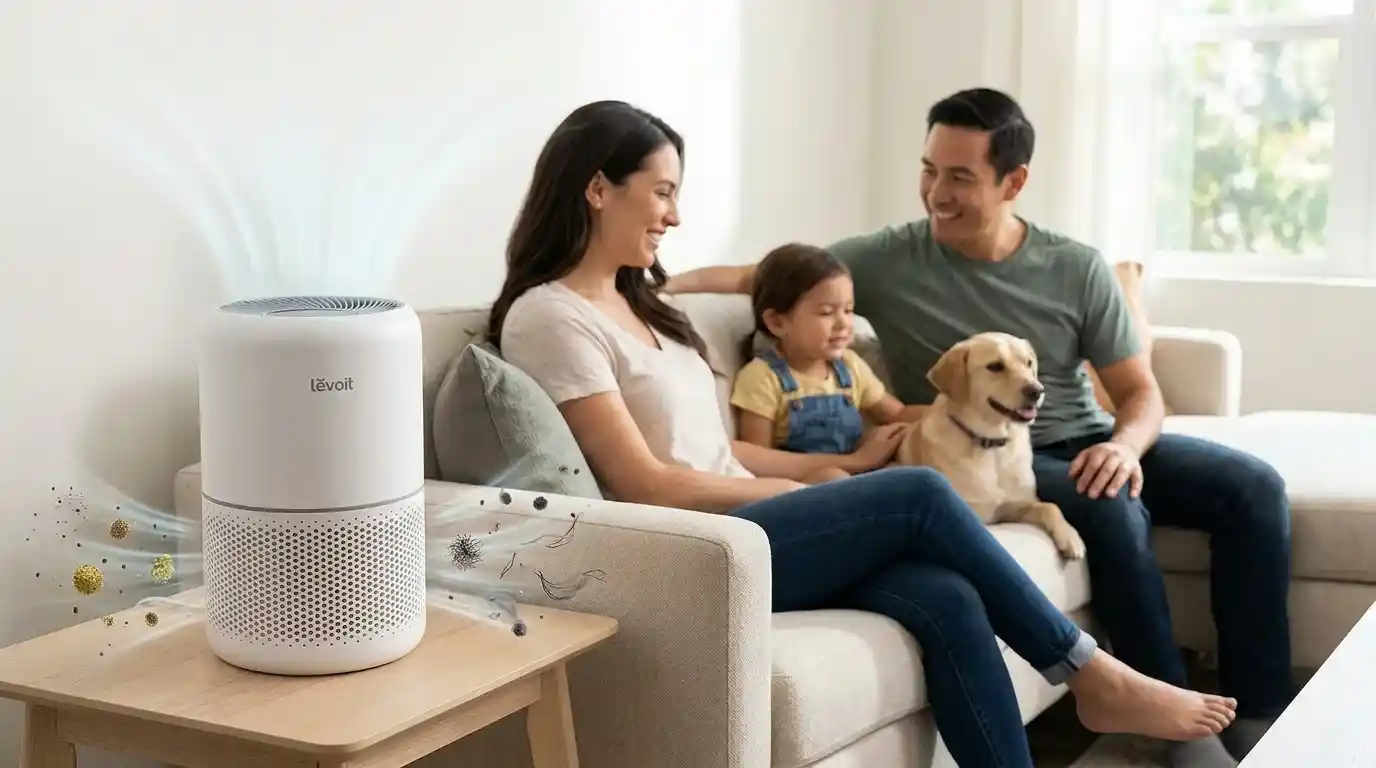
Example: If you have a cat, a purifier can trap cat dander and hair, making the air easier to breathe.
Lowering Asthma Risks
Asthma attacks can be triggered by particles in the air. Air purifiers with HEPA filters can reduce these triggers, helping people with asthma stay safe. Some reports show that asthma patients who use air purifiers at home have fewer attacks and need less medication.
Protecting Vulnerable Groups
Children, elderly people, and those with weak immune systems are more sensitive to air pollution. Air purifiers help protect these groups by removing dangerous particles, bacteria, and viruses.
Removing Harmful Chemicals
Indoor air can contain volatile organic compounds (VOCs) from cleaning products, paints, or new furniture. Activated carbon filters absorb these chemicals, lowering health risks like headaches and breathing problems.
Improving Sleep Quality
Clean air helps you sleep better. Dust and allergens can cause coughing or sneezing at night. By reducing these, air purifiers help people enjoy deeper, more restful sleep.
You might find this helpful: Best Air Purifiers for Allergies
Credit: continentalhospitals.com
Reducing Indoor Air Pollution
Indoor air pollution is often worse than outdoor air. According to the EPA, indoor air can be up to five times more polluted. Air purifiers are an effective tool to fight this problem.
Common Indoor Pollutants
Some examples include:
- Dust
- Pet dander
- Mold spores
- Smoke
- Chemical fumes
- Bacteria and viruses
A good air purifier can remove most of these, creating a safer environment.
Data Comparison: Air Quality With And Without Purifiers
Here’s a simple table showing how air quality can change in a room with an air purifier.
| Pollutant | Before Purifier (µg/m³) | After Purifier (µg/m³) |
|---|---|---|
| PM2.5 (fine dust) | 35 | 8 |
| Pollen | 20 | 3 |
| VOC (formaldehyde) | 0.15 | 0.04 |
| Pet dander | 18 | 2 |
This data is based on typical results from homes using HEPA and activated carbon air purifiers.
Odor Removal And Freshness
Air purifiers do more than remove dust. They also help with smells and freshness.
Tackling Bad Odors
Cooking, pets, smoke, and chemicals can create strong odors. Activated carbon filters are especially good at absorbing these smells. For example, if you fry fish, a purifier can reduce lingering odors in just a few hours.
Keeping Air Fresh
Some purifiers add a mild scent or simply make the air feel fresher by removing stale particles. This can make your home more pleasant for guests and family.
Comparing Air Purifier Types
Choosing the right air purifier matters. Here’s a quick comparison of common types.
| Type | Main Feature | Best For | Drawback |
|---|---|---|---|
| HEPA Filter | Traps fine particles | Allergies, asthma | Doesn’t remove odors |
| Activated Carbon | Removes chemicals, odors | Smoke, smells | Needs frequent replacement |
| UV-C Light | Kills germs | Bacteria, viruses | Limited for particles |
| Ionizer | Clumps particles | Dust, pollen | May produce ozone |
Non-obvious insight: Many beginners assume one purifier fits all needs. In reality, each technology is better for certain problems. For example, HEPA is not effective for chemical fumes, while UV-C is weak at trapping dust.
Special Benefits For Urban And Polluted Areas
People living in cities face higher air pollution. Traffic, factories, and construction add extra particles to the air. Air purifiers are especially useful in these settings.
Reducing Fine Dust And Smog
Purifiers with HEPA filters can capture PM2.5 (fine dust), a main part of city smog. Studies show that using a purifier can lower PM2.5 in homes by up to 80%.
Protection From Outdoor Pollution
Even with closed windows, outdoor pollution can enter homes. Air purifiers act as a barrier, especially during high pollution days.
Example: Seasonal Smog
In cities like Los Angeles, air quality drops during certain months. Purifiers help families stay safe indoors when outdoor air is poor.
Benefits For Offices And Workspaces
Air quality affects productivity and comfort at work. Offices often have many people, computers, printers, and little fresh air. This can lead to stuffy conditions and high levels of dust or chemicals.
Improving Focus And Productivity
Clean air helps people concentrate. Some studies link better indoor air to higher work output and fewer sick days.
Reducing Spread Of Germs
Air purifiers with UV-C or HEPA filters can reduce bacteria and viruses in the air. This is useful in shared spaces, especially during flu season.
Data Table: Sick Days In Offices With And Without Purifiers
| Year | Office with Purifier | Office without Purifier |
|---|---|---|
| 2021 | 4 days per employee | 8 days per employee |
| 2022 | 3 days per employee | 7 days per employee |
This shows a clear improvement in workplaces using air purifiers.
Practical Tips For Choosing And Using An Air Purifier
Buying an air purifier can be confusing. Here are tips to help you make a smart choice.
1. Know Your Room Size
Air purifiers work best if matched to the correct room size. Manufacturers list the clean air delivery rate (CADR). Choose a model with a CADR that fits your space.
2. Check Filter Types
Look for HEPA filters for allergies, activated carbon for odors, and UV-C if you worry about germs.
3. Maintenance Matters
Filters need regular cleaning or replacement. Some purifiers have indicator lights to help you know when to change them.
4. Placement Counts
Place your purifier in the center of the room or near pollution sources. Avoid blocking air vents.
5. Avoid Common Mistakes
- Don’t buy a small purifier for a large room.
- Don’t ignore filter replacement schedules.
- Avoid ionizers if you have asthma; they may produce ozone.
Non-obvious insight: Some people run purifiers only at night. For best results, run them all day, especially in polluted areas or during allergy season.
Cost And Energy Use
Many worry that air purifiers are expensive or use too much electricity. Let’s break down these concerns.
Purchase And Maintenance Costs
- Basic models start around $80.
- Advanced models can cost $300 or more.
- Filter replacement: $20–$60 every 6–12 months.
Energy Consumption
Most purifiers use about 20–60 watts. Running one all day costs less than $5 per month in electricity.
Long-term Value
While the upfront cost may seem high, the health benefits and cleaner air can save money in medical bills and missed work.
Frequently Asked Questions
What Is The Best Air Purifier For Allergies?
The best choice is a HEPA filter air purifier. HEPA filters trap tiny particles like pollen, dust mites, and pet dander. Look for models with high CADR ratings and easy filter replacement.
Can Air Purifiers Remove Viruses?
Some air purifiers use UV-C light or HEPA filters to capture or kill viruses. While they help reduce virus spread, they are not a guarantee against all infections. For more details, see CDC guidance.
How Often Should I Change The Filter?
Most filters need changing every 6 to 12 months. Some models have indicator lights that show when it’s time. Always follow the manufacturer’s instructions.
Are Air Purifiers Noisy?
Noise levels vary. Many models are quiet on low settings (below 30 decibels). On high settings, some can be louder. Check product reviews for noise information before buying.
Do Air Purifiers Help With Smoke?
Yes, air purifiers with activated carbon filters are effective against smoke, including cigarette smoke and wildfire particles. Make sure to choose a model designed for smoke removal.
Credit: sterra.sg
Final Thoughts
Air purifiers are more than a trend—they are a practical tool for improving indoor air quality. Whether you want relief from allergies, protection from pollution, or simply fresher air, these devices offer clear benefits. Choosing the right model and using it correctly makes a big difference. Remember, the best air is clean air, and an air purifier can help you achieve it. If you want to learn more about air quality and health, visit EPA Indoor Air Quality.