Ice buildup in refrigerators is a common problem many people face, but few fully understand why it happens. When you open your fridge and see thick layers of ice in the freezer or on the walls, it can lead to spoiled food, reduced cooling, and even higher energy bills. This article explores the real causes behind ice buildup in refrigerators, how to prevent it, and what mistakes to avoid. You’ll find practical advice, detailed explanations, and useful comparisons, making it easy to keep your fridge working smoothly.
How Refrigerators Work: The Basics
To understand ice buildup, it’s important to know how refrigerators function. These appliances use a cooling cycle that moves heat from inside the fridge to the outside. The evaporator coil absorbs heat from the air inside, while the compressor pushes refrigerant through the system. This process keeps the fridge cold, but it also creates conditions where moisture can turn into ice.
Most modern refrigerators have automatic defrost systems. These systems use a heater to melt any frost that forms on the evaporator coil. If this defrost cycle fails or cannot keep up with moisture, ice starts to accumulate.
Main Causes Of Ice Buildup
Several factors can lead to unwanted ice in your refrigerator. Understanding these causes helps you fix the problem and prevent it in the future.
1. Door Seal Problems
A fridge’s door gasket is the rubber seal around the door. If it is dirty, damaged, or not closing properly, warm air enters the fridge. This air contains moisture, which quickly freezes and forms ice. According to a study by the US Department of Energy, faulty gaskets can increase energy use by up to 20%.
Common signs:
- Door feels loose or doesn’t close easily
- Visible cracks or tears in the seal
- Condensation around the edges
2. Frequent Door Opening
Every time you open the fridge, you let in warm, moist air. If you open the door often or leave it open for too long, the moisture inside rises. The cooling system then turns this moisture into ice, especially in the freezer compartment.
Example: If you have children opening the fridge repeatedly, you may see ice buildup faster.
3. Overfilling The Fridge
A packed fridge blocks airflow. Cold air cannot circulate, leading to uneven cooling. In some areas, air stays colder than necessary, causing water vapor to freeze.
Data: A survey by Consumer Reports found that overfilled refrigerators have a 30% higher chance of ice buildup compared to properly loaded ones.
4. Faulty Defrost System
If the automatic defrost system fails, frost and ice accumulate on the evaporator coil. This problem can happen because of a broken defrost timer, heater, or thermostat. When this happens, the fridge cannot melt ice as intended.
5. Incorrect Temperature Settings
Setting the fridge or freezer too cold causes excess ice. The ideal freezer temperature is 0°F (-18°C). Lower settings can freeze moisture faster, leading to buildup.
6. Blocked Vents
Refrigerators have vents that let cold air move between compartments. If these vents are blocked by food or ice, some areas freeze too much while others get warm. This imbalance creates more condensation and ice.
7. High Humidity Environment
If you live in a humid area or your kitchen is often steamy, more moisture enters the fridge each time you open the door. This moisture turns to ice quickly, especially in older models.
Where Ice Usually Builds Up
Ice can form in several parts of your refrigerator. Knowing where to look helps you spot problems early.
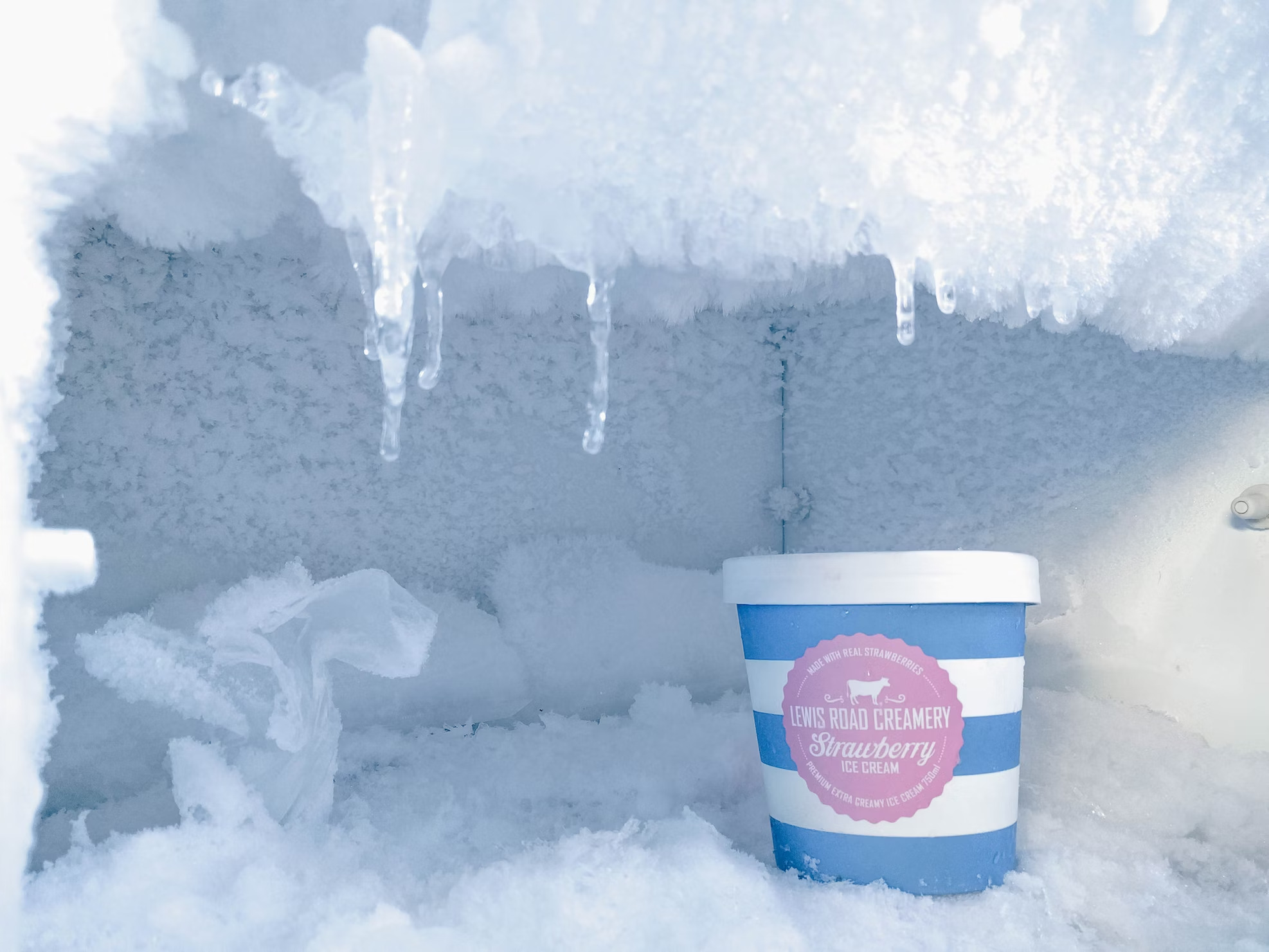
Freezer Walls And Floor
This is the most common area for ice buildup. Thick layers can make it hard to store food and may block drawers.
Evaporator Coils
If the defrost system fails, ice forms directly on the coils. This can cause the fridge to stop cooling properly.
Door Seal Edges
Moisture collects around faulty seals, causing ice at the door edges. This is often the first sign of trouble.
Air Vents
When vents are blocked, ice forms around them and restricts airflow, making other areas warmer.
Comparing Manual And Automatic Defrost Systems
Different refrigerators handle ice differently. Here’s a comparison between manual and automatic defrost models:
| Feature | Manual Defrost | Automatic Defrost |
|---|---|---|
| Defrosting Process | User must turn off and remove ice manually | Heater melts ice automatically |
| Ice Buildup Frequency | More frequent | Less frequent |
| Maintenance Effort | High | Low |
| Energy Consumption | Lower | Higher (due to defrost heater) |
| Price | Generally cheaper | Higher |
Credit: habcomfg.com
Signs Your Refrigerator Has An Ice Problem
Recognizing the early warning signs can save you from bigger issues later.
- Frost or ice visible on freezer walls or shelves
- Water pooling under drawers
- Door harder to close or doesn’t seal tightly
- Food freezing in the fridge compartment
- Strange noises from inside (clicking, buzzing)
If you notice these signs, act quickly to prevent damage.
How To Prevent Ice Buildup
Simple habits and regular checks can keep your refrigerator ice-free.
1. Clean Door Seals Regularly
Wipe the door gasket with a damp cloth. Check for cracks or tears. Replace damaged seals to keep air out.
2. Limit Door Opening
Plan ahead so you take out all needed items at once. Teach family members to avoid frequent opening.
3. Don’t Overfill
Leave space between items for air to circulate. Avoid blocking vents with bulky food packages.
4. Set Correct Temperatures
Keep freezer at 0°F and fridge between 35°F–38°F. Use a thermometer to check.
5. Check Defrost System
If you see ice forming, test the defrost cycle. Listen for the heater or check if it’s working. If you’re unsure, consult your fridge’s manual or a professional.
6. Use A Dehumidifier
If your kitchen is humid, a dehumidifier can help. It reduces moisture entering the fridge, lowering the risk of ice.
Troubleshooting Ice Buildup
If you already have ice, here’s what to do:
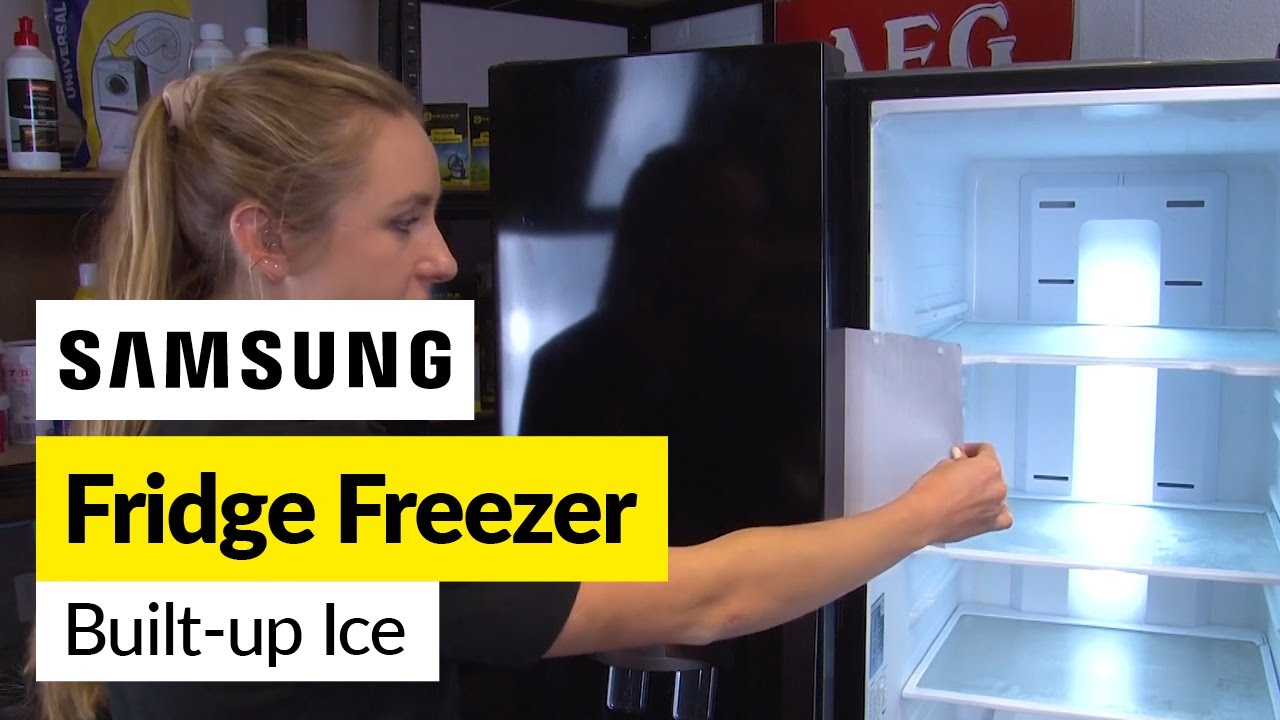
Step-by-step Removal
- Turn off the refrigerator: Unplug or use the power switch.
- Remove food items: Store perishables in a cooler.
- Let ice melt naturally: Place towels to absorb water. Avoid using sharp tools.
- Clean and dry all surfaces: Use warm water and mild soap.
- Restart refrigerator: Plug in and set correct temperatures.
Common Mistakes To Avoid
- Using knives or hard objects to chip away ice (damages fridge)
- Leaving fridge door open for long during cleaning (lets in more moisture)
- Ignoring faulty seals or blocked vents
Impact Of Ice Buildup
The effect of ice in your refrigerator goes beyond inconvenience.
| Impact | Details |
|---|---|
| Food Spoilage | Ice blocks airflow, causing uneven cooling and spoilage |
| Energy Waste | Fridge works harder, increasing energy bills by up to 15% |
| Shorter Appliance Life | Constant strain wears out parts faster |
| Water Damage | Melting ice can leak and damage floors or cabinets |
When To Call A Professional
Some issues need expert help. If you notice:
- Ice forms quickly after cleaning
- Defrost system fails repeatedly
- Strange noises or smells
- Electrical issues
Call a certified technician. They can check the defrost heater, timer, and thermostat, and repair or replace parts as needed.
How Climate And Location Affect Ice Buildup
Your local weather and home layout matter. In humid climates, refrigerators face more moisture and ice problems. Placing your fridge near a stove or dishwasher increases humidity risk. Even sunlight can affect internal temperature and ice formation.
Tip: Keep your fridge away from heat sources and ensure good ventilation.
Refrigerator Types And Ice Risk
Different fridge types handle ice differently. Here’s a quick comparison:
| Type | Ice Buildup Risk | Common Problems |
|---|---|---|
| Top-Freezer | Medium | Door seal wear, blocked vents |
| Side-by-Side | Low | Defrost system failure |
| Bottom-Freezer | Medium-High | Overfilling, poor airflow |
| French Door | Low | Humidity infiltration |
Non-obvious Insights
Many people believe ice buildup is always a sign of a broken fridge, but often, it’s just a maintenance issue. For example, even a small crack in the door seal can let in enough moisture for rapid ice formation. Another overlooked cause is placing hot food directly into the fridge. The steam from hot food raises humidity, increasing the risk of ice.

Credit: lakeappliancerepair.com
Useful Resources
For more technical details about refrigerator maintenance, you can visit Wikipedia.
Frequently Asked Questions
What Is The Best Way To Prevent Ice Buildup In My Refrigerator?
The most effective way is to keep door seals clean, limit door opening, avoid overfilling, and set the correct temperatures. Regularly check for cracks in the gasket and keep vents clear.
Does Ice Buildup Mean My Refrigerator Is Broken?
Not always. Ice buildup can result from simple issues like poor sealing, overfilling, or high humidity. If problems persist after cleaning, it may indicate a faulty defrost system.
How Often Should I Defrost A Manual Refrigerator?
Manual fridges should be defrosted every 3–6 months or when you see ¼ inch of ice. Automatic models usually handle this themselves, unless there’s a malfunction.
Can Ice Buildup Increase My Energy Bills?
Yes. Excess ice makes the fridge work harder, raising energy use by up to 15–20%. Keeping your fridge ice-free saves money and extends its life.
Is It Safe To Use Sharp Tools To Remove Ice?
No. Using knives or metal tools can damage the coils or interior. Always let ice melt naturally or use plastic spatulas if needed.
If you pay attention to these tips, your refrigerator will stay efficient and ice-free for years. Regular maintenance, proper use, and quick action when you spot problems are the keys to avoiding ice buildup.
Credit: www.youtube.com