Skip to content
Dehydrating food is a simple, powerful way to preserve flavors, reduce waste, and create nutritious snacks at home. With a reliable dehydrator, you can transform fresh produce, meats, herbs, and even full meals into lightweight, long-lasting foods. But what exactly can you put in a dehydrator?
The answer covers far more than just apple slices or beef jerky. This guide explores the wide variety of foods you can dehydrate, with tips and examples to help you get the best results.
Why Use A Dehydrator?
A food dehydrator uses gentle heat and airflow to remove water from food. This process prevents bacteria and mold, which need moisture to grow. Dehydrated foods last much longer than fresh, often for months or even years. Unlike canning or freezing, dehydration keeps most of the nutrients and flavors in your food.
Many people use dehydrators for snack preparation, but they are also used for emergency food storage, backpacking meals, and saving seasonal harvests. With a dehydrator at home, you control the ingredients, flavors, and quality of your food.
Fruits You Can Dehydrate
Most fruits dehydrate well, developing sweet, concentrated flavors and chewy textures. Some popular choices include:
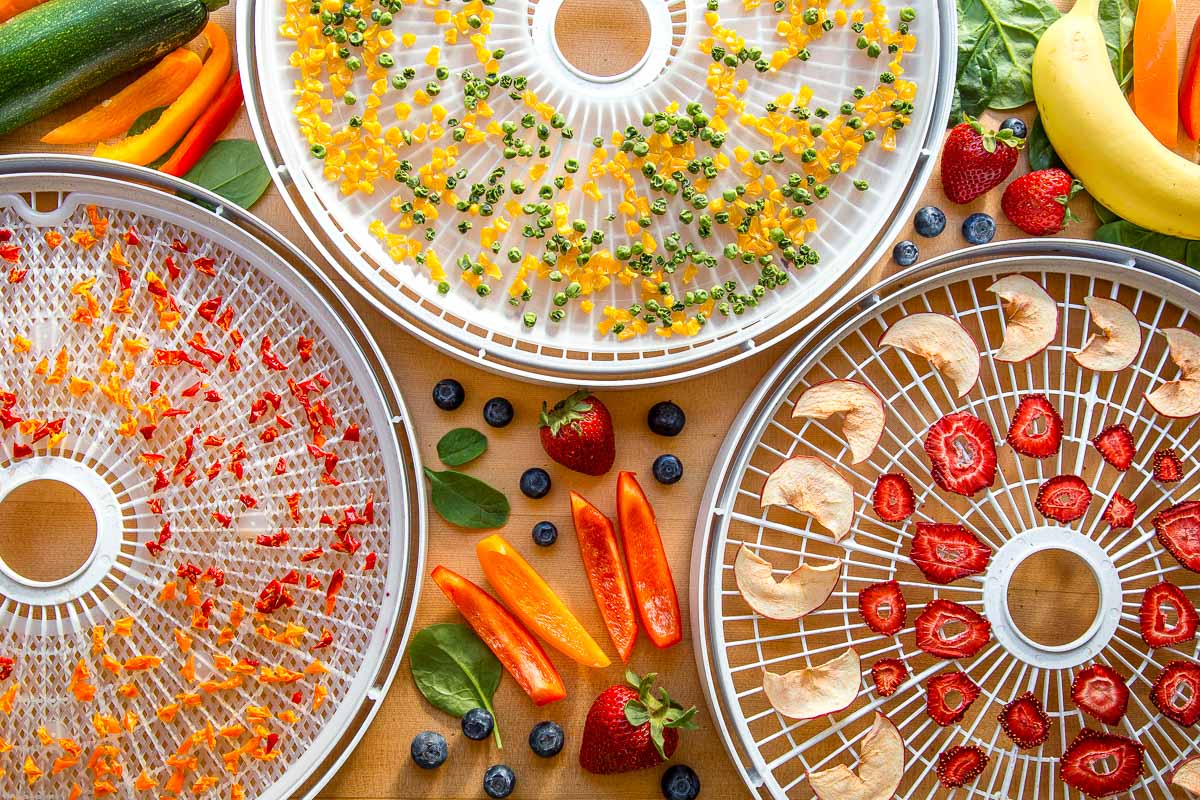
- Apples: Slice thinly and sprinkle with cinnamon for a classic snack.
- Bananas: Banana chips are easy to make—just slice and dry.
- Pineapple: Dehydrated pineapple becomes candy-like and is great for energy snacks.
- Mangoes: Slices become leathery and intensely sweet.
- Berries: Blueberries, strawberries, raspberries, and blackberries all shrink into tart, chewy bits.
- Peaches, pears, plums: Stone fruits dehydrate into sweet, shelf-stable treats.
It’s best to choose ripe, but not overripe, fruit. Some fruits like apples and pears can brown during drying, so dipping them in lemon water before dehydrating helps keep their color.
Fruit Dehydration Tips
- Slice all pieces evenly for consistent drying.
- Most fruits dry at 130–140°F (54–60°C).
- Check for a leathery, not sticky, texture.
Vegetables For Dehydrating
Vegetables are another excellent choice for dehydrating. They rehydrate well and are perfect for soups, stews, and backpacking meals.
- Tomatoes: Sliced tomatoes and cherry tomatoes become delicious snacks or pizza toppings.
- Carrots: Shredded or sliced, they dry quickly and are great in soups.
- Bell peppers: Add color and flavor to dishes.
- Zucchini and squash: Slice thin for chips or dice for stews.
- Green beans, peas, corn: These can be dried for use in recipes year-round.
- Onions and garlic: Make your own onion or garlic powder by grinding after drying.
Blanching (briefly boiling) some vegetables before dehydrating helps preserve color and texture. For example, carrots, green beans, and peas benefit from blanching.
Vegetables That Need Caution
Some vegetables with high water content, like cucumbers or lettuce, don’t dehydrate well—they become brittle or lose flavor. Stick to firmer, flavorful vegetables.
Meat And Protein Foods
Dehydrators are famous for making beef jerky, but you can also dry many other proteins:
- Beef, pork, chicken: Slice thin and marinate for better flavor and safety.
- Fish: Salmon and white fish dry well for snacks or meal prep.
- Turkey: Turkey jerky is lean and high in protein.
- Tofu: Marinated tofu cubes can be dried for vegan backpacking meals.
- Eggs: Scrambled eggs can be cooked, crumbled, and dehydrated for camping.
For safety, always use cooked or pre-treated meats. Meat must reach an internal temperature of 160°F (71°C) during drying to prevent bacteria. Use lean cuts—fat can spoil even after drying.
Quick Jerky Comparison
Here’s a look at how different proteins compare for jerky:
| Protein Type | Flavor | Drying Time (hours) | Best Use |
|---|---|---|---|
| Beef | Rich, classic | 6–10 | Snacks, hiking |
| Chicken | Mild, lean | 5–8 | Quick energy |
| Salmon | Smoky, unique | 6–9 | Gourmet snacks |
Pro tip: Always cool jerky before storing in airtight containers to avoid moisture buildup.
Credit: www.thepurposefulpantry.com
Herbs And Greens
A dehydrator is ideal for preserving the flavor and potency of herbs and leafy greens:
- Basil, oregano, thyme, rosemary: Dry whole sprigs and crumble for use.
- Parsley, cilantro, dill: Delicate herbs retain flavor better than store-bought dried.
- Spinach, kale: Dehydrate for green powder or chips.
Drying herbs at a lower temperature (95–115°F / 35–46°C) keeps more flavor and color. Store dried herbs away from light for the best shelf life.
Dairy And Dairy Alternatives
You might be surprised, but some dairy products can be dehydrated:
- Yogurt: Make yogurt drops or leathers for snacks.
- Cheese: Hard cheeses like parmesan can be shredded and dried.
- Milk: Milk can be dried into powder, though this is easier with a commercial dehydrator.
Non-dairy milks (like soy or almond) can also be dried, but results vary. Dehydrated dairy is useful for camping and emergency storage. Keep in mind, dried dairy should be stored in airtight containers to avoid spoilage.
Full Meals And Meal Components
Dehydrators are not just for single ingredients. You can dehydrate entire meals or meal parts for easy prep later:
- Soups and stews: Spread cooked mixtures on dehydrator sheets and dry until brittle. Rehydrate with hot water.
- Pasta sauces: Tomato-based sauces dry well and can be powdered.
- Rice, pasta, grains: Cook, rinse, and dehydrate for quick meal bases.
- Mashed potatoes: Make your own instant potatoes for travel.
This is especially popular with backpackers and anyone preparing emergency food kits. Always fully cook meals before dehydrating to ensure safety and better texture.
Sweets, Snacks, And Unique Treats
Dehydrators let you make many fun snacks:
- Fruit leathers: Puree fruit, spread thin, and dry for chewy rolls.
- Veggie chips: Kale, beet, or sweet potato chips are healthy alternatives to fried snacks.
- Crackers: Use seeds, grains, and spices for homemade, gluten-free crackers.
- Granola: Dry homemade granola for crunchy snacks.
Some people even dehydrate desserts like cookies or meringues. The low, slow heat creates a unique texture you can’t get with baking.
Foods To Avoid Dehydrating
Not everything works well in a dehydrator. Some foods pose safety risks or just don’t taste good dried:
- High-fat meats: Bacon, sausage, or fatty cuts can spoil.
- Avocado: High fat content makes it go rancid.
- Butter and oils: These do not dehydrate and can go bad quickly.
- Dairy with high fat: Soft cheeses and full-fat milk spoil easily.
- Eggs (raw or whole): Drying raw eggs at home is not recommended for safety reasons.
Tip: If you’re unsure, start with a small batch and see how the food turns out.
Unexpected Foods You Can Dehydrate
People often overlook some surprising foods:
- Sauerkraut and pickles: Dehydrate for sour, crunchy snacks.
- Hot sauce: Dry into powder for easy seasoning.
- Nut butters: Thinly spread and dry for crunchy, travel-friendly snacks.
- Kimchi or fermented veggies: Unique, tangy chips.
These foods can add variety to your snack and meal options, and are great for people with dietary restrictions.

Credit: www.runningtothekitchen.com
Storage Tips For Dehydrated Foods
Proper storage is just as important as drying. Keep these tips in mind:
- Cool foods before storing to avoid moisture condensation.
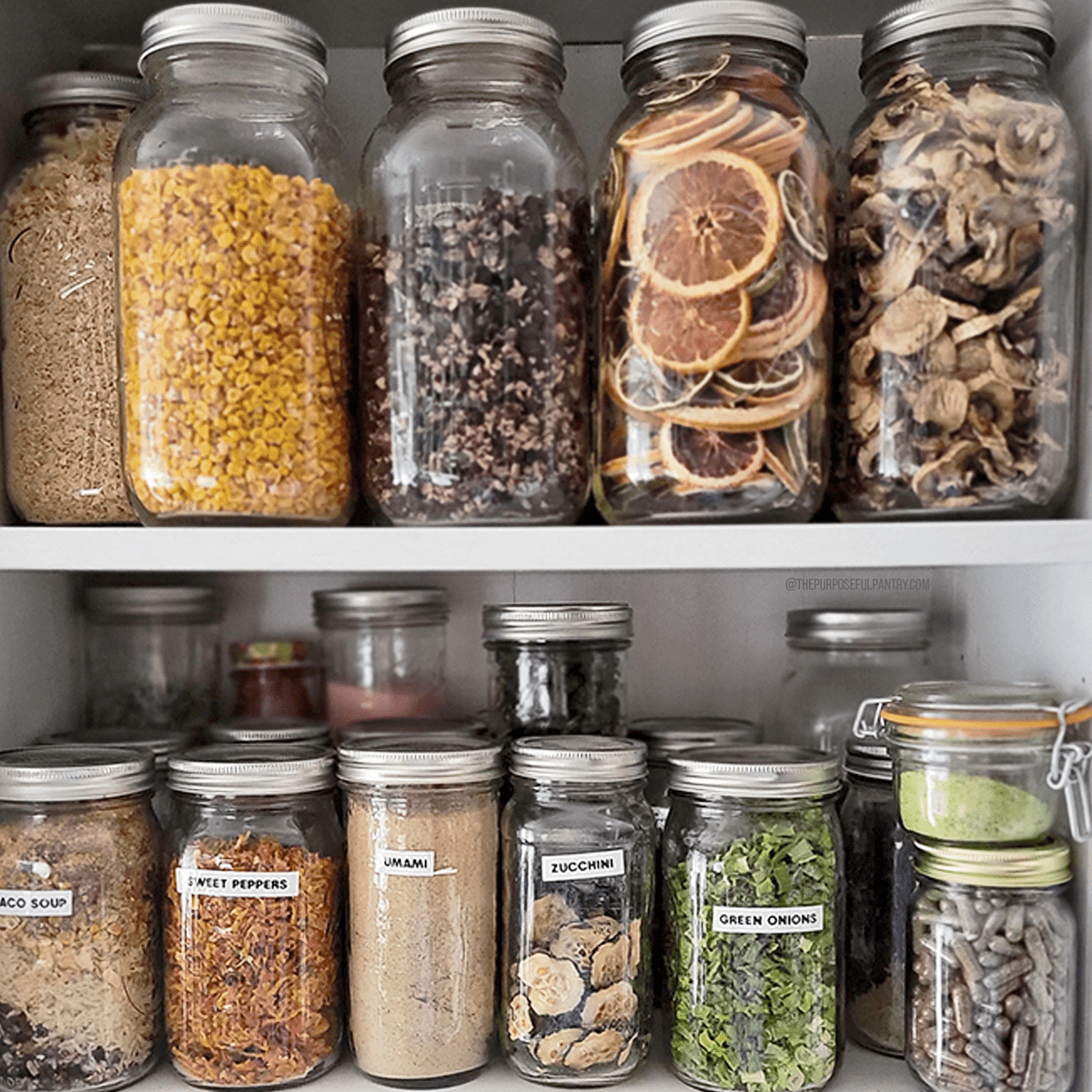
- Use airtight containers like mason jars, vacuum-sealed bags, or mylar bags with oxygen absorbers.
- Store in a cool, dark, dry place—light and heat can cause nutrient loss.
- Label with date and food type for easy rotation.
- For long-term storage, check food every few months for signs of moisture or spoilage.
Dehydrated foods often last 6 months to a year (or longer) if stored properly.
Quick Reference: Best Foods To Dehydrate
To help you plan your next batch, here’s a quick reference of top foods and their typical drying times.
| Food | Preparation | Drying Temp | Time (hours) |
|---|---|---|---|
| Apple slices | Thinly sliced, dipped in lemon water | 135°F | 6–12 |
| Banana chips | Thinly sliced | 135°F | 8–10 |
| Carrot coins | Blanched, sliced | 125°F | 6–10 |
| Beef jerky | Lean, marinated strips | 160°F | 6–10 |
| Herbs | Whole sprigs | 95°F | 2–4 |
Credit: www.freshoffthegrid.com
Non-obvious Insights For Dehydrator Success
- Rotate trays during drying. Most dehydrators have hot spots. Switching tray positions halfway through ensures even results.
- Pre-treat fruits and veggies. Dipping apples, pears, or potatoes in lemon water stops browning. Blanching veggies like peas and carrots preserves their color and speeds up rehydration.
- Don’t overcrowd trays. Air needs to circulate; if pieces touch, they may dry unevenly.
- Test for dryness. Bend a piece—if it tears, it’s ready. If it squishes, keep drying.
Many beginners forget these steps, leading to uneven or spoiled batches.
Frequently Asked Questions
What Fruits Are Easiest For Beginners To Dehydrate?
Apple slices, banana chips, and strawberries are some of the easiest. They require minimal prep, dry evenly, and are hard to over-dry. Start with these for reliable results.
Can I Dehydrate Cooked Meals For Camping?
Yes, many cooked meals like chili, soups, or pasta sauces can be dehydrated. Make sure the meal contains little or no oil and is cooled before drying. Always pack meals in airtight containers to prevent spoilage on the trail.
How Do I Know When Food Is Fully Dehydrated?
Fully dried foods should feel leathery or crisp, not sticky or moist. For jerky, it should bend and crack, not snap. Testing a few pieces from the center and edges helps check doneness.
Are Dehydrated Foods As Nutritious As Fresh Foods?
Most nutrients remain in dehydrated foods, especially vitamins and minerals. Some vitamin C is lost, but most flavor and fiber stays. Dehydration is one of the best ways to preserve food nutrition.
Is It Safe To Dehydrate Raw Meat At Home?
It is safe if you use lean cuts, slice thinly, and heat to at least 160°F (71°C). Marinating in salt or vinegar can reduce risk. Always store jerky in the fridge or freezer for long-term safety. For more food safety tips, see the National Center for Home Food Preservation.
Dehydrating opens up a world of possibilities, from simple snacks to complex meals. With practice and care, you can enjoy healthy, homemade foods year-round. Whether you’re a gardener, a parent looking for healthy snacks, or a backpacker preparing for the trail, a dehydrator is a valuable addition to your kitchen.