If you love coffee, you know that the way you grind your beans changes everything. Grinding is not just a step—it’s the foundation of how your cup tastes. Among all grinders, the burr coffee grinder stands out. But what makes it special? Why do so many coffee experts insist on using one? Let’s explore the world of burr grinders, see how they work, and find out why they matter for anyone who wants better coffee at home.
What Is A Burr Coffee Grinder?
A burr coffee grinder uses two rough surfaces, called burrs, to crush and grind coffee beans into tiny pieces. Unlike blade grinders, which slice beans with fast-spinning blades, burr grinders push beans between the burrs, breaking them into even particles. This process is slower but gives you a more consistent grind size. Consistency is key if you want coffee with balanced flavor and proper extraction.
There are two main types of burrs:
- Flat burrs: Two flat disks sit facing each other. Beans fall between them and are ground as they pass through.
- Conical burrs: One cone-shaped burr fits inside a hollow cylinder. Beans are crushed in the gap between the burrs.
Both designs produce uniform grinds, but they have slight differences in speed, heat, and maintenance. You’ll learn more about this in the comparison sections.
Why Burr Grinders Matter For Coffee Quality
Using a burr grinder is about more than just breaking beans apart. It’s about precision and control. Here’s why burr grinders are the preferred choice:
- Uniform Grind Size: Burr grinders create coffee particles that are nearly the same size. This means water flows evenly through the grounds, leading to balanced flavor.
- Less Heat: Burrs spin slower than blades, creating less heat. High heat can ruin coffee’s aroma and flavor before it’s brewed.
- Adjustable Settings: Most burr grinders let you choose how fine or coarse you want your grind. This is essential for different brewing methods—espresso needs fine grounds, French press needs coarse.
Let’s look at a basic comparison:
| Feature | Burr Grinder | Blade Grinder |
|---|---|---|
| Grind Consistency | Very uniform | Uneven |
| Heat Generation | Low | High |
| Grind Settings | Adjustable | Usually fixed |
| Flavor Quality | High | Varies |
| Price Range | $30–$500+ | $15–$50 |
Most coffee shops use burr grinders because they want to control every detail. At home, you get the same advantage.

Credit: perfectdailygrind.com
How A Burr Grinder Works
The process is simple but effective. You put whole beans in a hopper (the top part), set your desired grind size, and turn on the grinder. The beans move between the burrs, where they’re crushed. The distance between the burrs decides how fine or coarse the grind will be.
Many grinders have a dial or lever for adjustment. A smaller gap creates finer grounds for espresso. A wider gap produces coarse grounds for French press or cold brew.
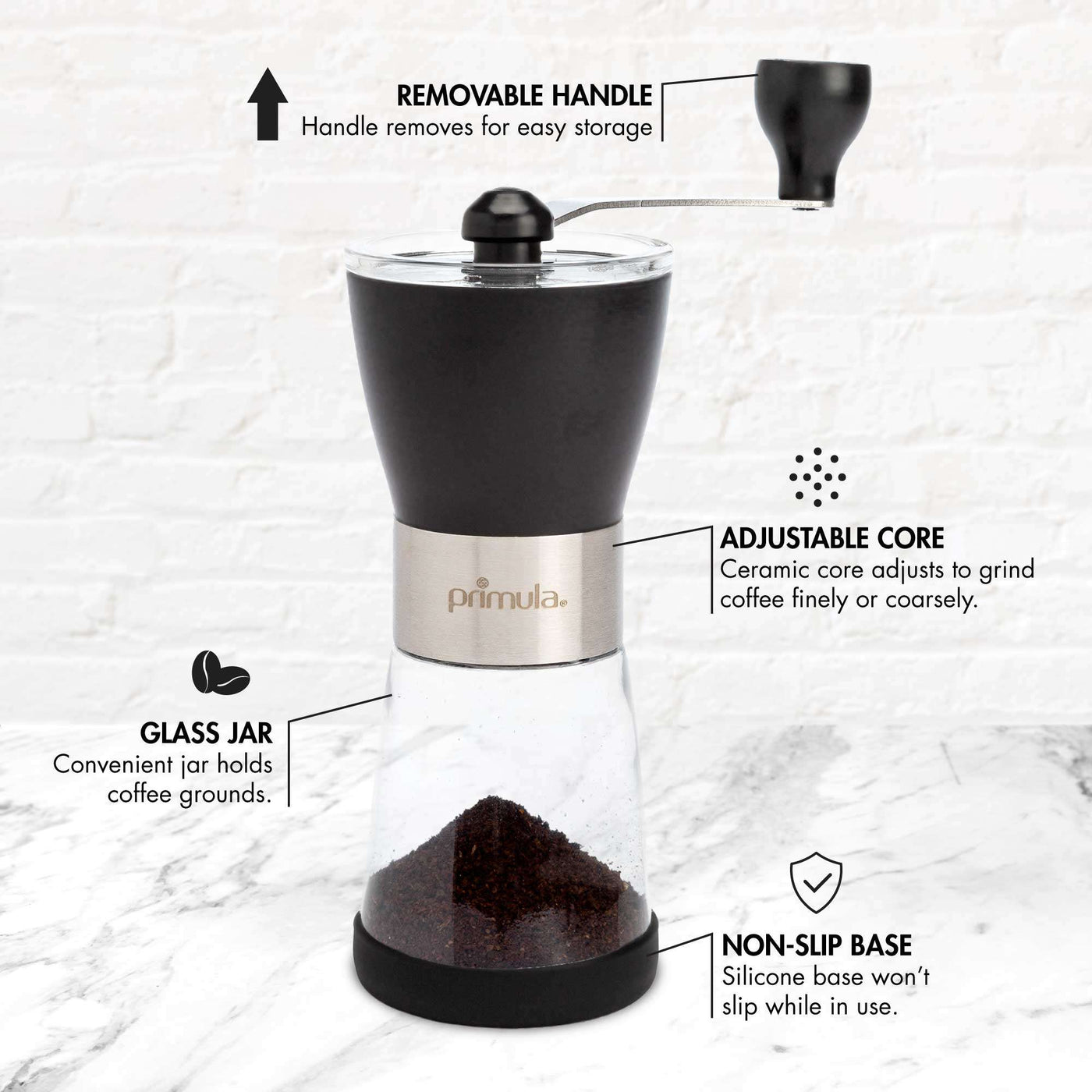
Some burr grinders are electric, making grinding easy and fast. Others are manual, where you turn a handle. Manual burr grinders are slower but quiet and portable.
Burr Grinder Types: Flat Vs. Conical
Both flat and conical burrs do the job, but they have subtle differences:
| Aspect | Flat Burr | Conical Burr |
|---|---|---|
| Shape | Two flat disks | Cone inside a ring |
| Grind Consistency | Excellent | Very good |
| Noise Level | Higher | Lower |
| Heat Generation | More | Less |
| Cleaning | More complicated | Easier |
| Cost | Higher | Medium |
Flat burrs are popular among professionals because they give extremely uniform grinds. Conical burrs are favored for home use—they’re quieter and easier to clean.
Choosing The Right Burr Grinder
Picking the best burr grinder depends on your needs and budget. Here’s what really matters:
- Grind Size Settings: Look for grinders with many settings. Some offer 10–40 options, so you can fine-tune for espresso, drip, or French press.
- Material: Burrs are usually made from steel or ceramic. Steel is durable and fast. Ceramic stays sharp longer and is less affected by heat.
- Capacity: The hopper size decides how many beans you can grind at once. Home grinders usually hold 100–250 grams.
- Speed: Fast grinders save time, but slower grinders produce less heat.
- Ease of Cleaning: Coffee oils build up over time. Choose a grinder with burrs you can remove for cleaning.
- Price: Entry-level burr grinders start around $30–$50 (manual), while top electric models can cost $500 or more.
Common buyer mistakes include:
- Picking a grinder with limited settings
- Ignoring cleaning needs
- Choosing a grinder that’s too loud for your space
- Not checking if it fits your brewing style
Here’s a quick look at price vs. features:
| Price Range | Type | Features |
|---|---|---|
| $30–$70 | Manual | Portable, basic settings |
| $80–$150 | Electric (entry) | Multiple settings, small hopper |
| $200–$500 | Electric (pro) | Wide range, large hopper, advanced features |
Real-world Example: The Difference In Your Cup
Let’s say you use a blade grinder and brew French press coffee. The grind will be uneven—some pieces are fine, others are big. Water moves too fast through the large pieces and too slow through the small ones. The result?
Bitter and weak coffee.
With a burr grinder, every piece is nearly the same size. Water extracts flavor evenly, and your coffee tastes smooth, rich, and balanced.
Coffee experts agree: grind consistency is the biggest factor in flavor after bean quality. In fact, a 2023 survey by the Specialty Coffee Association found that 80% of baristas use burr grinders daily for both espresso and drip coffee.
Cleaning And Maintaining A Burr Grinder
Regular cleaning keeps your grinder working well and your coffee tasting fresh. Coffee oils and tiny bits build up between the burrs, making your grind less consistent and causing stale flavors.
Here’s how to clean most burr grinders:
- Unplug the Grinder: Safety first.
- Remove the Hopper: Take out any beans.
- Take Out Burrs: Most grinders let you remove the burrs for cleaning.
- Brush and Wipe: Use a soft brush or cloth to clean burrs and inside surfaces.
- Avoid Water: Unless the manual says it’s safe, don’t use water. Moisture can damage parts and cause mold.
- Reassemble and Test: Put everything back and run a few beans through to check.
Clean your grinder every 1–2 weeks if you use it daily. For occasional use, clean once a month.
Non-obvious tip: Don’t forget to check the chute (where grounds exit)—this area often collects residue.
Burr Grinder Vs. Blade Grinder: Which Is Better?
For most coffee drinkers, a burr grinder is the clear winner. Blade grinders are cheaper and faster, but they lack control. Burr grinders give you:
- Better flavor
- More consistent texture
- Adjustable grind sizes
- Less waste
If you’re serious about good coffee, a burr grinder is worth the investment. Even a basic manual burr grinder is a big step up from a blade grinder.
Burr Grinders And Different Brewing Methods
The way you grind beans changes based on how you brew coffee. Here’s how burr grinders help with popular methods:
- Espresso: Needs very fine grounds. Burr grinders can deliver the exact fineness needed for pressure-based brewing.
- French Press: Requires coarse grounds. Burr grinders prevent fine particles that make coffee muddy.
- Drip Coffee Makers: Medium grind is best. Burr grinders let you tune to your machine’s needs.
- Pour Over: Medium-coarse grind works well. Consistent grind means balanced extraction and clear taste.
You can switch grind size easily with a burr grinder. Blade grinders don’t offer this flexibility.
Non-obvious Insights About Burr Grinders
- Retention Matters: Some grinders hold onto old grounds in their chamber—a problem called “retention.” This can mix stale coffee with fresh. Look for grinders with low retention, especially for espresso.
- Static Electricity: Grinding beans can cause static, making grounds stick to the sides. A light mist of water on beans before grinding (“Rao’s method”) reduces this mess.
- Noise Levels: Not all burr grinders are quiet. If you live in a shared space, check decibel ratings before buying.
:max_bytes(150000):strip_icc()/sea-primary-coffee-grinders-oct-24-nsimpson-207-b439c1ef1a674697b2825604e5321d5c.jpeg)
Credit: www.seriouseats.com
Environmental Impact And Durability
Burr grinders last longer than blade grinders. They’re built with sturdy materials like steel and ceramic, which resist wear. Investing in a quality burr grinder means less waste over time.
Manual burr grinders use no electricity, making them eco-friendly. Electric burr grinders use energy but are efficient compared to other appliances.
Some brands offer replacement burrs, so you can fix your grinder instead of throwing it away.
Where To Learn More
If you want more technical details, visit the Wikipedia page on coffee grinders for deeper history and science.
Credit: primulaproducts.com
Frequently Asked Questions
What Is The Main Difference Between Burr And Blade Grinders?
The main difference is in the grinding method. Burr grinders crush beans between two surfaces, creating uniform particles. Blade grinders chop beans with spinning blades, producing uneven grinds.
Can I Use A Burr Grinder For Spices Or Other Foods?
While some burr grinders can handle spices, it’s not recommended. Coffee grinders are designed for beans, and spices can leave strong odors or damage burrs.
How Often Should I Clean My Burr Grinder?
Clean your grinder every 1–2 weeks if you use it daily. For less frequent use, once a month is enough. This prevents stale flavors and keeps the grinder working well.
Is A Manual Burr Grinder As Good As An Electric One?
Manual burr grinders give excellent results, but they require more effort and time. Electric burr grinders are faster and often have more settings, but both types produce high-quality grinds.
What Grind Size Should I Use For My Coffee Maker?
It depends on your brewing method:
- Espresso: Fine
- Drip: Medium
- French Press: Coarse
- Pour Over: Medium-coarse
Burr grinders make it easy to adjust to the right size.
A burr coffee grinder is a powerful tool for anyone who wants better coffee. It’s not just about grinding—it’s about unlocking flavor, control, and consistency. Whether you’re new to coffee or a seasoned drinker, investing in a burr grinder is one of the best ways to improve your daily cup.