A Santoku knife is one of the most popular kitchen tools today, but many home cooks are not fully sure how it differs from other knives or what it’s best used for. If you’ve seen this knife in stores or online, you might have noticed its unique shape and wondered what makes it special.
In this article, you’ll discover exactly what a Santoku knife is used for in the kitchen, how it compares to other knives, practical tips for using it, and mistakes to avoid. Whether you cook often or just want to upgrade your tools, understanding the Santoku knife can help you work faster, safer, and with more confidence.
What Is A Santoku Knife?
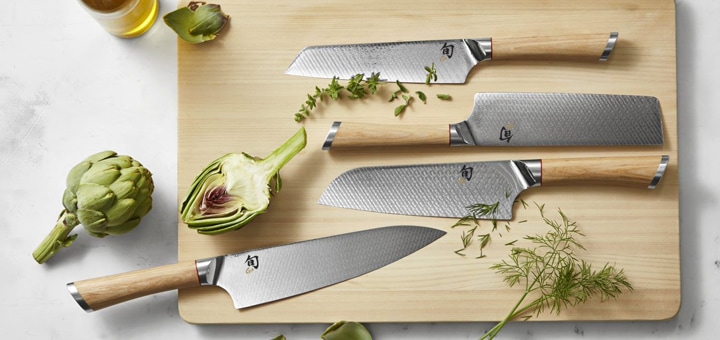
The Santoku knife is a Japanese-style kitchen knife. Its name comes from the Japanese words “san” (three) and “toku” (virtues), meaning “three uses.” These three uses are slicing, dicing, and mincing. The Santoku knife usually has a blade length between 5 and 7 inches, which is shorter than most Western chef’s knives.
The blade is wide, flat, and has a rounded tip. Unlike many Western knives that have a pointed tip and a curved blade for rocking motions, the Santoku’s edge is almost straight. Many Santoku knives also feature small dimples (called “grantons”) along the blade.
These help food slide off the knife easily, reducing sticking.
Key Features
- Blade length: 5–7 inches
- Edge: Flat with a slight curve
- Tip: Rounded
- Grantons: Dimples along the blade
- Handle: Often lighter and straight
Santoku knives are made from high-quality stainless steel or carbon steel. They are designed for precise, controlled cuts, especially for vegetables, fruits, and boneless meat.
Main Uses Of A Santoku Knife In The Kitchen
The Santoku knife is known for its versatility. Here are the main ways it’s used:
1. Slicing
The Santoku’s thin, sharp blade is excellent for slicing. You can easily cut thin slices of vegetables, fruits, cheese, and boneless meat. Because the blade is wide and flat, you get clean, even cuts with less effort. The granton edge helps prevent sticky foods like potatoes or cucumbers from clinging to the blade.
2. Dicing
The flat edge makes it simple to dice foods. When dicing onions, carrots, or tomatoes, the Santoku knife allows you to cut quickly and precisely. The wide blade lets you scoop up diced pieces and transfer them easily.
3. Mincing
Mincing herbs, garlic, or shallots is easy with a Santoku knife. The sharp edge and flat profile help you chop finely without crushing. The blade is light, so your hand doesn’t get tired, even after several minutes of mincing.
4. Cutting Boneless Meat And Fish
While not meant for bones, the Santoku knife is perfect for cutting boneless chicken, fish fillets, or beef. The thin blade slices smoothly without tearing the flesh. It’s often used for prepping sushi ingredients or thin cuts for stir-fry.
5. Preparing Cheese
The granton edge of many Santoku knives makes them ideal for slicing soft and semi-hard cheeses. The dimples reduce sticking, so cheese slices come out clean and uniform.
Credit: www.williams-sonoma.com
Santoku Knife Vs. Chef’s Knife
Many cooks wonder whether they should use a Santoku knife or a traditional chef’s knife. Both have their strengths and weaknesses. Here’s a direct comparison to help you decide:
| Feature | Santoku Knife | Chef’s Knife |
|---|---|---|
| Blade Length | 5–7 inches | 8–10 inches |
| Tip Shape | Rounded | Pointed |
| Edge Profile | Flat, slight curve | Curved for rocking |
| Best For | Slicing, dicing, mincing | Chopping, slicing, rocking cuts |
| Weight | Lighter | Heavier |
| Food Sticking | Less (grantons) | More |
The Santoku knife is better for precise work, lighter foods, and quick prep. The chef’s knife is more powerful for tough or large ingredients and works well for rocking motions.
How To Use A Santoku Knife Safely
If you’re new to the Santoku knife, here are steps for safe, effective use:
- Grip: Hold the handle firmly, placing your thumb and index finger on the blade for control.
- Cutting motion: Use an up-and-down chopping motion instead of rocking. The flat blade works best with straight cuts.
- Placement: Keep your non-cutting hand in a “claw” shape to protect your fingers.
- Blade angle: Let the sharp edge do the work. Don’t force the knife or press too hard.
- Cleaning: Wash immediately after use. Avoid soaking or dishwashers, especially for high-carbon blades.
Example: Chopping An Onion
To dice an onion, cut off the ends, peel, then slice down vertically with the Santoku knife. Turn and slice horizontally for perfect cubes. The wide blade lets you scoop diced onion easily.
:max_bytes(150000):strip_icc()/sea-santoku-knives-3-grace-kelly-aa17c0172e5746db82b4441f44d14216.jpg)
Credit: www.seriouseats.com
Santoku Knife For Different Ingredients
Santoku knives shine with certain foods. Here’s how they perform:
| Ingredient | Performance | Tip |
|---|---|---|
| Vegetables | Excellent for thin, even slices | Try for stir-fry prep |
| Fruits | Easy to cut without crushing | Great for apples and melons |
| Boneless Meat | Clean cuts, no tearing | Slice chicken breasts for grilling |
| Fish | Perfect for sushi prep | Use for sashimi slices |
| Cheese | Reduces sticking | Slice soft cheese for platters |
| Herbs | Fine mincing possible | Chop parsley or cilantro |
Choosing The Right Santoku Knife
If you want to buy a Santoku knife, consider these points:
Blade Material
- Stainless steel: Resists rust, easy to maintain
- Carbon steel: Sharper, but needs care to avoid rust
Handle Comfort
Try to hold the knife before buying. A comfortable grip is key for safety and control.
Granton Edge
Dimples help with sticky foods. If you often slice potatoes, cucumbers, or cheese, choose a Santoku with grantons.
Size
Most people find a 6-inch blade best for daily tasks. Smaller hands may prefer a 5-inch; larger hands or more food prep may need 7-inch.
Price
Santoku knives range from $20 to over $200. High-quality Japanese brands (like Shun or Global) last longer, but affordable options work well for most home cooks.
Common Buyer Mistakes
- Choosing a blade that’s too long for your hand
- Ignoring handle comfort
- Not checking for grantons if you slice sticky foods often
Santoku Knife Maintenance
Proper care keeps your Santoku knife sharp and safe:
- Sharpen regularly: Use a whetstone or professional service. Many Santoku knives need sharpening every 1–2 months, depending on use.
- Wash by hand: Avoid dishwashers. Hand-washing prevents blade damage and rust.
- Dry thoroughly: Carbon steel blades can rust quickly if left wet.
- Store safely: Use a knife block, magnetic strip, or blade guard.
Sharpening Angles
Japanese Santoku knives usually have a 15-degree edge angle (vs. 20 degrees for Western knives). This makes them sharper but more delicate.
Non-obvious Santoku Knife Insights
Here are two things many beginners miss:
- Santoku knives excel with smaller cutting boards. Their short blade fits easily and feels less awkward than a long chef’s knife.
- The flat edge helps avoid bruising leafy greens. When you slice spinach or basil, the Santoku cuts cleanly, keeping flavor and color intact.

Credit: cutleryandmore.com
Practical Tips For Using A Santoku Knife
To get the most from your Santoku knife, try these tips:
- Use a wooden or plastic cutting board. Glass or stone boards dull the blade quickly.
- Always keep your fingers curled under when chopping.
- Don’t use the Santoku for bones, frozen foods, or tough root vegetables. It’s designed for precision, not heavy-duty jobs.
- Practice your chopping technique with carrots or celery to get comfortable.
Santoku Knife In Professional Kitchens
Professional chefs often use Santoku knives for fast, precise prep. In sushi restaurants, the Santoku is a go-to tool for slicing fish and vegetables. Because the blade is lighter and easier to control, chefs can work for hours without hand fatigue. According to a survey by the Japanese Culinary Institute, over 70% of Japanese chefs use Santoku knives daily.
Santoku Knife Statistics
- Blade length: Average is 6 inches (15 cm)
- Blade thickness: 1.5–2 mm
- Edge angle: 15 degrees (Japanese style)
- Price range: $20–$200
- Usage rate in Japan: 70%+ chefs prefer Santoku for daily prep
Comparing Santoku Knife Brands
Here’s a quick overview of popular brands:
| Brand | Blade Material | Price Range | Special Features |
|---|---|---|---|
| Shun | VG10 Stainless Steel | $100–$200 | Handmade, granton edge |
| Global | Cromova Stainless Steel | $80–$150 | Lightweight, ergonomic handle |
| Wusthof | High Carbon Steel | $50–$120 | German blade, sturdy |
| Victorinox | Stainless Steel | $30–$70 | Affordable, reliable |
For more on knife brands and materials, check out the Santoku Wikipedia page.
Frequently Asked Questions
What Foods Should I Avoid Cutting With A Santoku Knife?
Do not use your Santoku knife for bones, frozen foods, or very tough vegetables like squash. The blade is thin and can chip or bend.
How Often Should I Sharpen A Santoku Knife?
Most home cooks should sharpen their Santoku knife every 1–2 months. If you use it daily, sharpen more often. Use a whetstone or professional service for best results.
Can I Use A Santoku Knife For Bread?
Santoku knives are not ideal for bread. The flat edge does not cut through crusts easily. Use a serrated bread knife for best results.
Is A Santoku Knife Good For Beginners?
Yes. The Santoku knife is easy to handle, lightweight, and safe for most kitchen tasks. Its flat edge helps beginners learn proper cutting technique.
What Is The Difference Between A Santoku And A Nakiri Knife?
A Nakiri knife is designed mainly for vegetables, with a straight blade and squared tip. The Santoku is more versatile, handling meat and fish as well as vegetables.
The Santoku knife is a practical, reliable tool for any kitchen. Once you understand its strengths and the best ways to use it, you’ll notice faster prep, safer cuts, and better results. If you want to improve your cooking experience, adding a Santoku knife to your collection is a smart step.