Skip to content
Anyone who loves cooking, or just wants a convenient way to prepare meals, has likely heard about the electric skillet. This simple kitchen appliance has become popular in homes, dorms, and even small restaurants. But what is an electric skillet, and why are so many people choosing it over traditional pans and stovetops? Let’s explore how electric skillets work, their benefits, and how they can make cooking easier for everyone.
What Is An Electric Skillet?
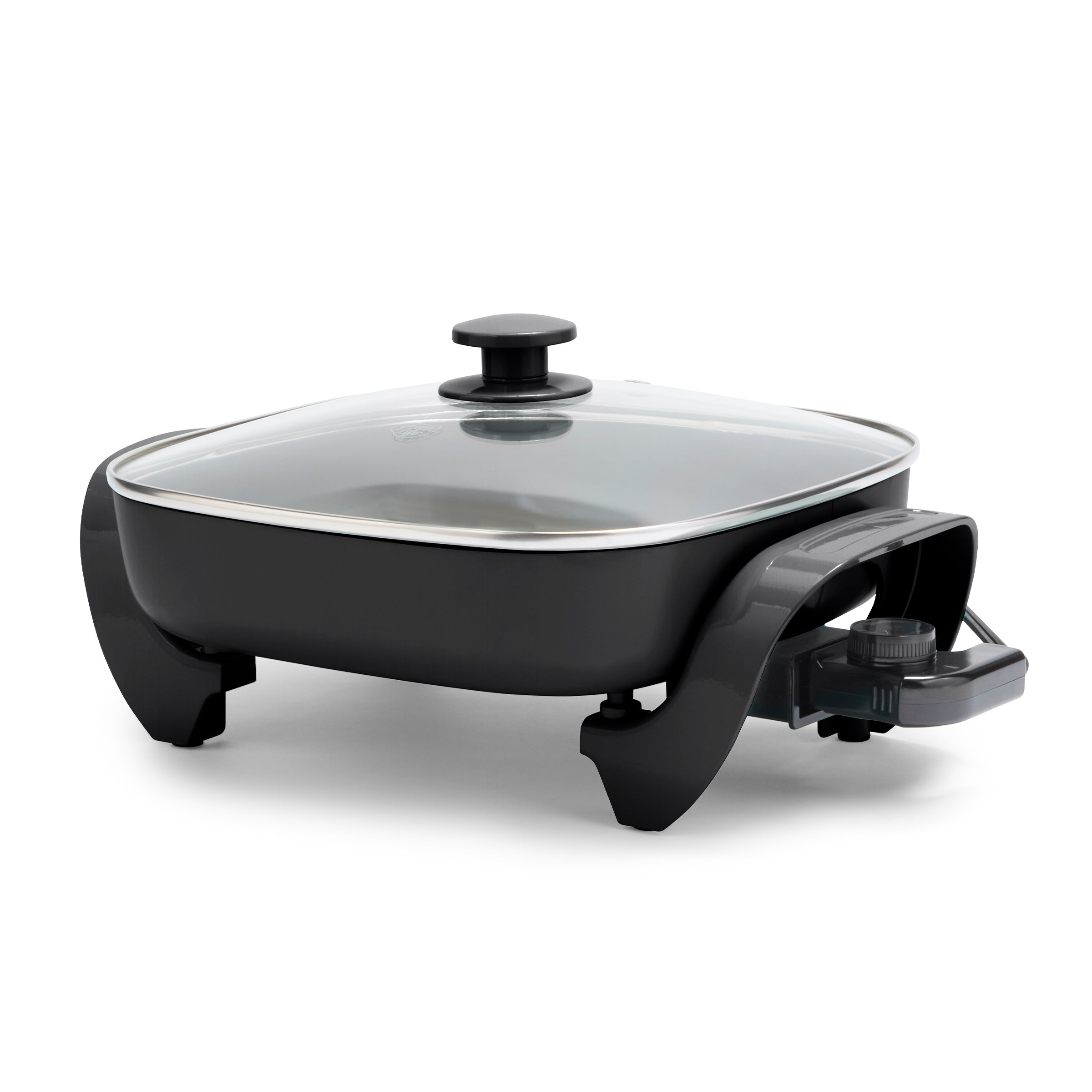
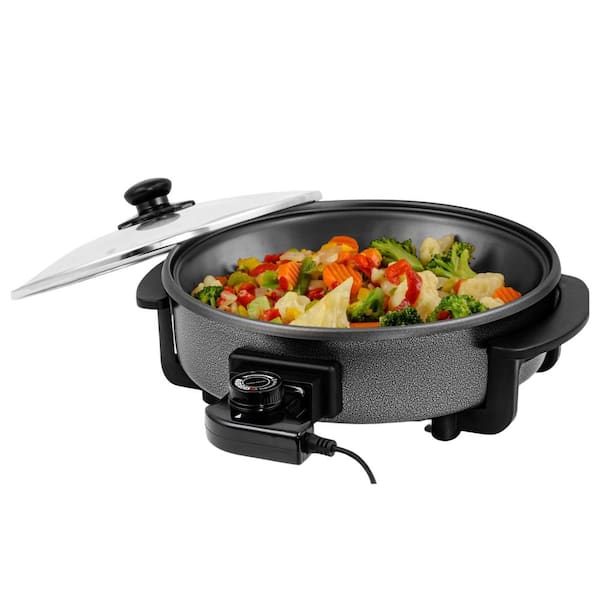
An electric skillet is a flat, usually rectangular or round cooking pan with its own built-in heating element. Unlike regular skillets that need to sit on a stove, an electric skillet plugs directly into a wall outlet. This means you can cook almost anywhere there’s electricity—on a countertop, at a picnic, or even in a hotel room.
Most electric skillets are made from aluminum or stainless steel. They have a non-stick coating to make cleaning easier and to help food cook without sticking. The heating element is often built into the base, giving even heat across the cooking surface. Some models have a glass lid, which lets you watch your food without lifting it, keeping heat and moisture inside.
How Does An Electric Skillet Work?
Electric skillets use a simple but effective design. Inside the base is a heating coil, similar to what you find in a toaster or electric oven. When you plug in the skillet and turn it on, electricity runs through the coil, heating it up.
The coil transfers heat to the metal pan, and that cooks your food.
You control the temperature with a dial or digital settings. Most skillets have a wide range—usually from 150°F to 450°F (about 65°C to 230°C). This lets you cook many types of food, from eggs and pancakes to meat and stir-fry.
Key Features Of Electric Skillets
Electric skillets come with several features that make them different from regular pans:
- Adjustable temperature control – You can set precise heat levels, which helps prevent burning food.
- Non-stick surface – Makes it easy to cook and clean, especially for beginners.
- Cool-touch handles – These stay cool while cooking, so you won’t burn your hands.
- Glass lid – Lets you see your food while it cooks and keeps moisture inside.
- Large cooking area – Most skillets have more surface space than standard pans.
Here’s a quick comparison between a typical electric skillet and a regular frying pan:
| Feature | Electric Skillet | Traditional Frying Pan |
|---|---|---|
| Heat Source | Built-in electric coil | External stove burner |
| Temperature Control | Adjustable dial | Depends on stove settings |
| Cooking Surface | Non-stick, often larger | Varies, often smaller |
| Portability | Very portable | Requires stove |
Main Uses For Electric Skillets
The electric skillet is a flexible tool. Here are some common ways people use it:
- Frying – For eggs, bacon, chicken, and fish.
- Sautéing – Cooking vegetables and meat quickly with a bit of oil.
- Simmering – Making soups, stews, and sauces.
- Baking – Some skillets can bake cakes, casseroles, or even pizza.
- Grilling – Cooking burgers, steaks, or vegetables.
- Keeping food warm – Many models have a “warm” setting for serving at parties.
Many users are surprised to learn that you can bake in some electric skillets. You simply cover the skillet with the lid and set the right temperature, creating an oven-like environment.
Credit: www.greenpan.us
Benefits Of Using An Electric Skillet
There are several reasons why electric skillets are becoming popular:
- Consistent heat – The built-in heating element spreads heat evenly, reducing hot spots and burns.
- Energy efficient – Using a skillet can save electricity compared to heating a full stove or oven, especially for small meals.
- Portable – Take it anywhere there’s an outlet: Camping, travel, parties, or office kitchens.
- Easy to clean – Non-stick surfaces and removable parts make cleaning simple.
- Versatile cooking – Cook, bake, grill, or keep food warm—all in one appliance.
A study from the National Kitchen & Bath Association found that portable appliances like electric skillets are rising in popularity, especially in small homes and dorms.
Common Types Of Electric Skillets
Electric skillets come in many shapes and sizes. Here are the most common types:
- Round skillets – Usually smaller and ideal for single servings or couples.
- Rectangular skillets – Larger, with more cooking space, good for families.
- Deep skillets – Great for stews, soups, and deep-frying.
- Shallow skillets – Best for frying and sautéing.
- Digital skillets – Offer precise temperature control and sometimes timers.
- Manual skillets – Use a simple dial for heat control.
Let’s compare some popular sizes:
| Skillet Type | Typical Size (inches) | Best For |
|---|---|---|
| Round | 8–12 | Small meals |
| Rectangular | 12–16 | Family cooking |
| Deep | 12–14 | Soups, stews |
| Shallow | 10–12 | Frying, sautéing |
How To Choose An Electric Skillet
If you’re thinking about buying an electric skillet, here are some important things to consider:
- Size – Think about how many people you cook for. A small skillet is good for one or two people, but families may want a larger model.
- Shape – Round is easier for eggs and pancakes, while rectangular is better for grilling or big meals.
- Depth – Deep skillets are best for soups, stews, and frying. Shallow ones work well for sautéing.
- Temperature control – Digital controls are more accurate, but manual dials are simple and reliable.
- Lid quality – Glass lids let you see your food. Make sure the lid fits well.
- Non-stick surface – Choose a strong coating to avoid scratches and make cleaning easier.
- Price – Electric skillets range from $25 to $100 or more. Higher prices often mean bigger size and better features.
- Warranty – Look for at least a one-year warranty, especially for frequent use.
Here’s a comparison of three popular models:
| Brand | Size | Price | Features |
|---|---|---|---|
| Presto | 16-inch | $50 | Non-stick, glass lid, manual dial |
| Hamilton Beach | 12-inch | $35 | Deep, cool-touch handles, simple controls |
| Cuisinart | 14-inch | $80 | Digital, timer, strong non-stick |
Safety Tips And Maintenance
Using an electric skillet is generally safe, but it’s important to follow some basic rules:
- Keep the cord away from water – Electric skillets should never be used near sinks or wet surfaces.
- Unplug after use – Always unplug your skillet once you’re done cooking.
- Cool before cleaning – Let the skillet cool completely before washing.
- Avoid metal utensils – Use wood or silicone to protect the non-stick surface.
- Check for damage – If the cord or plug looks worn, stop using the skillet.
For cleaning, most skillets can be wiped with a damp cloth or sponge. Some models have removable pans that are dishwasher-safe. Regular maintenance will keep your skillet working for years.
Practical Cooking Tips For Beginners
Many beginners wonder how to get the best results with their electric skillet. Here are a few tips:
- Preheat – Turn on the skillet and let it heat for a few minutes before adding food.
- Don’t overcrowd – Too much food can lower the temperature and cause uneven cooking.
- Use the lid – The lid helps cook food faster and keeps it moist.
- Season food well – Electric skillets cook evenly, so flavors spread nicely.
- Experiment – Try different recipes: Pancakes, stir-fry, grilled sandwiches, or even desserts.
A non-obvious insight: Many people don’t realize that electric skillets can be used as a slow cooker. By setting a low temperature and covering with the lid, you can make tender meats and rich stews without needing a separate appliance.
Another tip: If you’re cooking for a group, an electric skillet can keep food warm for hours. Just set it to the lowest temperature, and serve directly from the skillet.
You might find this helpful: electric skillets for Frying Chicken
Environmental Impact And Energy Use
Electric skillets are often more energy efficient than traditional ovens or stovetops, especially for small meals. According to the US Department of Energy, cooking with portable appliances can use up to 30% less electricity compared to heating a full oven. This means lower energy bills and less impact on the environment.
Some new models are made with recyclable materials and use less plastic in their design. Choosing a skillet with energy-saving features, such as automatic shut-off or insulated sides, can help reduce your carbon footprint.
Credit: www.homedepot.com
Real-life Examples And User Experiences
People from many walks of life use electric skillets. College students cook simple meals in their dorms. Busy families prepare breakfast quickly before school. Elderly users enjoy the easy controls and safe design.
One family shared that their electric skillet helped them cook pancakes, bacon, and eggs all at once, saving time on busy mornings. Another user said the skillet was perfect for fried chicken and kept the kitchen cooler than using a stove.
A small restaurant owner used a large electric skillet to serve hot appetizers at events. The portability made catering much easier.
For more detailed information about electric skillets and their history, visit Wikipedia.
Frequently Asked Questions
What Foods Can I Cook In An Electric Skillet?
You can cook almost anything: pancakes, eggs, bacon, steaks, chicken, stir-fry, grilled sandwiches, and even cakes or pizza. Some skillets also let you simmer soups and stews.
Is An Electric Skillet Safe To Use?
Yes, electric skillets are safe when used correctly. Always keep the cord dry, unplug after cooking, and let the skillet cool before cleaning. Most models have safety features like cool-touch handles.
How Do I Clean An Electric Skillet?
Let the skillet cool, then wipe with a soft sponge or cloth. Avoid harsh cleaners and metal utensils, which can damage the non-stick surface. Some skillets have removable pans that are dishwasher-safe.
Can I Use An Electric Skillet For Baking?
Yes, many electric skillets can bake cakes, casseroles, or pizza. Use the lid to trap heat and set the right temperature for baking. Always check your model’s instructions for baking tips.
What Size Electric Skillet Should I Buy?
Choose based on your needs. Small skillets (8–12 inches) are good for singles or couples. Large skillets (14–16 inches) are better for families or group cooking. Deep skillets are best for stews and soups.
Electric skillets offer a convenient, versatile way to cook almost anywhere. Whether you’re a beginner or an experienced cook, this appliance can help you prepare meals quickly and easily. With the right model and a few simple tips, you’ll enjoy great food and less stress in the kitchen.

Credit: www.walmart.com