Skip to content
Sous vide cooking is changing kitchens around the world. This technique, once used only by top chefs, is now popular in home kitchens. People love sous vide for its precision, flavor, and consistent results. But what exactly is sous vide cooking?
How does it work, and why do so many food lovers praise it? Let’s dive deep into this modern method, explore its benefits, and see how anyone can use it to create restaurant-quality meals.
What Is Sous Vide Cooking?
Sous vide is a French term meaning “under vacuum.” It is a method of cooking food in a sealed bag or container, then placed in a water bath and heated at a precise, consistent temperature. With sous vide, food cooks evenly and gently, often for hours. This results in flavors and textures that are hard to achieve with traditional methods.
Instead of cooking food quickly at high heat, sous vide uses lower temperatures over a longer time. The water bath’s temperature is controlled by a device called a sous vide circulator. This device keeps the water at exactly the right temperature for the whole cooking process.
How Sous Vide Works
The process for sous vide cooking is simple but effective:
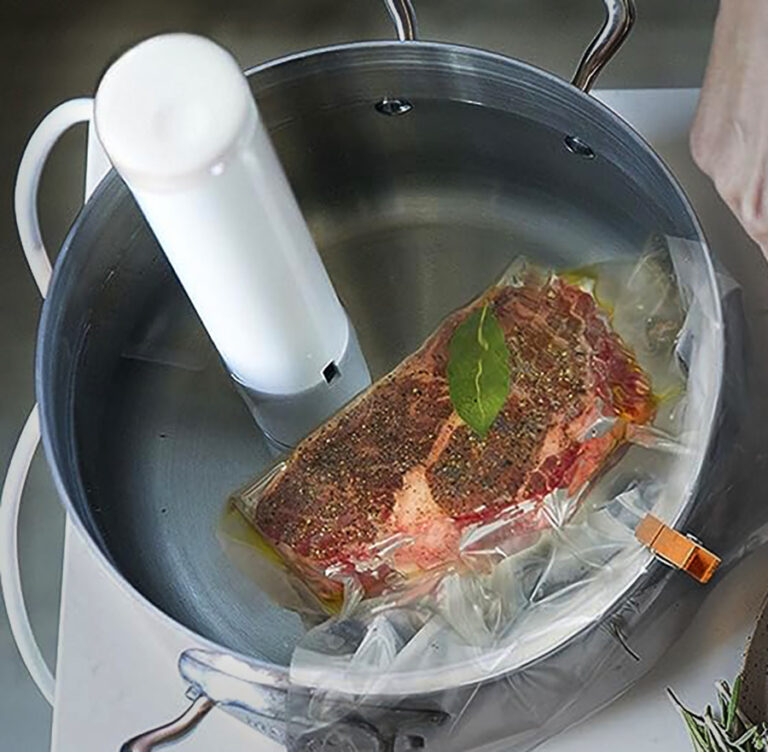
- Season and seal: Place food (such as meat, fish, eggs, or vegetables) in a plastic bag. Add seasoning or marinade, then seal the bag, usually with a vacuum sealer or a zip-top bag using the water displacement method.
- Set temperature: Fill a container with water and set your sous vide circulator to the desired temperature. This temperature is usually lower than traditional cooking, for example, 130°F (54°C) for steak.
- Cook in water bath: Place the sealed bag in the water. The circulator keeps the water at a steady temperature. Food cooks slowly and evenly, often for one to several hours.
- Finish and serve: After cooking, remove the food from the bag. For meats, it’s common to quickly sear the outside in a hot pan for flavor and color before serving.
The Science Behind Sous Vide
The main idea of sous vide is precision cooking. Traditional methods, like grilling or frying, use high heat. This can lead to overcooking, dry food, or uneven results. With sous vide, the food’s temperature never goes above the set point. For example, a steak cooked at 135°F will never be hotter than 135°F, so it stays juicy and tender.
Also, the sealed bag keeps in moisture and flavor. There’s little evaporation, and the food absorbs seasonings and marinades more deeply. This is why sous vide is famous for producing perfectly cooked steak, tender chicken, and flavorful vegetables.
Benefits Of Sous Vide Cooking
Sous vide offers several advantages over traditional methods:
- Consistency: Food cooks to the same doneness every time. No surprises.
- Flavor: Sealed bags lock in juices and flavor. Seasonings penetrate deeply.
- Nutrition: Gentle cooking helps preserve vitamins and minerals.
- Convenience: You can start cooking, leave, and not worry about burning or overcooking.
- Flexibility: Food can stay in the water bath for extra time without overcooking.
Many restaurants use sous vide for these reasons. Home cooks now enjoy the same benefits, thanks to affordable sous vide devices.

Credit: anovaculinary.com
Comparing Sous Vide With Traditional Cooking Methods
To understand sous vide’s advantages, see how it compares with other methods:
| Method | Temperature Control | Texture | Flavor Retention | Risk of Overcooking |
|---|---|---|---|---|
| Sous Vide | Very precise | Even, tender | High | Low |
| Grilling | Hard to control | Can be dry | Medium | High |
| Baking | Moderate | Varies | Medium | Medium |
| Boiling | Low | Soft | Low | Medium |
Sous vide stands out for its control and quality. Beginners often miss how much easier it is to get consistent results with sous vide.
Essential Equipment For Sous Vide
You don’t need a professional kitchen to start sous vide cooking. Here’s what you’ll need:
- Sous vide circulator: The main device for heating and circulating water. Popular brands include Anova, Joule, and Instant Pot.
- Water container: Any large pot or container can work, but some people use special sous vide tubs.
- Vacuum sealer or zip-top bags: For sealing food. Vacuum sealers remove air, but you can use zip-top bags and the water displacement method.
- Food-safe bags: Make sure bags are safe for cooking at heat.
- Optional: Searing pan: After cooking, a hot pan or torch gives meats a flavorful crust.
Many home cooks start with just a circulator and zip-top bags. This makes sous vide accessible and affordable.
Popular Foods For Sous Vide Cooking
Sous vide can be used for almost any food. Some of the most popular items are:
- Steak: Juicy, evenly cooked, tender, with a perfect edge-to-edge doneness.
- Chicken breast: Moist and never dry; stays tender even after long cooking.
- Salmon: Delicate texture, rich flavor, and no overcooked edges.
- Eggs: Soft, creamy, and easy to customize.
- Vegetables: Bright color, crisp-tender texture, and intense flavor.
Home cooks often start with steak or chicken because the results are so impressive. The method also works for desserts like custard or yogurt.
Cooking Times And Temperatures
One of sous vide’s strengths is precise control over time and temperature. Here’s a quick guide to common foods:
| Food | Temperature (°F) | Time | Result |
|---|---|---|---|
| Steak (medium rare) | 130–135 | 1–4 hours | Juicy, tender |
| Chicken breast | 140–150 | 1–4 hours | Moist, safe |
| Salmon | 120–130 | 30–45 minutes | Soft, delicate |
| Eggs | 145–165 | 45–60 minutes | Creamy, smooth |
| Carrots | 183 | 1 hour | Bright, sweet |
Tip: You can keep food in the bath longer than the minimum time without overcooking. This is a unique advantage of sous vide.
Step-by-step Example: Cooking Sous Vide Steak
Let’s walk through a real example for beginners:
- Season the steak: Sprinkle salt, pepper, and any herbs.
- Seal: Place steak in a bag. Use a vacuum sealer or a zip-top bag. If using a zip-top, lower the bag into water to push out air, then seal.
- Set up the circulator: Fill a pot with water, attach the sous vide device, and set it to 130°F for medium rare.
- Cook: Place the sealed steak in the water bath for 1–4 hours.
- Finish: Remove steak, pat dry, and sear in a hot pan for 1 minute per side.
- Serve: Slice and enjoy. The steak will be pink edge-to-edge and juicy.
Beginners often skip the drying step before searing, which can cause a weak crust. Pat your steak dry for a better finish.
Common Mistakes And How To Avoid Them
Sous vide is easy, but there are a few traps:
- Incorrect sealing: Air in the bag can lead to uneven cooking. Make sure bags are well sealed.
- Wrong temperature: Double-check recipes. Small changes in temperature make big differences.
- Skipping searing: For meats, a quick sear adds flavor and color.
- Not drying food before searing: Wet food won’t brown well.
- Poor bag placement: Bags should be fully submerged. Use clips if needed.
Non-obvious tip: Don’t overcrowd your water bath. Too many bags can lower water temperature and slow cooking.
Is Sous Vide Safe?
Sous vide is safe when used correctly. Food cooks at lower temperatures, but often for longer periods, which kills bacteria. For meats and eggs, make sure to use recommended times and temperatures for safety.
Most sous vide devices have safety features, but always check your equipment’s instructions. Use food-safe bags, and never reuse bags that held raw food.
Sous Vide For Busy Lifestyles
Sous vide is ideal for people with busy schedules. You can start cooking, leave for hours, and come back to perfectly cooked food. Some people cook in bulk, then chill and reheat meals during the week.
Batch cooking using sous vide helps save time and reduces stress. It’s also useful for parties or family events, as you can prepare food in advance.
:max_bytes(150000):strip_icc()/sea-primary-sous-vide-machines-oct-24-rkilgore-1-84a5137c3b7b48c98408d7dac237e3f6.jpeg)
Credit: www.seriouseats.com
Cost And Accessibility
Sous vide devices are now affordable. Entry-level circulators cost around $60–$150, and vacuum sealers start at $30. You don’t need special bags or containers, just a pot and zip-top bags. This makes sous vide accessible to most home cooks.
Professional chefs use high-end machines, but home devices work well for everyday cooking. The investment pays off with better meals and less waste.
Sous Vide In Restaurants And Food Industry
Many restaurants use sous vide to improve quality and efficiency. Chefs can cook large batches of meat, fish, or vegetables with perfect results. Food can be held at ready-to-serve temperature for hours without drying out.
Sous vide is also used for catering, airline meals, and food manufacturing. It helps maintain safety standards and consistency.
For more details on professional uses, see Wikipedia.
Comparing Sous Vide Devices
Choosing a sous vide circulator can be confusing. Here’s a quick comparison of popular models:
| Brand | Price (USD) | Max Water Capacity | App Control | Wattage |
|---|---|---|---|---|
| Anova Nano | 99 | 5 gallons | Yes | 750W |
| Joule | 199 | 10 gallons | 1100W | |
| Instant Pot Accu Slim | 79 | 6 gallons | No | 800W |
Look for devices with good reviews, strong wattage, and easy controls. App features can help with timers and recipes.
Frequently Asked Questions
What Foods Are Best For Sous Vide?
Sous vide is great for meat, poultry, fish, eggs, and vegetables. Steak and chicken are the most popular, but you can also cook desserts, yogurt, and even cocktails.
Do I Need A Vacuum Sealer?
No, you can use zip-top bags and the water displacement method. However, vacuum sealers make the process easier and are better for freezing.
Is Sous Vide Time-consuming?
Sous vide requires more waiting time but less hands-on time. You can leave food cooking while you do other things. Most foods cook for 1–4 hours, but some recipes take longer.
Can I Overcook Food With Sous Vide?
It’s hard to overcook food with sous vide. As long as the water stays at the correct temperature, food will not go past the target doneness. However, after a very long time, texture may change for some foods.
Is Sous Vide Worth It For Home Cooks?
Yes, sous vide is easy, affordable, and reliable. Home cooks enjoy restaurant-quality meals and less stress. It is especially useful for busy families or food lovers who want better results.
Sous vide cooking is more than a trend. It’s a practical, reliable method that brings professional results to home kitchens. With a little practice and the right equipment, anyone can enjoy the benefits of precision, flavor, and convenience. Whether you’re a beginner or an expert, sous vide offers new ways to cook, eat, and enjoy food.
Credit: pneumasolutions.com