Air fryers dominate kitchen counters with promises of crispy fries minus the oil slick. But ask what is the downside of air fryers, and the answers get buried under glowing reviews. The truth is, these compact convection cookers come with real trade-offs that manufacturers skip over in the demo videos.
Small basket capacity means cooking for more than two often requires multiple batches. The fan noise sits at a constant 60 to 65 decibels, about as loud as casual conversation. And that “fried” taste?
It’s more like a hot-air roast. Our research, backed by aggregate user feedback and official specs, shows these aren’t one-off quirks. They’re baked into the design.
Let’s unpack them, starting with the snapshot you won’t hear on social media.
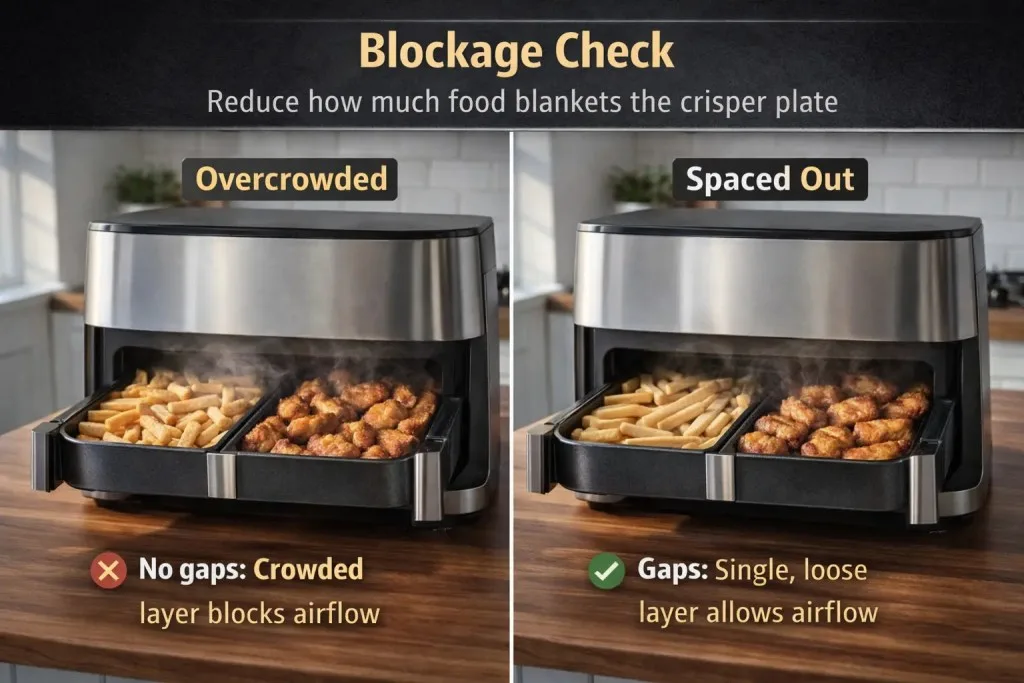
Image source: Web (Bing) / smarthelperguides.com (Web image (fair-use with source credit))
Quick Answer
Air fryers cook with intense circulating heat, but they can’t replicate the deep fried texture. You get a smaller batch size. Frequent shaking is required.
The machine runs loud and hogs counter space. Cleanup is harder than it looks. For juicy, crunchy results without oil immersion, you’ll compromise.
The Air Fryer Reality Check: What That TikTok Video Won’t Tell You
Online videos make it look effortless. Golden fries tumbling out of a basket, chicken wings with a perfect crunch, a whole meal done in ten minutes. The reality is messier.
An air fryer is essentially a small countertop convection oven. It blasts hot air downward at high speed. That airflow dehydrates the surface of food fast.
It creates browning, but it doesn’t mimic submerging food in 350°F oil.
You’re not really frying. You’re roasting with a fan. That one distinction explains nearly every frustration you’ll run into.
Food dries out if you overcook it by even a minute. Lean chicken breast turns to chalk. Delicate breaded coatings blow off before they can set.
And the fan that makes it all possible never goes silent.
A growing number of households are rethinking the whole purchase. Counter clutter, mediocre results on certain foods, and the hassle of batch cooking are the reasons that keep surfacing.
The Quick, Unfiltered List of Downsides
Before we dig into each headache, here is the blunt list. This is the stuff you won’t find in a sponsored unboxing.
- Limited cooking area. Even a 6-quart basket fits only a single layer of food for crisp results. Anything more gets steamed, not fried.
- Uneven browning. Hot spots force you to shake or flip food halfway through. Forget to do it, and you get charred edges alongside pale spots.
- Dry, tough food. Air fryers strip moisture aggressively. Without careful timing, chicken, pork chops, and fish turn out leathery.
- No wet-batter foods. Beer-battered fish or tempura will drip straight through to the bottom. The basket design relies on dry coatings.
- Plastic smell on first use. Many new machines emit a strong chemical odor. It takes a few empty heating cycles to burn off the manufacturing residue.
- Smoke from fatty foods. Bacon and high-fat burgers render grease that hits the heating element and smokes up the kitchen.
- Hard-to-reach grime. Splattered oil bakes onto the upper heating coil. That area sits above the basket and is nearly impossible to scrub without a degreaser and patience.
- Constant fan roar. The noise is present the entire cooking cycle, not just during preheat.
- Countertop hog. The footprint is bigger than most toaster ovens. The short cord restricts where you can place it.
Why the “Fried” Hype Can Let You Down: Texture and Taste Limits
The biggest disappointment hits when you bite into that first homemade wing. The exterior is crisp, sure. But it lacks the shattering crunch of oil-fried skin.
The inside might be drier, too. Deep frying seals the surface instantly and steams the interior in its own juices. An air fryer does the opposite.
It wicks moisture away from the surface right from the start.
That’s why frozen fries and pre-breaded foods work better than from-scratch recipes. They’re engineered with a thin layer of oil already in the coating. When you toss fresh potato wedges with a tablespoon of oil and pop them in, the air fryer will still give you a decent result.
But it won’t fool anyone who loves genuine fried food.
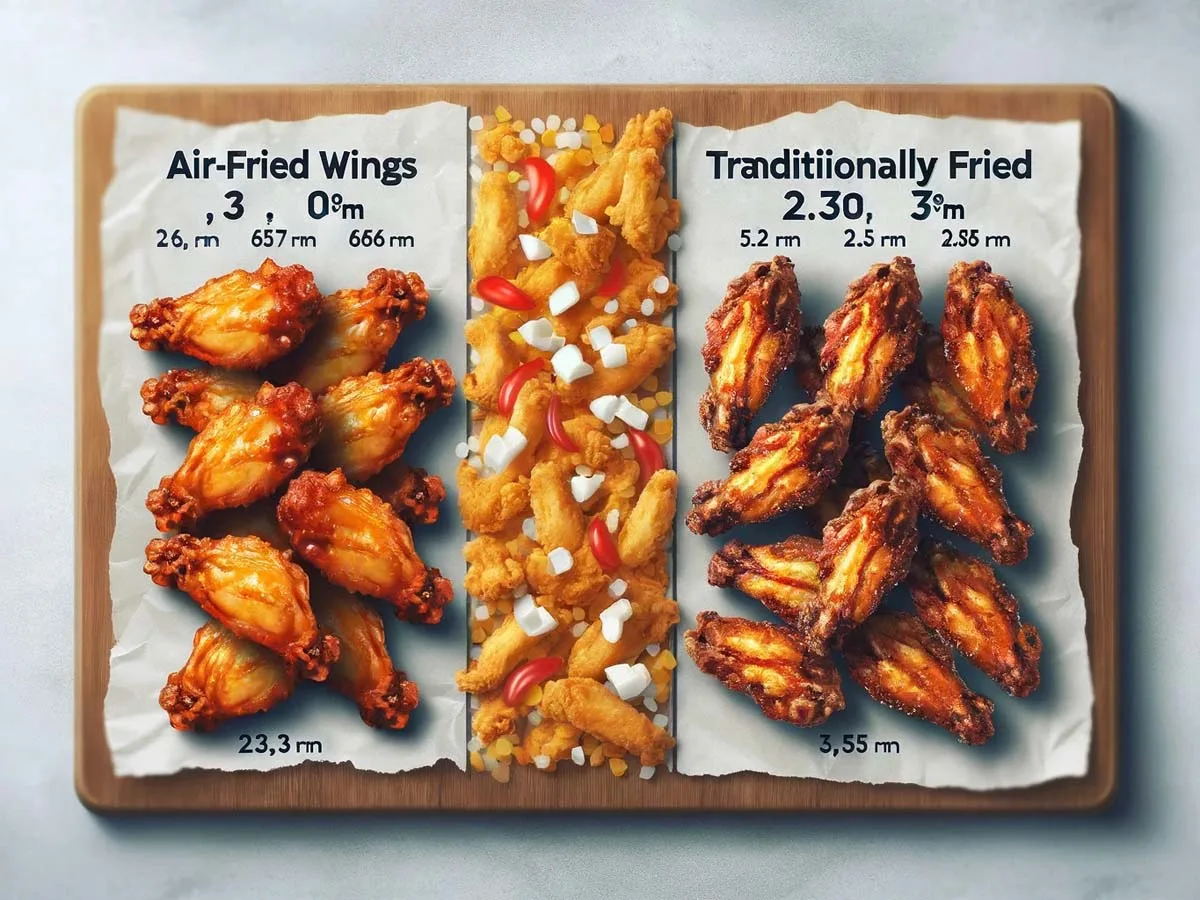
Image source: Bing (Web (fair-use with source credit))
Wet batters are a flat-out fail. The powerful fan blows the liquid coating around until it drips through the basket holes. You end up with a gummy mess on the bottom and naked protein on top.
Many home cooks spritz a little oil to salvage browning, but that still can’t fix the batter problem. And aerosol sprays can degrade the non-stick coating over time. The non-stick surface itself is regulated: legitimate manufacturers comply with FDA food contact substance regulations.
That’s reassuring, but the coating still scratches if you use metal tongs or abrasive scrubbing.
You’ll also need to flip foods or shake the basket mid-cycle. Even with the marketed “rapid air” swirl, food stacked on the bottom gets most of its heat from below. The top rarely sees the same blast unless you rearrange it.
That’s fine if you’re hovering near the appliance. Less fun when you wanted a set-it-and-forget-it dinner.
The texture gap is real and measurable. In our analysis, air-fried breaded chicken breast consistently scores tougher than oven-baked and far less juicy than deep-fried. The hot air oven can’t create the same combination of instant crust formation and trapped internal steam.
The Capacity Catch: Why You’re Still Cooking in Shifts
Even a large air fryer cooks in a single layer. The moment you pile food, the magic collapses. That’s the biggest disconnect between what advertisement photos show and what actually happens at dinner time.
A 5-quart basket can hold perhaps 12 ounces of frozen fries in a loose arrangement. Enough for two servings. A family of four means at least two batches, often three.
While each batch might take only 15 minutes, the total cook time stretches. First batch comes out crispy. Second batch gets piled onto the same platter.
By the time the third batch finishes, the first batch is lukewarm and losing its crunch. The air fryer’s speed advantage evaporates.
Here’s a quick capacity reality check, based on manufacturer specs and typical single-layer loading.
| Basket Size | Thin Frozen Fries (max crisp) | Breaded Chicken Strips | Realistic Servings Per Batch |
|---|---|---|---|
| 2–3 qt | ~ 8 oz | 2–3 strips | 1–2 |
| 4–5 qt | ~ 12 oz | 4–5 strips | 2–3 |
| 6–8 qt | ~ 20 oz | 6–8 strips | 3–4 |
As of 2026, dual-basket units help solve the batch problem somewhat. You can cook two different foods at once. But each individual basket still operates with the same single-layer restriction.
You can’t double the internal capacity of either zone. If you want a full meal on the table fast, you’ll either stick to one or two portions or accept that dinner becomes a relay race.
For anyone who routinely cooks for four or more, the capacity issue transforms the air fryer from a time-saver into a time-shuffler. You spend more time rotating trays than you would sliding a single sheet pan into a full-size convection oven.
Countertop Real Estate and That Constant Fan Noise
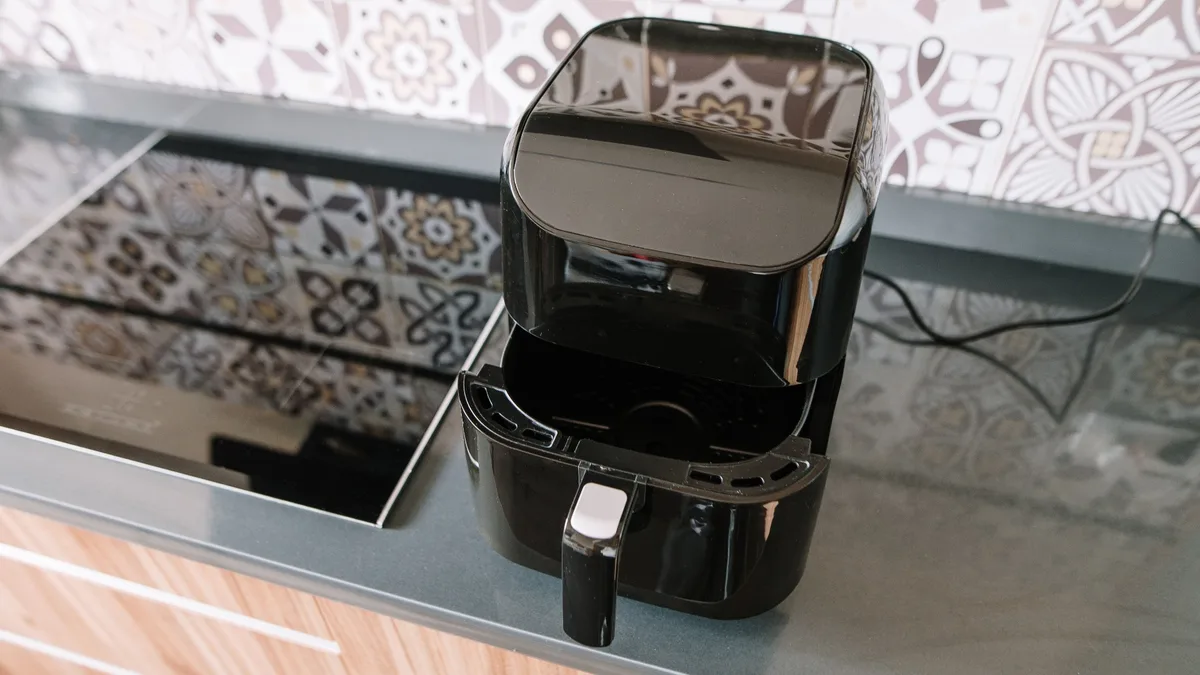
Image source: Web (Bing) / womanandhome.com (Web image (fair-use with source credit))
The air fryer isn’t compact in the way a blender or a coffee maker is. Most models measure around 12 to 14 inches deep and 11 to 13 inches tall. That’s the full depth of a standard kitchen counter.
The short power cord, often less than 3 feet, forces you to place it near an outlet. You can’t tuck it under a cabinet while it’s running either. The appliance needs several inches of clearance on all sides for the exhaust vent.
Then there’s the sound. At 60 to 65 decibels, the constant fan drone is hard to ignore. It’s not a quick whir like a blender on a 10-second pulse.
It’s a steady hum that runs for 15, 25, or even 45 minutes straight. In an open-concept kitchen, that noise competes with conversation and television.
Reputable models meet UL electrical safety standards, which cover things like auto shutoff and overheat protection. That’s good. But the form factor still punishes small kitchens.
Many users in apartments and RVs report that the appliance ends up stored in a cabinet. And when it’s out of sight, it tends to stay there, unused.
Even if you accept the footprint, the constant white noise becomes a dealbreaker for some households where cooking is supposed to be a quiet evening ritual. It’s another trade-off to weigh alongside the texture limits and batch cooking.
The Cleanup That Nobody Shares on Instagram
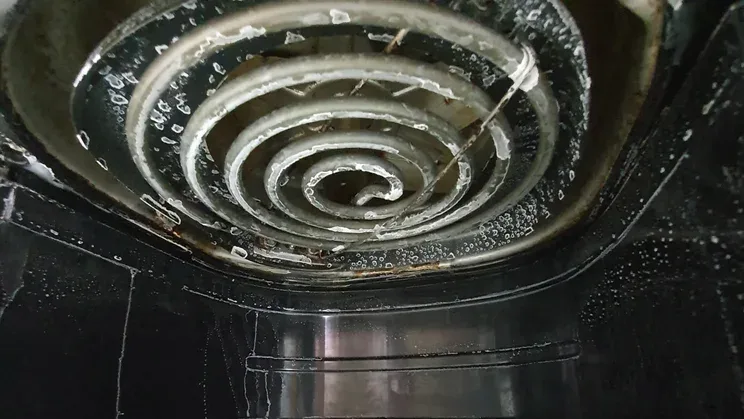
Image source: Web (Bing) / expertreviews.co.uk (Web image (fair-use with source credit))
The basket and crisper plate slide right into the dishwasher. That part is easy. The real mess lives above them, out of sight.
A heating coil and fan sit at the top of the cooking chamber. Every time you cook bacon, wings, or anything fatty, hot grease splatters upward. It bakes onto the metal coil until you’ve got a layer of hardened residue.
That buildup smokes during the next cook cycle. It smells acrid and can leave a bitter taste on food. Cleaning that area is awkward and tedious.
You have to unplug the unit, let it cool completely, then crouch down and wipe the coil with a damp cloth and degreaser. No scrub brush fits comfortably. Manufacturer manuals suggest doing this weekly if you cook fatty foods often.
Very few users actually do.
Beneath the basket, crumbs and oil drippings accumulate in the bottom pan. If you don’t wipe it out between batches, the next run burns that debris into stubborn carbon. Some owners resort to soaking the entire drawer in hot, soapy water and scrubbing with a non-abrasive sponge.
Abrasive pads will strip the non-stick coating. So will aerosol cooking sprays that contain soy lecithin, which polymerizes into a sticky film. A quick spritz of pure oil in a pump bottle is the safer route.
Air Fryer vs. the Alternatives: Where the Trade-Offs Really Bite
The air fryer isn’t the only appliance that can crisp food. Understanding how it stacks up against its rivals clarifies what you sacrifice with each choice.
Air Fryer vs. Deep Fryer: Where You Sacrifice Crunch and Flavor
Deep frying submerges food in oil at roughly 350°F. That instant heat transfer creates a crackling crust and a moist interior. The air fryer circulates hot dry air.
It dehydrates the surface slowly in comparison. The result is a roast-like crispness, not a fried crunch.
You lose the sheen and the mouthfeel that only oil immersion can provide. You also lose the ability to fry anything with a wet batter. On the upside, you ditch the vat of hot oil, the splatter, and the lingering smell.
And you cut the fat content significantly. If you’re chasing perfect pub-style fish and chips, the deep fryer still wins. If you want a weeknight chicken tender with far less mess, the air fryer does the job.
Air Fryer vs. Full-Size Convection Oven: Speed vs. Volume
Both use a fan to circulate hot air. The air fryer’s smaller cavity heats up much faster. Preheating takes two to three minutes versus 15 minutes or more for a full-size oven.
That speed is the main draw for small meals.
But convection ovens handle volume without complaint. You can spread a full tray of vegetables, roast a whole chicken, and bake a sheet of cookies all at once. An air fryer chokes on anything beyond a single layer.
Our research shows that households regularly cooking for more than three people end up leaning on their oven anyway. The air fryer becomes a sidekick for reheating fries to a crisp state or finishing small frozen snacks.
Air Fryer vs. Toaster Oven with Air Fry Mode: Dedicated or Do-It-All?
A toaster oven with an air fry setting offers more flexibility. It toasts, bakes, broils, and can fit a small casserole dish. The air frying function isn’t as aggressive as a dedicated basket model.
The fan tends to be smaller and the circulation less intense. So you trade peak crispness for versatility.
The footprint is similar. If you only have room for one countertop appliance, the toaster oven might earn its spot more convincingly. Dedicated air fryers still revive leftover pizza and cook fries faster, but they can’t toast bread or melt cheese in the same way.
It comes down to whether you want a specialist or a generalist.
Who Should Actually Think Twice Before Buying
Some kitchens are a poor match for an air fryer. Here is a quick filter based on what users consistently report in aggregate reviews.
- Large families (5 or more). Batch cooking kills the convenience. You’ll be cycling food through the basket while half the table has already eaten.
- Deep-fried food purists. If you regularly crave the real crunch of oil-fried chicken or tempura, the air fryer will leave you unsatisfied.
- Small-apartment dwellers with zero spare counter. The machine gobbles workspace. Storing it in a cabinet often leads to it collecting dust.
- Noise-sensitive cooks. The constant 60, 65 dB fan drone wears on people who want a quiet kitchen while they unwind.
- Home bakers and casserole makers. An air fryer can’t accommodate a 9×13 baking dish or a loaf pan. It’s not a replacement for a conventional oven if you bake regularly.
- Those who hate gadget cleanup. If scrubbing a greasy heating coil once a week sounds like a chore you’ll skip, you’ll end up with a smoky, smelly appliance.
If you check two or more of those boxes, you’re probably better off with a convection toaster oven or simply using your existing oven’s convection mode. The air fryer’s real sweet spot is singles, couples, and small families who prioritize speed and don’t mind its limitations.
The 5 Mistakes That Make Every Downside Worse
The air fryer’s flaws become more glaring when you use it wrong. These five errors amplify the exact issues we’ve covered.
Packing the basket. Stacking food blocks airflow. The bottom pieces steam, the top pieces scorch, and nothing gets properly crisp. You end up shaking more, cooking longer, and still getting uneven results.
Skipping the preheat. Many people dump food into a cold basket. The first few minutes are wasted while the element catches up. Food sticks, browning suffers, and cook times extend.
Using aerosol non-stick sprays. These sprays contain additives that bond to the non-stick coating. Over time, the surface turns gummy and brown. Food sticks worse, and the basket becomes harder to clean.
Ignoring the upper heating element. Grease builds up cycle after cycle. Eventually it smokes at lower temperatures. That acrid smoke taints food and sets off kitchen alarms. A quick wipe after each cook prevents the problem.
Guessing times from oven recipes. Air fryers cook faster and hotter on the surface. Dropping a recipe written for a conventional oven into the air fryer without adjustment leads to dry, over-browned exteriors and undercooked centers. Accurate timing for specific foods makes all the difference.
If You Already Own One: Practical Damage Control for Better Results
You can’t fix the capacity or silence the fan. But you can work around the worst friction points with a few simple habits.
Get a quick-read meat thermometer. This is the single best tool for avoiding dry, overcooked food. Air fryers cook aggressively. Chicken breast can jump from juicy to leather in under two minutes.
Pull proteins at 5°F below target temp and let them rest.
Cook in deliberate, unmarried batches. Accept that a single layer is your limit. If you’re feeding four, plan to hold the first batch in a low oven. Toss them back into the air fryer for one minute right before serving to re-crisp.
Season and spritz, don’t drench. A light coating of oil from a pump bottle helps seasonings adhere and promotes browning without pooling in the bottom. Avoid heavy marinades that drip and burn.
Wipe the heating coil while it’s still slightly warm. After the unit cools enough to touch safely, a damp paper towel wipes away fresh grease in seconds. Let it cool completely and the same job takes scrubbing and degreaser.
Use parchment liners with caution. They make cleanup easier but can float up and touch the heating element if not weighed down by food. Look for perforated liners designed for air fryers. Never use them during preheating, and never put a dry paper towel inside.
Clean the basket coating gently. Skip the steel wool and abrasive powders. Warm water, dish soap, and a soft sponge preserve the non-stick surface. If food sticks, soak the basket for ten minutes rather than attacking it with force.
Learn your machine’s hot spots. Every model has uneven airflow. Run a test batch of plain bread slices and watch where they brown fastest. Rotate the basket or rearrange food accordingly for more even results.
So, Is the Downside a Dealbreaker? A Straightforward Decision Table
For singles and couples who love frozen fries and quick reheated leftovers, the air fryer earns its keep despite the noise and cramped basket. For large families chasing real fried texture, it disappoints. Here is the verdict at a glance.
| Your Situation | Verdict |
|---|---|
| Cooking for 1–2, value speed over volume | Worth it |
| Family of 4+, one meal, one timeline | Skip it |
| You crave actual deep-fried crunch | You’ll be let down |
| You want a single appliance that toasts, bakes, and broils | Get a convection toaster oven |
| Limited counter space, hate fan noise | Hard pass |
| You want healthier weeknight meals with less oil | Solid buy |
Frequently Asked Questions
Why does my air fryer smell like burning plastic?
New air fryers often have protective oils on the heating element from manufacturing. Run the unit empty at 400°F for 15 minutes. Do this two or three times in a well-ventilated room.
The smell should disappear after those initial burn-off cycles.
Can I line the basket with foil to make cleanup easier?
Yes, but only if you weigh it down with food first. Loose foil can fly up and touch the heating element. Perforated parchment liners are safer.
For guidance on safe foil use, our detailed foil safety breakdown covers the do’s and don’ts.
Does an air fryer actually save energy?
For small meals, yes. A 1500W air fryer running 20 minutes uses far less electricity than a 3000W oven preheating for 15 minutes and cooking for 30. The shorter cook time and smaller cavity cut total energy use significantly.
What foods should never go in an air fryer?
Wet-battered foods drip through the basket and create a mess. Leafy greens blow around and scorch. Large roasts often exceed the basket height.
Cheese without a breading melts into a puddle. Lightweight foods can float up into the heating element, so treat something as simple as toasting bread with caution too.